The Ninth Cabinet of the Kurdistan Regional Government (KRG) has taken a significant step toward modernizing the electricity and energy sectors across the region with an ambitious plan: the Runaki Project. This initiative promises to deliver continuous, 24-hour electricity to every household in the Kurdistan Region by the end of 2026.
While Iraq and many other countries in the Middle East still struggle with rolling blackouts and energy scarcity exacerbated by mismanagement, bureaucracy, and climate change, the KRG is steering Kurdistan toward a future where electricity becomes a constant and reliable service. Prime Minister Masrour Barzani calls the Runaki Project “one of the most important service projects for the citizens of the Kurdistan Region.”
Progress in numbers
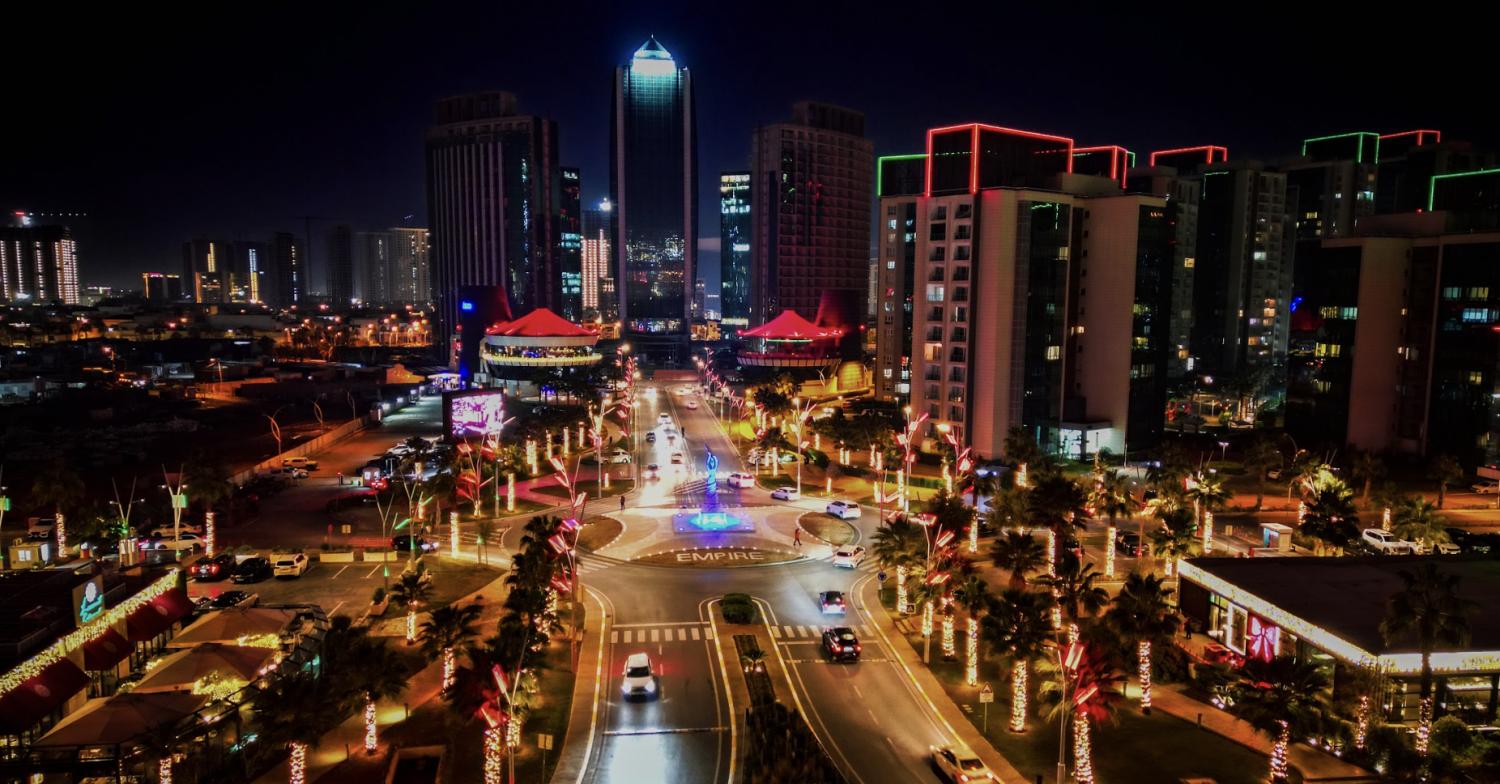
The data highlights the scale of the project. The Runaki Project team shared with Kurdistan Chronicle that over 4.5 million citizens across nearly 400 neighborhoods now enjoy 24-hour electricity, including more than 116,000 businesses that rely on continuous power to run their operations smoothly.
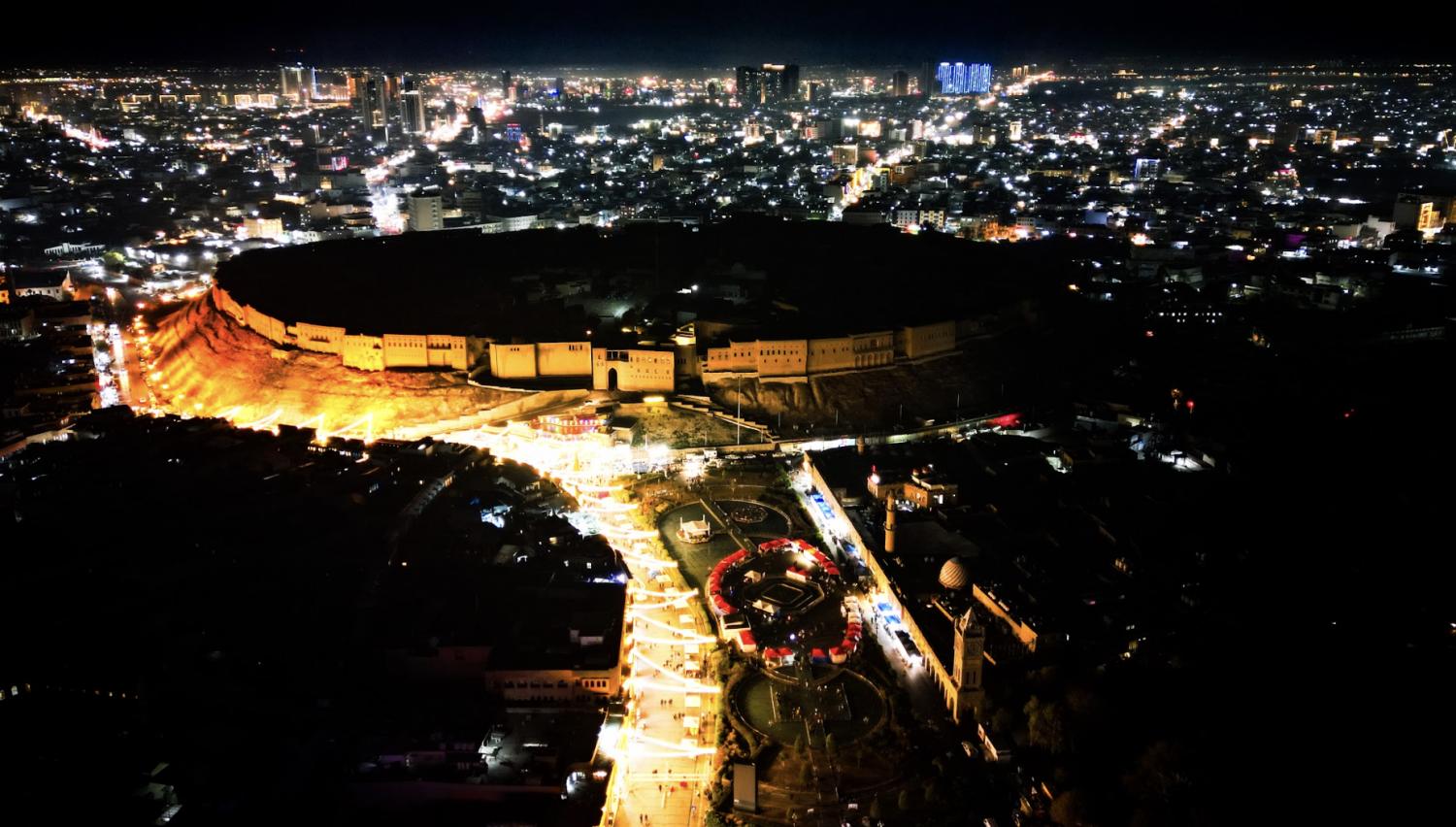
The number of citizens across governorates is currently as follows:
Erbil: 1,935,000 citizens
Sulaymaniyah: 1,345,000 citizens
Duhok: 495,000 citizens
Halabja: 135,000 citizens
Soran: 144,000 citizens
Zakho: 238,000
As seen above, all major city centers in the Erbil, Sulaymaniyah, and Duhok governorates now have full round-the-clock electricity access. Halabja was the first governorate in Iraq to achieve full supply. The rest of the Kurdistan Region will follow suit, in line with the plan to ensure total regional access to 24-hour electricity by the end of 2026.
A smooth, subsidized transition
Recognizing that a sudden shift to round-the-clock electricity could be challenging for many households, the KRG has introduced a subsidy program, with citizens supported during their first three months under the new system. This also functions as an orientation process:
First month: 50% subsidy
Second month: 25% subsidy
Third month: 15% subsidy
Additionally, those who paid higher rates under earlier experimental pricing have received compensation for the excess amounts, which is credited toward future bills. In an unprecedented move, the government has also pledged up to $200 million to subsidize citizens and to provide other support mechanisms like the installation of solar panels, which also signals a commitment to sustainability.
A cultural transformation
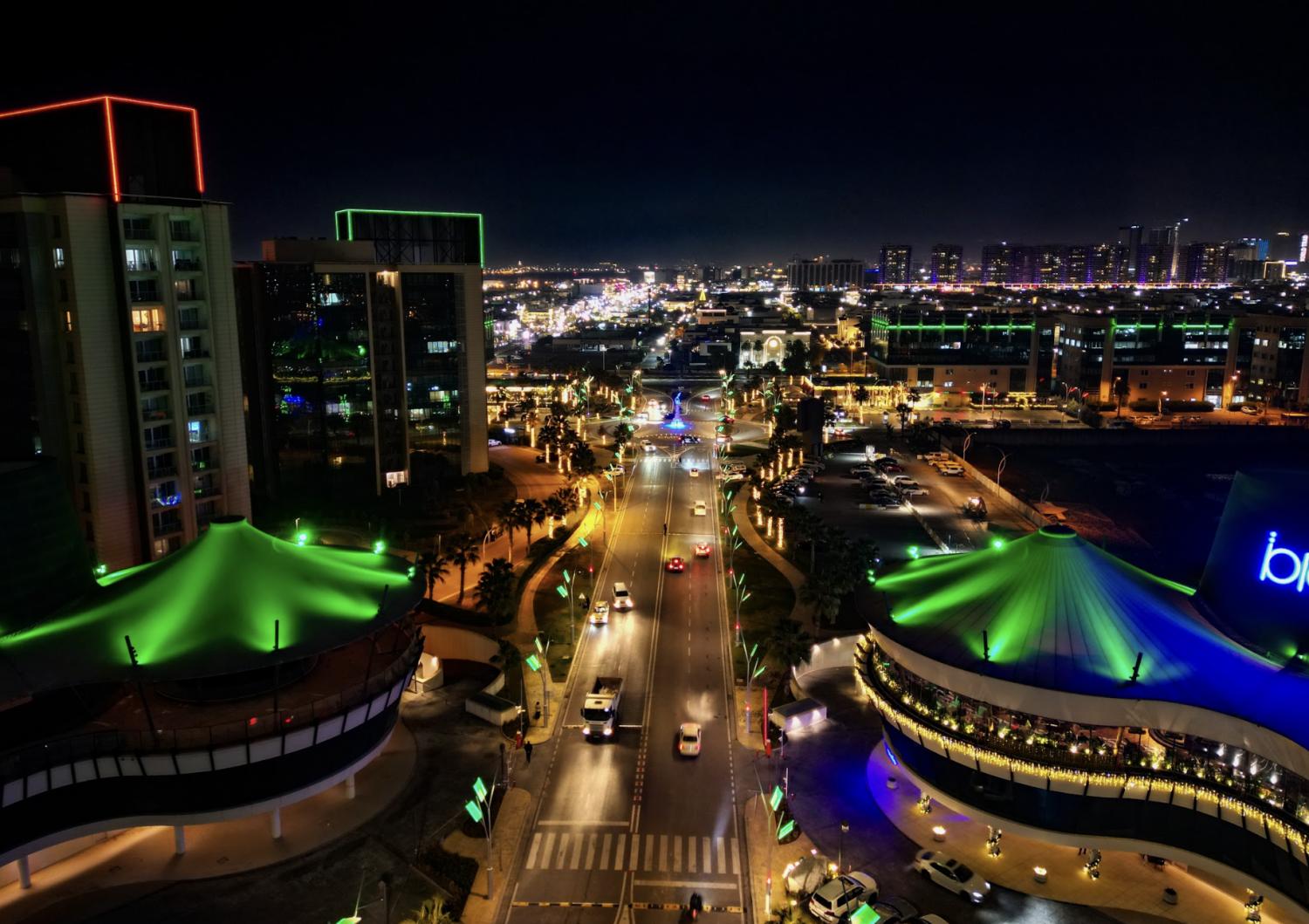
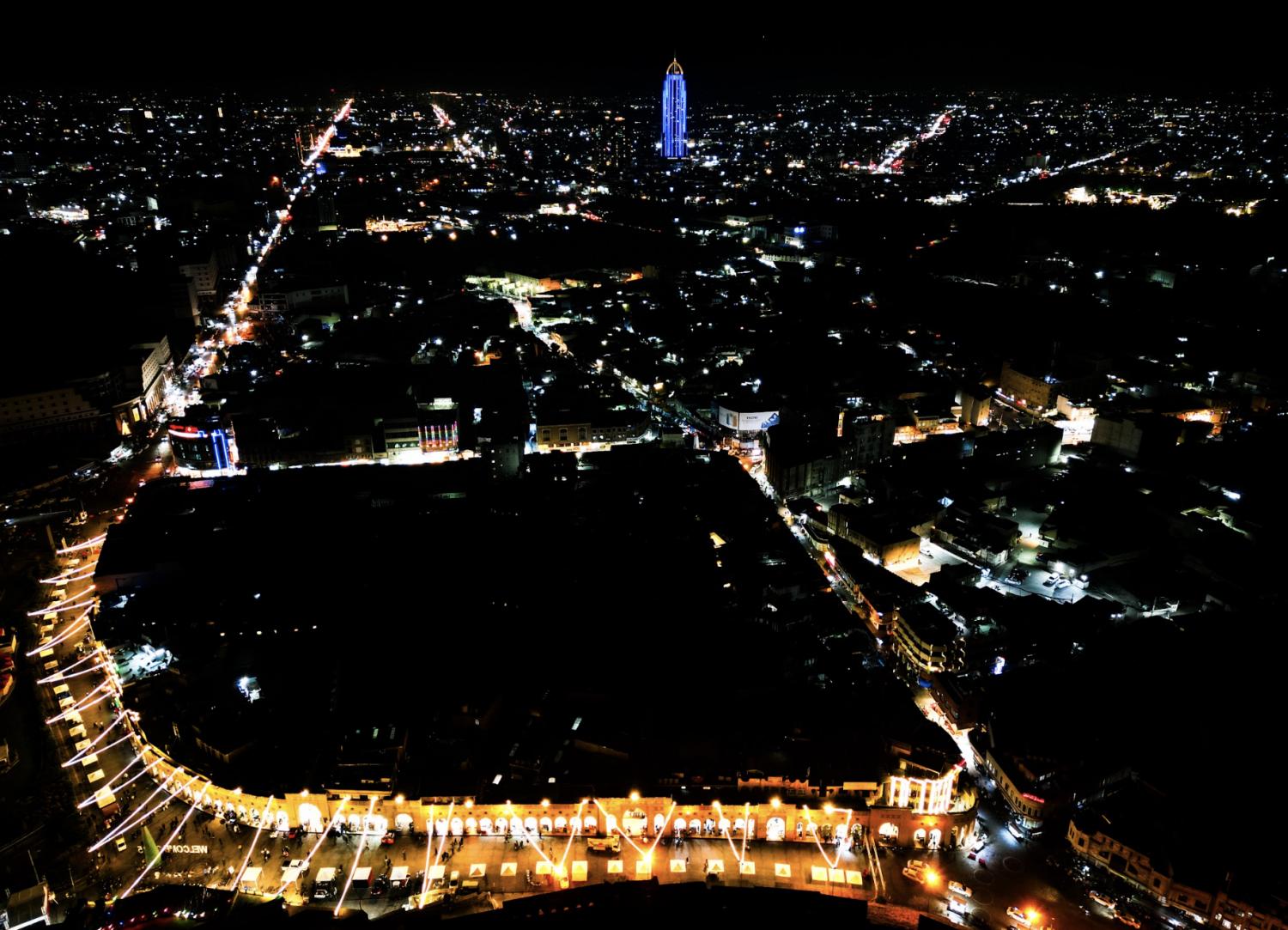
The 24-hour provision of electricity, with payment based on actual energy consumption, is changing daily routines and economic activity. For decades, life in the Kurdistan Region was dictated by the erratic schedules of power cuts and the hum of neighborhood generators. Now, families can plan their days without the anxiety of sudden blackouts, and businesses can operate more efficiently, saving up to 20% on operational costs.
This shift is fostering a culture of energy awareness and responsibility, as households monitor their usage through smart meters and adapt to a system where consumption directly and fairly determines cost.
This is in stark contrast with the previous system, under which most families would incur a hefty monthly charge from neighborhood diesel generators for limited service and had to pay regardless of how much energy they used. In the process, Runaki is contributing to a more reliable power grid and greater awareness of electricity consumption.
Benefits of clean energy
Runaki is also expected to have a notable environmental impact. Before its implementation, neighborhoods relied heavily on thousands of private generators, notorious for both noise and toxic emissions. At present, more than 3,700 neighborhood diesel generators have been phased out, significantly reducing their carbon footprint.
The Runaki Project team emphasized this point, highlighting that this step alone has cut carbon dioxide emissions by 690,000 tons per year, comparable to removing more than 700,000 vehicles from the streets of Kurdistan. Ultimately, the program aims to cut over 1.3 million tons of carbon dioxide emissions annually by the end of 2026.
Environmental benefits include:
Arresting the emission of harmful gases like carbon dioxide and sulfur dioxide
Significantly reducing noise pollution from the use of generators, which were previously twice as loud
Preventing the leakage of wastewater and used oil into the soil
What citizens are saying
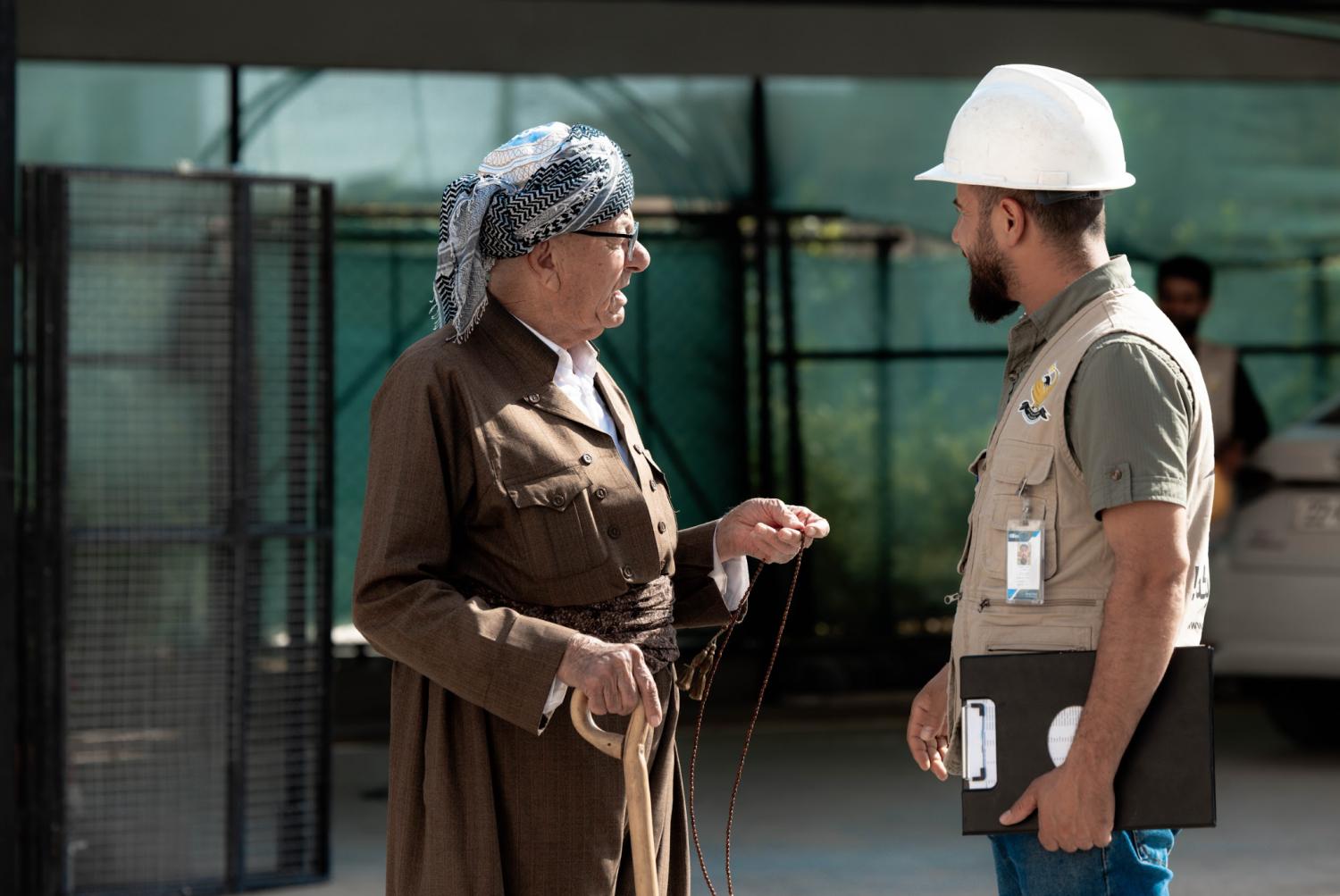
Halima Rahman, an Erbil resident, shared her experience with the program: “Our household has had 24-hour electricity for two months now. I never believed I would see the day without electricity problems. Now, I can wash clothes or dishes even at midnight, something that was impossible before.”
Kamran Abdullah, a barber and trader in Erbil, added, “The Runaki Project has changed our quality of life. I only pay one electricity bill now, and it’s much cheaper. This has a direct positive impact on my business and income. We have to congratulate the KRG for this achievement.”
Pricing and digital innovation
A critical part of the program’s success lies in making electricity affordable and transparent for everyone. Based on data obtained from Runaki, around 80% of citizens in Kurdistan – particularly low-income households – now pay less than they did for the national grid and neighborhood diesel generators combined.
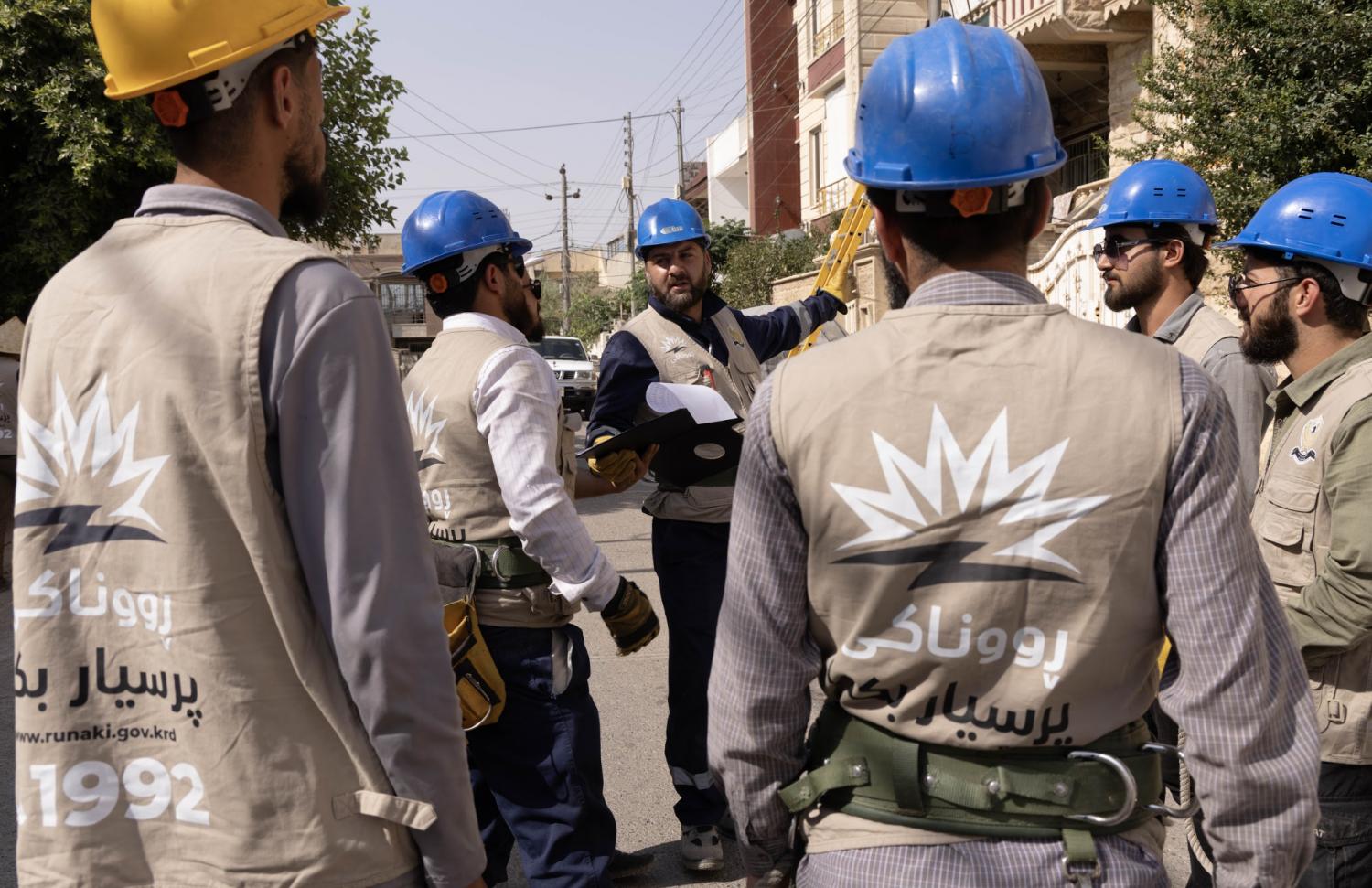
To empower citizens to understand their electricity usage and bills, Runaki has started installing smart meters, free of charge, that accurately measure household appliance consumption. This allows users to track usage through messages from Runaki or by dialing *1992#, based on smart meter data.
To use the smart meter service, citizens and businesses first need to be part of Runaki and register their property through the Runaki website (www.runaki.gov.krd), where they can also estimate how much electricity their appliances consume and calculate their expected bill.
Additional benefits include:
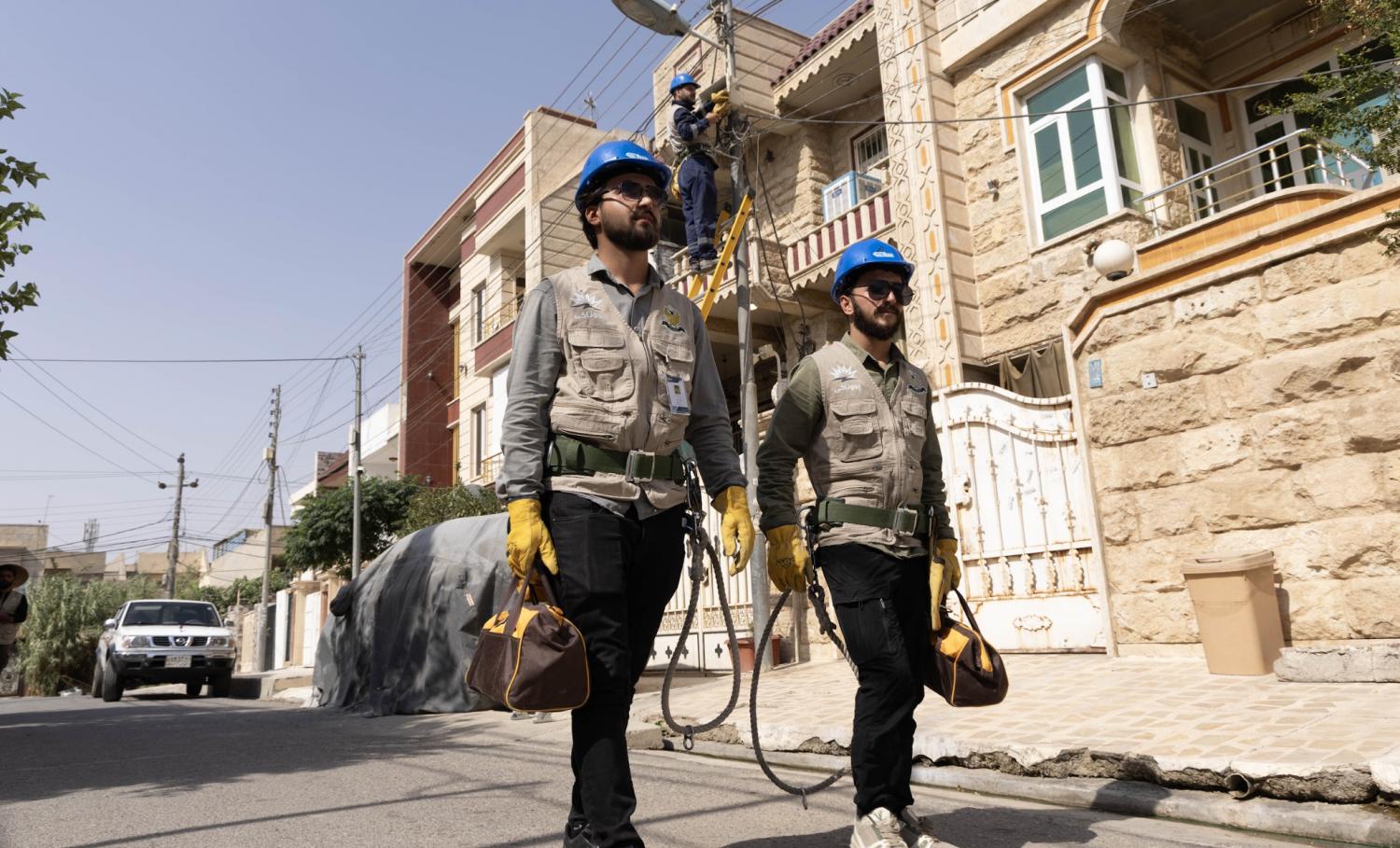
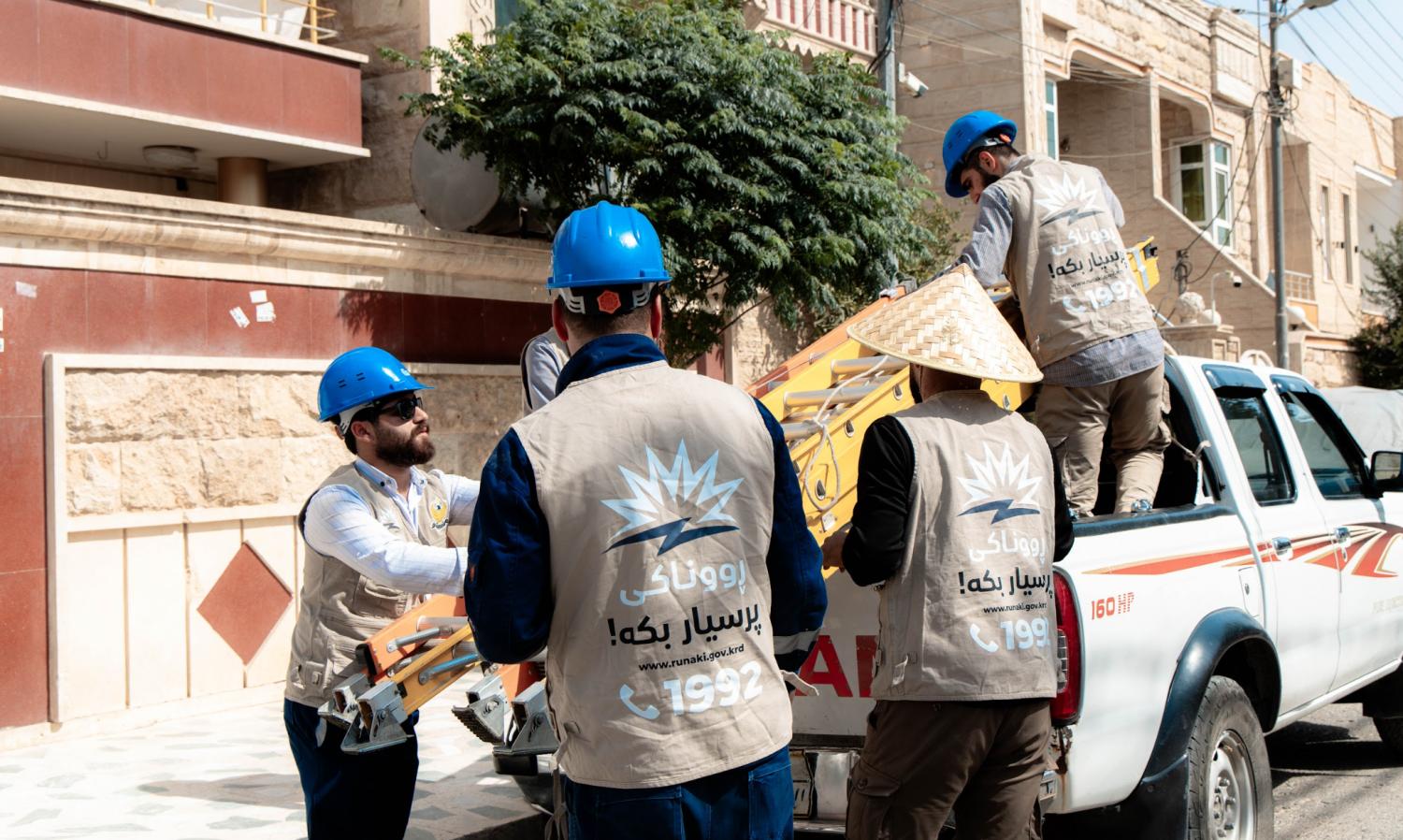
Repair and upgrade of the electricity infrastructure across neighborhoods
Removal of limits on usage, previously capped at 20 to 40 amps, with only technical caps of the meters to remain (the cap of how much energy can go through a smart meter)
Regular notifications of electricity consumption and bills sent through WhatsApp, Viber, or SMS
Runaki participants can also dial the code *1992# at any time to be updated on their bills and consumption
A future powered by solar energy
KRG Minister of Electricity Kamal Mohammed Salih confirmed that solar power is a key pillar of Kurdistan’s energy future. The government encourages households to install solar systems connected to the national grid, allowing them to feed surplus electricity back into the grid and lower their bills further.
The ministry has set up specialized solar energy departments across all provinces to guide and assist citizens interested in this green transition. Through it, they can also share their solar energy, returning it to the government in exchange for credits that reduce future consumption costs. This turns them into active participants in this energy revolution initiated by KRG Prime Minister Masrour Barzani.
The digital revolution in electricity services
To further improve convenience, the electricity sales departments in Erbil and Sulaymaniyah have already fully digitized their services, eliminating bureaucratic hurdles for citizens and businesses alike. The digital service is part of a unified system that will also soon be implemented in other sales departments across Kurdistan. Minister Salih stated that the program will expand rapidly and has already benefited tens of thousands of users.
Runaki is thus more than an infrastructure upgrade; it is a transformation of daily life, health, the economy, and the environment. By the end of 2026, the entire Kurdistan Region will have continuous, more affordable, and cleaner electricity, something that was long unavailable.
Prime Minister Barzani’s vision, supported by dedicated teams and ministries, has turned this into reality. As the world confronts climate challenges, Kurdistan’s Runaki Project represents a notable step toward environmental responsibility and improved quality of life.
A journalist and photographer with 13 years of experience. He is a member of IFJ Global.