Toyota’s Duhok hub and JICA-backed utilities mark a shift from relief to long-term development, says Ambassador Akira Endo
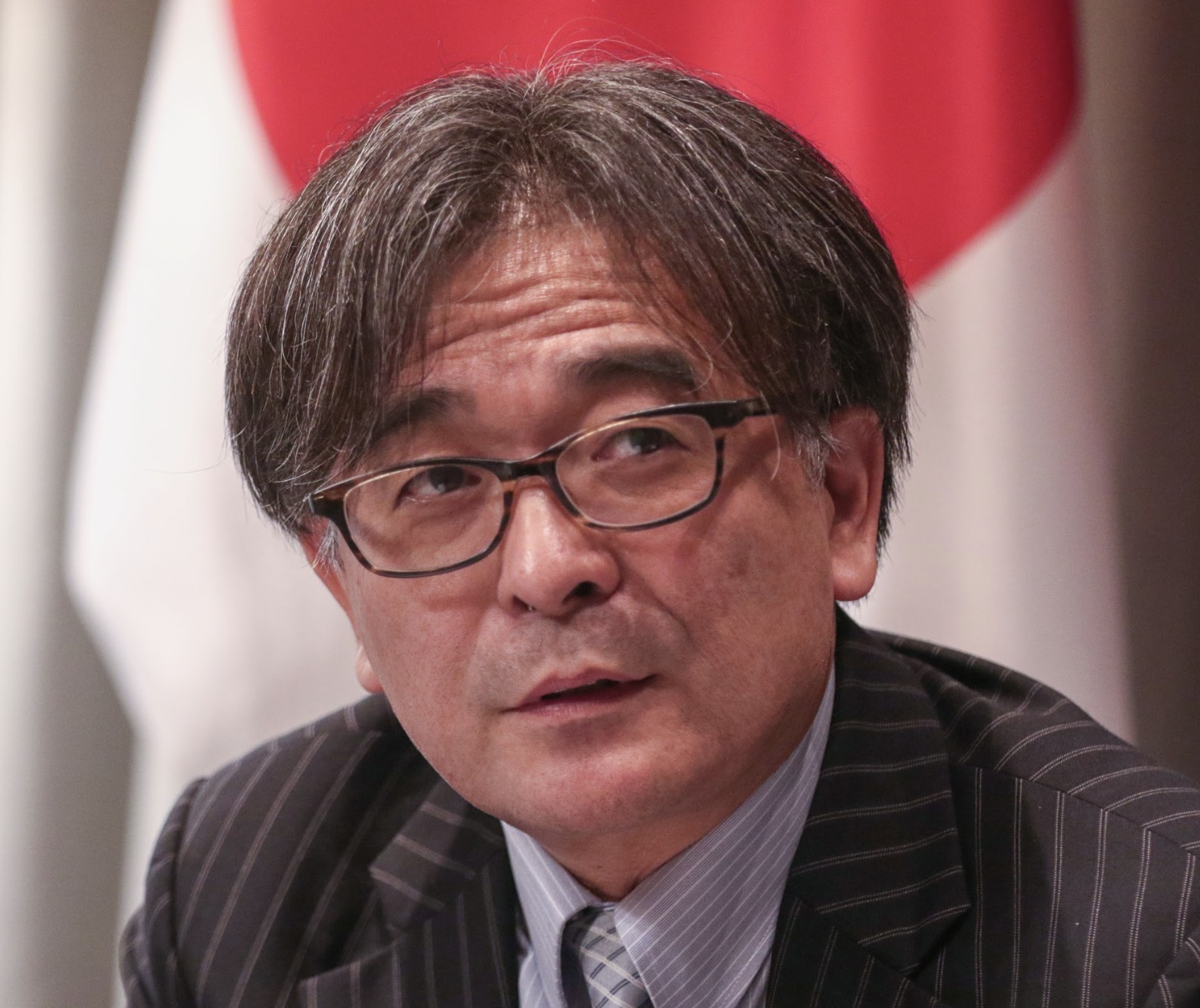
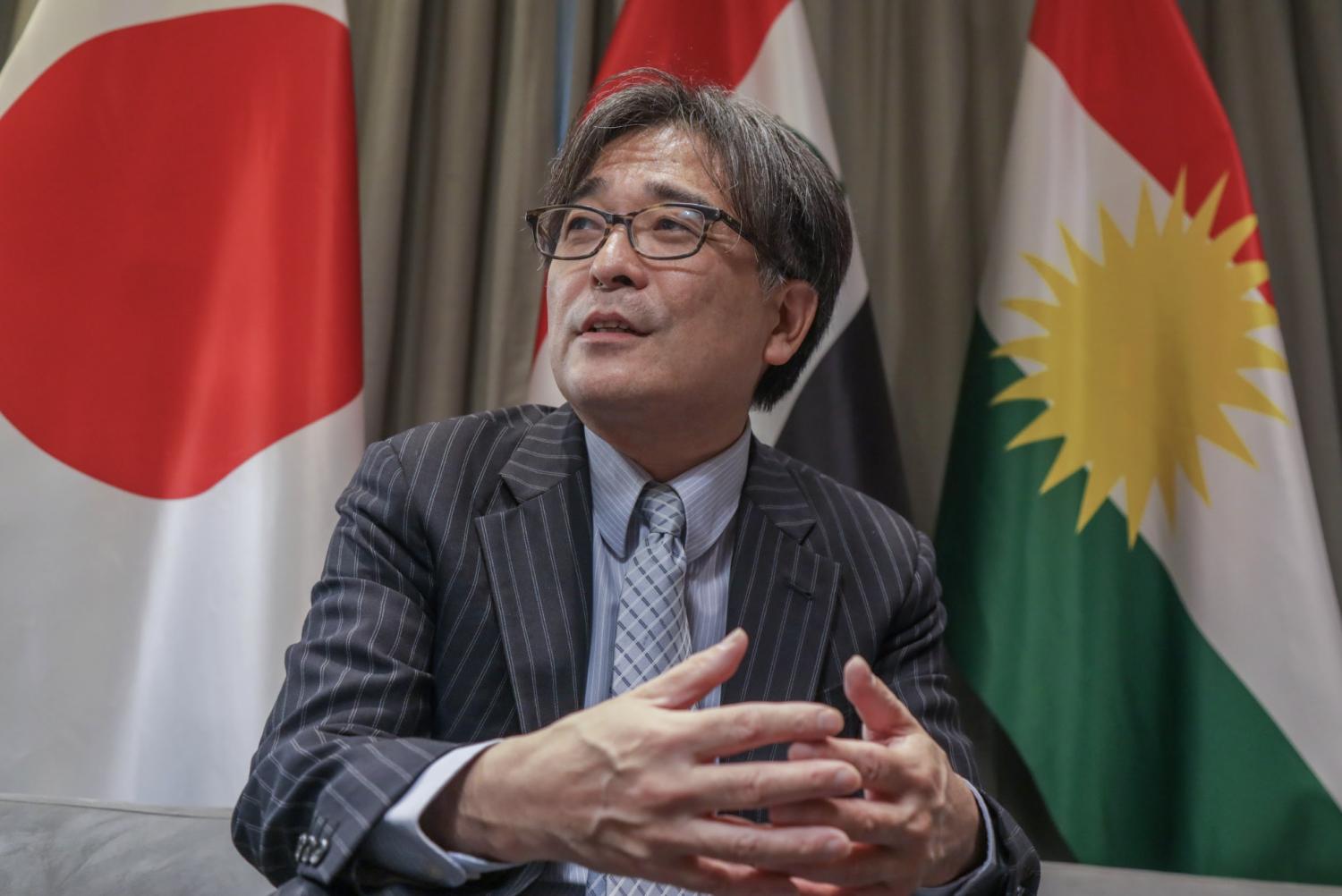
Japan’s relationship with the Kurdistan Region is evolving from post-conflict relief to growth-oriented development anchored in private investment and major public-works lending, Japan’s ambassador to Iraq, Akira Endo, told Kurdistan Chronicle.
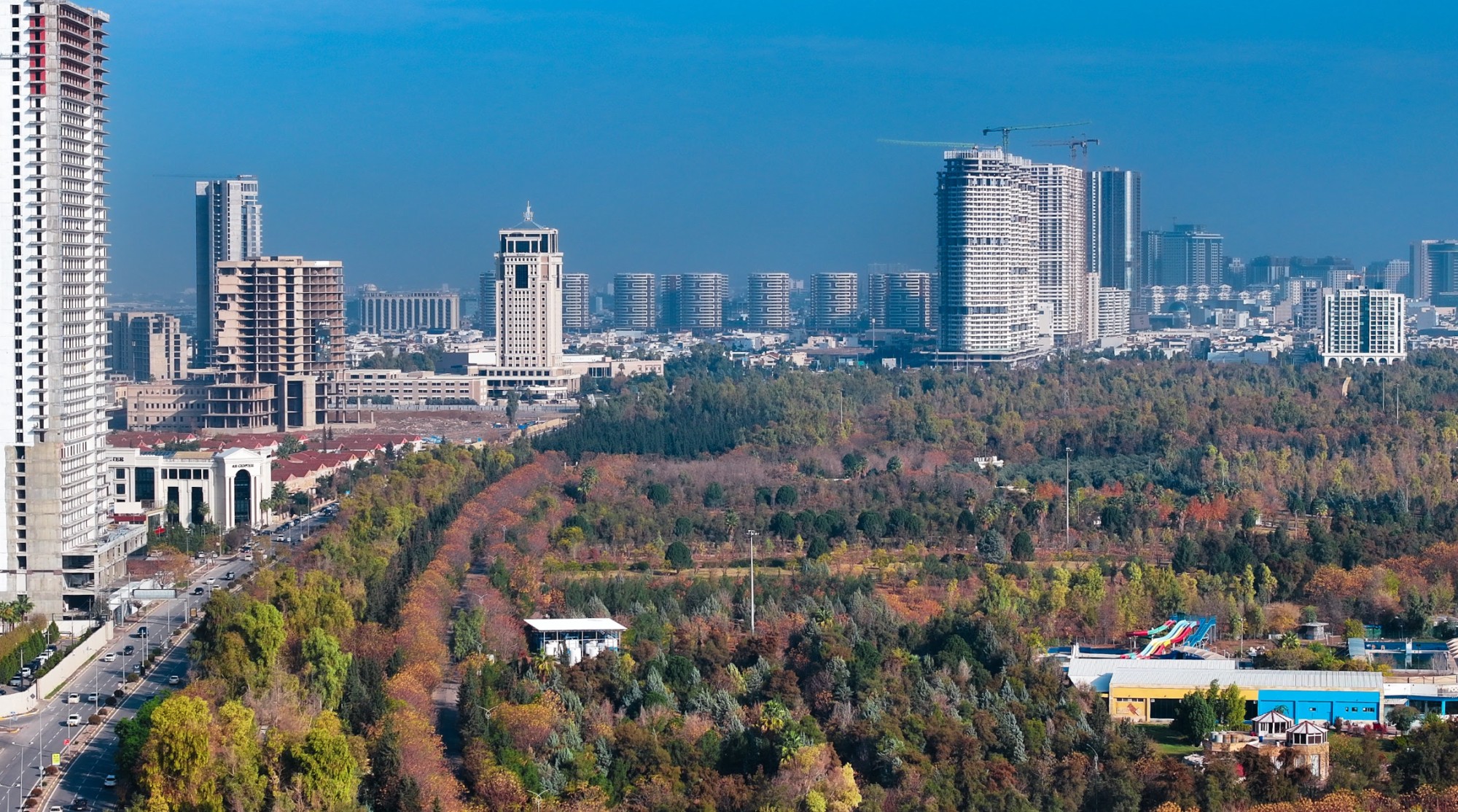
“The relationship is excellent,” Endo said, noting more than two decades of cooperation that now centers on building an economy for a youthful society. “Our focus in 2025 is economic development. Kurdistan’s future rests with its young people, and infrastructure is the foundation.” He added that the transformation since his earlier postings is striking: “You see new high-rises, and when I walk in Erbil city, I feel no security concerns at all.”
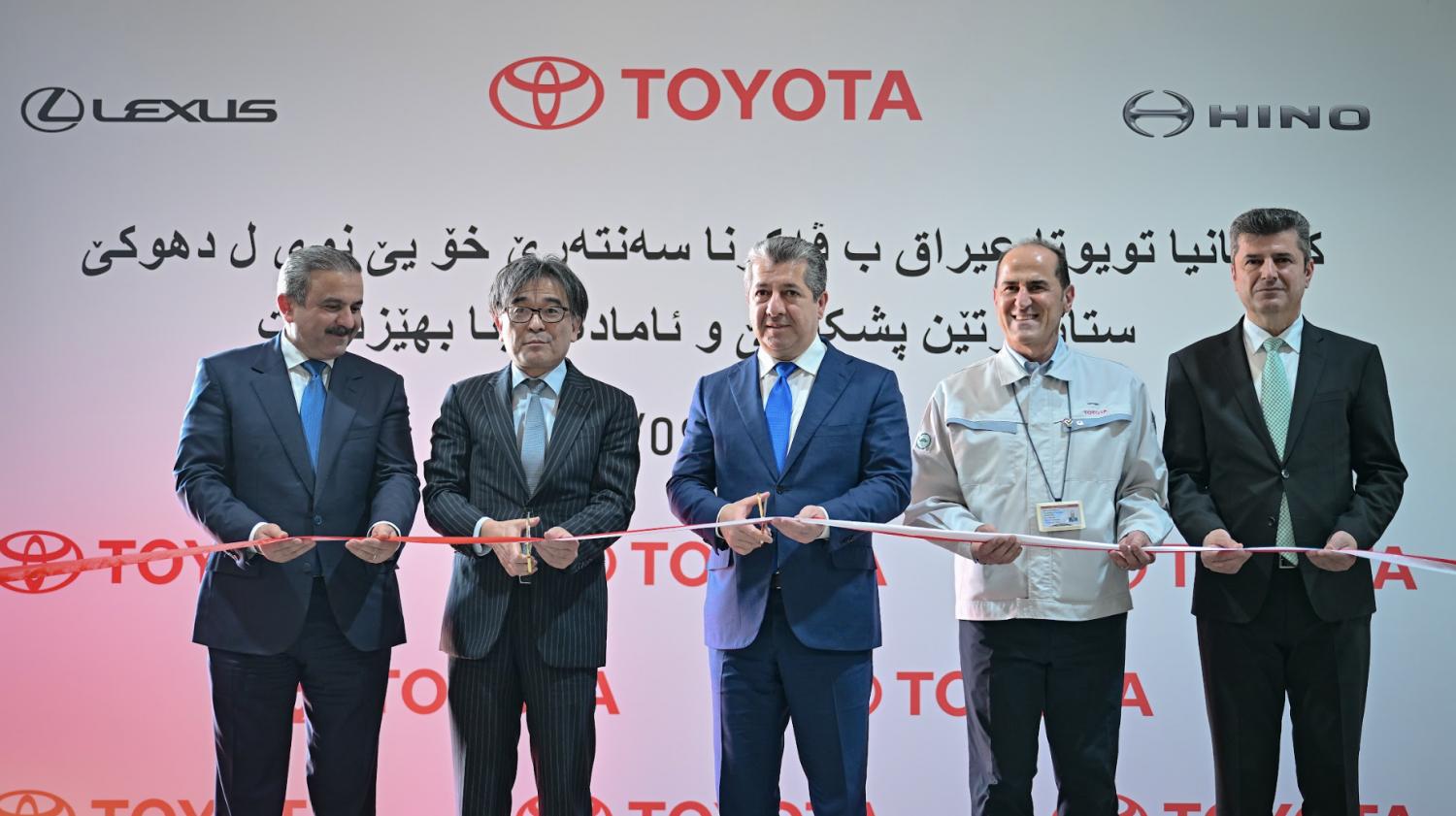
Toyota bets on Duhok
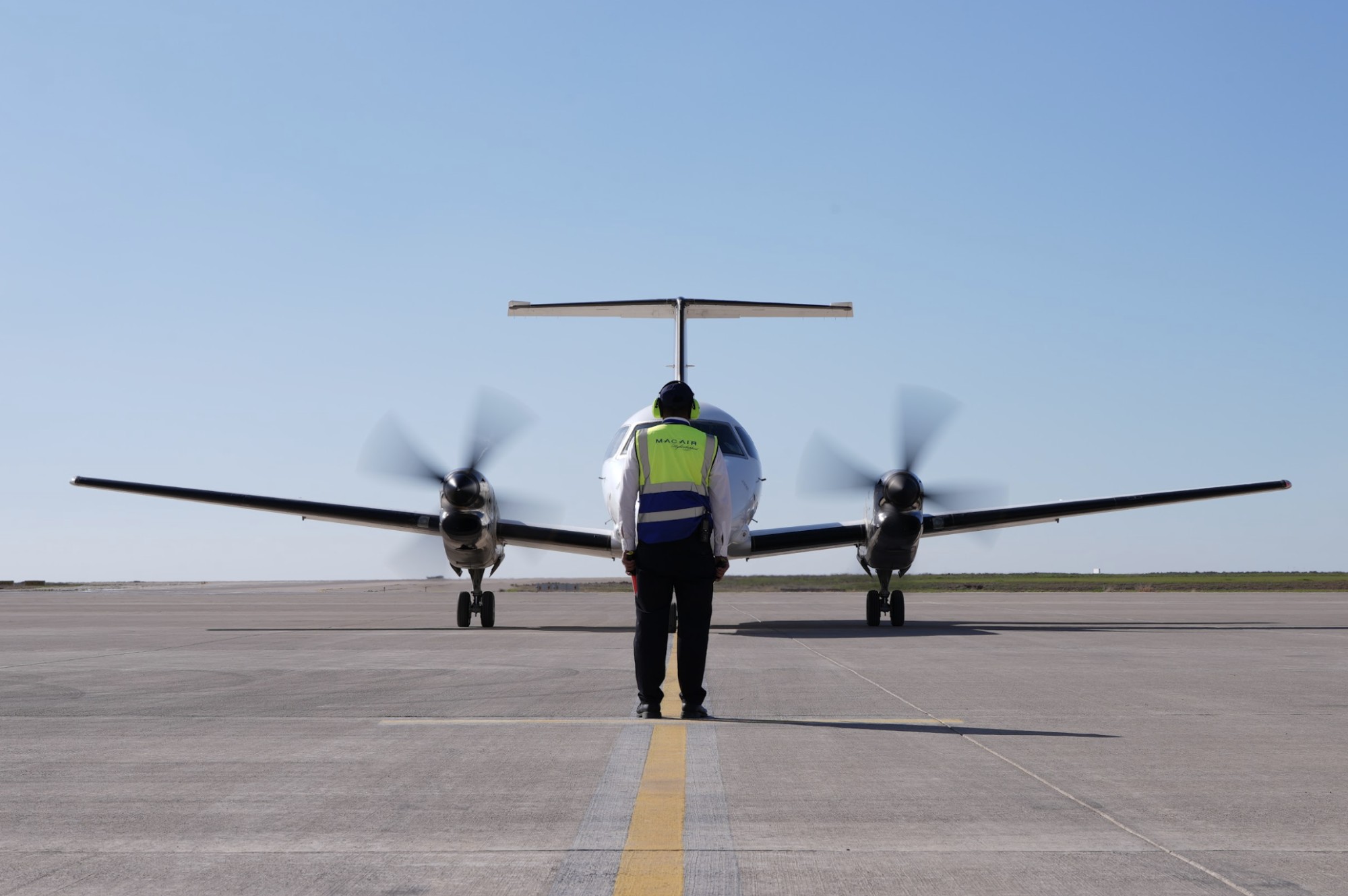
Toyota Iraq has opened its largest pre-delivery inspection (PDI) center in Duhok, alongside a new site in Baghdad, expanding the network to five nationwide. The Duhok hub can process 10,000–15,000 vehicles a year—receiving imported cars, conducting quality checks and minor fixes, and dispatching them to dealers across Iraq.
“This is the biggest pre-delivery inspection center in Iraq,” Endo said. “The location is strategically important, right by the Turkish border. For companies like Toyota, that is one of the main supply routes.”
Kurdistan Regional Government (KRG) Prime Minister Masrour Barzani presided over the opening in the presence of Endo, emphasizing that the facility will make Duhok the inspection and distribution hub for Toyota vehicles entering Iraq. “I am pleased to see a country like Japan place such trust in the Kurdistan Region by choosing one of its cities as the point of entry for all Japanese cars into Iraq,” Barzani said.
Rising demand is part of the calculus. “People here often tell me: Toyota is number one,” Endo said. “There is strong confidence in Japanese quality.” He stressed that the project is as much about skills transfer as throughput: “Workers will learn the Japanese method of inspection, maintenance, and customer service. That know-how will benefit Kurdistan and Iraq for years.”
Work culture travels with the investment, he added. “In Duhok I saw Kurdish teams working like teams in Japanese factories—disciplined and very diligent.” Sumitomo Corporation is working closely with Toyota Iraq on the private-sector side of the partnership.
Yen loans for core infrastructure
Private investment is only part of Japan’s push. On the public side, yen-denominated loans continue to underwrite major projects in the Kurdistan Region.
Recent examples include the Deralok hydropower plant, completed in 2022 at a cost of $186 million, and Phase 1 of an eight-phase overhaul of Erbil’s wastewater network, budgeted at $288 million. The wastewater plan aims to protect groundwater by treating sewage, reusing part of the output for agriculture, and safely releasing the rest into the river.
Phase 1, expected to take about five years, is led by ITOCHU Corporation in partnership with Turkish contractors and Kurdish engineers. A second financing package of similar scale is under discussion.
For Endo, the strength of the model is its discipline. “It is needs-driven, phased, and backed by a track record of completion, with rigorous oversight and top-tier implementers,” he said. “We always take into account local needs and work closely with both the federal government and the KRG to deliver on time and to standard.”
Infrastructure, he argued, is also a climate strategy. “You can’t meet climate targets in one leap,” Endo said. “Step by step—through projects that recycle water and improve urban systems—we can build something durable together.” He framed the wastewater overhaul as both a public-health upgrade and a resilience measure for a fast-growing city.
A museum with modern standards
Japan has also committed $760,000 to upgrade the Sulaymaniyah Museum, focusing on conservation and visitor experience. The package includes professional display cases, large video monitors for interpretation, air-cleaning systems, and water purifiers to protect delicate artifacts. Several Japanese archaeological teams are advising on exhibition practices.
“It’s not a huge project, but it improves quality—how items are conserved and presented,” Endo said. He visited the museum after the agreement was signed and hopes to return when the equipment is installed.
A pragmatic partnership
From a Toyota logistics and skills hub in Duhok to a modernized Sulaymaniyah Museum and multi-year utilities that will serve millions, Endo sees Japan’s support spanning industry, infrastructure, and institutions. “With the right projects and the right skills, our partnership can keep raising living standards—practically, steadily, and with respect for quality,” he said.
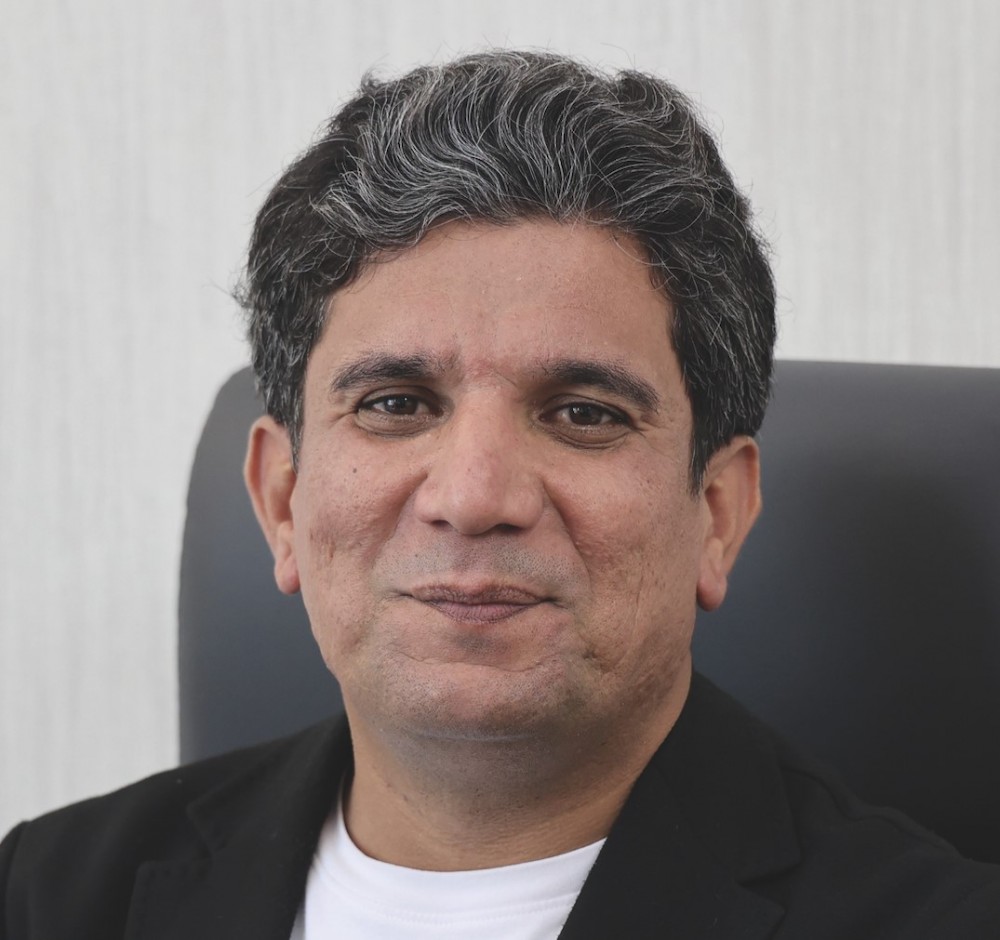
A Kurdish journalist with 15 years of experience in media development in Iraq. He has contributed to both local and international media outlets.