The Kurdistan Regional Government (KRG) has participated in the World Economic Forum (WEF) for many years. Under the visionary leadership of Prime Minister Masrour Barzani, however, the KRG’s engagement has evolved into a more structured, ambitious, and impactful presence. As the world’s foremost economic forum, WEF demands a level of representation that reflects both institutional seriousness and strategic intent. The KRG’s participation has increasingly risen to meet that standard.
Prime Minister Barzani has altered the approach by directly engaging leading Kurdish investors, which has significantly increased our impact and created new pathways for cooperation. Additionally, we have established the Kurdistan House, modeled after other nations’ national houses, to champion and support the Kurdistan economy. Above all, this center enables Kurdish businessmen to connect with global leaders and secure key contracts.
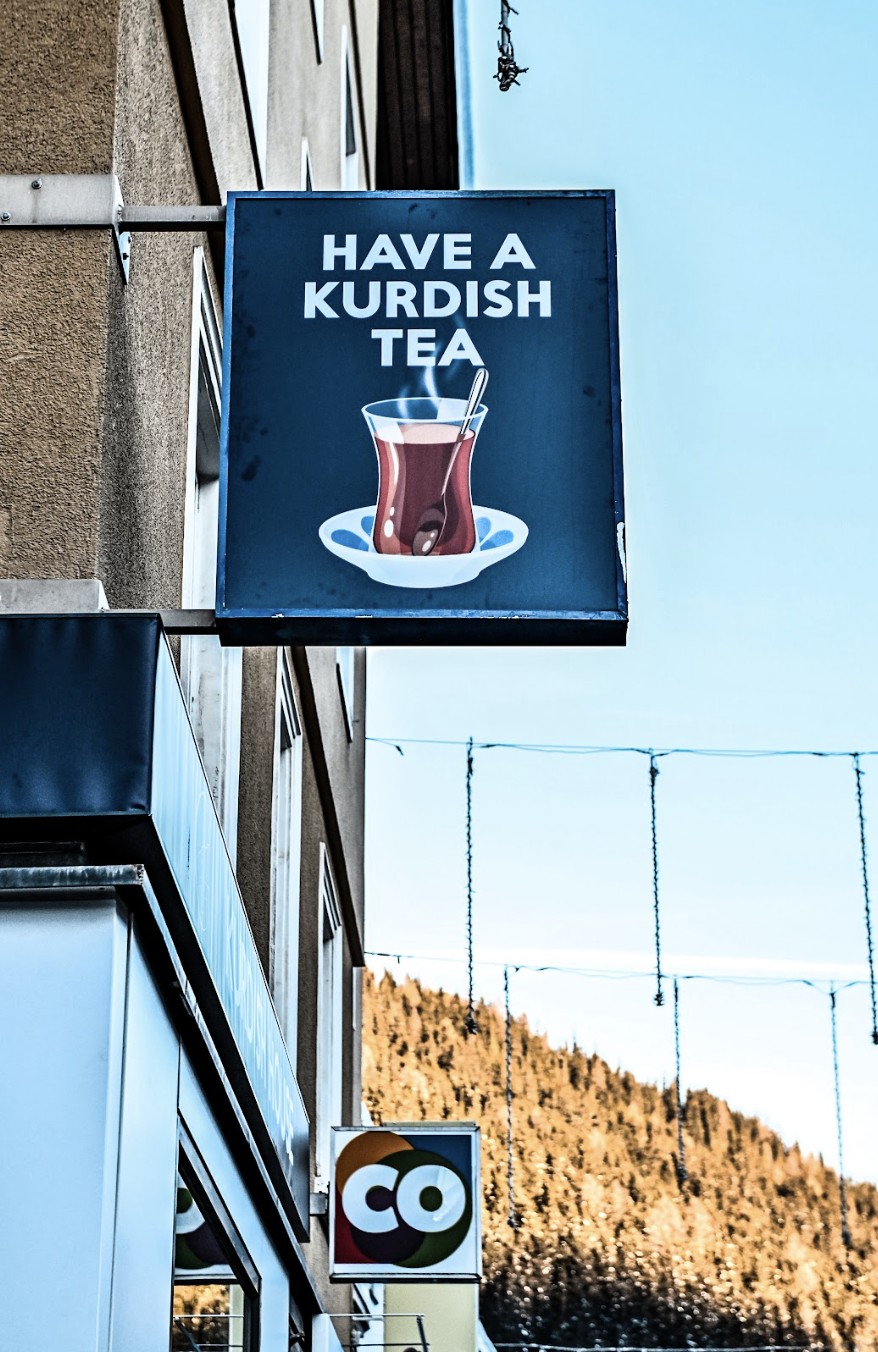
Notably, Kurdistan House is the sole official representation from Iraq at the WEF, underscoring the Kurdistan Region’s distinctive status and its commitment to advancing economic growth for both Kurdistan and Iraq. As one approaches the congress hall, many national houses will be visible, but one invariably stands out – the Kurdistan House. It is here that politicians, businessmen, and visitors convene to explore business prospects and enjoy a warm cup of Kurdish tea amid the snowy days.
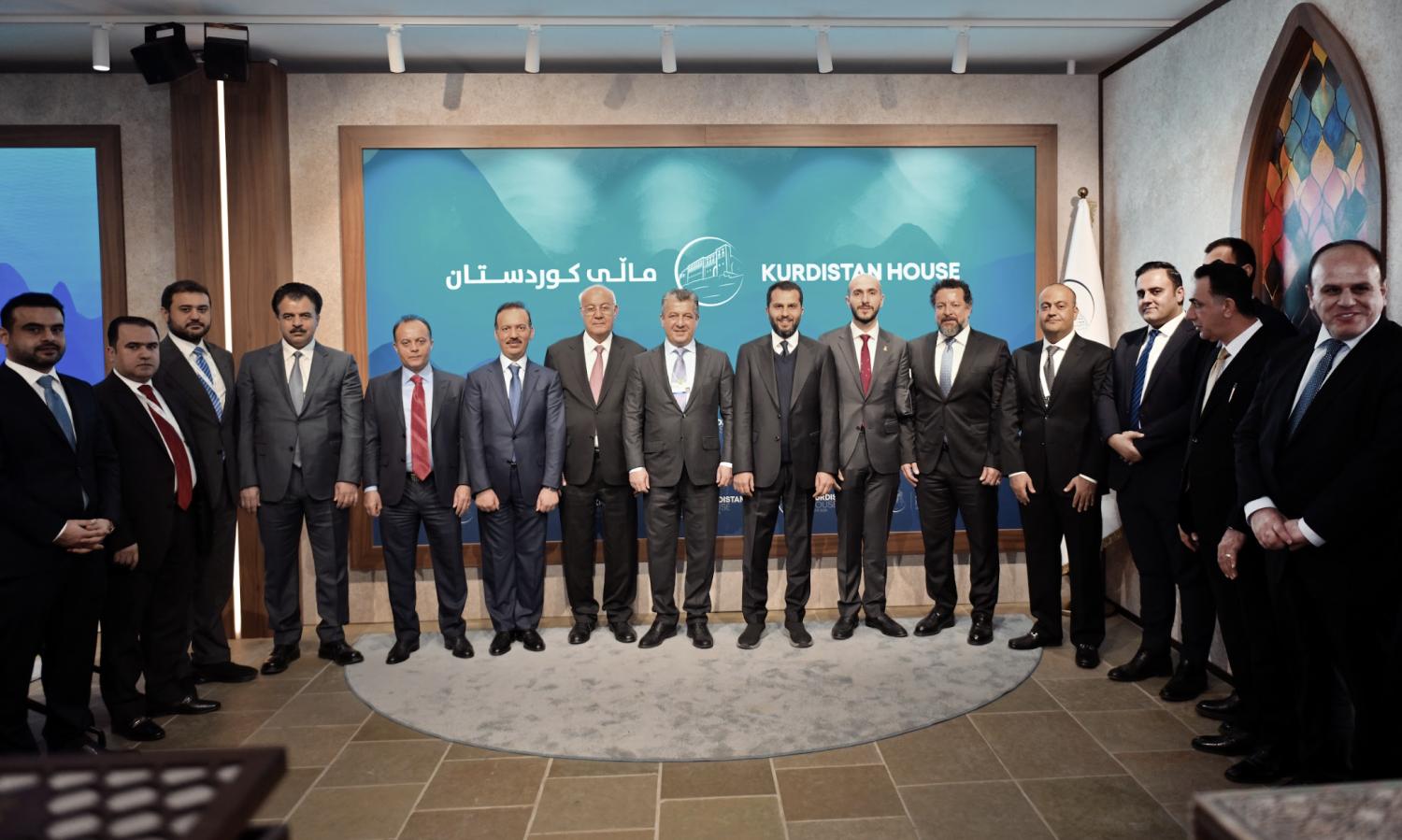
In the broader context of the Kurdistan Region’s international engagement, Kurdistan House Davos 2026 represents the product of a sustained strategic vision articulated by Prime Minister Masrour Barzani. It reflects a conscious effort to reposition Kurdistan on the world stage through structure, consistency, and institutional confidence. This repositioning is rooted in the understanding that international credibility is built through performance at home and coherence abroad. For the Kurdistan Region, engagement with the world has increasingly become an extension of governance itself, shaped by policy priorities rather than symbolic representation.
Since assuming office in June 2019, Prime Minister Barzani has pursued a comprehensive governance agenda rooted in stability, reform, and economic transformation. Under his leadership, the Ninth Cabinet advanced digital governance, expanded public services, improved infrastructure, and strengthened the region’s underlying economic fundamentals. These reforms produced tangible outcomes in financial inclusion, agriculture, sustainability, tourism, and service delivery, strengthening the foundations upon which credible international engagement could rest.
This internal reform agenda was always intended to support an outward-facing posture. Prime Minister Barzani has consistently emphasized that Kurdistan’s international presence must be grounded in substance. Reputation, in his view, is earned through delivery rather than declaration. As institutions strengthened internally, the region became better positioned to engage externally with confidence and clarity in global forums such as Davos.
Kurdistan House directly addressed the limitations of earlier approaches to international participation. Previously, engagement often consisted of brief encounters, limited access to decision-makers, and fragmented meetings with little continuity beyond the WEF itself. By establishing a dedicated and organized platform, Kurdish policymakers and business leaders gained the ability to schedule meetings in advance, host discussions in a controlled setting, and pursue follow-up well beyond Davos. This shift from incidental access to structured engagement materially improved the seriousness and depth of discussions.
For Kurdish companies, the impact was equally clear. Kurdistan House transformed their role in Davos from observers to counterparties. Business leaders were able to move beyond introductions toward structured negotiations, with several engagements continuing through site visits, technical exchanges, and ongoing coordination with relevant KRG institutions. In this way, Kurdistan House served not as an endpoint, but as an entry point for longer-term economic cooperation.
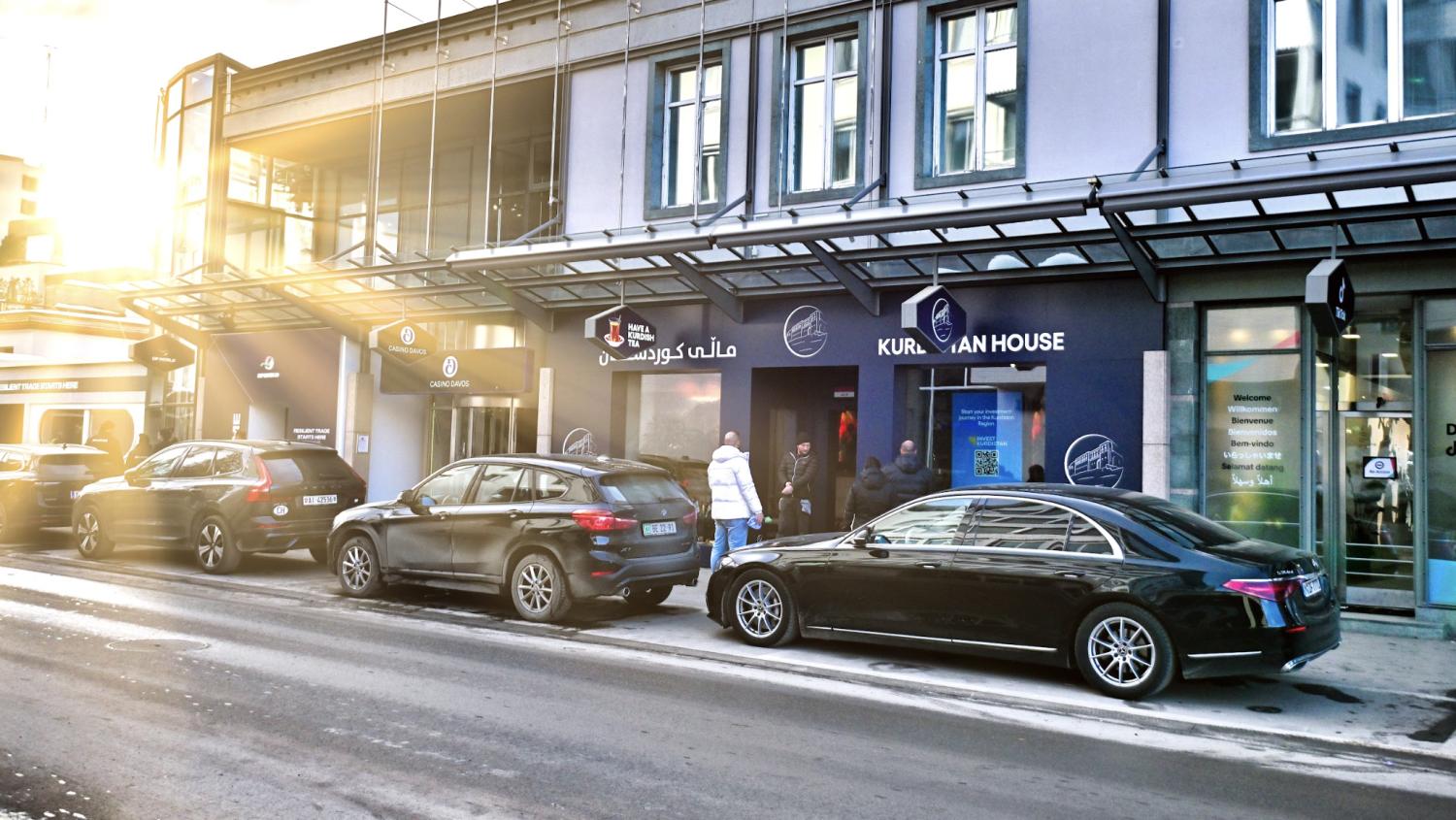
From the outset, Prime Minister Masrour Barzani’s vision was clear: Kurdish participation in Davos needed to evolve from presence to influence, from attendance to leadership in economic dialogue, investment forums, and diplomatic conversations. Kurdistan House represents the practical expression of that shift.
This transformation mirrors a broader reorientation of Kurdistan’s external engagement. The region no longer waits to be invited into conversations that affect its future. Instead, it creates the conditions for meaningful exchange. Kurdistan House has increasingly been used by international delegations as a point of entry for continued dialogue with the KRG, reinforcing Kurdistan’s position as a reliable and accessible interlocutor.
As the platform has matured, so too has its function. Now entering its third successive year, Kurdistan House operates with more disciplined programming, stronger private-sector participation, and a clearer emphasis on continuity and follow-up. Davos is no longer treated as a standalone moment, but as part of a year-round engagement process aligned with policy direction and institutional coordination.
As we look at Kurdistan House Davos 2026, we see more than a pavilion. We see the culmination of a vision that values partnership over insularity, opportunity over hesitation, and voice over silence.
This is not just Kurdistan’s presence at Davos. It is Kurdistan’s elevation as a credible and essential participant in the world’s economic future.
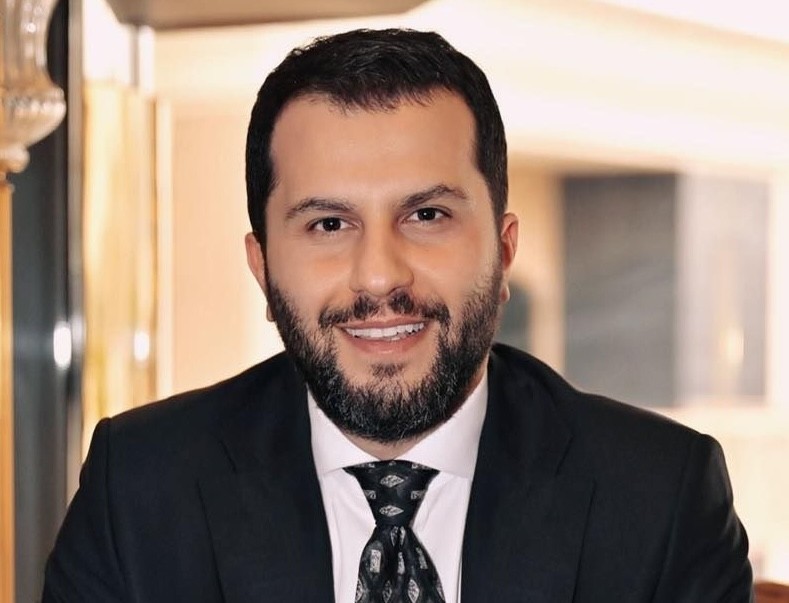
Senior Advisor to the Prime Minister of the Kurdistan Region & Head of the Prime Minister’s Office of Initiatives and Communications (OIC).