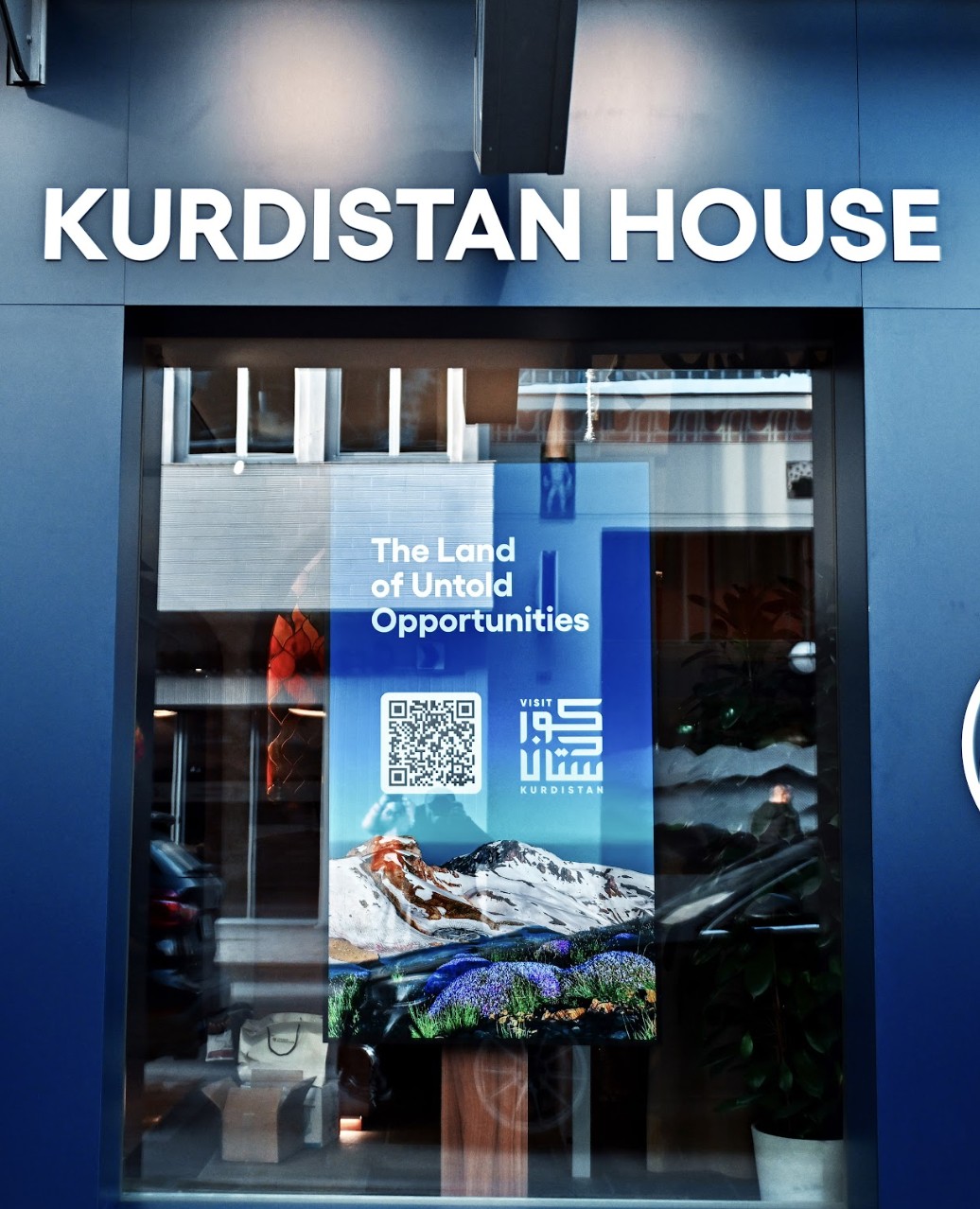
Kurdistan House was established by the Kurdistan Regional Government (KRG) Prime Minister’s Office of Initiatives and Communications (OIC), in coordination with the KRG Board of Investment, to participate in the World Economic Forum (WEF) in Davos. This year, Kurdistan House will add another year to its experience at Davos, marking its third consecutive participation.
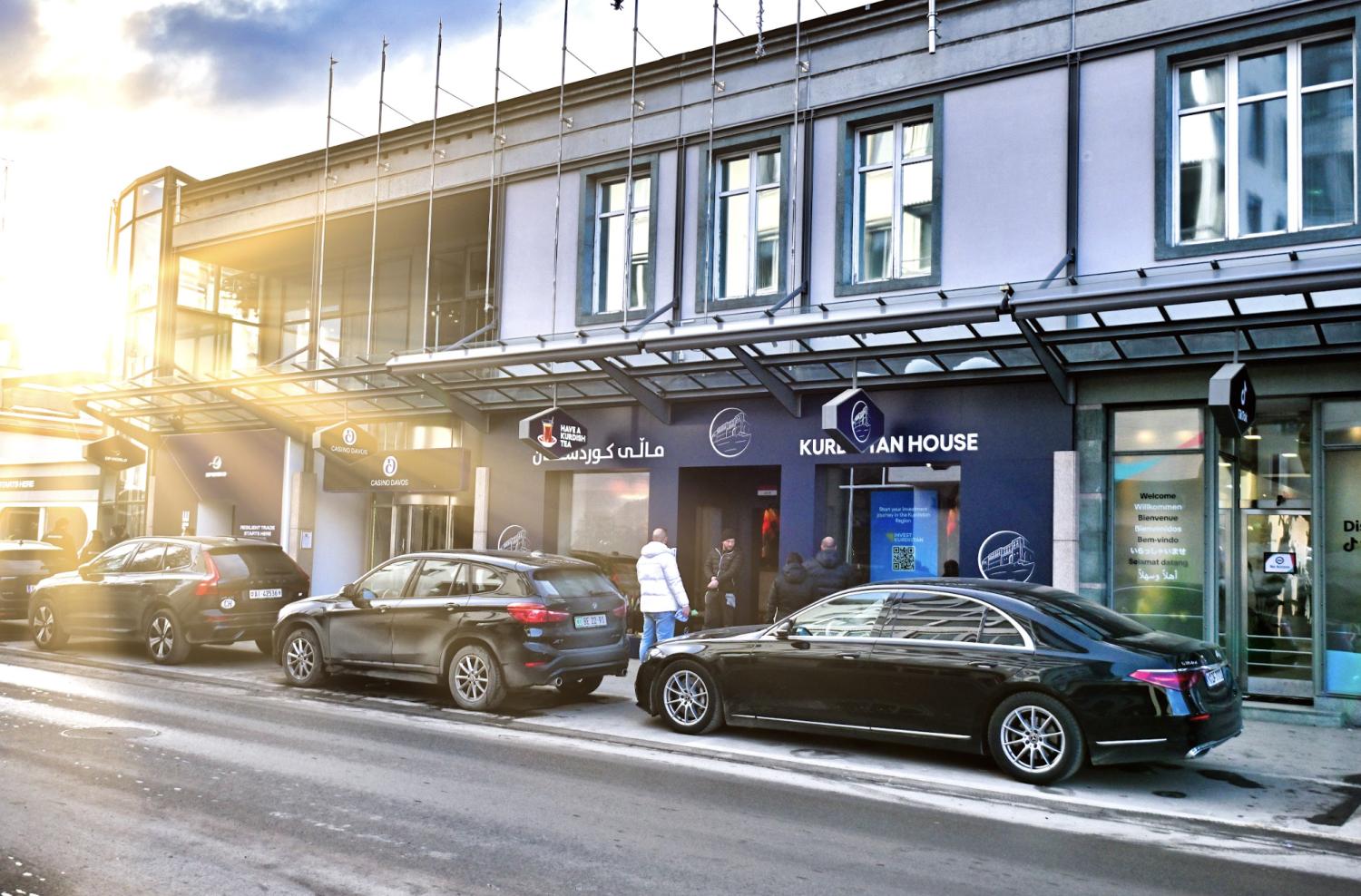
Global delegations on Promenade Street
Annually, the World Economic Forum in Davos brings together approximately 3,000 leaders, investors, and influential figures from 130 countries to discuss pressing global issues. Recent forums have focused on themes such as artificial intelligence (AI) and climate change, alongside broader political, economic, and humanitarian challenges affecting states and societies worldwide.
During the forum, governments and multinational corporations rent houses and storefronts along Davos’s Promenade Street, transforming the area into a global hub for diplomacy, business negotiations, lobbying, and media engagement. For four to five days, this normally quiet street becomes a center of political influence, economic dialogue, cultural exchange, and international networking, marked by heavy foot traffic and high-level delegations.
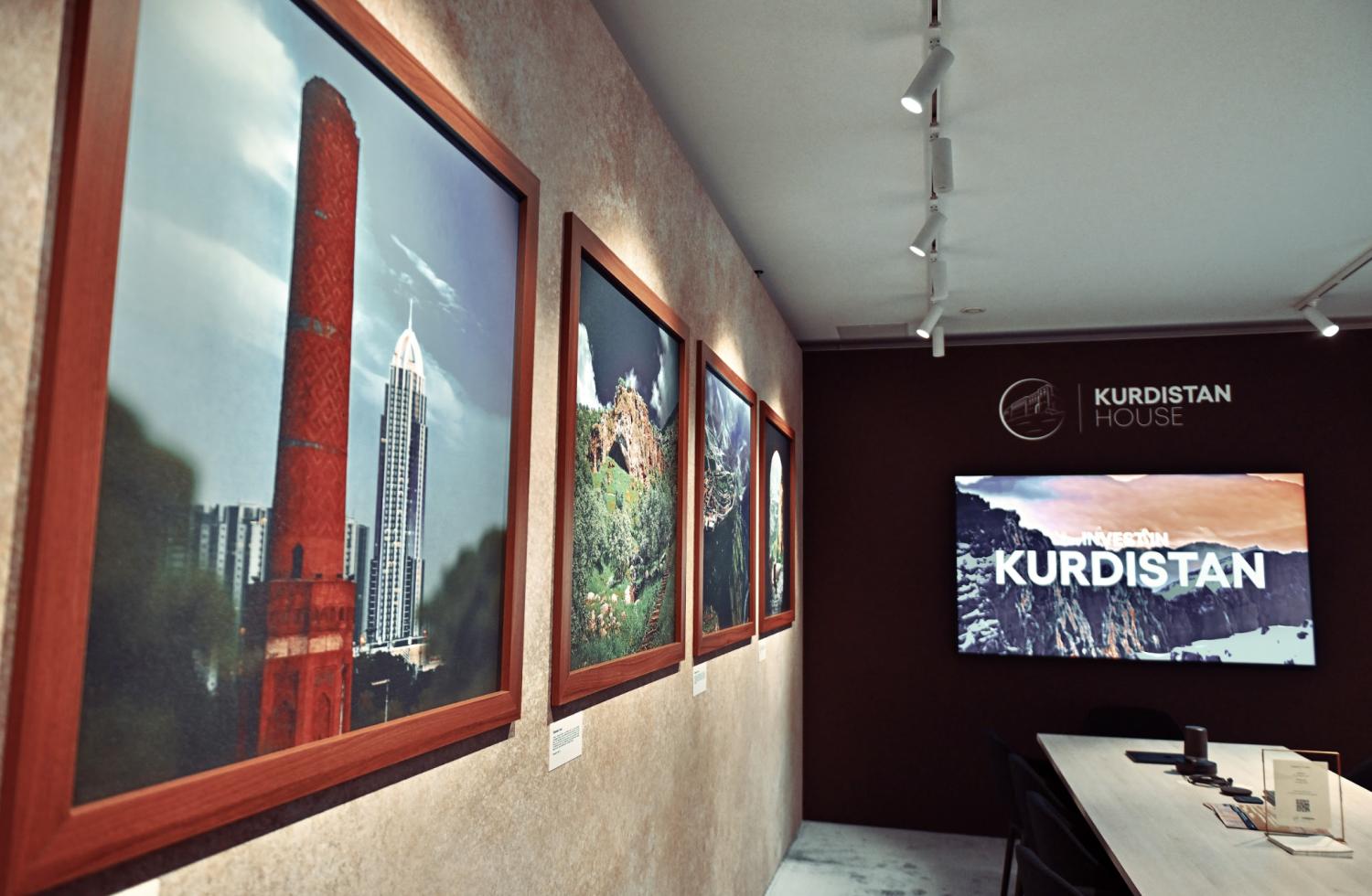
Promenade Street contains around 250 buildings, most of which are rented and redesigned to reflect the identity and objectives of the occupying country or corporation. In 2024, India alone operated seven houses, a number that was later regulated in 2025, limiting each state to a maximum of two houses to ensure broader participation. India consistently sends one of the largest delegations to Davos, often including ministers, state leaders, and dozens of business representatives. In previous forums, Indian companies reportedly signed investment agreements worth over $200 billion.
Similarly, Saudi Arabia opened its own house to promote discussions around economic and social transformation, highlighting Vision 2030 and involving multiple government sectors such as healthcare, logistics, communications, tourism, investment, and artificial intelligence. The Kingdom has also announced plans to host a similar international economic forum in Riyadh in 2026.
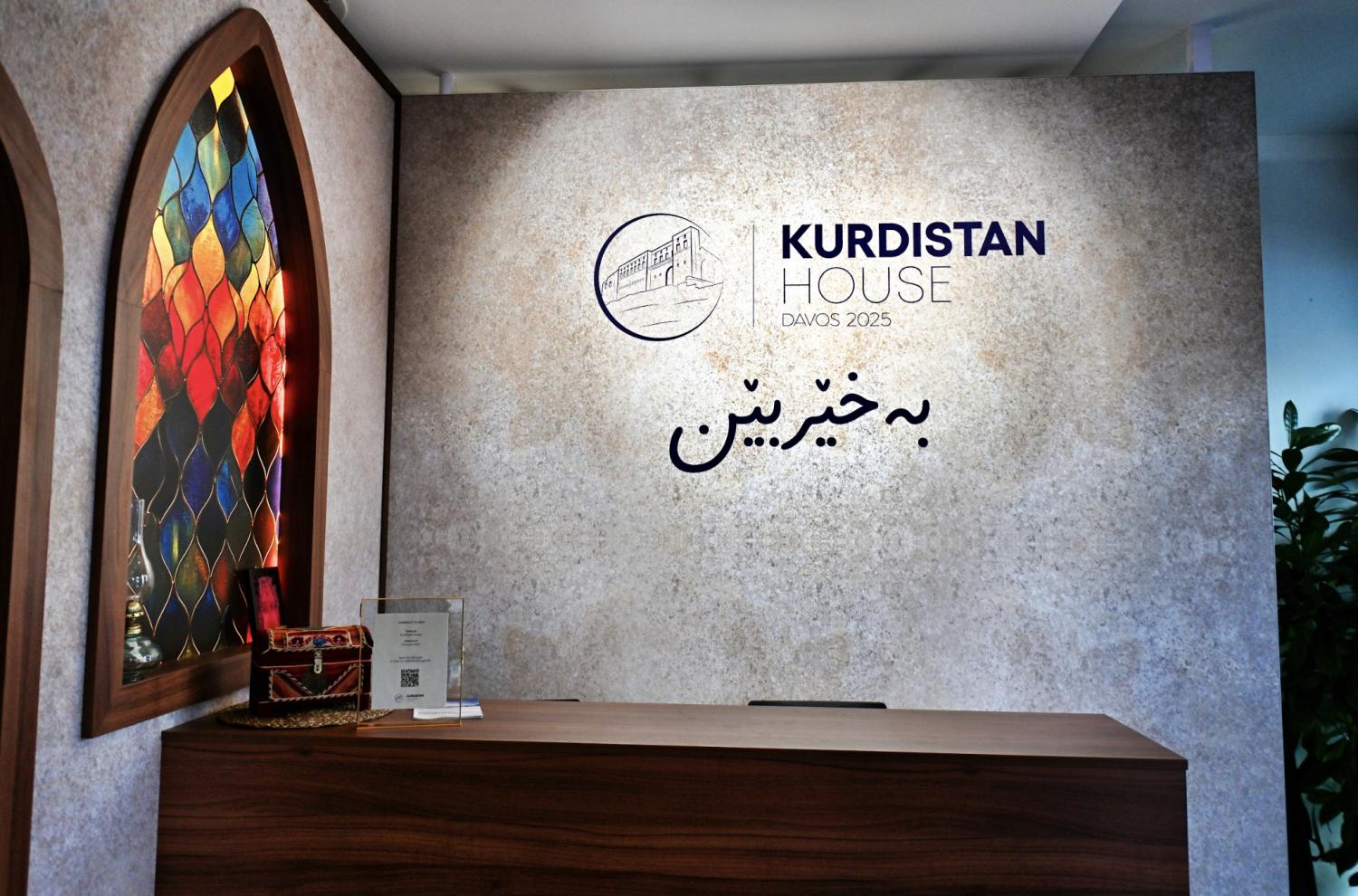
Other countries, including the United Arab Emirates, operated multiple houses dedicated to trade, technology, investment, and tourism. Major global corporations, including Meta, EY, Infosys, and Accenture, also maintained houses on Promenade Street, using them to showcase innovation, host workshops, and engage with policymakers and investors.
In general, these houses function as competitive platforms for:
Diplomatic lobbying
Investment attraction
Cultural representation
Brand visibility
Strategic networking
Media influence
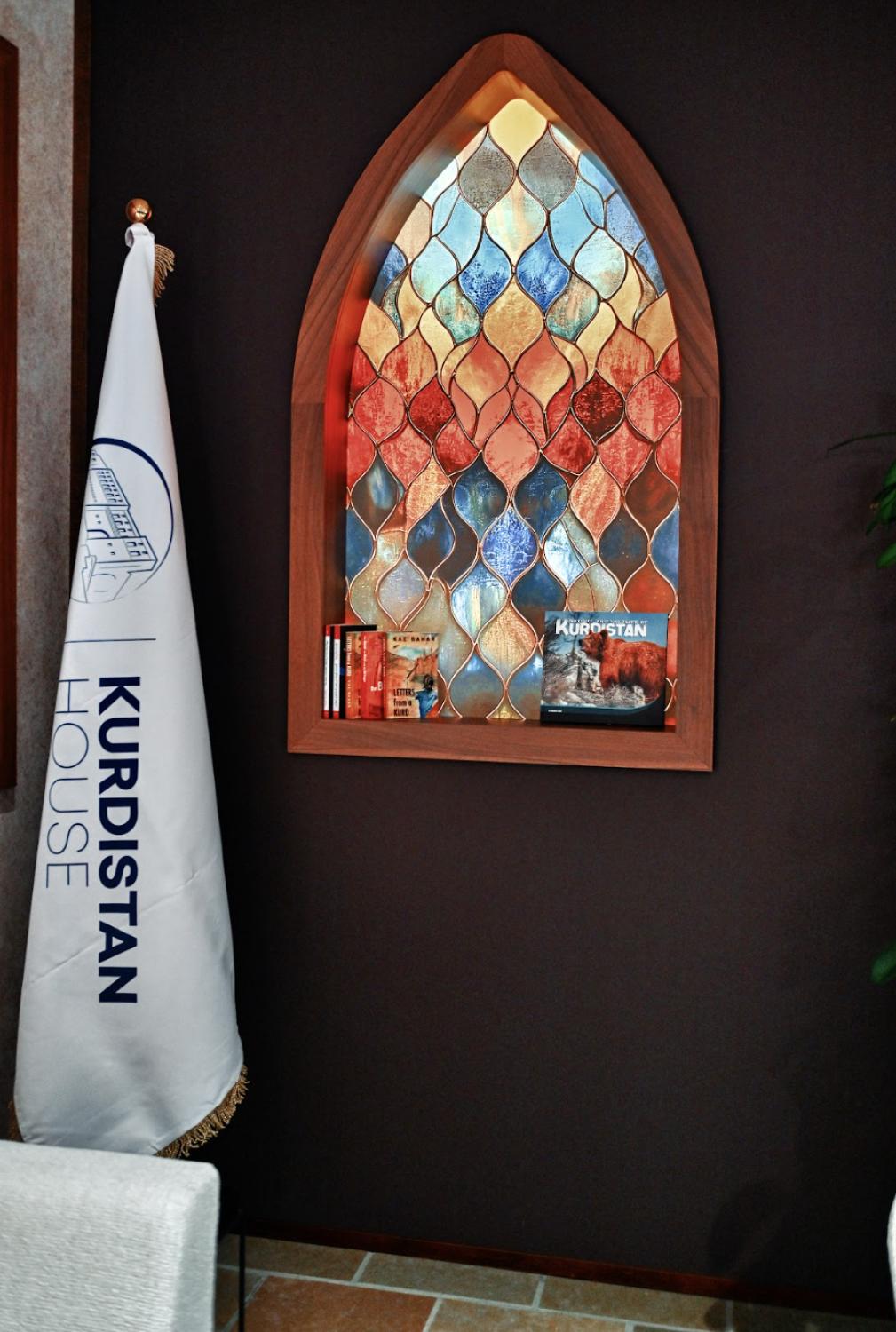
A central media hub
Under the initiative of KRG Prime Minister Masrour Barzani, and through coordination between the OIC and Board of Investment, Kurdistan House was established on Promenade Street to represent the Kurdistan Region at the WEF.
Each year, more than thirteen major Kurdish investors participate in Kurdistan House, conducting meetings, panel discussions, and business negotiations, as well as signing economic agreements. The House also serves as a venue for high-level meetings between the Prime Minister and regional and international political and business figures from Iraq, the Middle East, and beyond.
Kurdistan House has hosted a range of panel discussions and events, including coordination meetings with Gulf countries addressing shared priorities such as energy, investment, AI, and regional economic cooperation.
However, the primary focus of this article is the media significance of Kurdistan House. The House quickly became a central media hub, attracting both local Kurdish and international outlets. Its opening and activities were broadcast to audiences across the Kurdistan Region, reinforcing a sense of pride and visibility. For many Kurdish citizens, this representation symbolized a step beyond local boundaries and toward global recognition.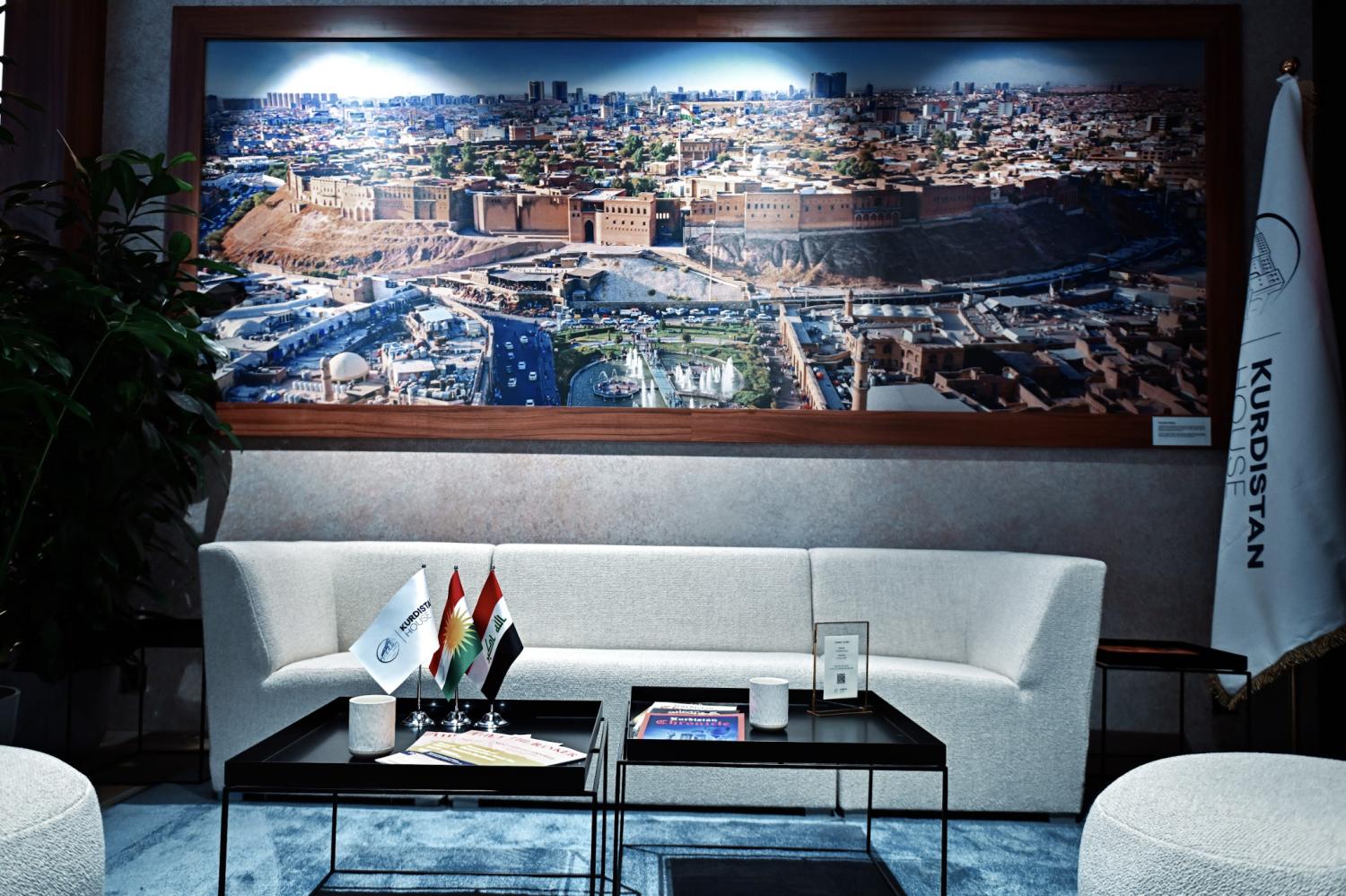
One of the most notable media moments was the series of interviews conducted by CNN journalist Richard Quest with KRG leadership, addressing regional challenges, geopolitical tensions, and the Prime Minister’s vision for Kurdistan’s role in addressing them.
In another strategic step, Kurdistan House initiated a collaboration with the Financial Times to highlight the Kurdistan Region’s investment potential. Additionally, The Banker magazine featured special coverage with the Board of Investment’s banner, focusing on business and investment opportunities in the region. These efforts aimed to deliver Kurdistan’s message directly to influential international audiences and position the region as an emerging investment destination.
A proven model
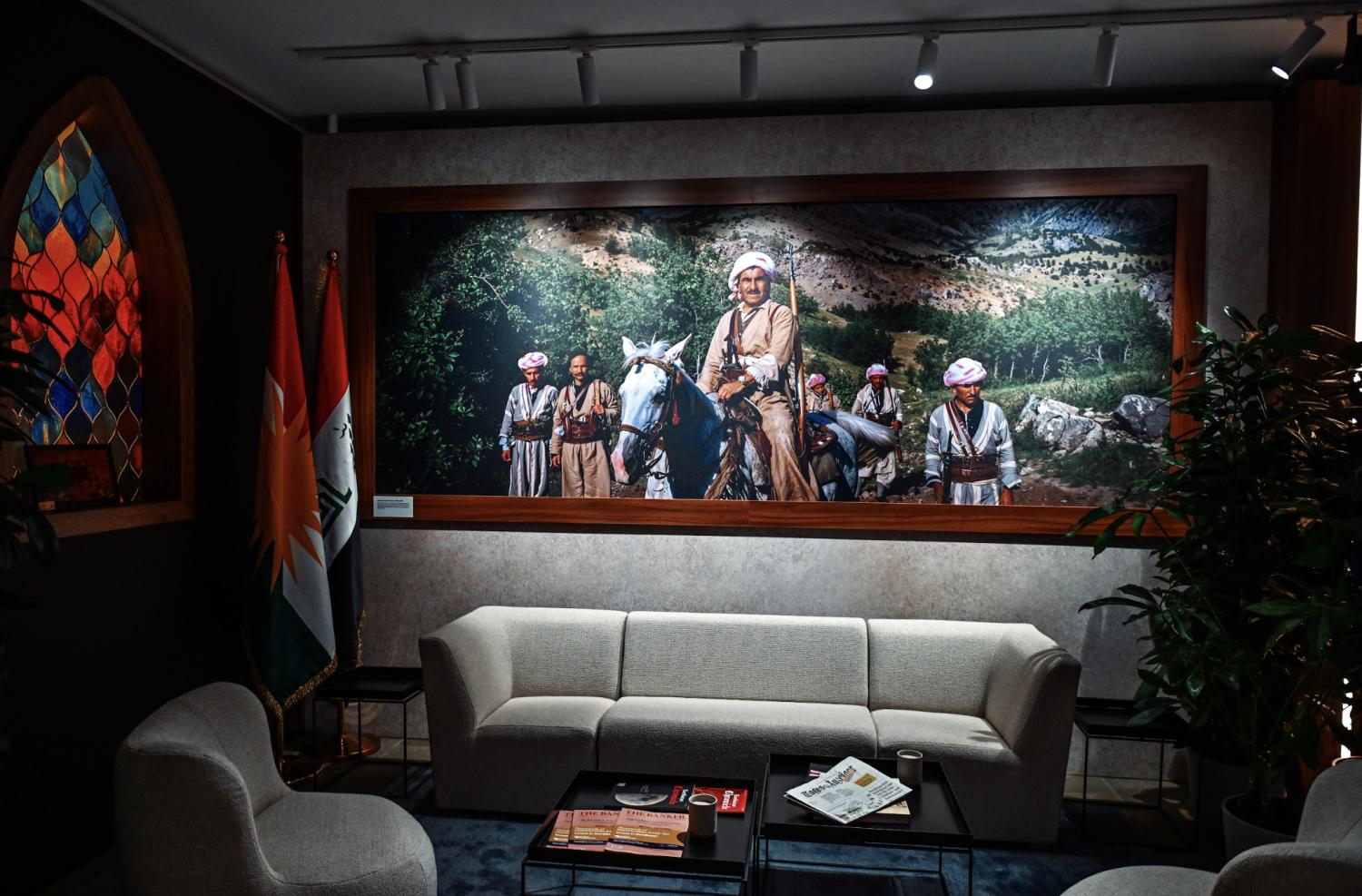
In today’s political and economic landscape, effective lobbying is nearly impossible without strong media engagement. Media coverage amplifies political intentions and shapes international perceptions, positively or negatively. Every January, Davos becomes a focal point of global media attention, particularly given the presence of world leaders and high-profile figures. It is expected that U.S. President Donald Trump will attend this year’s WEF.
International media use the forum to broadcast leaders’ messages worldwide, while national media proudly cover their country’s presence in Davos. In this context, Kurdistan House represents a significant source of pride for the Kurdish people, as the Kurdistan Region participates as an autonomous entity among global states and organizations, despite the absence of similar representation by some countries, including Iraq.
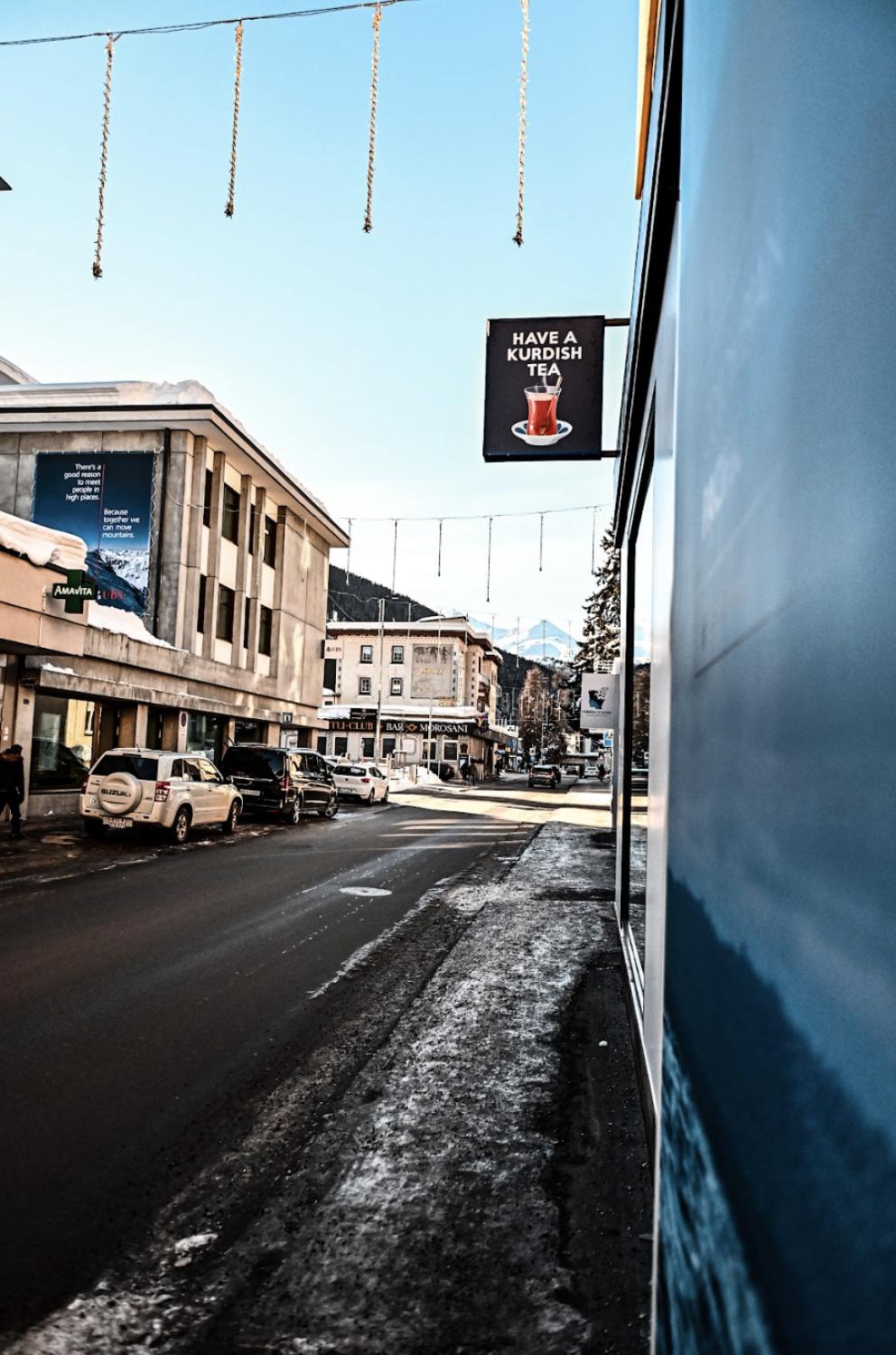
The Kurdistan House model has proven to be a success. Managed by a capable group of young professionals, the House effectively built international bridges around critical global issues such as energy, artificial intelligence, and investment. At the same time, it attracted major investors interested in both regional opportunities and local development, contributing to job creation and economic growth for the people of Kurdistan.
Beyond politics and economics, Kurdistan House also served as a platform to introduce Kurdish culture, promote local brands, and warmly host international visitors, creating space for cultural exchange and soft diplomacy.
In summary, Kurdistan House has emerged as an effective gateway for presenting the Kurdistan Region as a progressive, peaceful, and influential actor on the global stage. Through strategic media engagement, lobbying, and investment promotion, the house has reinforced Kurdistan’s image as a safe and promising destination for development, cooperation, and international partnership.
Media Strategy-Office of Initiatives and Communications, KRG.