In Moorhead, Minnesota – a city nestled in the Red River Valley – many residents are well acquainted with Kurdistan and the Kurdish cause, as the city is home to more than 4,000 Kurdish individuals. Recently, Moorhead signed a friendship proclamation with the city of Zakho in the Kurdistan Region, a milestone that further deepened Minnesotans’ familiarity with and connection to Kurdish history and culture.
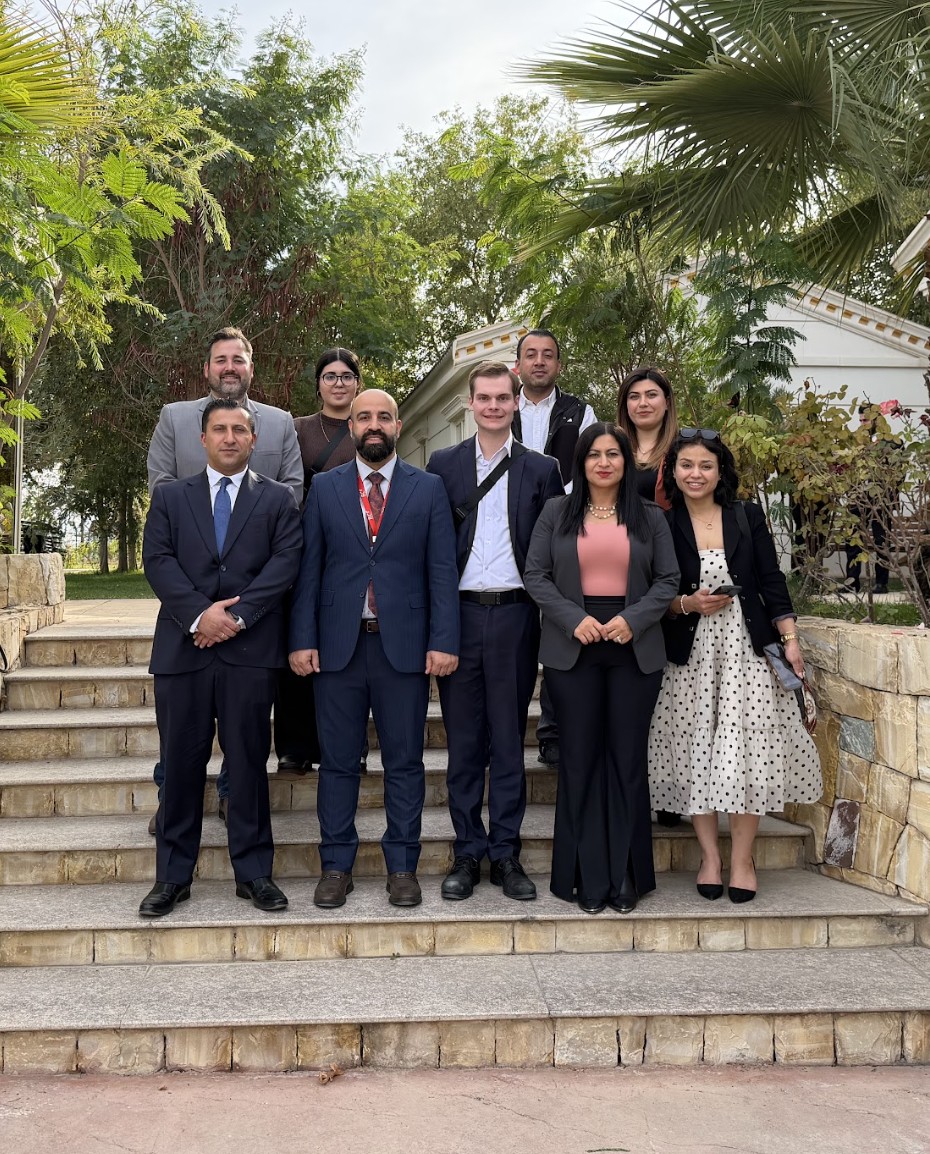
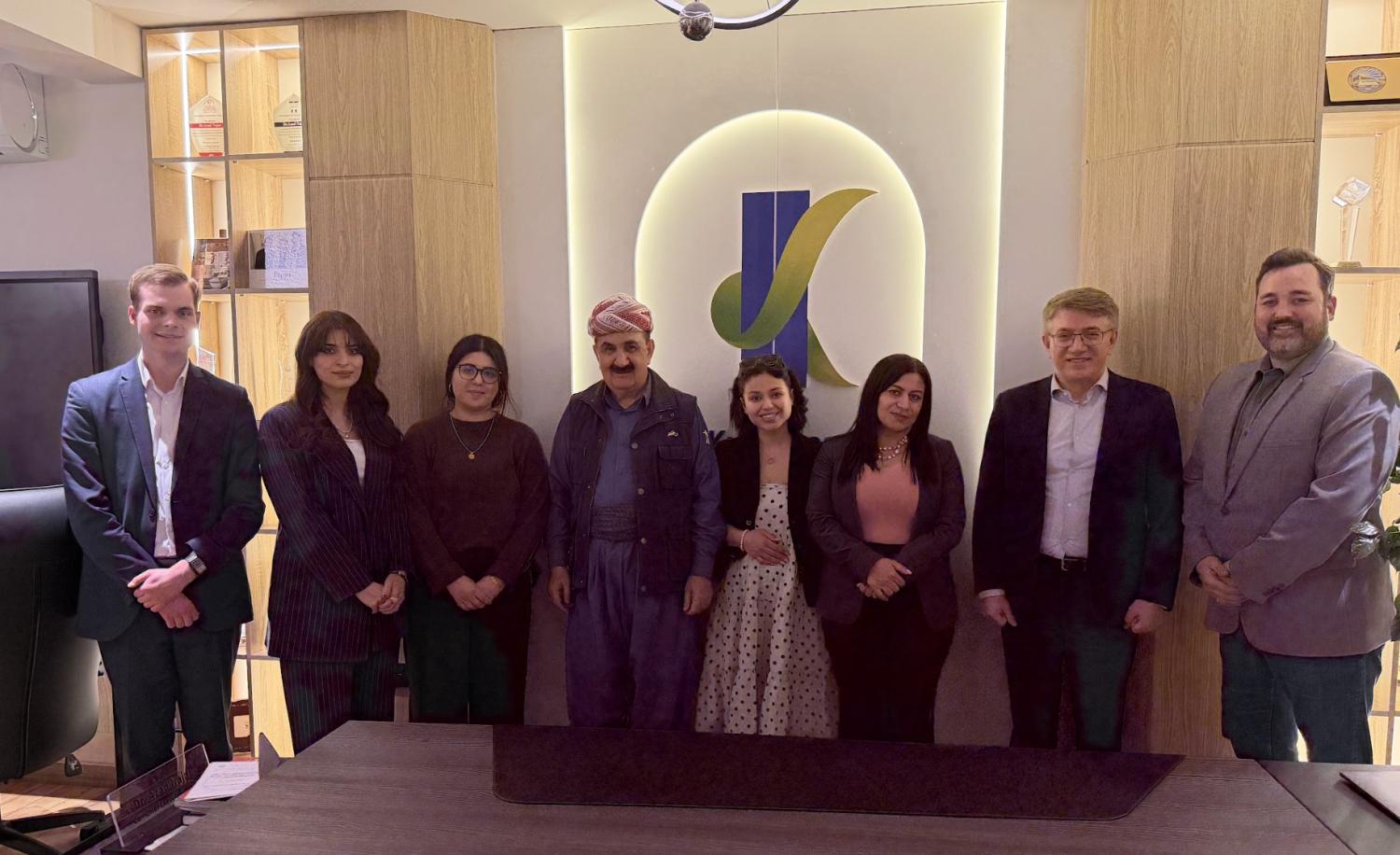
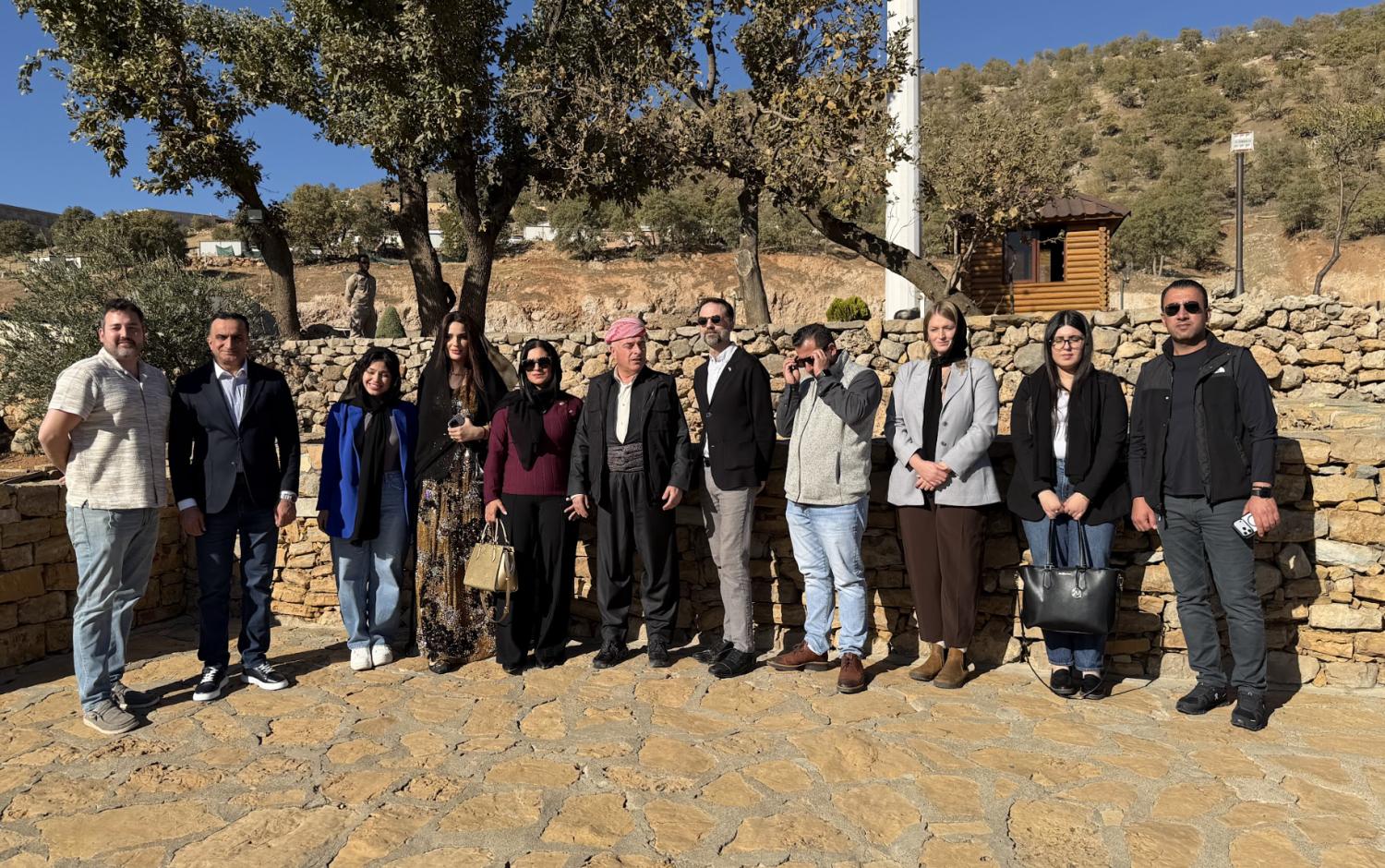
In a captivating exchange of culture and ideas, a diverse delegation from Minnesota embarked on a transformative journey to the heart of the Kurdistan Region in November. Composed of community leaders, academics, and entrepreneurs, the group sought to forge connections with Kurdish officials, participate in academic events, admire the breathtaking landscapes, and explore Kurdish history and heritage.
A thriving land
Among the delegates was Scott Holdman, a resident of the Red River Valley region, which includes Moorhead, Minnesota, and Fargo, North Dakota. For the past twenty years, Holdman has dedicated his professional life to philanthropy and currently serves as an advisor to family foundations, helping them enhance the well-being of others.
During our wide-ranging conversation, Holdman described the moment he was offered the opportunity to visit the Kurdistan Region. “I considered it a great honor. Yet I also felt some apprehension about the unknown, and images of terror from Saddam Hussein’s era during my childhood came to mind.” He noted that this fear is not unusual in the United States. Before his departure, friends and acquaintances often asked him, “Will you be safe?”
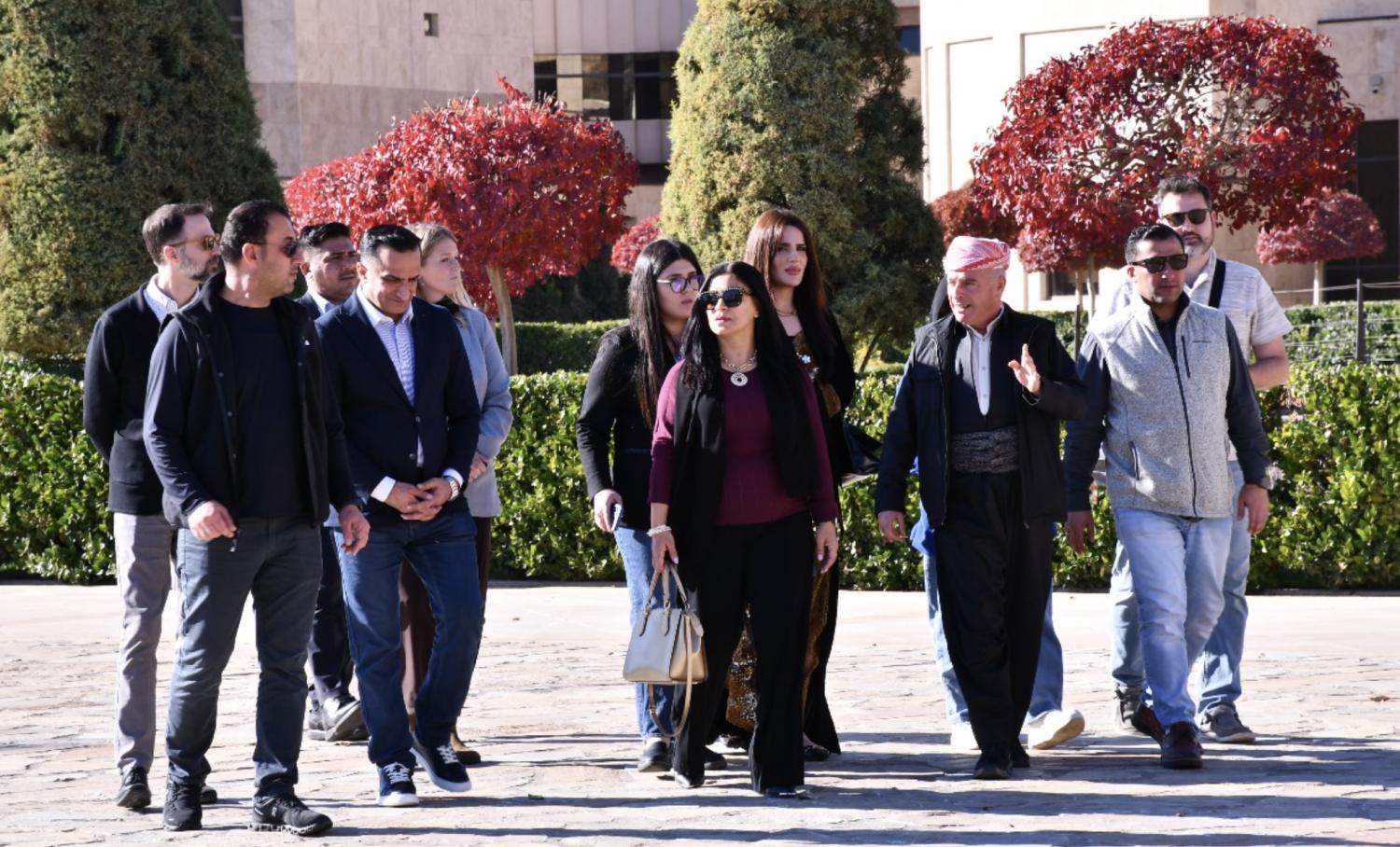
“My initial impressions were of a land that is beautiful, modern, and thriving in many ways. The region I knew was famous worldwide for its oil, but as I learned, oil is not the most valuable resource in Kurdistan; it’s the Kurds themselves,” he stated.
Upon arriving in the capital city of Erbil, the vastness of Kurdish hospitality floored Holdman. “The hospitality of everyone exceeded what I could have imagined, whether we were getting tea from the roadside, visiting local merchants, or walking around public spaces.” The warmth was immediate and only grew stronger as Holdman and his team spent more time with the Kurdish people. “Ultimately, the kindness of the people formed my strongest first impression of the region,” he added.
Reflecting on his earlier concerns about safety, Holdman said, “I now firmly believe that no American visitor should ever worry about their security, because the Kurdish people simply wouldn’t allow harm to come to them.”
A peaceful hub
I was eager to hear more about some of the most memorable experiences Holdman and his colleagues had in Kurdistan. While he highlighted many unforgettable moments, one particularly special experience was his visit to Zakho.
“I would be remiss if I didn’t begin by acknowledging the warm welcome from Gohdar Shekho, the Governor of the Zakho Independent Administration,” Holdman said. “Visiting the top of the White Village with his staff to see the city and the remarkable developments taking place was breathtaking.”
Meeting Shekho personally was a highlight for Holdman, who described him as an inspiring and bold leader with genuine kindness and a sharp, diplomatic, and creative mind. Touring the vibrant bazaar, inspecting improvements to the historic castle, and observing new walkways, bridges, and extensive residential and business developments made it clear to Holdman and his colleagues that Zakho’s transformation is impressive.
Another significant location in Kurdistan was St. George’s Church in Ankawa, where Holdman sat with a diverse group of religious leaders – Muslim, Jewish, and Christian – who shared their stories of living side by side in community. “I was struck by the deep understanding that Kurdish hospitality goes far beyond friendliness to American visitors and is truly at the heart of their culture.”
Holdman described the Kurdistan Region as a “peaceful hub” in a world that often feels fractured. Witnessing harmonious coexistence was eye-opening. “It demonstrated that hope isn’t just a concept; it’s a practice, and you can see it in Kurdistan.” He and his colleagues found the experience difficult to describe as anything other than a divine encounter. “I will carry this place, and most of all these people, with me for the rest of my life.”
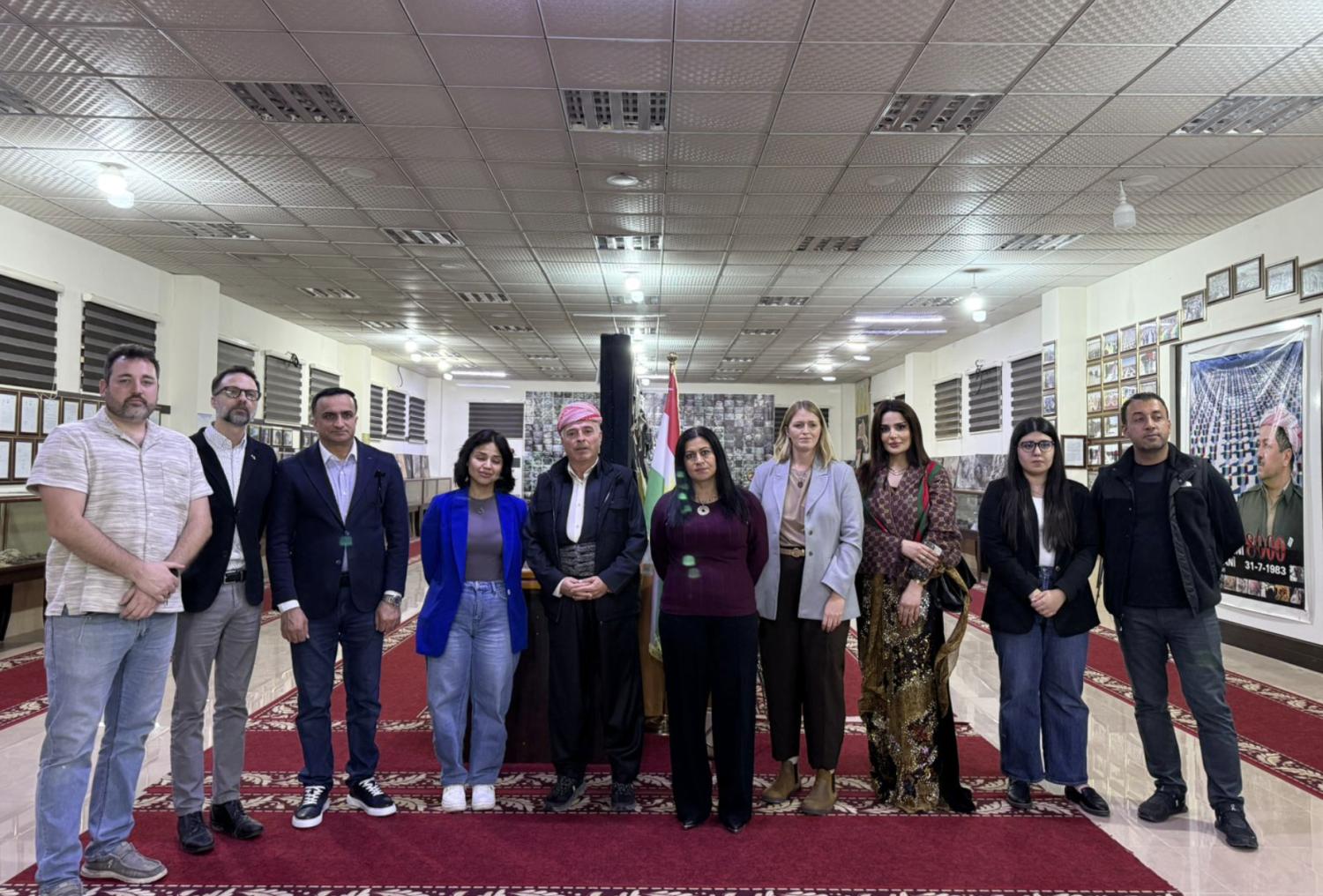
The delegation spent over two weeks visiting significant sites, including the Barzani National Memorial and the Museum of Genocide, which left a powerful impact. “I felt the pain and anguish of past chapters of oppression deeply. Yet, witnessing how the Kurdish people choose to move forward with positivity rather than bitterness is a lesson in resilience that the whole world needs. I left feeling more human and wishing that many others could not only hear the story of the Kurdish people, but also experience it.”
Memorable experiences
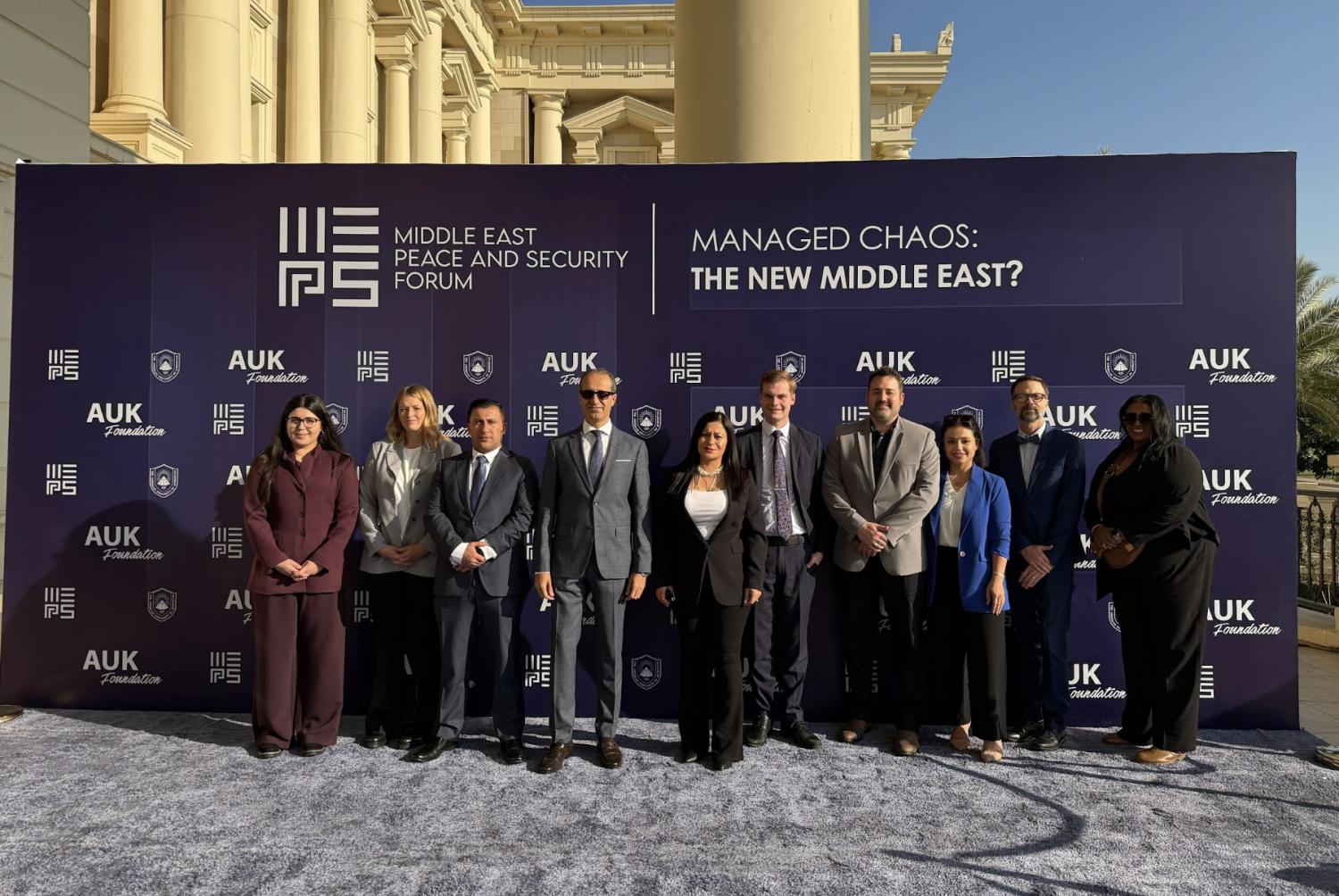
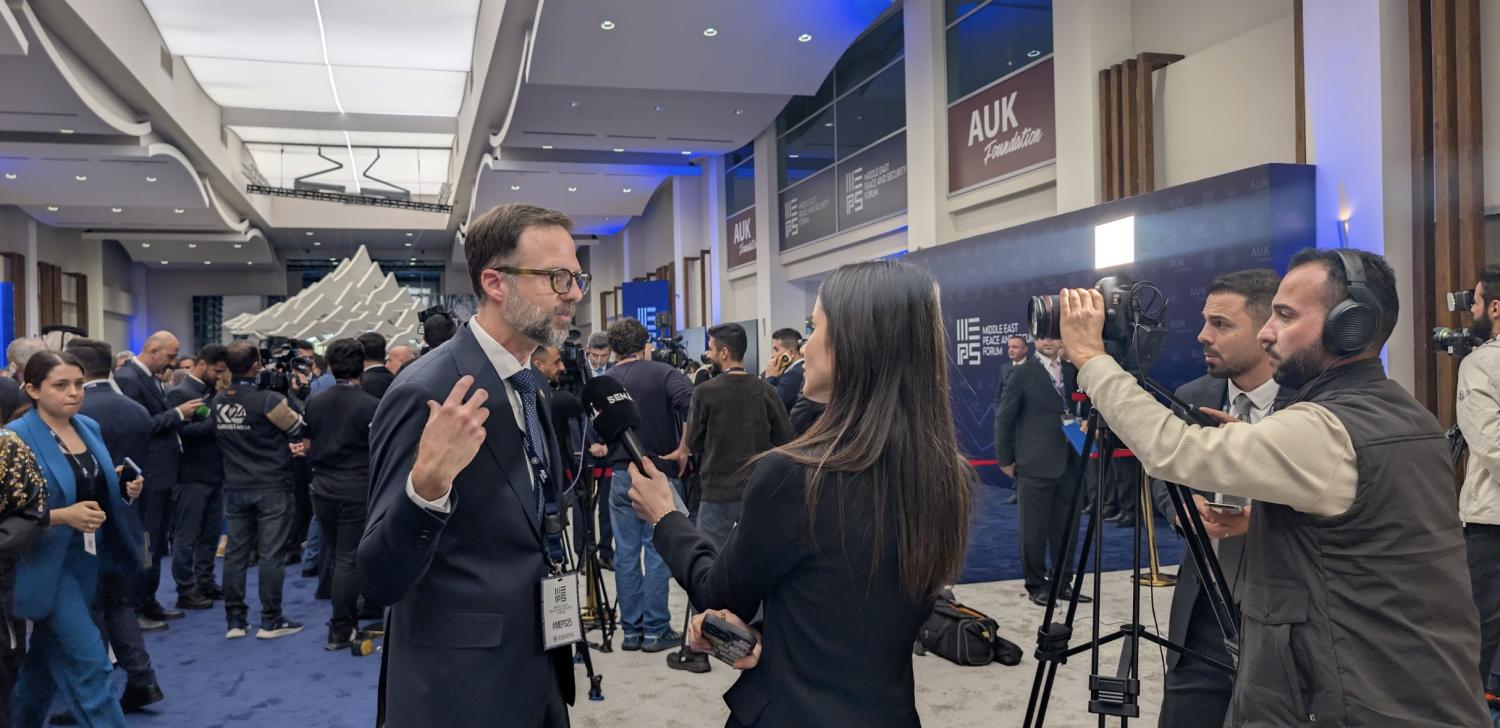
Another highlight was the Sixth Annual Middle East Peace and Security Forum, hosted by the American University of Kurdistan on November 18-19, 2025, under the theme “Managed Chaos: A New Middle East.” Holdman found it to be a world-class conference that was educational, inspiring, and thought-provoking. “It’s an event I truly wish many more Americans interested in supporting the Middle East could experience, not only for its enriching content, but also for the conversations and relationships built during it.”
Holdman also reflected on another memorable experience. “Meeting President Masoud Barzani was a profound honor,” he said. “Despite the crowd, his handshake felt personal.” Holdman described gathering around a large rectangular table as Barzani shared moving stories of Kurdish suffering and their enduring commitment to coexistence. “The energy in the room was palpable as people eagerly awaited the chance to take a photo alongside him.”
When Holdman shared photos of the team visiting local bazaars and restaurants, I asked how many cups of tea he had consumed. His answer surprised me. “I grew fond of the rhythm of hospitality: coffee followed by tea, then perhaps coffee and tea again. Sharing a cup together means slowing down, a moment to be calm and open to one another. Kurdish coffee is something I know I will miss.”
He also spoke enthusiastically about Kurdish cuisine. “The kofta kebabs and dolma were especially delicious, while metfiniya fasoliya (bean soup) is something I could enjoy every day during winter back home.” He also enjoyed lentil soup, particularly for breakfast, and looked forward to mornings at the Sipan Hotel in Zakho. “It made me rethink breakfast entirely.”
Comparing Kurdish food to what he is accustomed to in Minnesota, Scott explained, “In the Midwest, meals often consist of a protein, a potato, and sometimes a vegetable. In Kurdistan, there is much greater use of lentils and beans, with more variety of foods and colors. Although different, it felt approachable and satisfying in the same way.”
Moorhead and Zakho
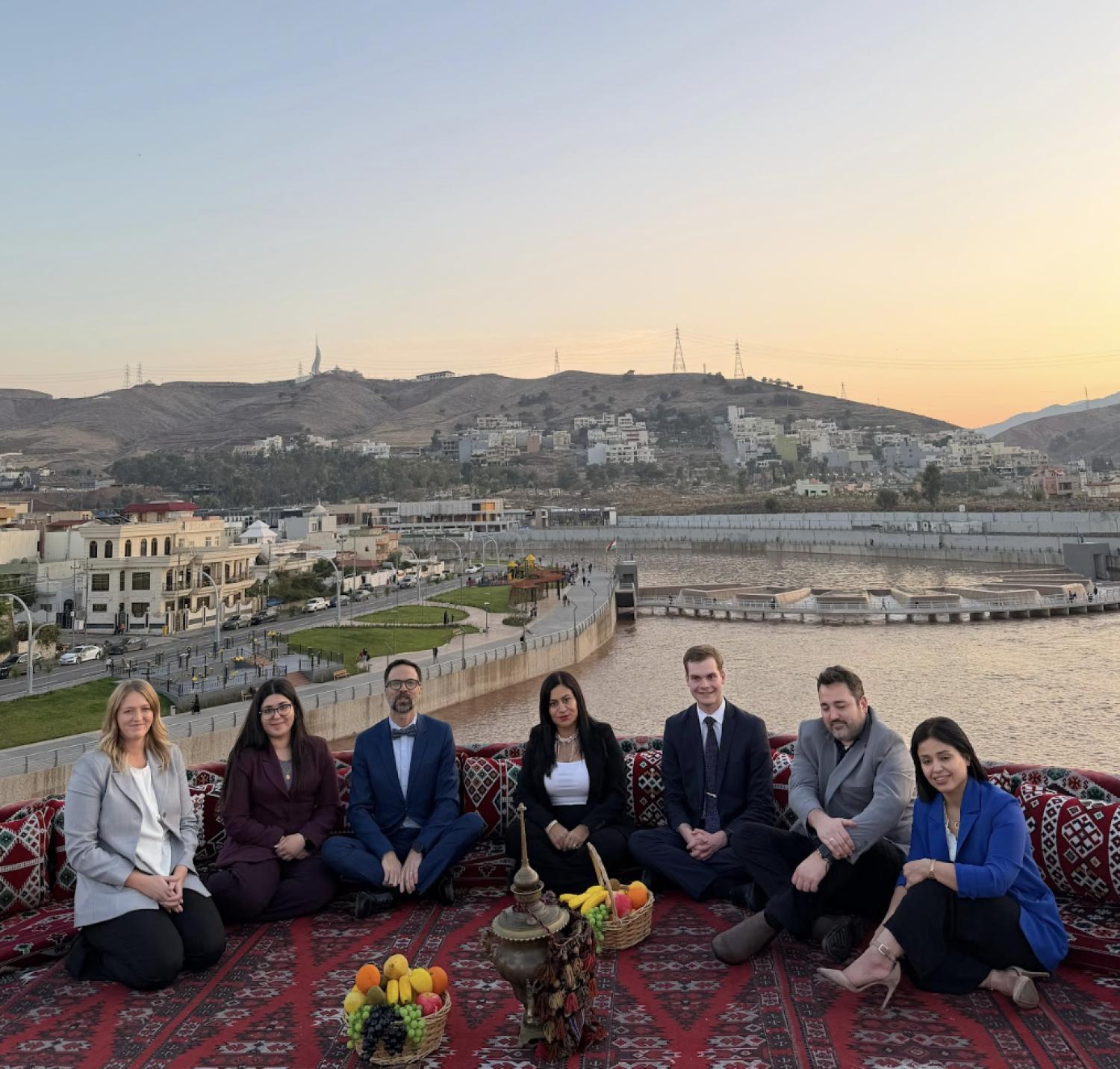
The delegation stayed longer in Zakho city, which has a strong relationship with Moorhead. Holdman described Zakho as awe-inspiring: “Zakho has done a wonderful job of preserving historic elements while blending a modern overlay. The bazaar, walkways, water features, revived castle, White Village, and extensive developments were truly breathtaking.”
As Holdman noted, the friendship between Moorhead and Zakho is already yielding positive results. A recent call with a medical team explored providing equipment and supplies for Zakho. “Our healthcare professionals see what I see: the Kurdish people don’t want a handout – they want a hand up. They are highly educated, well-trained, and eager to work toward prosperity.”
In addition to the cities, Minnesota State University Moorhead and the University of Zakho signed a memorandum of understanding on December 11, 2024, establishing a partnership to foster opportunity and academic exchange. The agreement enables cultural and educational exchanges benefiting both students and faculty. “These are just the initial strokes,” Holdman said. “I believe we are poised for a long and prosperous relationship.”
Holdman emphasized education as a cornerstone of the future. “I can envision students from America coming to Kurdistan to experience what I have and much more – the enriching perspective of the Kurdish people, their ability to coexist, and their determination to build a prosperous future through peaceful means.”
After returning to the United States, Holdman and his colleagues have shared their experiences through multiple media interviews. “The Kurdish people continue to love despite the opposition they have faced. Kurdistan may not be a formal country, but it will always hold a place in my heart.”
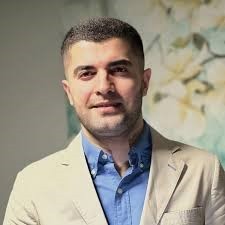
A Kurdish-American journalist overseeing the US Desk at Kurdistan Chronicle.