On Tuesday, UNHCR, the UN Refugee Agency, posted on X that the majority of the asylum seekers and refugees registered in Iraq live in the Kurdistan Region.
According to the UNHCR data from July, by governorate, 42% of all registered refugees and asylum seekers in Iraq live in Erbil Governerate, followed by Dohuk (26%) and Baghdad (13.5%). The remaining refugees live in other governorates, with Sulaymaniyah accounting for 11%.
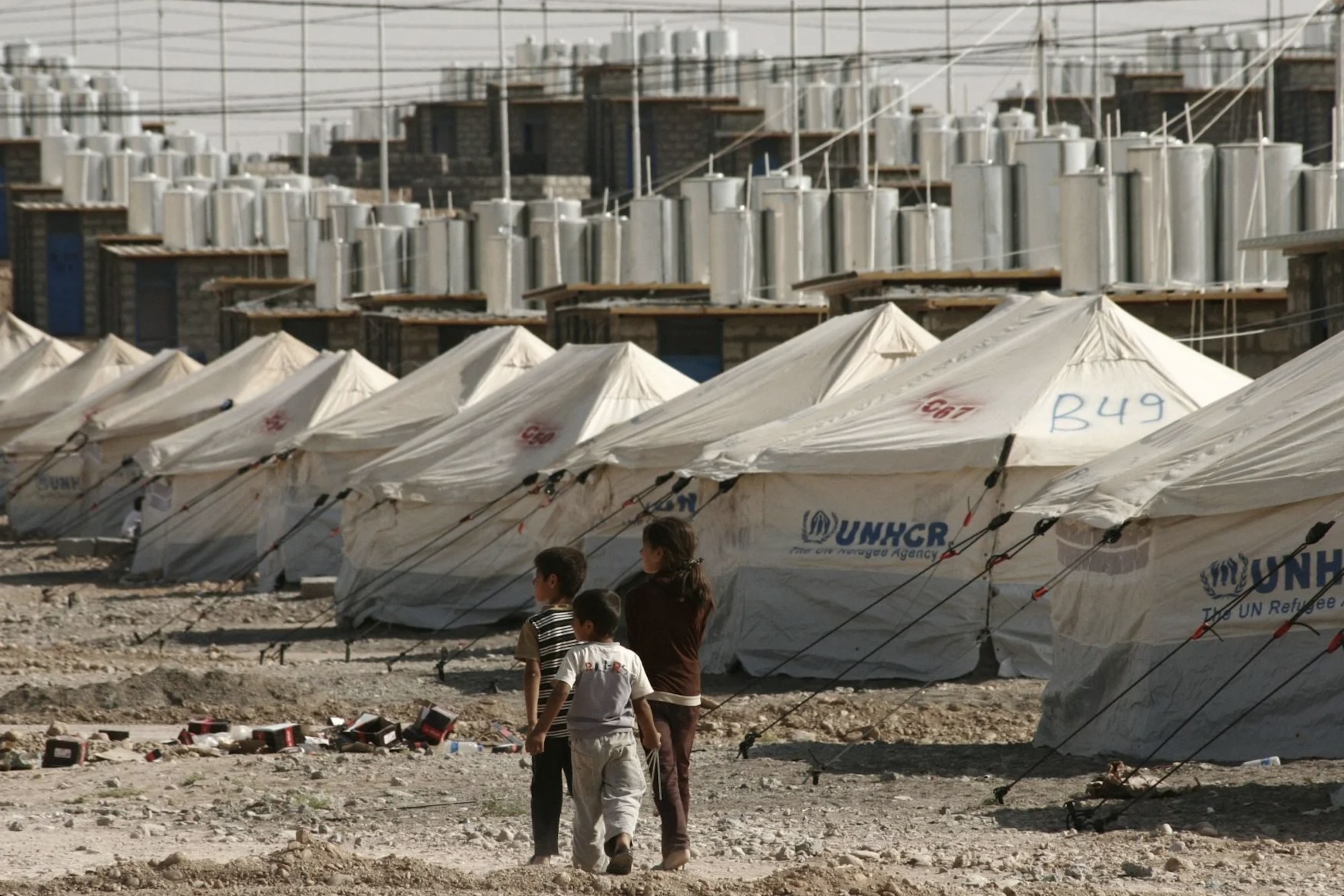
More than 343,000 refugees and asylum seekers are registered with UNHCR in Iraq. Around 80% live in the Kurdistan Region, while approximately 33% of those in the Kurdistan Region live in nine refugee camps.
More than 69,000 UNHCR-registered asylum seekers and refugees live in urban areas in other governorates across Iraq, primarily in Baghdad, which hosts 67% of this group.
The vast majority of refugees and asylum seekers registered with UNHCR in Iraq are from Syria, accounting for 88% of the total. Some 5% are from other countries, 2.6% from Iran, 2.4% from Palestine, and 2% from Türkiye.
Among registered refugees and asylum seekers, 4.5% are girls/women and 4.7% are boys/men aged 0–4. Among those aged 5–11, females account for 8.9% and males 9.5%. For the 12–17 age group, females make up 4.9% and males 5.2%.
The largest age group is 18–59, accounting for 22.5% females and 35.5% males. Among those aged 60 and above, females account for 2.2% and males 2.1%.
Toby Harward, the Head of Office and Representative for UNHCR Iraq, told Kurdistan Chronicle that over 270,000 refugees and asylum seekers live in the Kurdistan Region of Iraq. The large majority — around 260,000 — are Syrians.
“This has been the case since the start of the Syria conflict in 2011, when Syrian Kurds from north-eastern Syria fled across the border to a region where they share language and cultural ties,” he said.
“The Kurdistan Region of Iraq has also attracted Syrian religious minorities, including Christians, Alawites and Druze. The Kurdistan Region also hosts refugees from other countries such as Iran, Türkiye, and Palestine.”
He also added that the refugee population in the Kurdistan Region has remained relatively stable in recent years. “Although around 1,500 Syrian refugees have voluntarily returned home so far in 2026, a large majority express their intention to stay in the Kurdistan Region for the time being, many waiting to see how the situation will develop in Syria.
“Month-to-month changes in UNHCR’s data about refugee numbers are mainly the result of normal life events such as births and deaths, and of the periodic verification exercises UNHCR carries out to keep registration records accurate.”
A seasoned reporter and analyst who specializes in Kurdish affairs.