The role of international agencies in development and building
strong infrastructure for a better future
International agencies play a vital role in fostering international cooperation, supporting sustainable development, and strengthening relations between countries. Operating with the backing of their respective governments, these institutions promote mutual understanding and bolster bilateral ties. Through development projects, technical assistance, educational programs, scholarships, cultural initiatives, and knowledge-sharing activities, they help build long-term partnerships and create opportunities for collaboration among governments, international organizations, academia, civil society, and the private sector.
The Japan International Cooperation Agency (JICA), Korea International Cooperation Agency (KOICA), German Agency for International Cooperation, Italian Agency for Development Cooperation, Expertise France, the French Institute, and the Goethe Institute are a few examples of international agencies active in the Kurdistan Region. The Kurdistan Regional Government (KRG) Department of Foreign Relations serves as the principal facilitator between international government agencies, government-supported institutions, and KRG entities. Through dialogue with diplomatic missions, international organizations, and government partners, it helps identify areas of cooperation, advances development initiatives, and strengthens institutional cooperation aligned with the Kurdistan Region’s priorities. The Department also serves as a bridge between international partners and local institutions, facilitating effective communication and long-term collaboration.
The work of these agencies and institutions also supports the foreign policy objectives of their respective countries by encouraging stability, sustainable development, economic cooperation, and intercultural dialogue. Through these efforts, they contribute to the effective use of soft power while responding to local development priorities and needs.
The impact of these development partnerships is evident throughout the Kurdistan Region. Their contributions have advanced education, healthcare, heritage preservation, economic and social progress, and cultural exchange.
Education and Knowledge Partnerships
KOICA has played a significant role in advancing education in the Kurdistan Region. In cooperation with the KRG, KOICA supported the establishment of a model school in Erbil and teacher training centers aimed at enhancing educational quality and professional development. The project reflects the strong partnership between South Korea and the Kurdistan Region, as well as their shared commitment to improving the education sector.
Another notable contribution by KOICA involved the reconstruction and modernization of the Erbil Public Library. The project revitalized an important educational and cultural landmark by incorporating elements of Korean architectural design, including the library’s entrance gate, symbolizing the friendship and cooperation between South Korea and the Kurdistan Region.
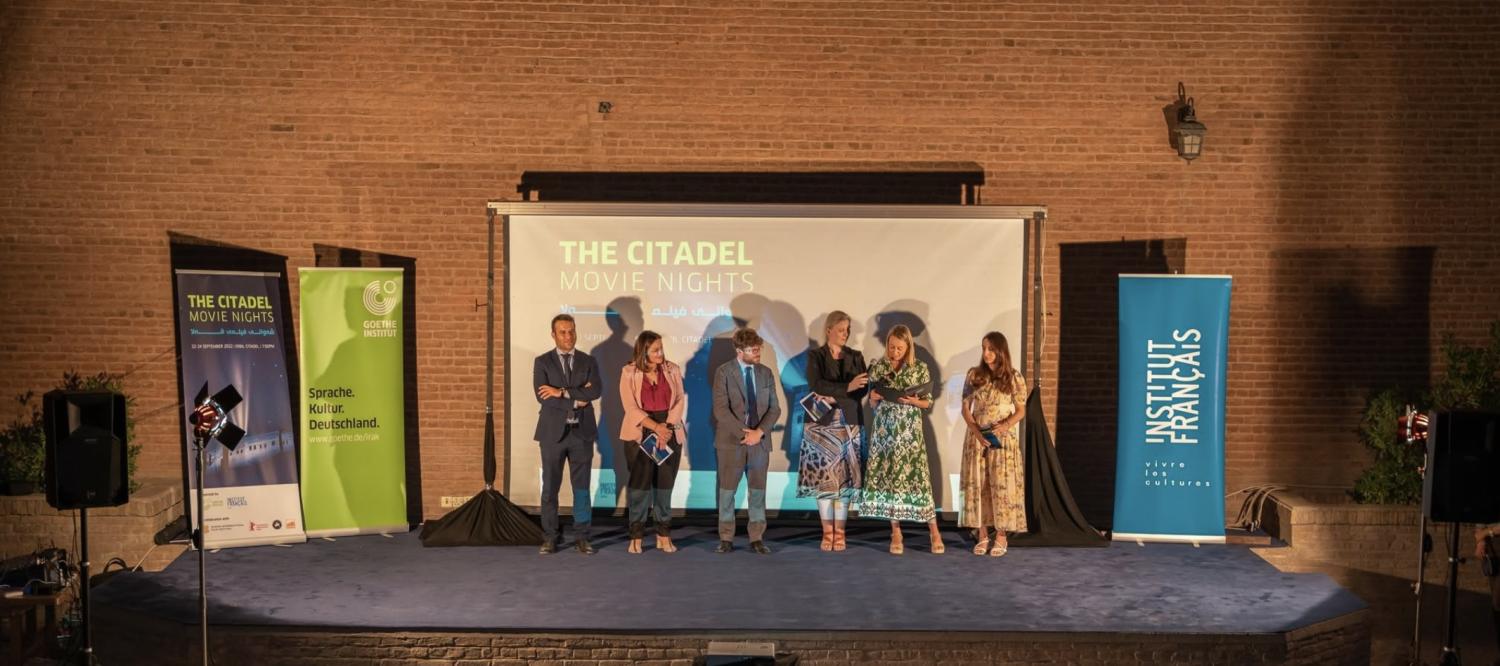
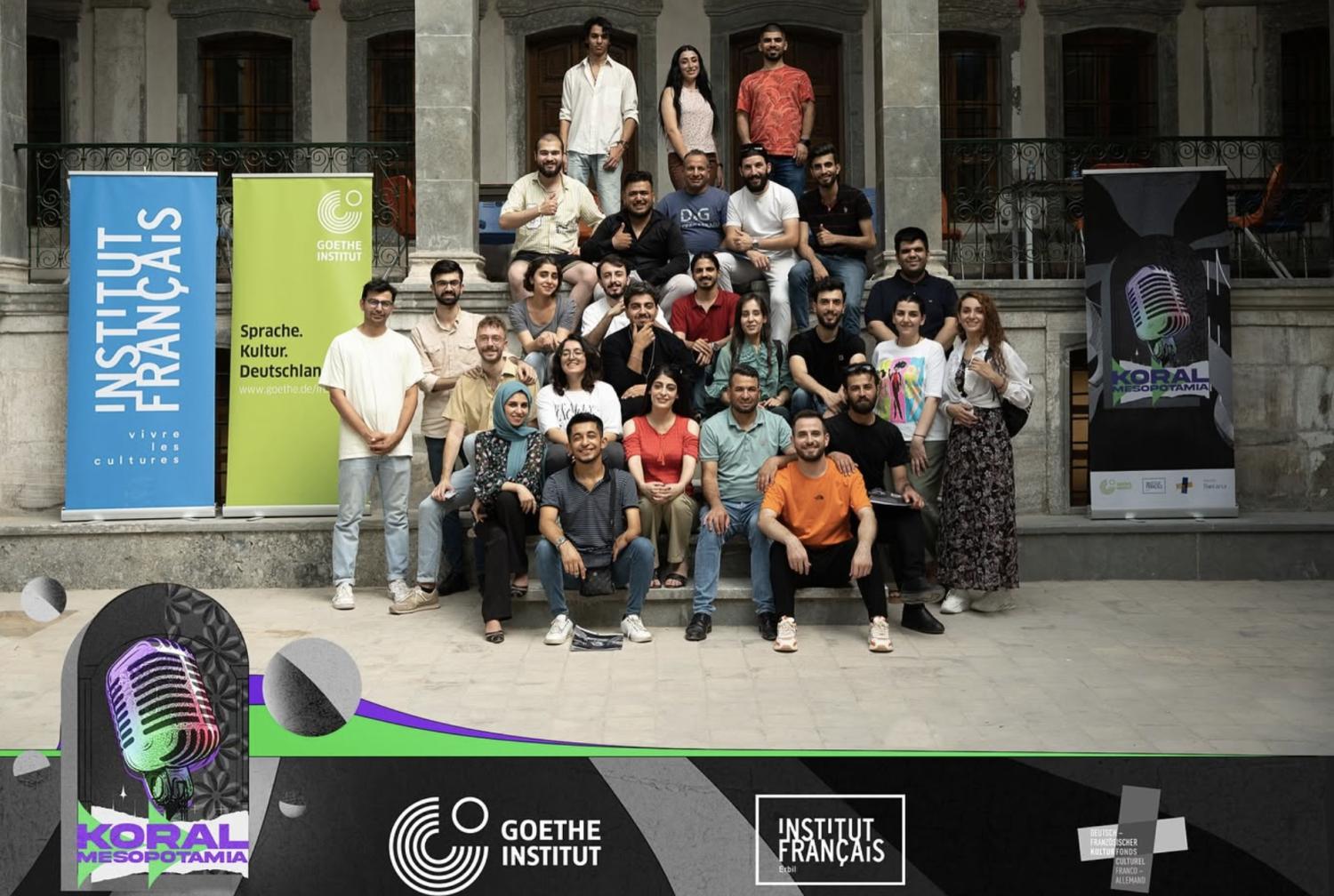
Beyond education, international government-supported institutions have also contributed to preserving the Kurdistan Region’s heritage while fostering international exchange. A notable example is the establishment of the German-French Joint Cultural Institute at the Erbil Citadel through the cooperation of the French Institute and the Goethe Institute. The institute serves as a platform for cultural dialogue, language learning, artistic exchange, and academic cooperation, further strengthening ties between the Kurdistan Region, France, and Germany. During the foundation stone ceremony, attended by Kurdistan Region President Nechirvan Barzani, the project was highlighted as a symbol of friendship and international collaboration.
Infrastructure and Development
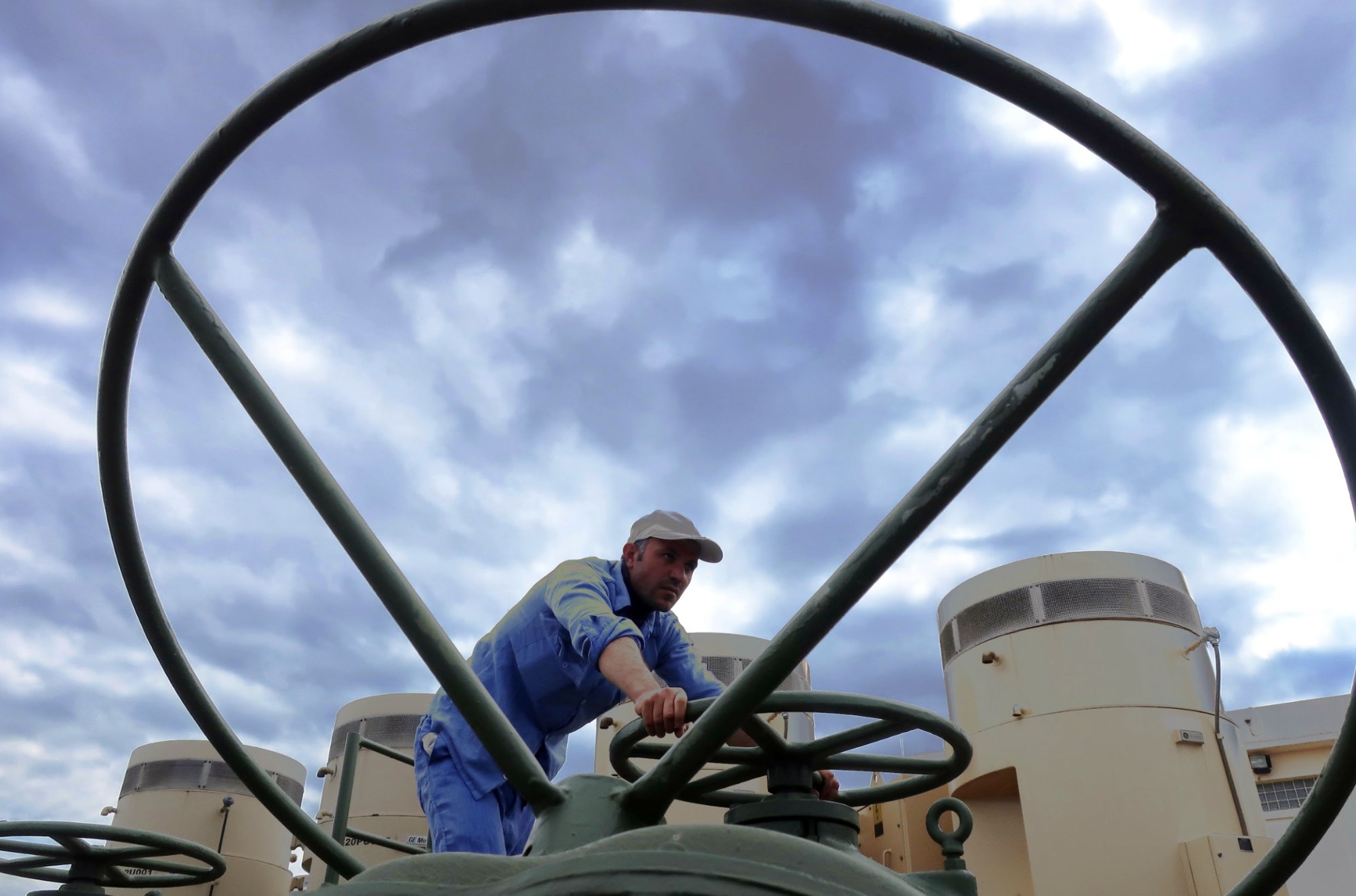
Another significant example of development cooperation is the Erbil Wastewater Treatment Plant Project, supported by JICA. The first phase of the project, valued at approximately $195 million, aims to improve sanitation services, protect public health, reduce environmental pollution, and facilitate the sustainable management of water resources. Once completed, the project will bolster groundwater protection, agricultural irrigation, and the reuse of treated water for green areas. The initiative reflects the long-standing partnership between JICA and the KRG in advancing critical infrastructure and sustainable development in the Kurdistan Region.
The presence of these organizations has strengthened cooperation with government entities and local partners, improved institutional capacity, and facilitated the transfer of knowledge and expertise across multiple sectors. Their engagement has advanced local development priorities while fostering professional growth, innovation, and international collaboration.
The continued presence of international government agencies and international development institutions in the Kurdistan Region reflects the region’s stability, openness, and commitment to international engagement. Through infrastructure, education, culture, and technical assistance, these institutions have contributed to the Kurdistan Region’s progress while helping demonstrate its commitment to peace, coexistence, and partnership with the international community.
is a writer with an interest in international cooperation, development initiatives, and diplomacy.