Religious diversity can serve as an example for a pluralistic society
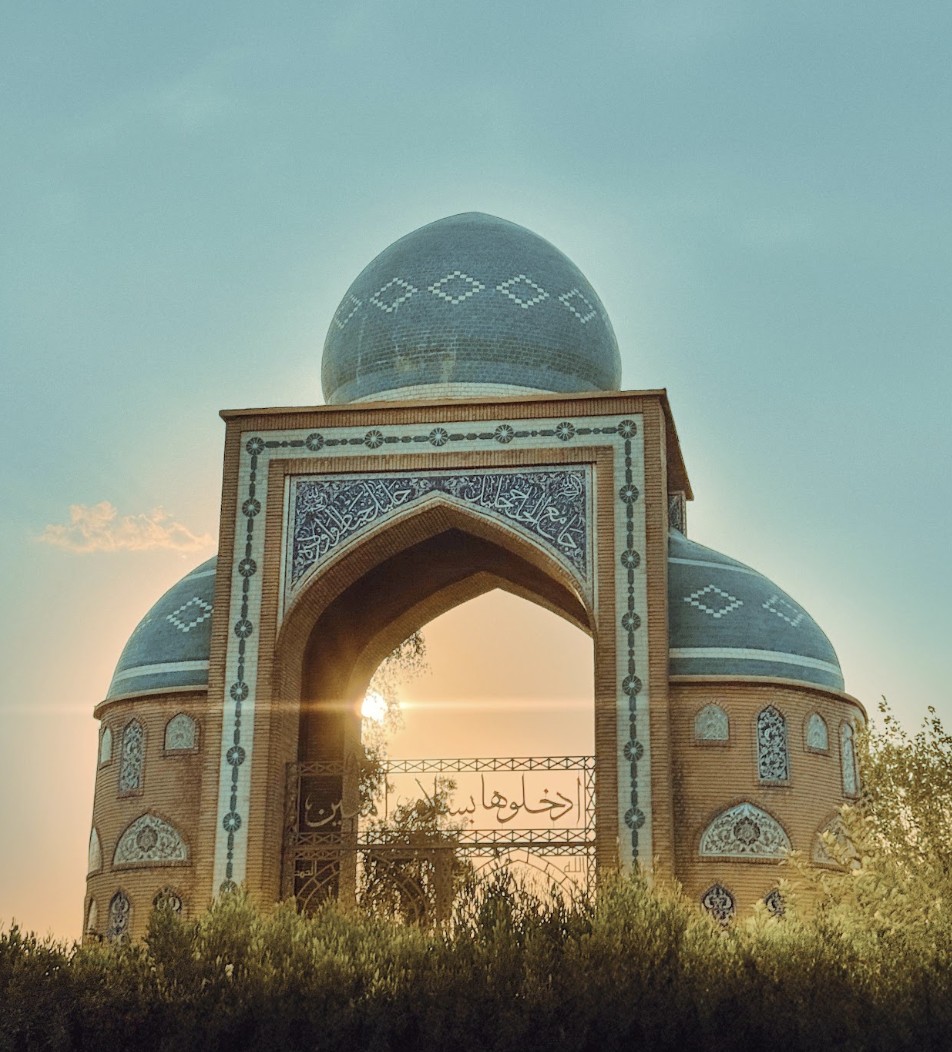
It is early in the morning and cold winds blow through Erbil, a sign that the city is not yet fully awake. The shop doors slide open in succession. The air is filled with the fragrance of fresh bread. Faint footsteps can be heard on the pavement. A group of people walks through a park. For those who live here, this is not a surprise; the call to prayer from a nearby mosque can be heard in the background, mingling with the almost simultaneous ringing of a church bell — the familiar sounds of everyday life.
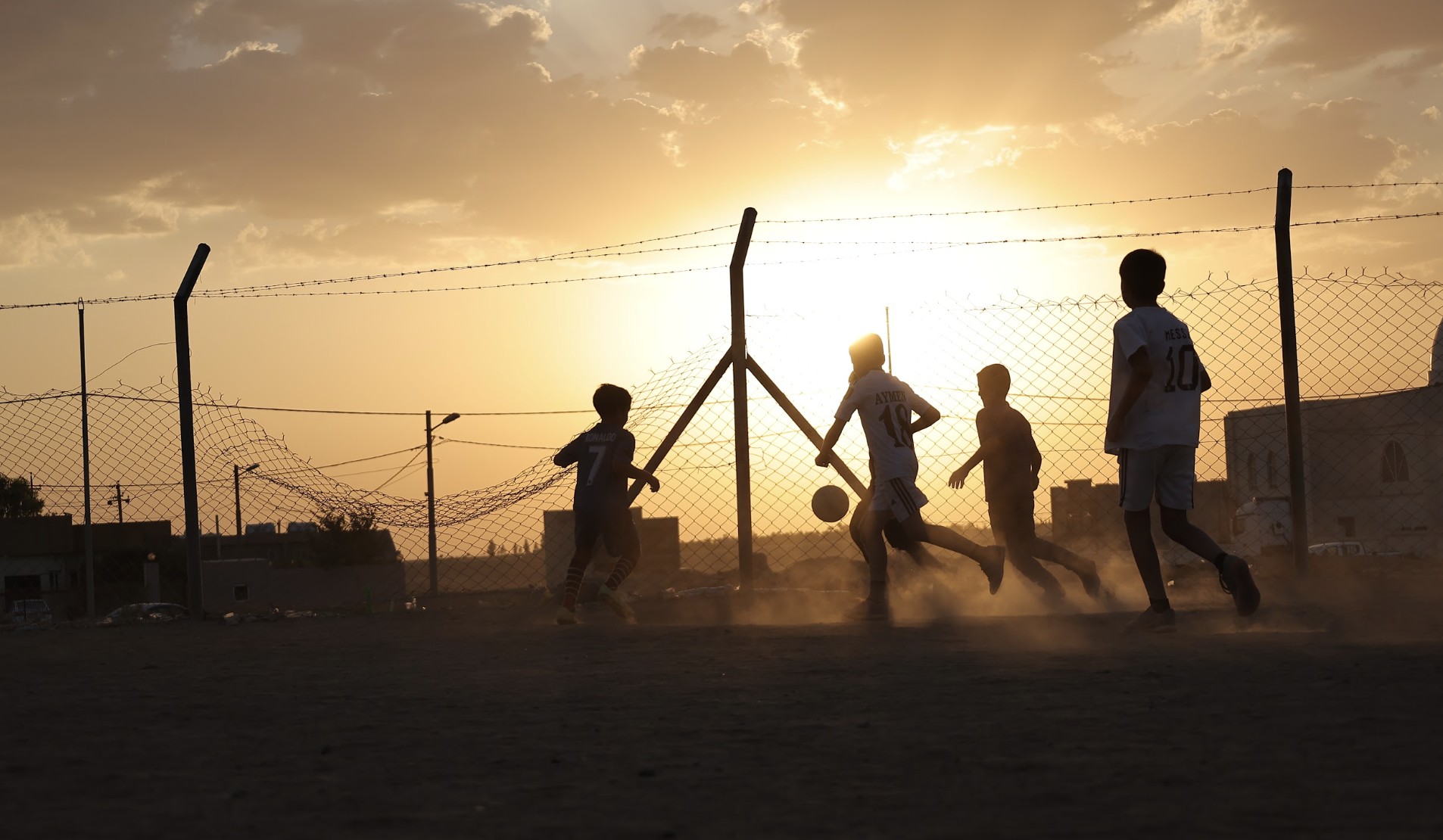
In recent decades, war and migration have torn at the social fabric of Middle Eastern countries, bringing political instability. In many areas, ethnic and religious differences have exacerbated divisions, not eased them. But things are not the same in the Kurdistan Region. Here, diversity is not merely a political slogan. It is woven into everyday life, bringing people of different backgrounds together in cities such as Erbil, Sulaymaniyah, Duhok, and Halabja. Kurds share public spaces with Arabs, Turkmen, and Assyrians; Sunni and Shi’a Muslims live alongside Yezidis, Christians, and Yarsanis. They attend the same schools, live in the same neighborhoods, and share the same marketplaces. This is not solely the result of proximity. Over time, a sense of familiarity develops — an invisible yet essential element of coexistence.
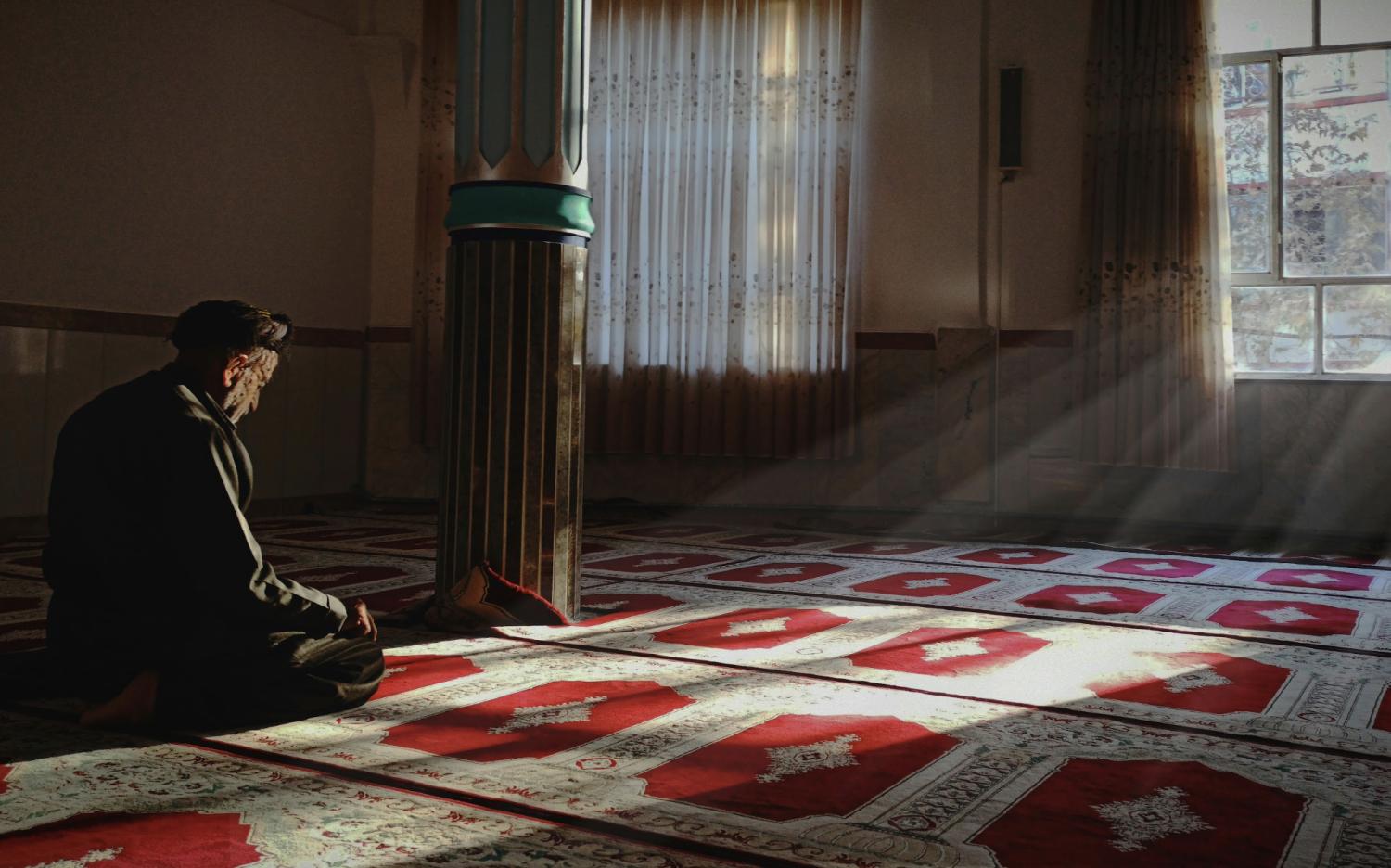
These patterns should come as no surprise. Before there were any modern political institutions, communities in the Kurdistan Region were functionally dependent on one another. Working together was essential; these relationships sustained social harmony during hardship. In sociology, such a relationship is known as “organic solidarity.” In essence, organic solidarity refers to the unity created through interdependence. This form of solidarity became institutionalized in the Kurdistan Region after 1991, with the incorporation of laws and institutions to protect various communities and give institutional expression to diversity. While these measures did not establish coexistence, they reinforced it and provided a more defined framework for its maintenance.
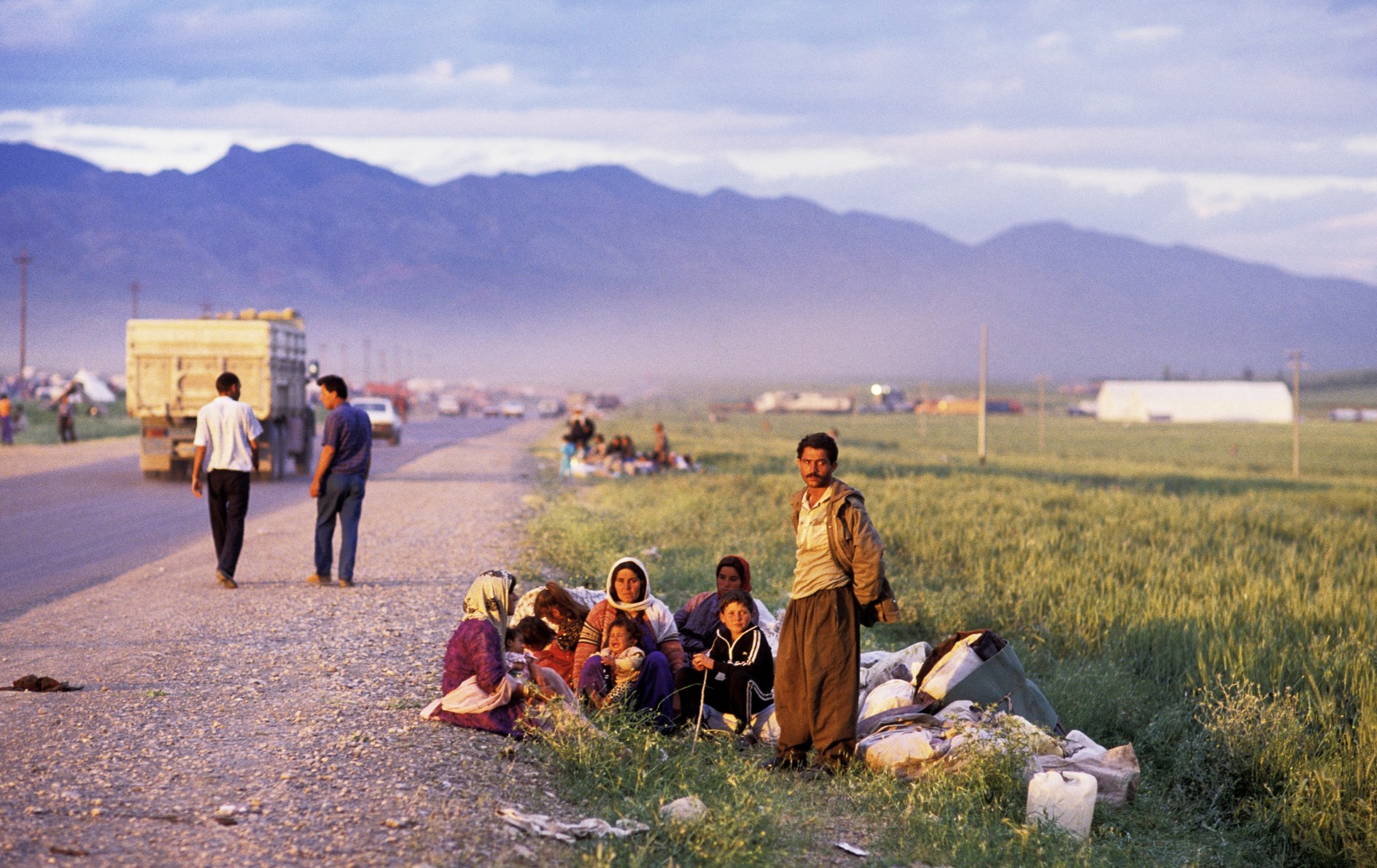
The real test came later, particularly amid the growth of ISIS, when many in Syria and Iraq were displaced and sought refuge in the Kurdistan Region. The influx of refugees and internally displaced persons strained public services and infrastructure, but it also revealed something significant. Communities across the Kurdistan Region were largely able to maintain social cohesion while welcoming newcomers. The strength of a society is reflected in its acceptance of others, especially in times of stress.
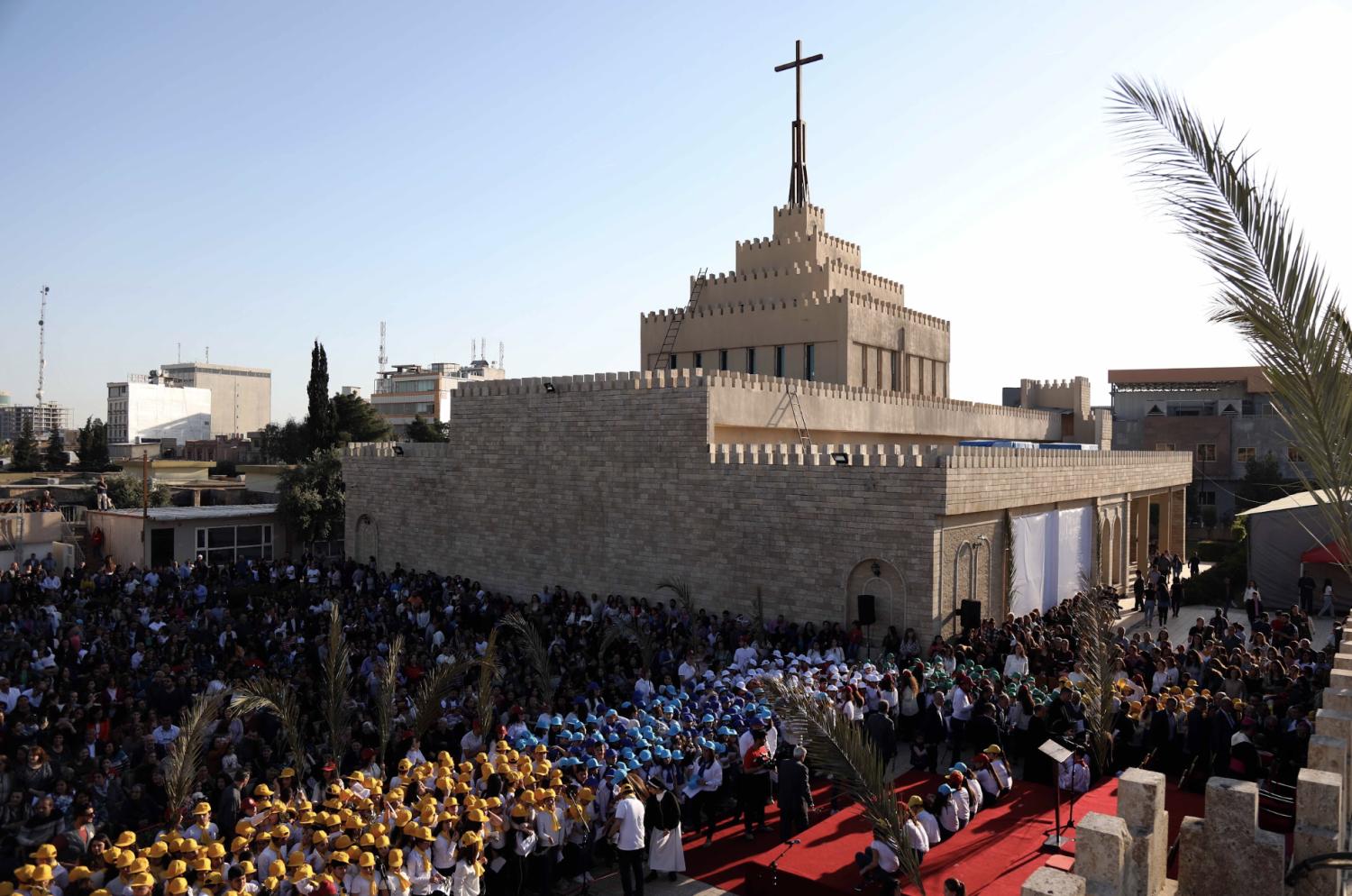
None of the above implies that everything is ideal. Coexistence is not an inevitability or a foregone conclusion. Like anywhere else, the Kurdistan Region continues to face challenges. Political tensions and economic hardships can exacerbate old divisions and create new ones. Sometimes the distance between groups widens rather than narrows.
For this reason, coexistence is an ongoing process that requires more than legislation or institutions. It is reflected in how people speak to one another, in what children learn in school, and in how issues are discussed in the public arena. These details may seem small but shape daily life in profound ways. There are differences here, of course, but this model is worth understanding.
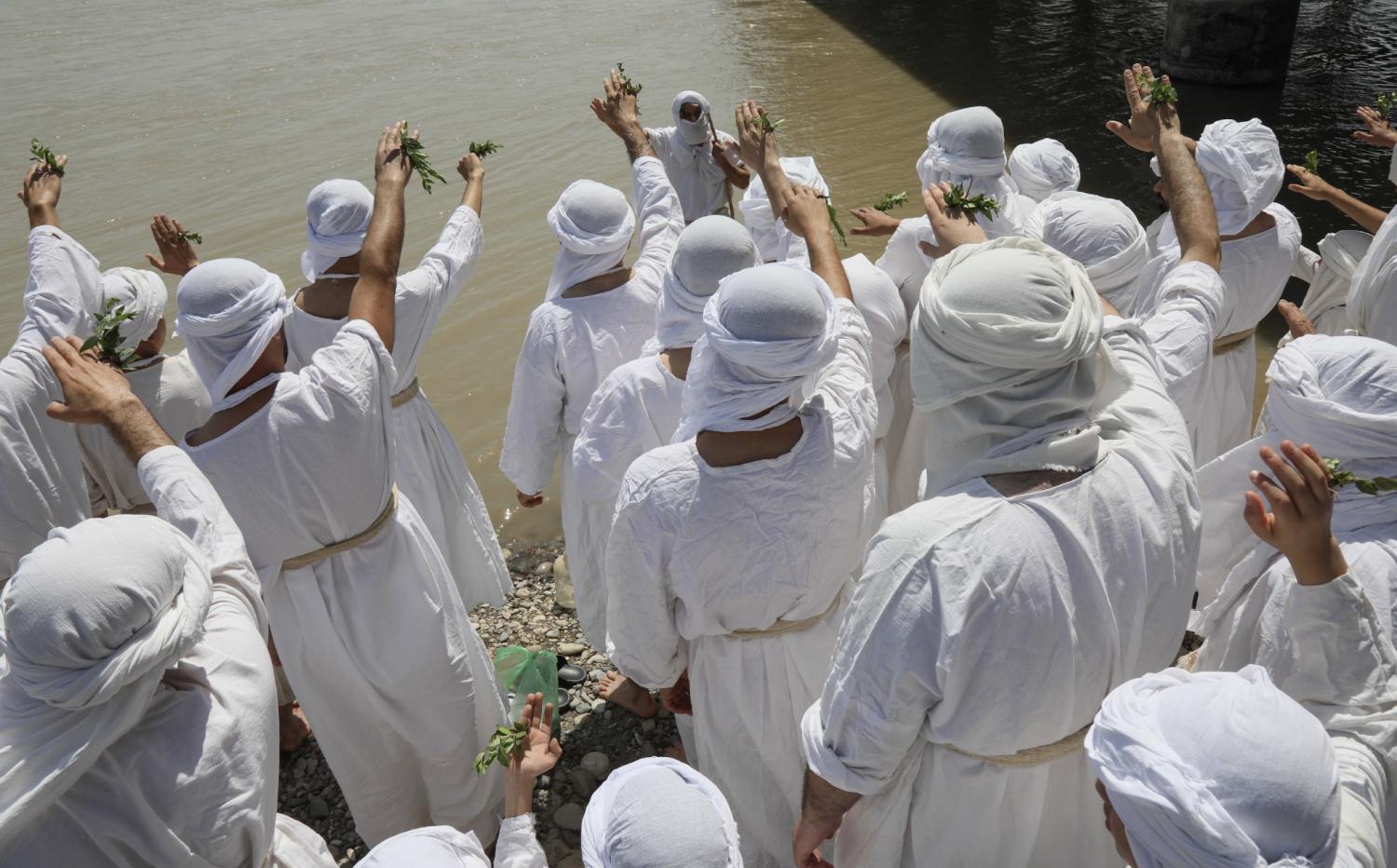
The real question is: how do people live with these differences without constant conflict? How can a population respect diversity while sharing the same spaces, routines, and responsibilities? The call to prayer and the ringing of a church bell might appear ordinary, but it reflects the underlying principles that govern everyday life.
Even in times of conflict, life cannot be suspended. Individuals live within a shared social environment. At the end of the day, coexistence is not a matter of public statements or policies; it is evident in the everyday interactions that sustain community life. That may be the greatest attribute of social coexistence: it is ever-present, yet easy to overlook.
holds a PhD in historical sociology and is a lecturer at the Department of Sociology and Social Work at Soran University, the Kurdistan Region.