Around 1,800 years ago, Jesus’ words were first translated in the heart
of Kurdistan
Today, the Christian Gospels — Matthew, Mark, Luke, and John — have been translated into over 1,800 languages. This accomplishment means that 99% of the world’s population can now read accounts of the life and teachings of Jesus Christ in a language they understand. These Bible translations have profoundly shaped world history; modern English, for example, has been deeply influenced by the 1611 King James Bible translation. What few people realize is that this vast translation effort likely began around 1,800 years ago in Erbil.
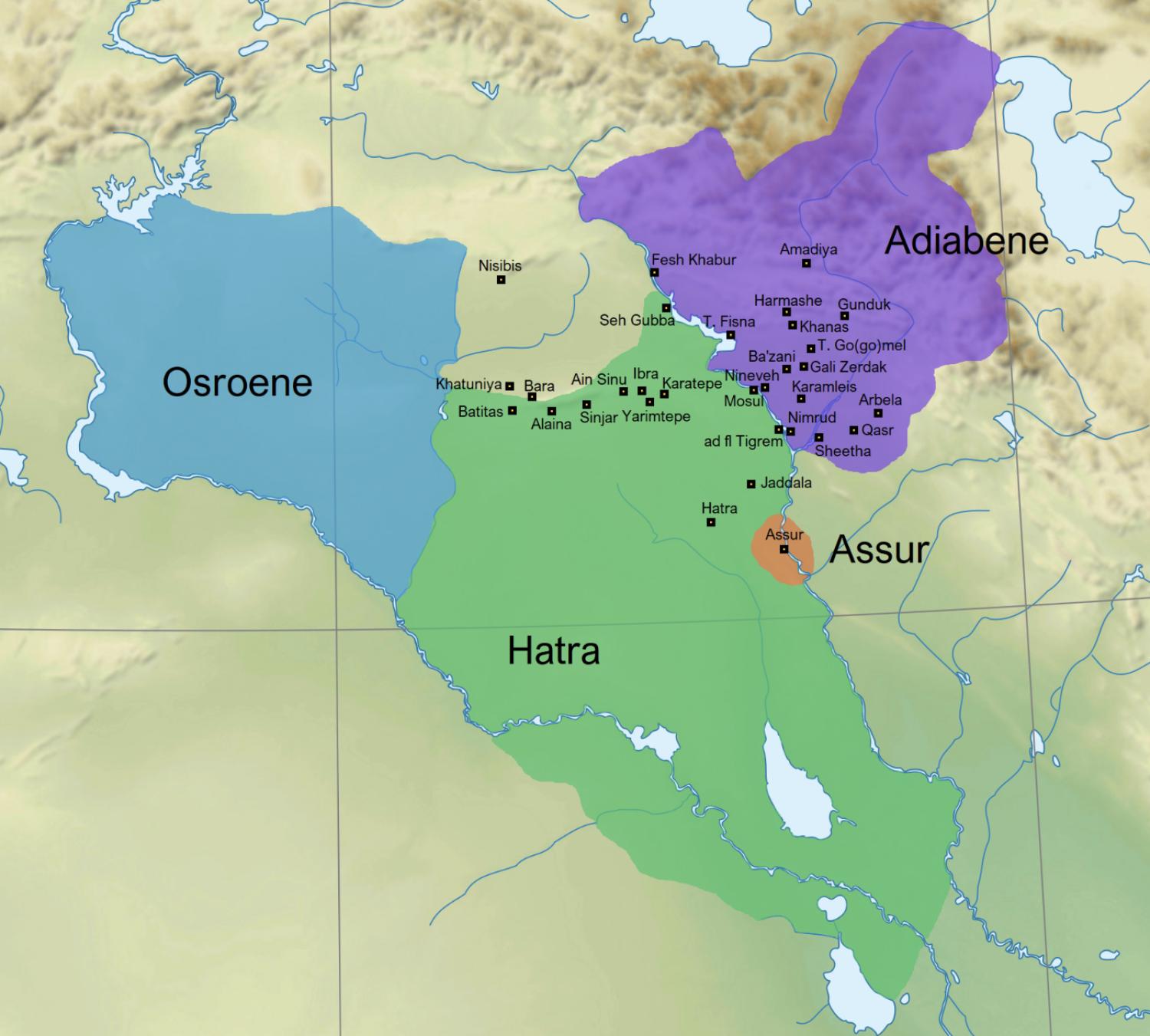
Back in the 2nd century AD, Erbil was known as Arbela, the capital of the kingdom of Adiabene. This kingdom existed between the two superpowers of the day: Rome to the West and Parthia to the East. Its culture reflected its position as a crossroads between the East and the West, with names discovered from this period reflecting a unique blend of Semitic, Persian, and Greek influences.
A native of Adiabene named Tatian traveled West to Rome, where he was shocked by the idol worship he encountered there. Eventually, Tatian became a Christian, studying under the prominent early Christian leader Justin Martyr. Tatian appears to have developed strict religious views that eventually caused friction with the Christian community in Rome. Whether for these reasons or others, he returned to his homeland, likely settling back in Arbela.
Diatessaron
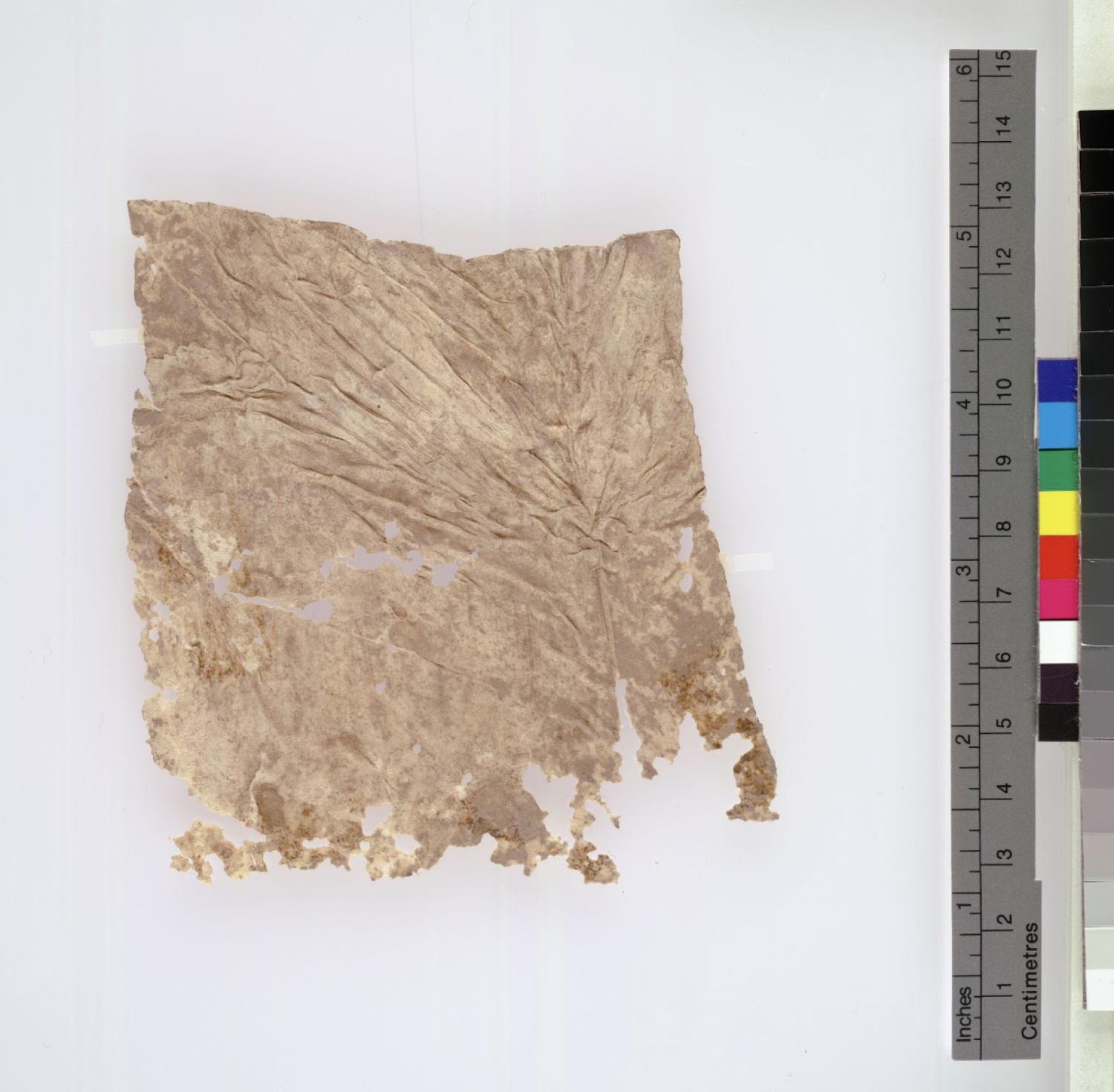
Upon his return, Tatian began his most influential work: the Diatessaron. At the time, the four Christian Gospels were only available in Greek, the common language of the Roman Empire. While Jesus himself likely spoke Aramaic during his ministry, the Gospel accounts had been written in Greek for the wider Mediterranean world. However, the most common language in Arbela and Adiabene was an Eastern form of Aramaic called Syriac. This language is the ancient form of what Kurdistan’s Assyrians and Chaldeans still speak today.
In the Diatessaron, Tatian sought to make the words of Jesus accessible to the people of his homeland in their own language. He decided to translate these books into Syriac, but he also took a unique approach. Rather than translating four separate books, Tatian harmonized the content of Matthew, Mark, Luke, and John into a single, continuous narrative. This is why his work is called the Diatessaron, which literally means “through four.”
While his choice of a paraphrased harmony rather than a direct translation was, and is, controversial, it proved to be extremely popular. The Diatessaron remained the primary Gospel text for Syriac speakers for the next 200 years. Copies spread across the Parthian empire and beyond. Some scholars believe that when early Islamic sources speak of one Injil, rather than four, this single-volume tradition may be the reason: the tribes of Arabia likely knew the Gospels through Tatian’s harmony rather than four separate books.
Tatian’s work was immensely significant. It made Jesus’ words accessible to the entire Syriac-speaking world, reaching from Egypt to India and into Central Asia. It also played a part in the remarkable spread of Syriac Christianity, which in turn had fascinating historical consequences, such as influencing the written script later developed for the Mongols.
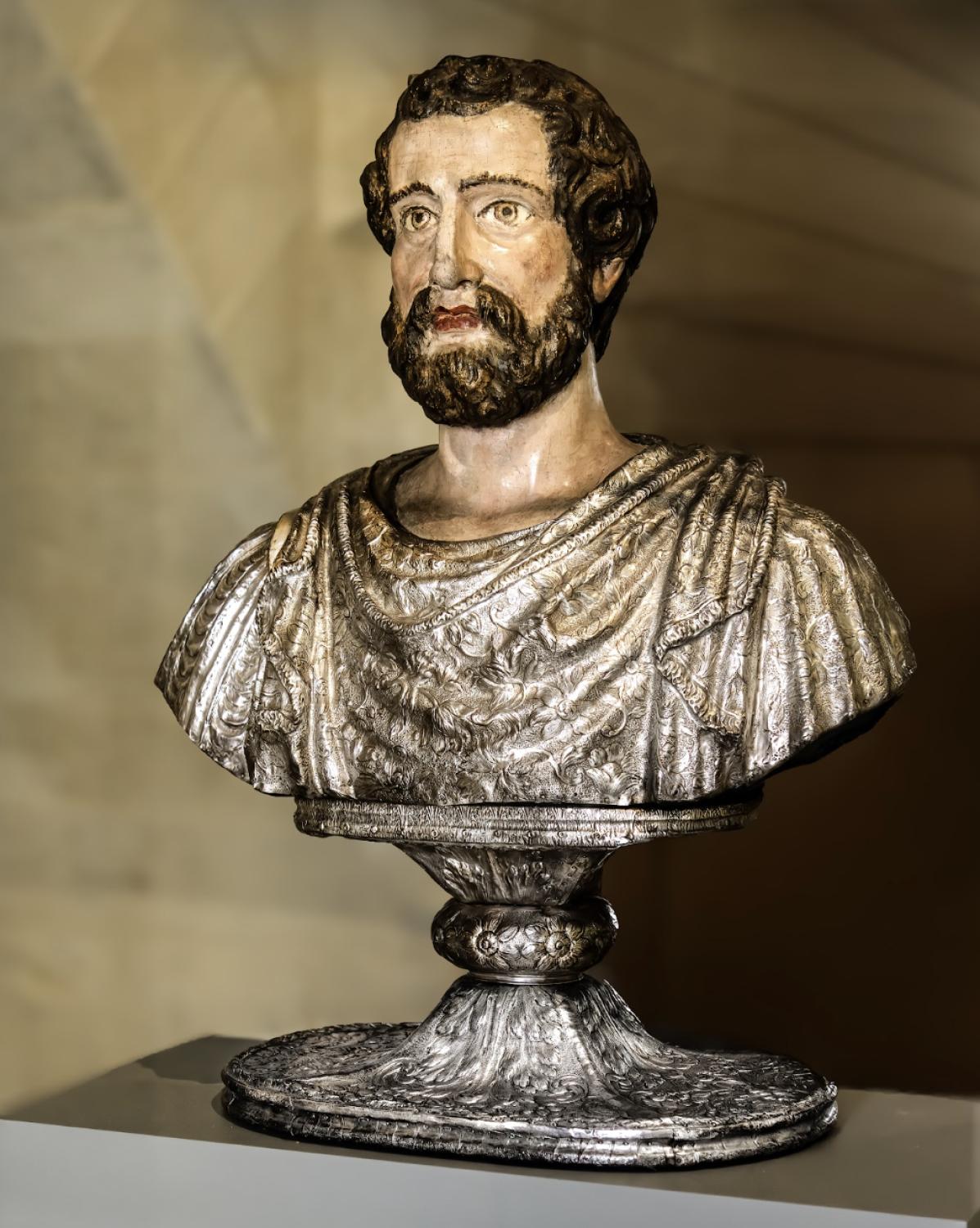
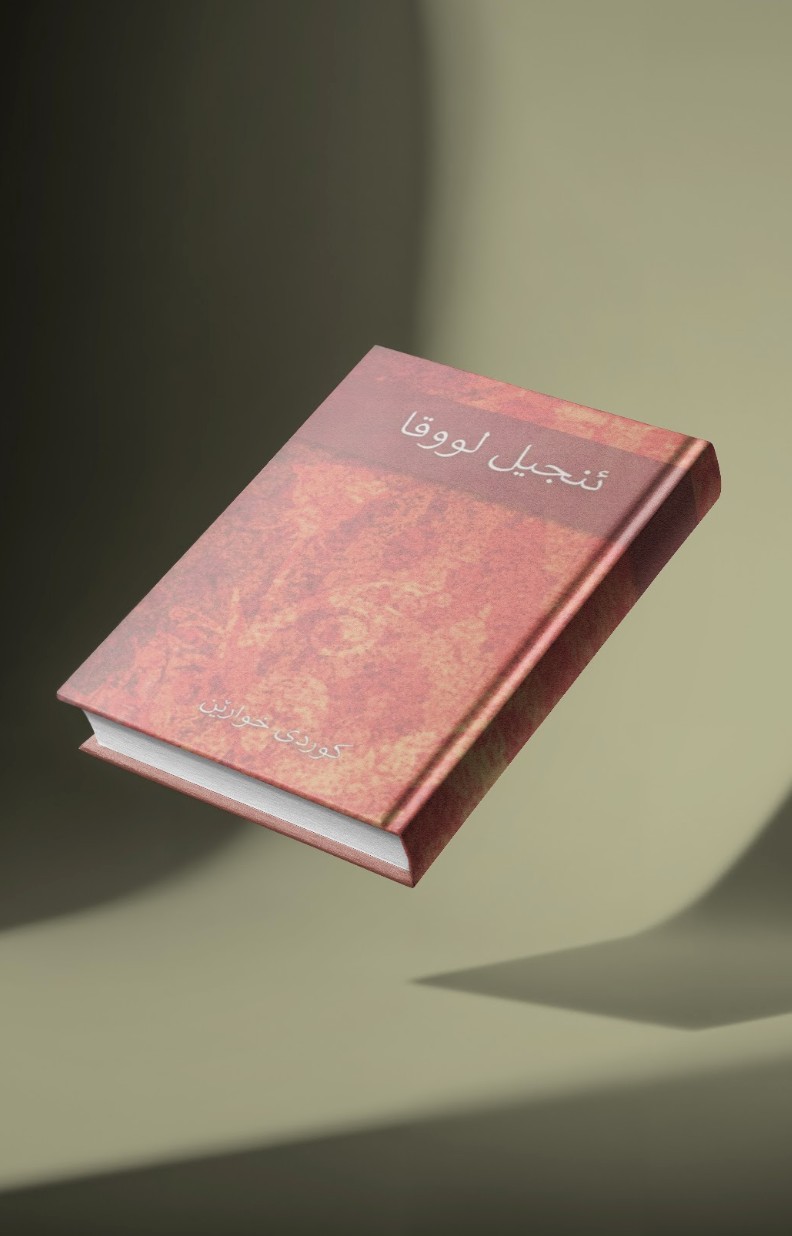
Crucially, Tatian’s work stands out as the very first example in history of a written Gospel translation. Countless translators have followed in his footsteps, leading many centuries later to the Sorani, Behdini, and Kurmanji versions that are available today. This effort continues, evidenced by recent translations such as a new Kalhuri Kurdish translation of the Gospel of Luke.
Where did it all start? Likely right here, in old Arbela. This legacy remains largely unknown today. Christians worldwide will undoubtedly continue their passion for translating the words of Jesus. After all, the complete Bible itself was originally written in three different languages: Hebrew, Aramaic, and Greek. As a collection of tens of ancient books, it’s full of dozens of loan words from other languages, such as Old Persian. Christianity has therefore been intertwined with translation from its earliest centuries.
In the meantime, it is fitting to celebrate the beginning of this story. There is a strong case to be made that the very first time the words of Jesus were translated and compiled in another language, it happened 1,800 years ago, right here in Kurdistan.
A researcher and educator who has worked in Kurdistan for a decade.