In memory of Faruq Rafiq, whose unanswered questions outlived him
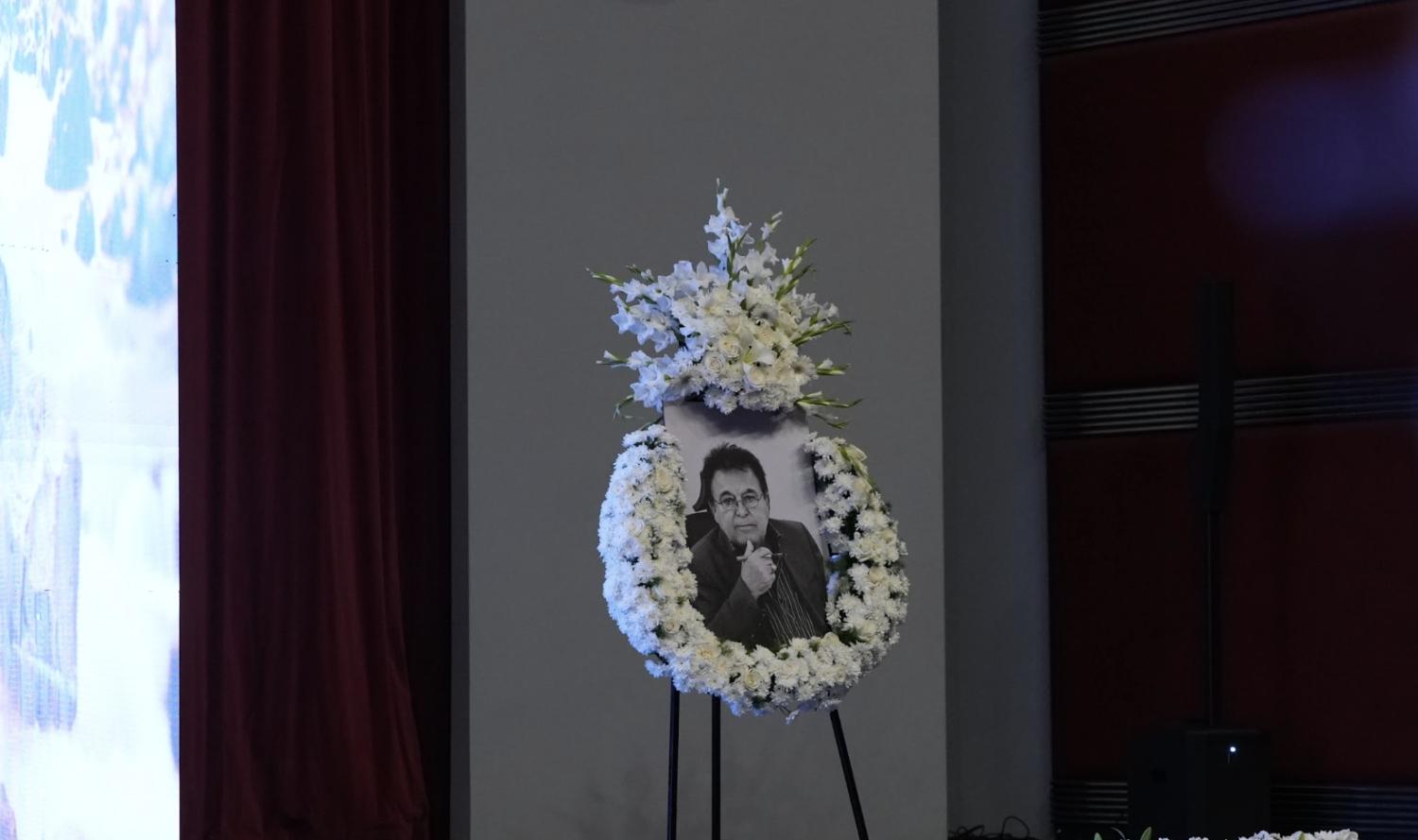
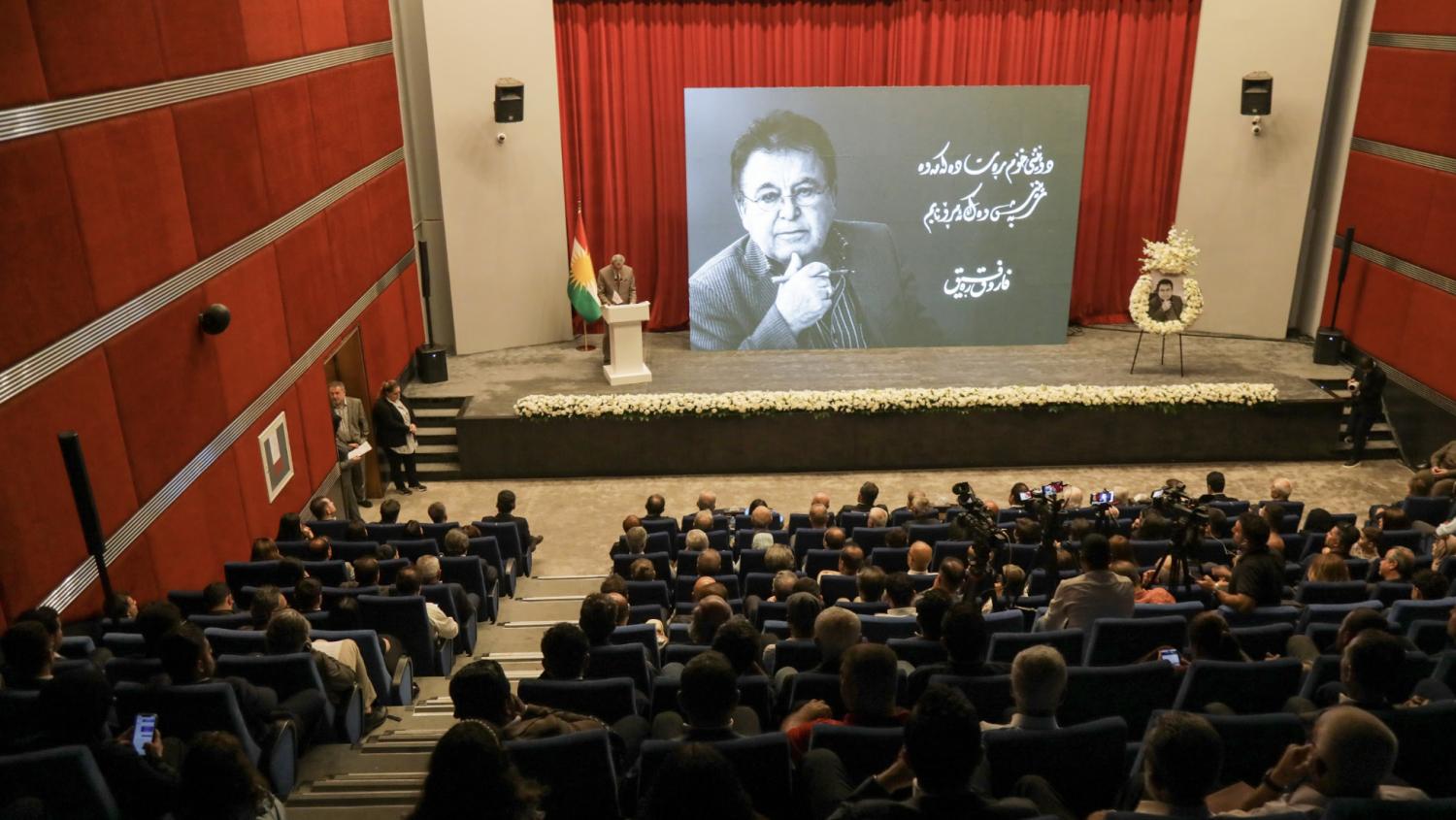
The Kurdish philosophy researcher and writer Farooq Rafiq passed away at his home in Erbil on April 28, 2026. His passing marks the end of a life devoted to intellectual and philosophical inquiry, but not the end of the questions he raised.
Rafiq studied and taught philosophy in Canada before returning to the Kurdistan Region. He later served as editor-in-chief of Awez, a philosophy journal, and taught classical Greek philosophy with a focus on Plato and Aristotle.
His writing mixed philosophy with politics and literature. His published works include Pax Americana, Communal Concerns, The Reconciliation of Mind and Love, In the Hour Before Midnight, and Philosophy and Life.
Beyond academia, Rafiq became one of the Kurdistan Region's most recognizable public intellectuals, engaging audiences through radio, television, newspapers, and journals. Yet his influence stemmed not from ideological certainty but from constant self-examination and revision. Over the years he drew criticism from across ideological divides, yet he never hesitated to engage political questions when he believed philosophical inquiry demanded it. What remained consistent was his opposition to ethnocentric thinking and his belief that philosophy should serve as a tool for confronting injustice.
Mysticism or Nuclear Power?
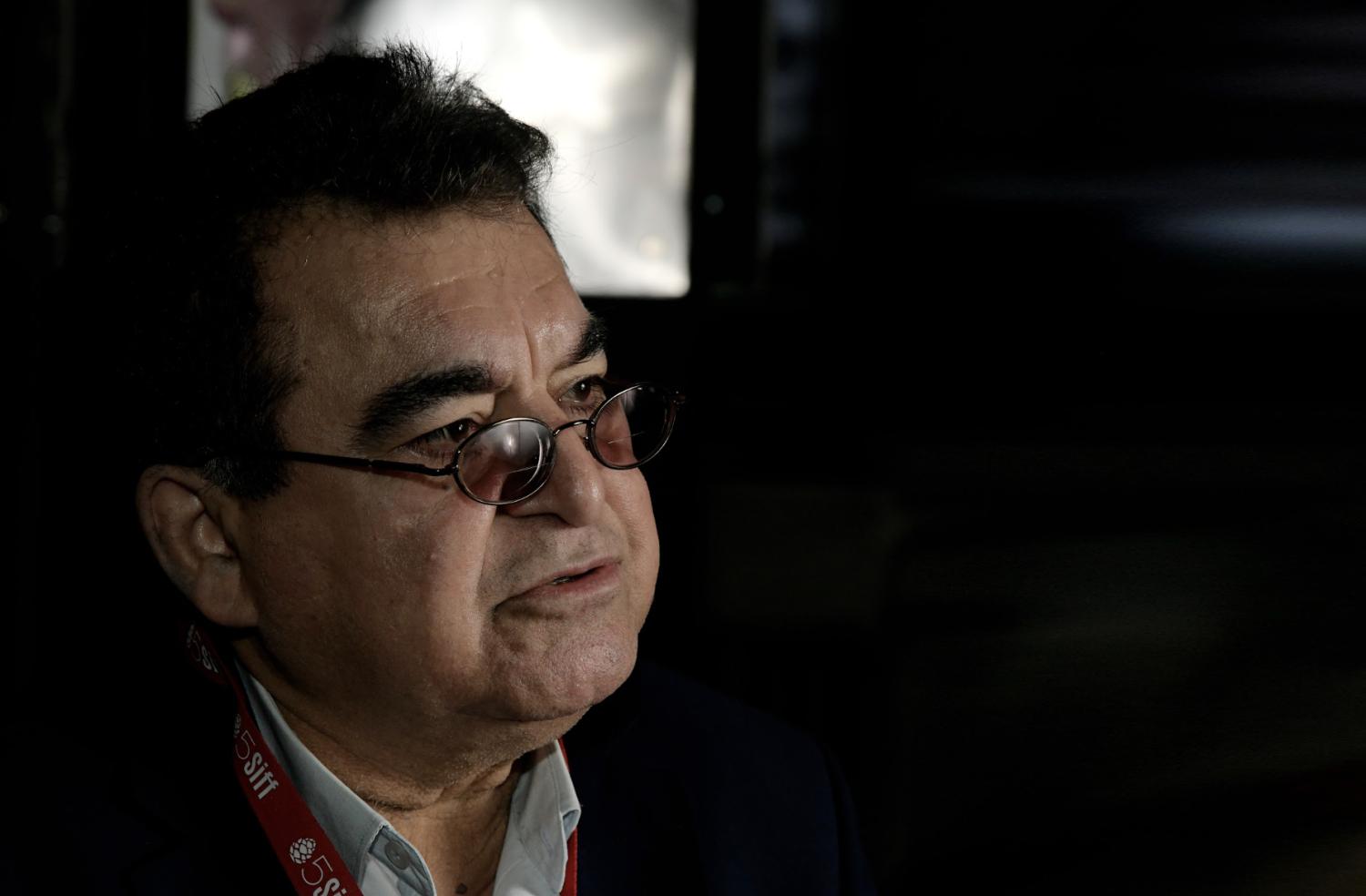
In a remarkable philosophical encounter, Rafiq questioned the Iranian political scientist, author, and reformist commentator Sadegh Zibakalam Mofrad, who stated that Kurds should return to mysticism – a field in which several Kurdish intellectuals were particularly influential during the Middle Ages. This position divided the public. Supporters pointed to the role of religion in the public domain, while detractors were angered that a political scientist would hint at a different pathway for a nation still battling for survival and recognition.
Rafiq approached the argument pragmatically, questioning why Kurds should be encouraged to retreat into mysticism by a commentator from a state where Kurds continue to struggle for recognition.
He asked whether it is logical for the Kurds to seek a return to mysticism while Iran is advancing its military capabilities: “Zibakalam has said that it is better for the Kurds to engage in mysticism… Why? Should you be engaged in making nuclear weapons while we engage in mysticism?”
Rafiq was not dismissing mysticism itself. Rather, he argued that Kurds should not be encouraged to embrace mysticism while neighboring states pursued military, political, and technological power. The question reflected both Rafiq's wit and his concern that such rhetoric could misdirect a people still struggling for recognition and political rights.
Power and Cultural Influence
States shaped by colonial histories often reproduce hierarchies through soft power and indirect politics. In Chinua Achebe’s novel Things Fall Apart, the character Obierika observes: “The white man is very clever. He came quietly and peaceably with his religion. We were amused at his foolishness and allowed him to stay. Now he has won our brothers, and our clan can no longer act like one. He has put a knife on the things that held us together and we have fallen apart.” Here the African novelist highlights the way colonialism can subtly change reality.
What makes Zibakalam Mofrad’s statement more political is his position as a member of the dominant ethnic group in his country. For Rafiq, the issue was not mysticism itself but the unequal distribution of power behind the recommendation. From a postcolonial perspective, suggestions about what a marginalized people should prioritize often carry assumptions about who is permitted to pursue power and who is expected to remain content with culture, spirituality, or tradition.
Historically, when a society is both divided and under political influence, its collective identity weakens from systematic pressure from the ethnocentric nation-state. Kurds in the Middle East have faced several waves of colonization and have similarly been marginalized within state systems dominated by Arab, Turkish, and Persian national frameworks.
Rafiq and Mysticism
Despite his criticism of Zibakalam Mofrad's argument, Rafiq was not opposed to mysticism. Instead, he opposed narratives designed to distract Kurdish people with mysticism while their aspirations, rights, and desires were being suppressed. He clearly understood the importance of Kurdish mystical traditions within religious life. However, Rafiq believed that questions of power ultimately shaped political outcomes in the Middle East.
Rafiq’s work serves as a warning about how dominant powers distract oppressed populations with ideologies that pose no threat to their systems. His objection was never to spirituality itself, but to the suggestion that oppressed peoples should focus on spiritual fulfillment while others accumulated political, military, and economic power. In that sense, the questions he raised continue to resonate long after his passing.
is an academic, political analyst, journalist, and translator