Why Kurdish thought understands love through absence
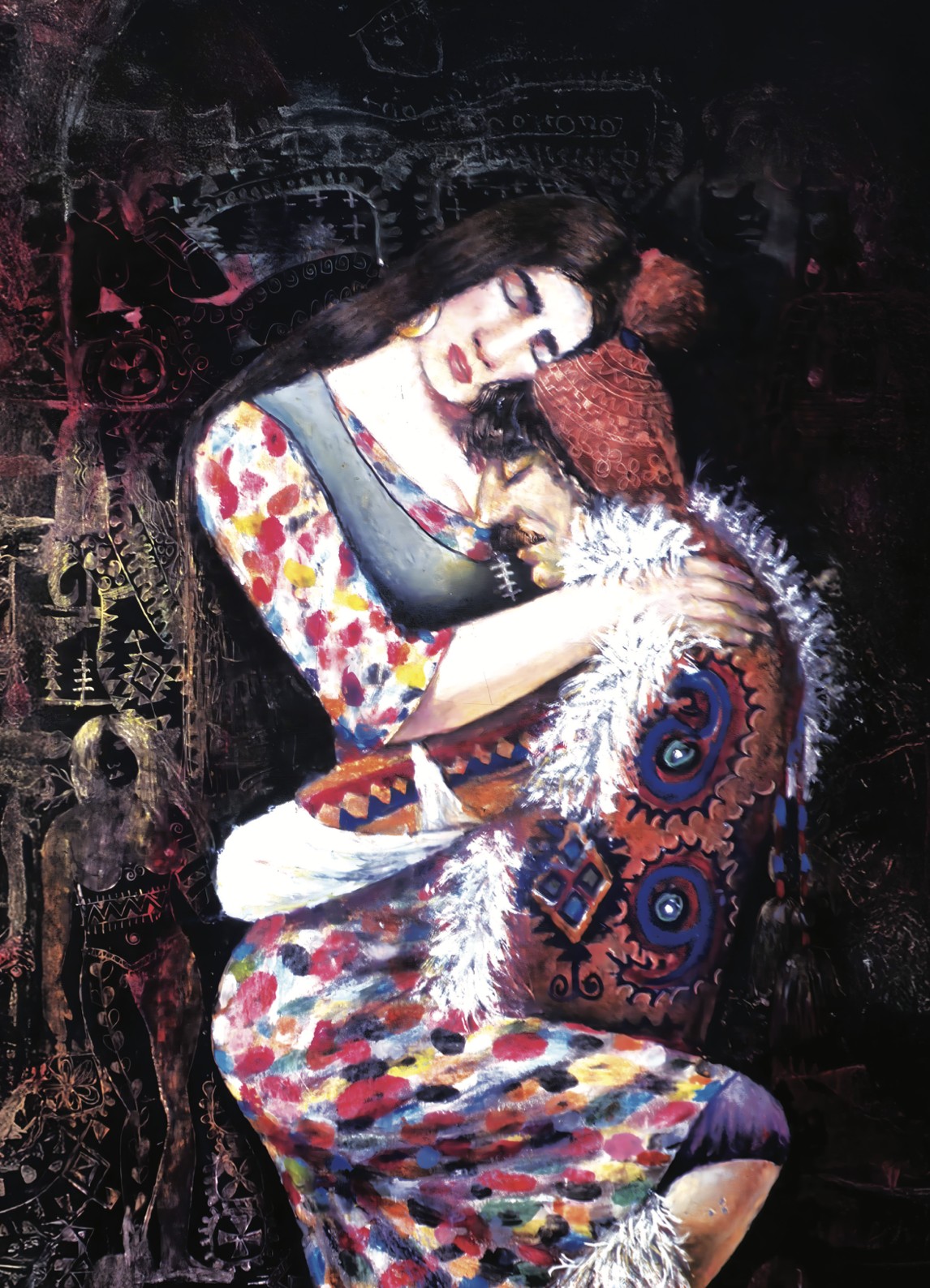
In the deep currents of Kurdish thought, love is the inner voice of existence, the first call the soul hears in darkness, and the search for meaning emerging from absence. Love becomes an ontological rupture, a psychological opening, a historical wound, and a poetic form of resistance. The Kurdish soul often understands love through absence rather than fulfillment — in this way, love becomes the attempt of a fragmented world to reassemble itself.
In the poetry of Melayê Cizîrî, love is not a feeling descending from heaven to earth, but a flame rising from earth toward heaven. In his poetry, the beloved becomes the visible form of truth itself. The lover turns inward, falling into his own existence, learning to burn within the limits of his own being. In Cizîrî’s world, love becomes a primordial vibration that carries existence itself. Knowledge comes through thinking, but also through spiritual burning, because truth is sometimes revealed not in the silence of reason, but in the fire of the soul.
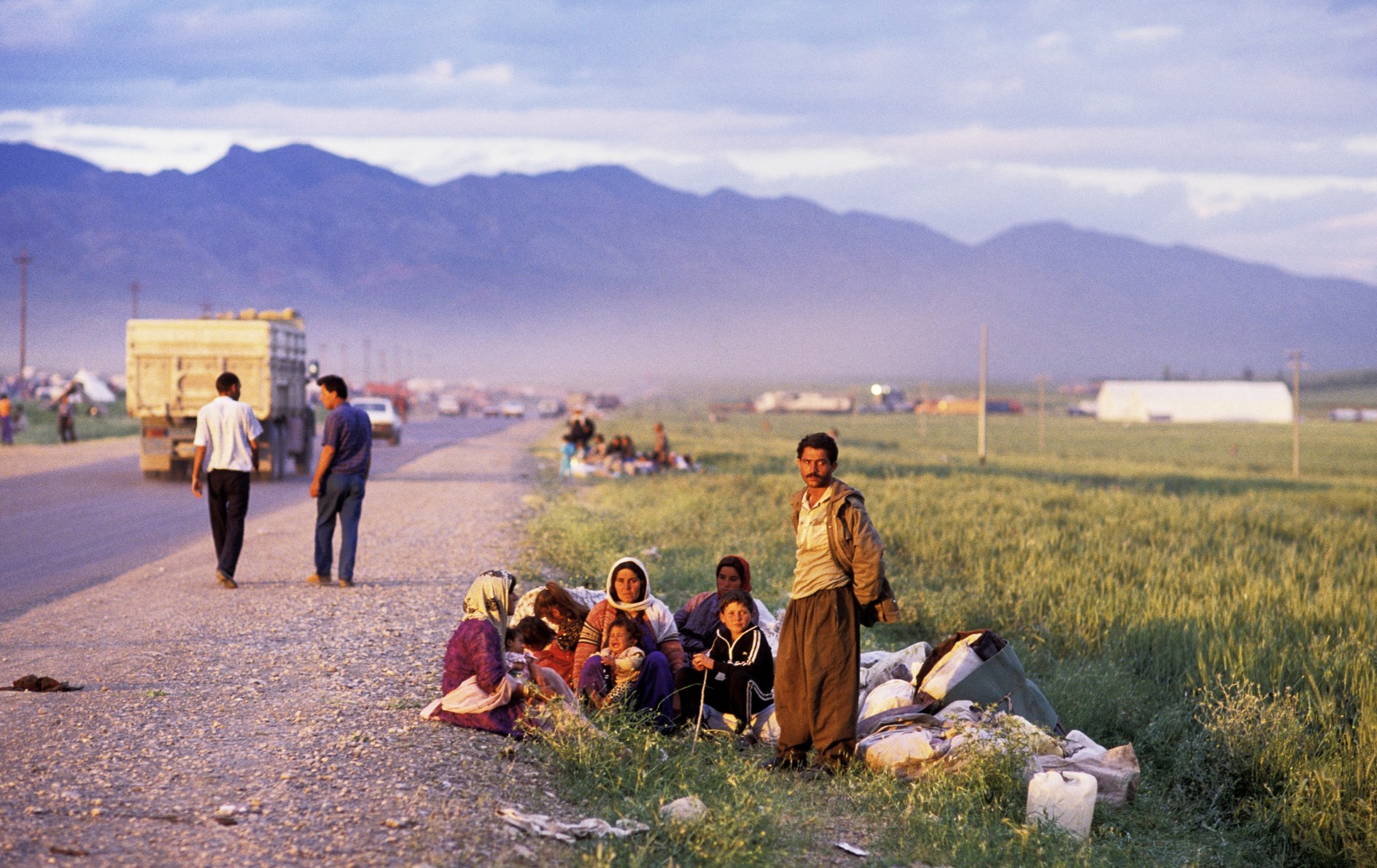
In the works of Ehmedê Xanî, love acquires a historical, social, and tragic dimension. Seen through this lens, Mem û Zîn is the record of a people’s incompleteness, a geography’s fragmentation, and a soul’s inability to reach its own wholeness. Here, love becomes the language of collective absence rather than individual happiness. The impossibility of union between Mem and Zîn is the wounding of meaning, justice, and unity itself. Love thus becomes an embodiment of collective pain.
In this sense, absence is not a flaw in the Kurdish metaphysics of love; it is its defining feature. Human beings think because they are incomplete. The self does not gain depth through satisfaction, but through its rupture by love. Psychologically, this is the confrontation of the self with its own limits. Love cracks the shell of the ego and brings forth everything hidden within: longing, fear, trust, loss, hope, and even pain. In Kurdish thought, love reveals the wound at the core of every human being.
Love, Being, and Philosophical Dialogue
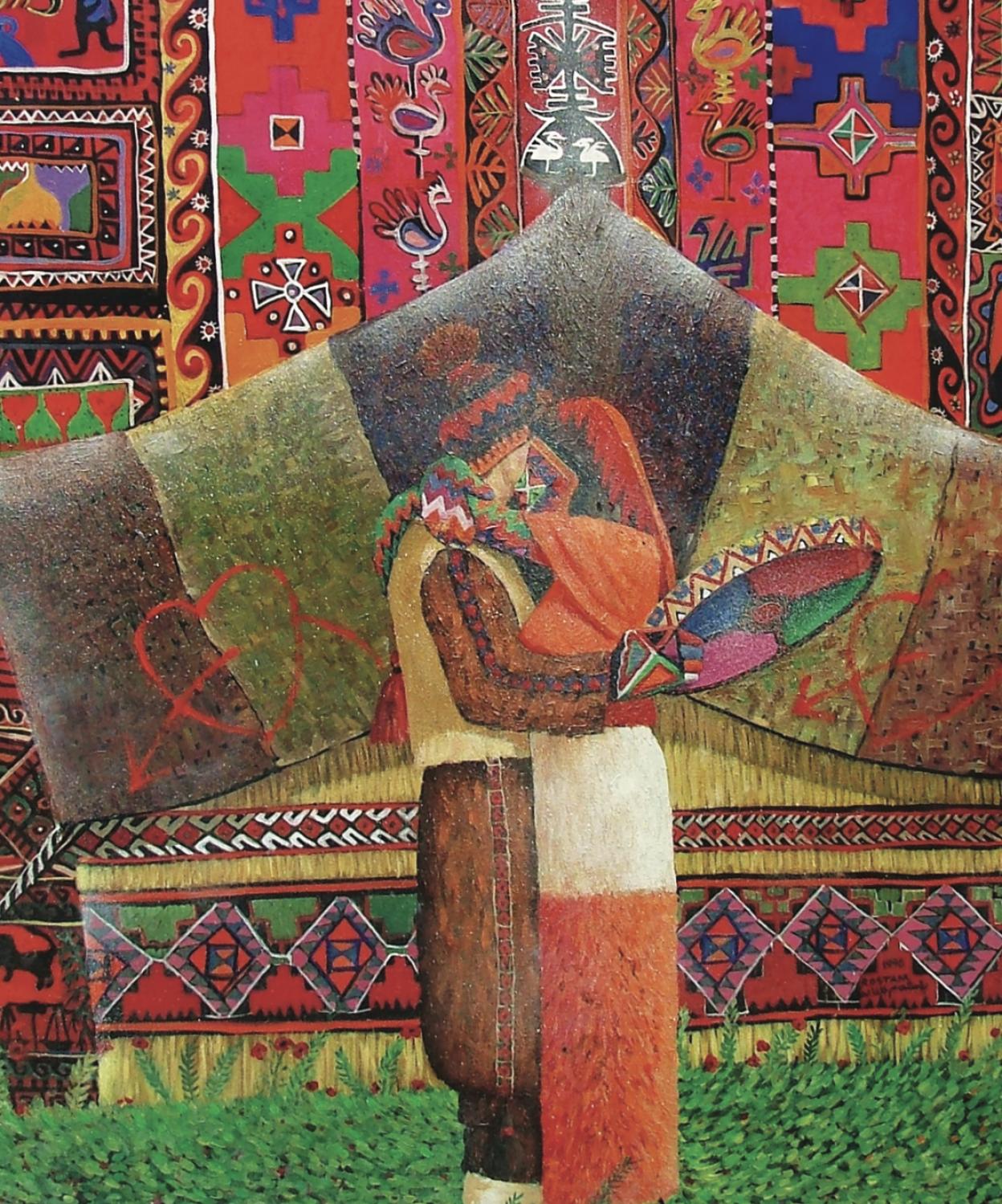
From this perspective, a parallel with Martin Heidegger becomes visible. For Heidegger, being is not a collection of entities but an unfolding disclosure; human existence lives within this openness. In Kurdish poetic metaphysics, being also unfolds, but through love. This openness resonates with affect and imagery rather than remaining an abstract ontological field. Being becomes visible through the experience of being loved. Love becomes the ontological climate in which being itself becomes perceptible.
For Baruch Spinoza, love leads to the serene joy of knowledge. The unity between God and Nature expresses itself as necessity, producing intellectual peace. In the Kurdish metaphysics of love, however, unity is never serene. Unity exists, but it is incomplete; it is seen but never grasped, felt but never possessed. Where Spinoza’s wholeness emerges from rational order, Kurdish wholeness emerges from fragmentation. Love begins with a wound rather than completion.
Sufism offers the closest parallel to this vision. The idea of being as manifestation, the human as mirror, and love as the path to truth strongly echoes Kurdish poetic thought. Here, Kurdish language, both expressive and generative, becomes the very home of being. Metaphor becomes a vehicle for expressing truths that can only be spoken through rupture, ambiguity, and poetic intensity.
Love After Modernity
From a modern lens, however, this metaphysical horizon fractures. Being shifts from revelation to history, from poetry to analysis, and from love to questions of identity, trauma, and struggle. This transformation is both a loss and an awakening. The cosmic weight of love diminishes, but its psychological depth intensifies. Love becomes entangled with memory, collective suffering, and ethical responsibility. It no longer belongs solely to the metaphysical realm, but enters history.
Here, Friedrich Nietzsche marks a crucial threshold. In Nietzsche’s tragic world, life is not grounded in fixed meanings; values must be created, and meaning must be continuously reconstituted. Kurdish thought resonates with this tragic horizon, yet it experiences it differently. In Nietzsche, destruction leads to creative power; in Kurdish thought, destruction preserves the wound. Where Nietzsche turns tragedy into strength, Kurdish metaphysics turns it into longing. One creates values from loss; the other carries meaning through loss.
Thus, the secularization of love in modern Kurdish thought is not the death of love, but its transformation. Love expands into memory, justice, identity, and solidarity. In this reading, Mem û Zîn is both a love epic and a text of collective consciousness and historical fragmentation. Love survives, but no longer as a central cosmic force; instead, it becomes a subtle presence within language, memory, and ethical persistence.
Ultimately, in Kurdish thought, love remains the deepest voice of being. It is sometimes divine manifestation, sometimes historical rupture, sometimes psychological lack, and sometimes a silent resistance embedded in poetry. For the Kurdish human being, love is a mirror that forces one to reexamine oneself and the world. In that mirror, one sees both self and loss, both longing and dignity, both wound and vitality. Perhaps this thought is best captured in a single idea: in Kurdish thought, love is not just a wound in the human heart; it is the deepest trace through which being becomes visible.
is a Professor of Social Sciences at Ankara Yıldırım Beyazıt University.