How Sazan Amin turned her hometown dialect into a powerful personal
brand
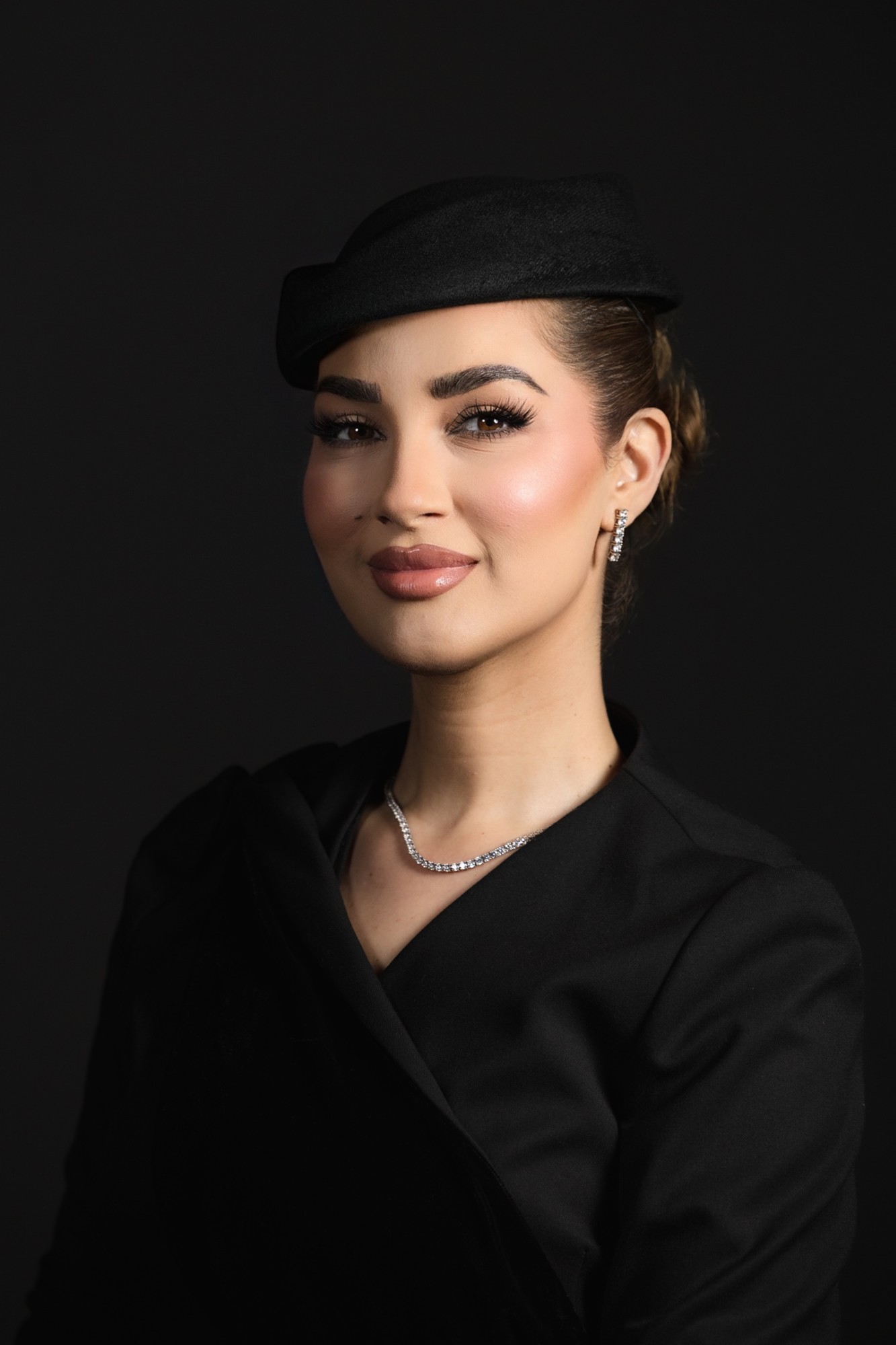
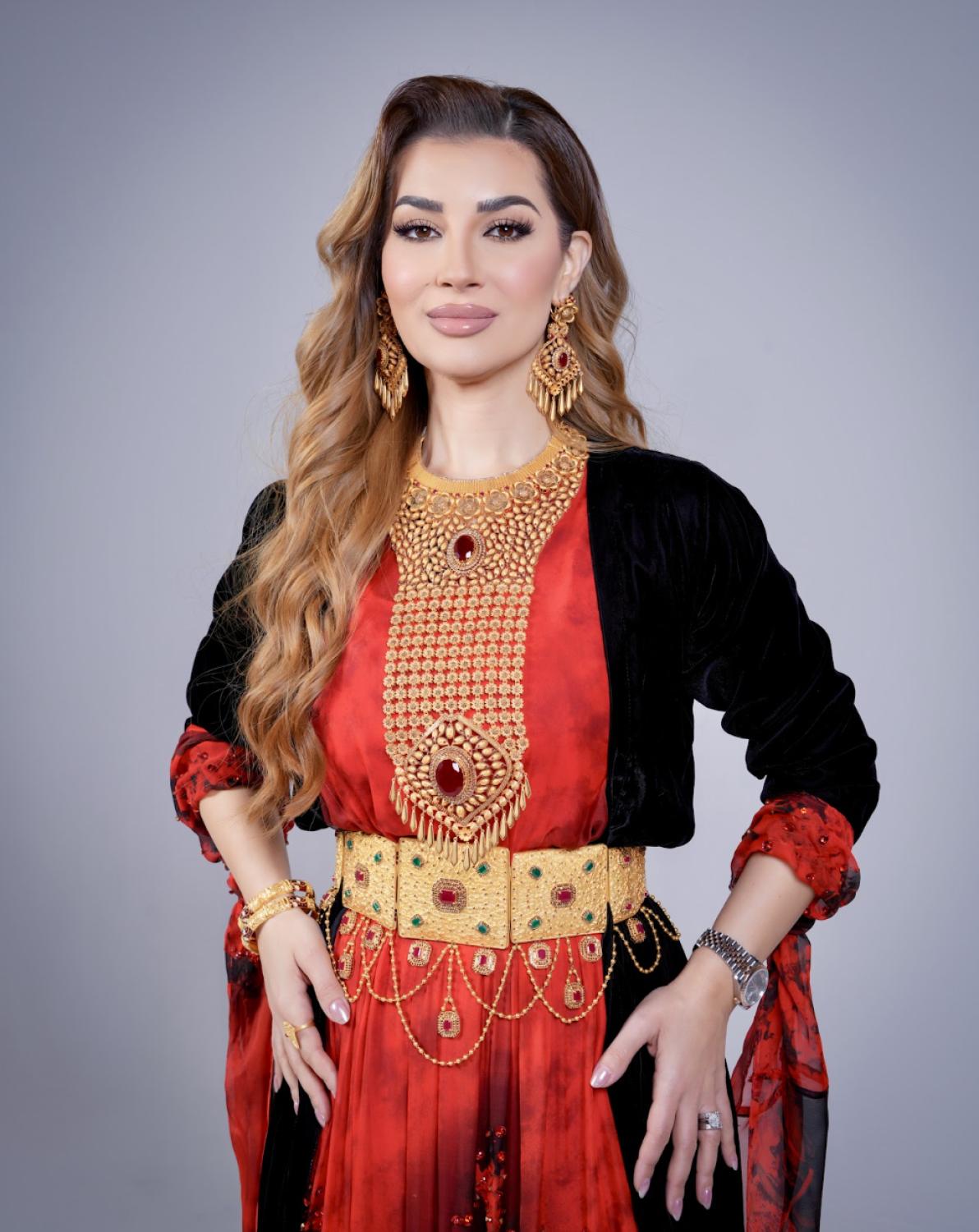
Sazan Amin, a cosmetologist and businesswoman from Erbil, built her following on social media around an unusual strength: she speaks in the distinct Kurdish dialect of her hometown. People were surprised that someone raised in Europe spoke it so fluently — and in a media environment shaped by more standardized forms of speech, that local authenticity helped her audience grow into one of the largest in Kurdistan's beauty industry.
Language Loyalty
Sazan was born in the Shorsh neighborhood in Erbil in 1984, to a Barzinji father and a Dizayee mother, before immigrating to Denmark with her family in 1990. Growing up as part of the Kurdish diaspora, she could easily have drifted from her mother tongue — but her father made sure that didn't happen. Kurdish, and specifically the dialect of Erbil, was the only language permitted at home.
“My father would not allow us to speak Danish at home. That is why we speak Kurdish so well,” she told Kurdistan Chronicle in an exclusive interview.
This insistence would shape her online persona decades later. When Sazan began posting videos on Snapchat in 2013, she greeted her followers in the dialect of Erbil — and the response surprised even her. Relatives and friends who knew she had spent most of her life in Denmark were struck by how naturally she spoke it. "I am proud of our local dialect," she said. Using it became her signature, and a key factor in her reach across both Kurdistan and the diaspora.
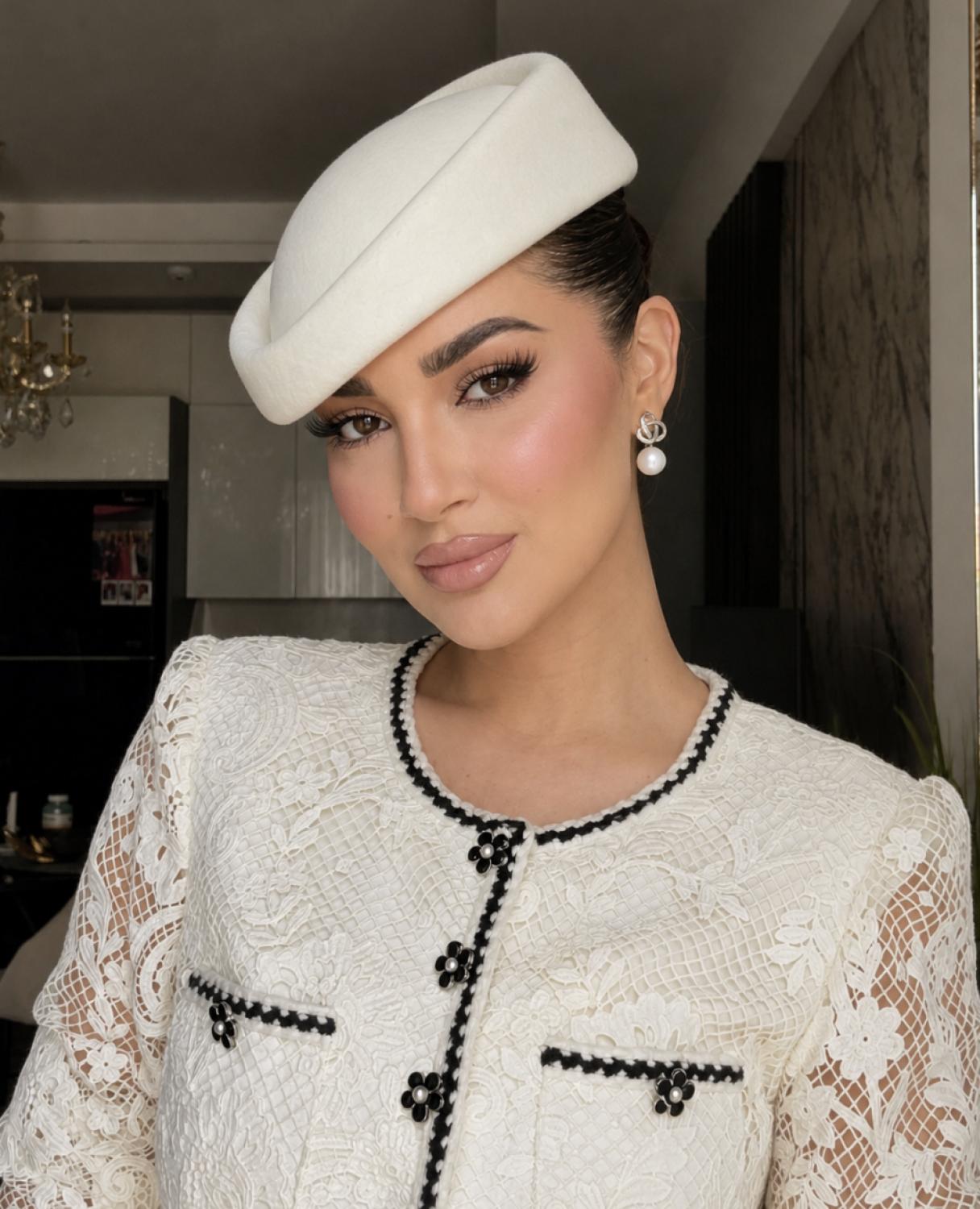
In addition to Kurdish, she speaks Arabic, English, Danish, and Swedish — a range that reflects both her background and the international aspirations of her brand.
Diasporic communities often assimilate into the languages of their host countries over time, losing touch with their heritage. For Sazan, her father's insistence on Kurdish at home proved to be anything but a limitation — it became the foundation of her public identity that later made her famous online.
Her path there was equally unconventional. What began as a childhood interest gradually became serious enough to pull her away from a stable medical career. Before cosmetology, Sazan spent nearly a decade working in dentistry. Soon after getting married, she made the decision to change course. The transition wasn't easy — she struggled to afford the course fees — but with her husband's support she committed fully.
"If it hadn't been for my husband's help, I would never have made it."
She was always the first to arrive and the last to leave, and within six months had her certification and a clear sense of direction.
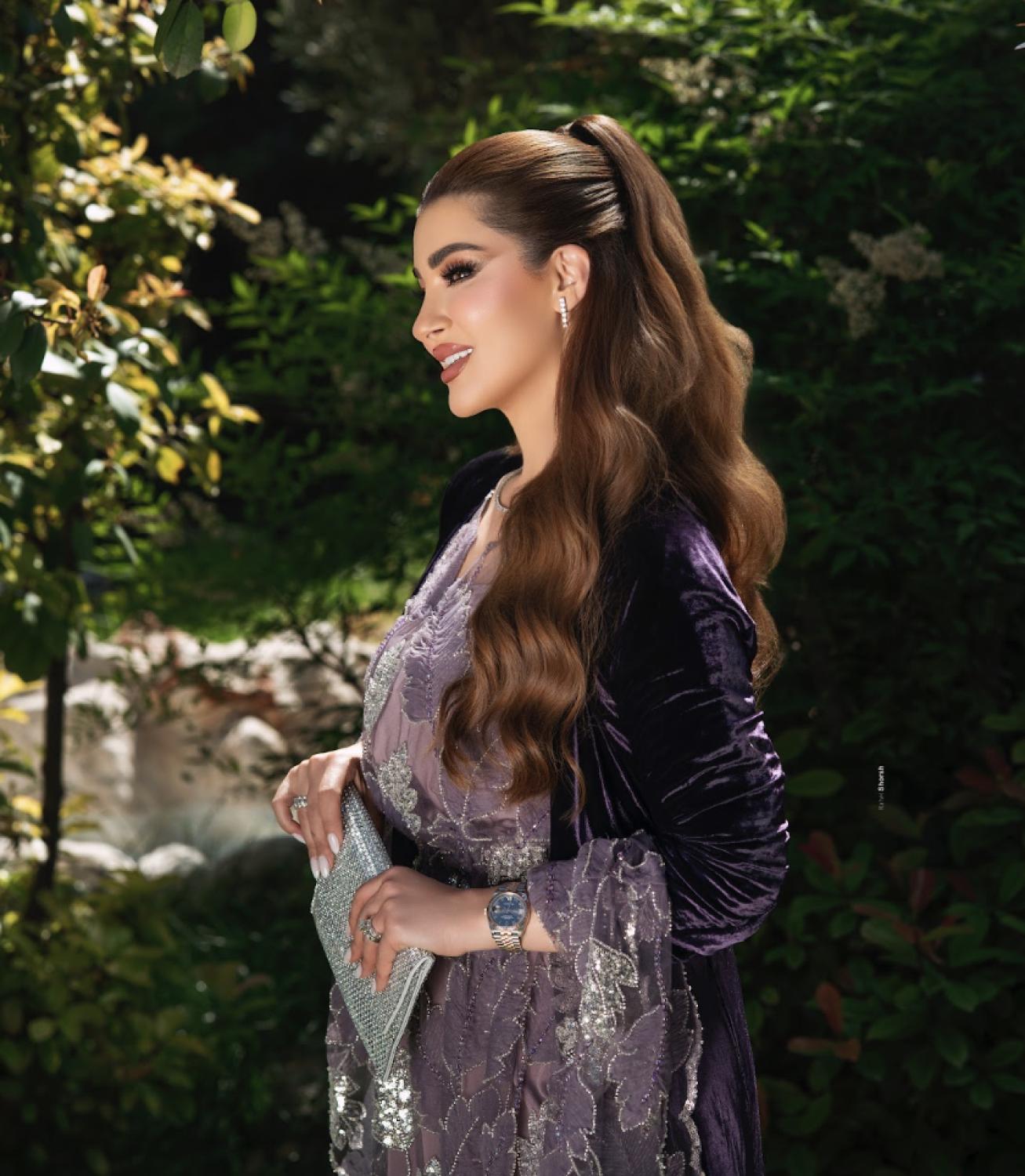
From Kurdistan to Denmark and Back
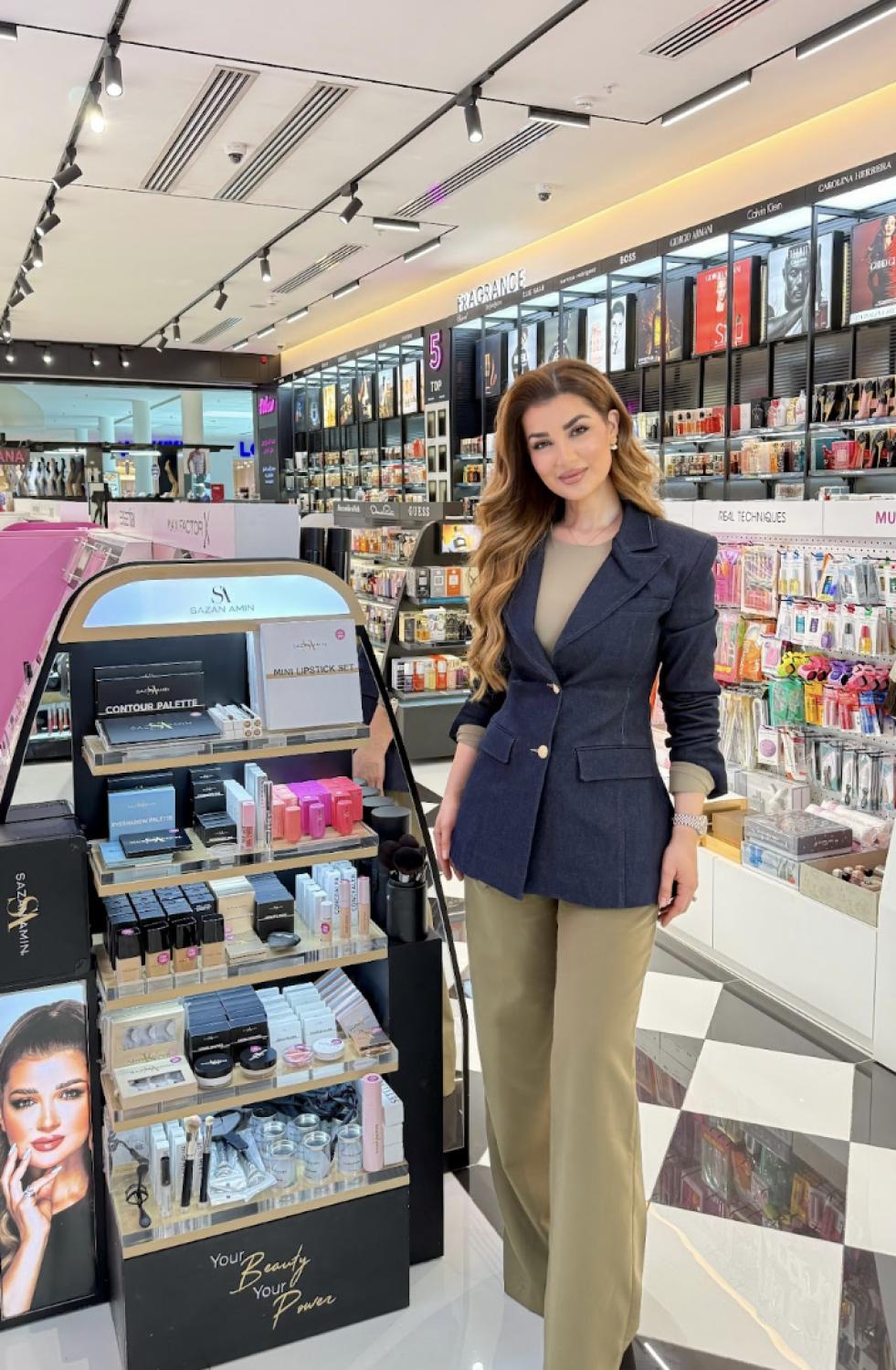
Sazan launched an eyelash brand that became the foundation for a broader product line. She now offers over 40 cosmetic products available online and in markets across the Kurdistan Region, and teaches cosmetology courses offering internationally recognized certificates. Her training courses draw students from across the region, many of them women looking to enter the beauty industry professionally.
Sazan’s products are manufactured in Germany, Denmark, and Italy, and distributed locally through her Kurdistan-based company. She is currently planning to open branches in Baghdad and the UAE.
Her daily routine reflects the demands of running an international brand from a base in Denmark. She reserves time each morning for emails and social media, and switches off her phone between 11pm and 6am. She is also deliberate about the tone of her online presence: when tragedy strikes in Kurdistan or elsewhere, she steps back from content entirely. "It is vital to know — God forbid, if something were to happen in our Kurdistan — I would not sit, put on makeup, and listen to music on such occasions."
Supporting Her Sisters
Beyond business, she takes a hands-on approach with her followers, regularly sharing skincare advice and tutorials alongside her product content.
Sazan sees her platform as a resource for Kurdish women, encouraging them to see their cultural identity not as a barrier to global ambitions but as a distinctive strength. She offers training courses and mentorship and is direct about what drives her: “I want to support women so that they can stand on their feet without disregarding Kurdish traditions, because every woman with self-respect and confidence can accomplish whatever she wants.”
In many ways, her success reflects a broader shift within Kurdish society itself: the growing confidence of women building public careers while remaining rooted in local identity and tradition. Her story makes the case better than any slogan. Originality, she has shown, is not an obstacle — it is the point.
Kurdistan Chronicle is a monthly English-language magazine based in the Kurdistan Region of Iraq