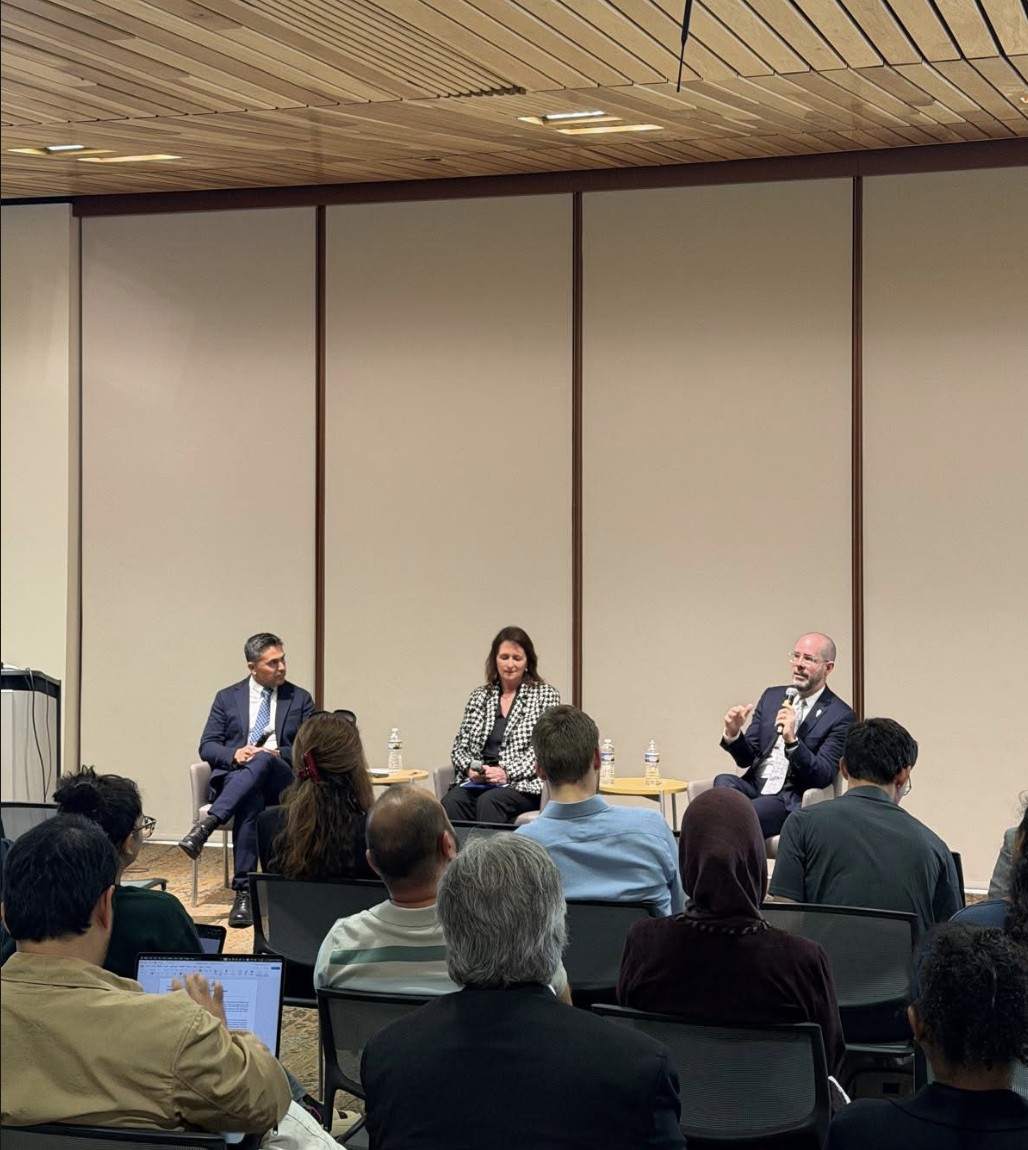
On October 13, 2026, the Global Kurdish Initiative for Peace (GKIP) at American University in Washington, D.C., hosted a panel discussion titled “Kurdistan: Faith, Tolerance, and Peaceful Coexistence.” The event brought together university professors, students, and foreign policy experts to examine the Kurdistan Region’s longstanding model of religious tolerance and minority inclusion.
Moderated by Yerevan Saeed, Barzani Scholar-in-Residence and Director of GKIP at American University’s School of International Service, the panel featured prominent human rights and religious freedom advocates, including Nadine Maenza, Chair of the Institute for Global Engagement, and Knox Thames, Executive Director of the Everett Center for Global Religious Freedom at Dallas Baptist University.
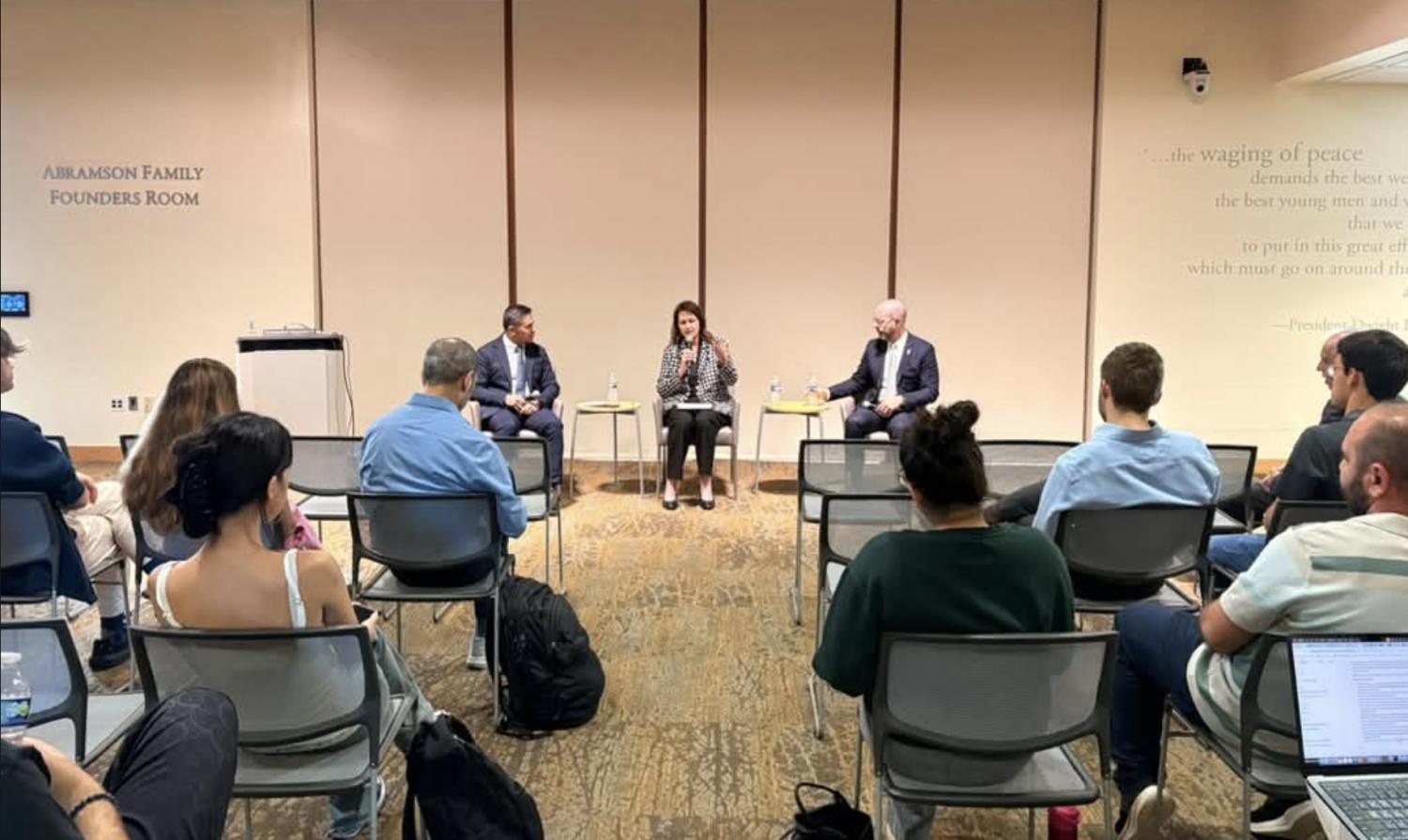
Opening the discussion, Saeed highlighted that while the widespread displacement of Christians and other minorities across the Middle East has drawn growing concern from Western countries, the Kurdistan Region has served as a crucial sanctuary where these communities have found safety and remained active participants in public life.
“After ISIS, the Kurdistan Region opened its doors to minorities, particularly Christians,” Saeed noted. “As communities have been forced from their homes in different parts of the Middle East, Kurdistan has become a hub for coexistence — a place where different religious communities can live together and maintain their identity.”
The Kurdistan Region boasts a long history of pluralism that sets it apart from much of the wider region. For generations, individuals of diverse faiths — including Muslims, Christians, and Yezidis — have lived side by side in the same towns and villages. Maenza described this religious coexistence as a foundational element of the region’s identity.
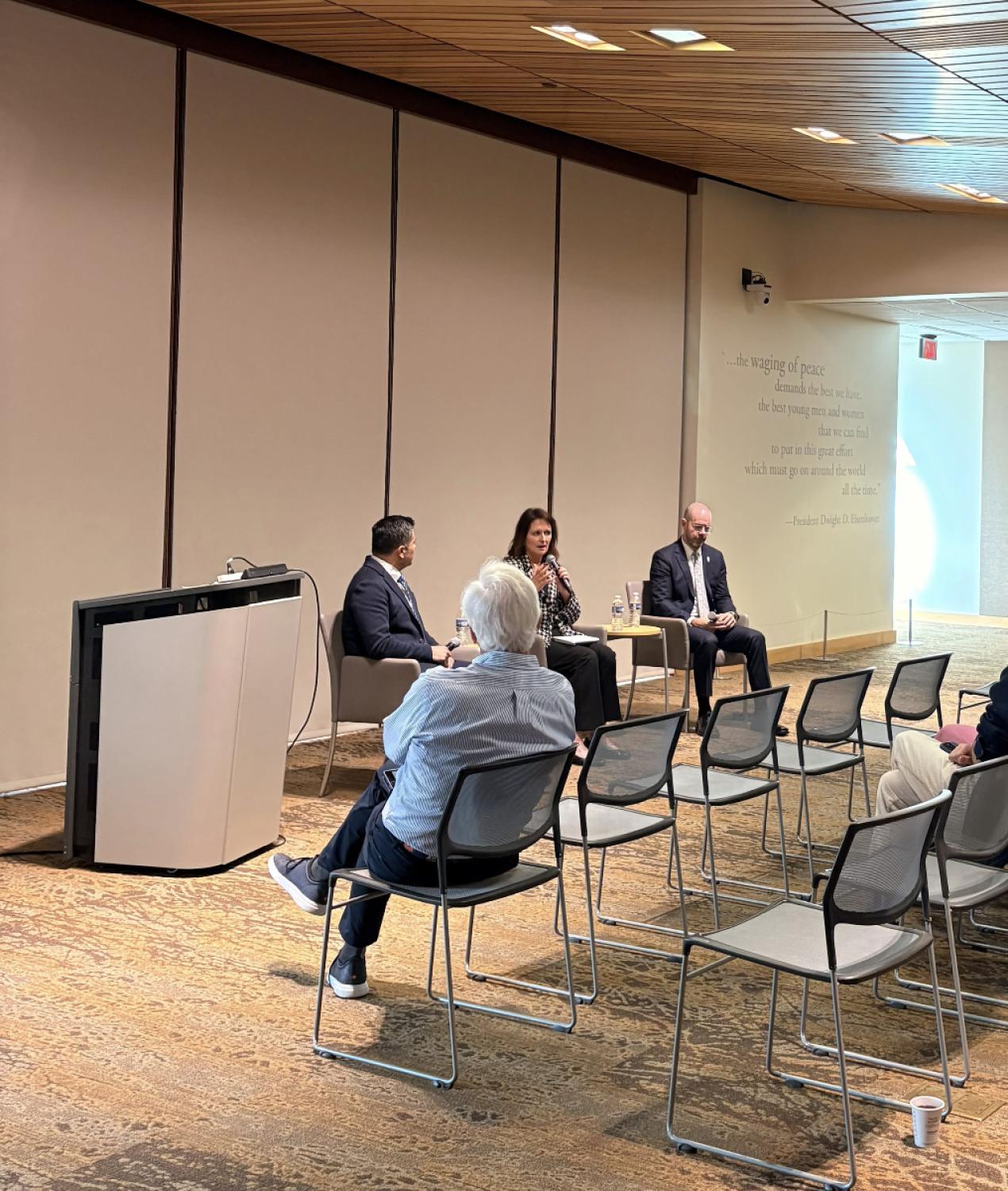
“It’s special how, for so many years, you’ve seen religious communities live among each other,” Maenza said. “I love the example of the Barzan district, where you have a synagogue, a mosque, and a church — all ancient buildings — built side by side. It beautifully demonstrates this rich religious diversity.”
The panel contrasted Kurdistan’s stability with the severe atrocities religious groups have suffered elsewhere in Iraq. Before 2003, Iraq was home to an estimated 1.5 million Christians; however, decades of targeted violence forced hundreds of thousands to flee. While many sought refuge in the Kurdistan Region, others emigrated abroad, leading to a drastic decline in Iraq’s Christian population.
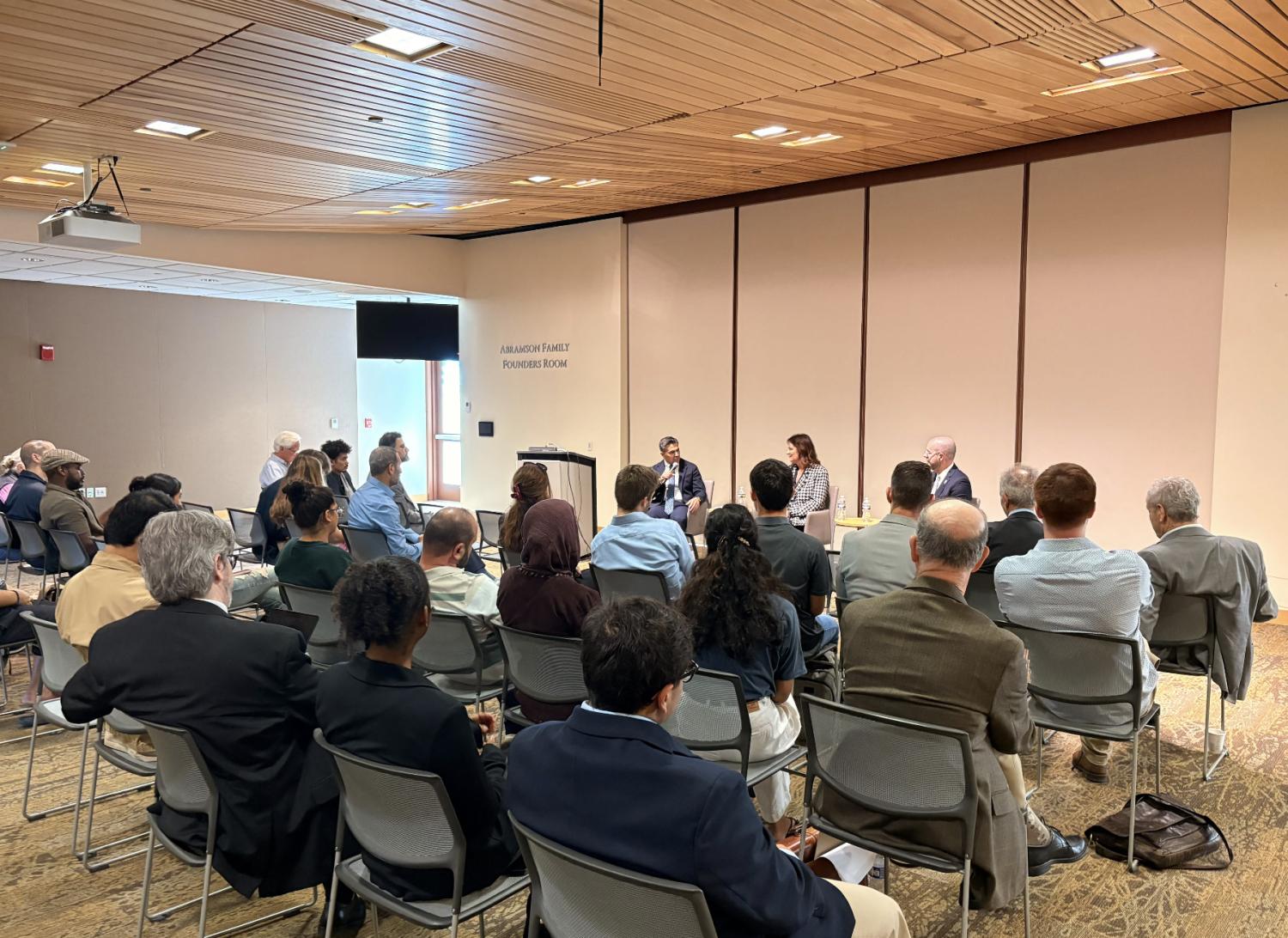
Despite Islam being the faith of the majority, the Kurdistan Regional Government (KRG) Ministry of Endowments and Religious Affairs has established dedicated departments for all recognized faith traditions — including Muslims, Christians, Yezidis, Jews, Kaka’is (Yarsanis), and Zoroastrians. This institutional framework makes the KRG the only Muslim-majority government in the Middle East to officially protect and support the rights of all local religious groups.
A Kurdish-American journalist overseeing the US Desk at Kurdistan Chronicle.