Zendaya’s ancient earrings revive a dispute over heritage, identity, looting, and the place of Ziwiye in Kurdish history
For anyone in the public eye, whether a politician, athlete, model, or artist, every move invites scrutiny, applauded by some and criticized by others. This is exactly what happened in July to American actress and singer Zendaya when she appeared at a photocall in London to promote Christopher Nolan’s latest film Odyssey, in which she plays the goddess Athena.
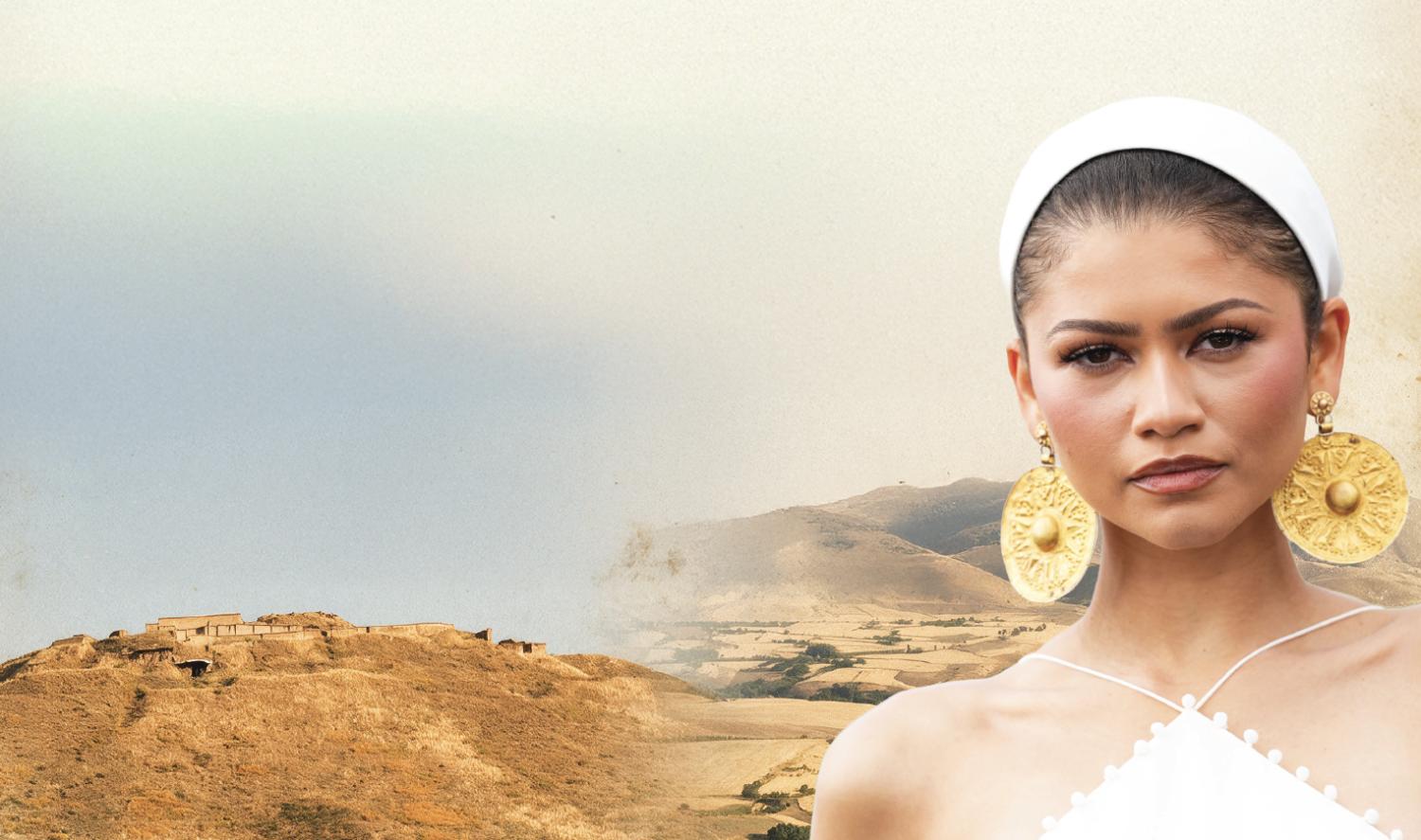
At the event, Zendaya wore a pair of earrings fashioned from artifacts dating back to 700 BCE. The gold disc medallions are attributed to the Ziwiye hoard, a collection unearthed in Eastern Kurdistan (northwestern Iran) in the late 1940s.
After decades of traveling through international black markets, the artifacts were remounted with diamonds and 18-karat gold by London jeweler Glenn Spiro as part of his Materials of the Old World series. They are owned by Barron London, a Mayfair-based gallery and art collection.
The Backlash
The use of the culturally significant artifacts as accessories in the promotion of a Hollywood film drew criticism from the public, social media commentators, and archaeologists, who described the earrings as “black market antiquities.”
Those opposing the wearing of the earrings contend that many artifacts have been looted from their places of origin and traded for decades on the illicit antiquities market without proper acknowledgement of their history.
Instagram creator Dr Z the Archaeologist, who was among the first to respond publicly, argued that wearing old artifacts as accessories did not serve to celebrate ancient artistry but instead treated cultural heritage as a status marker or “class signaling.”
“As an archaeologist, I’m hoping celebrities and stylists avoid amplifying neocolonialism in the future,” Dr Z wrote to express her dissatisfaction with the decision.
For Kurdish archaeologists, however, the controversy raises another issue: the tendency to describe Ziwiye simply as Iranian heritage, without acknowledging either its location in a historically Kurdish region or its significance to Kurdish understandings of the region’s past.
“The world should understand that the Ziwiye hoard was made at a time that predates Persian rule in what is called Iran today,” Dr. Shwan Hawrami, a professor at Sulaymaniyah University, told Kurdistan Chronicle. “It was made by the ancestors of the Kurds, and everyone must acknowledge that.”
The precise cultural origins of the Ziwiye objects remain debated, with scholars identifying Mannaean, Median, Assyrian, Urartian, and other influences in the collection.
The Ziwiye Hoard
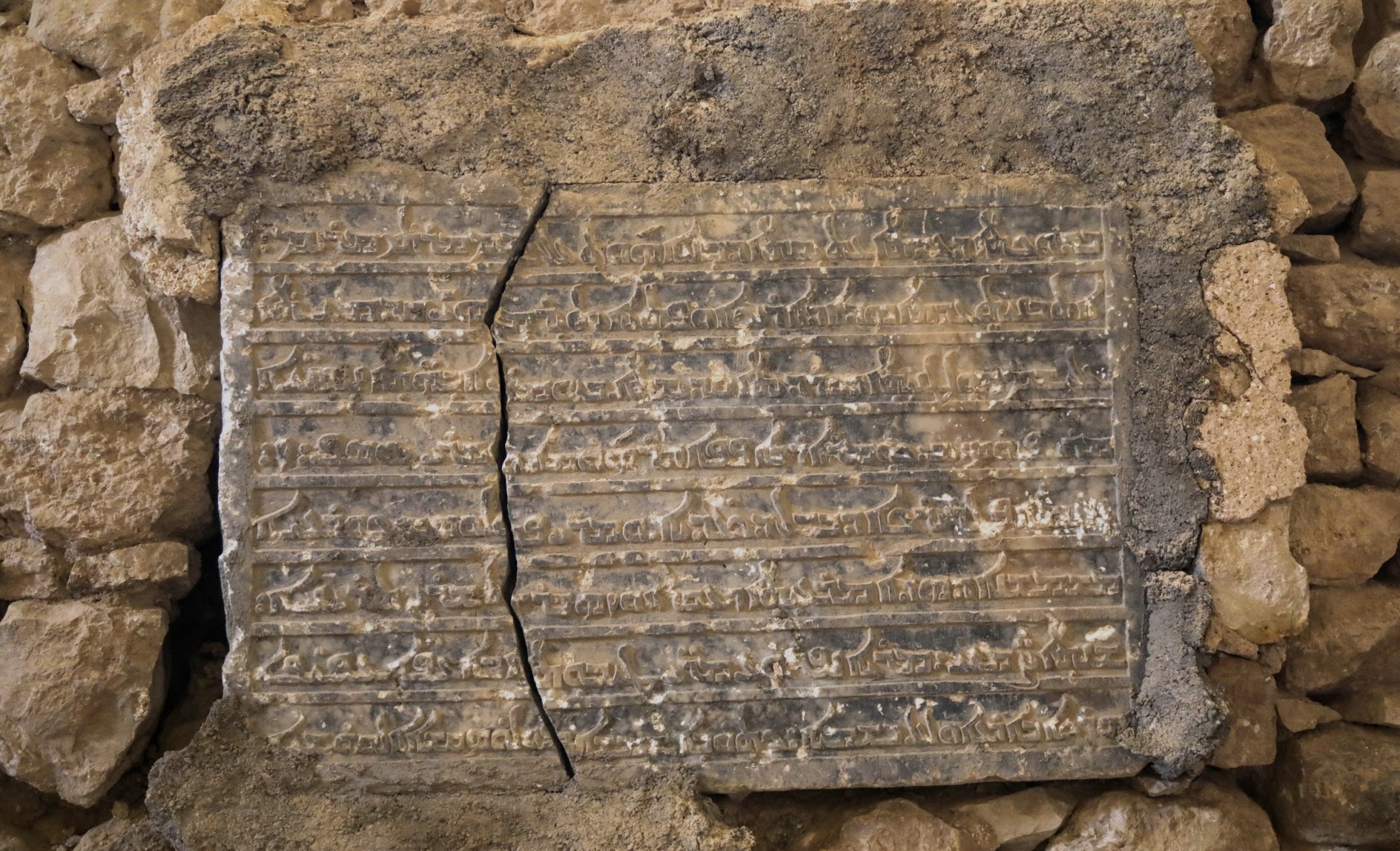
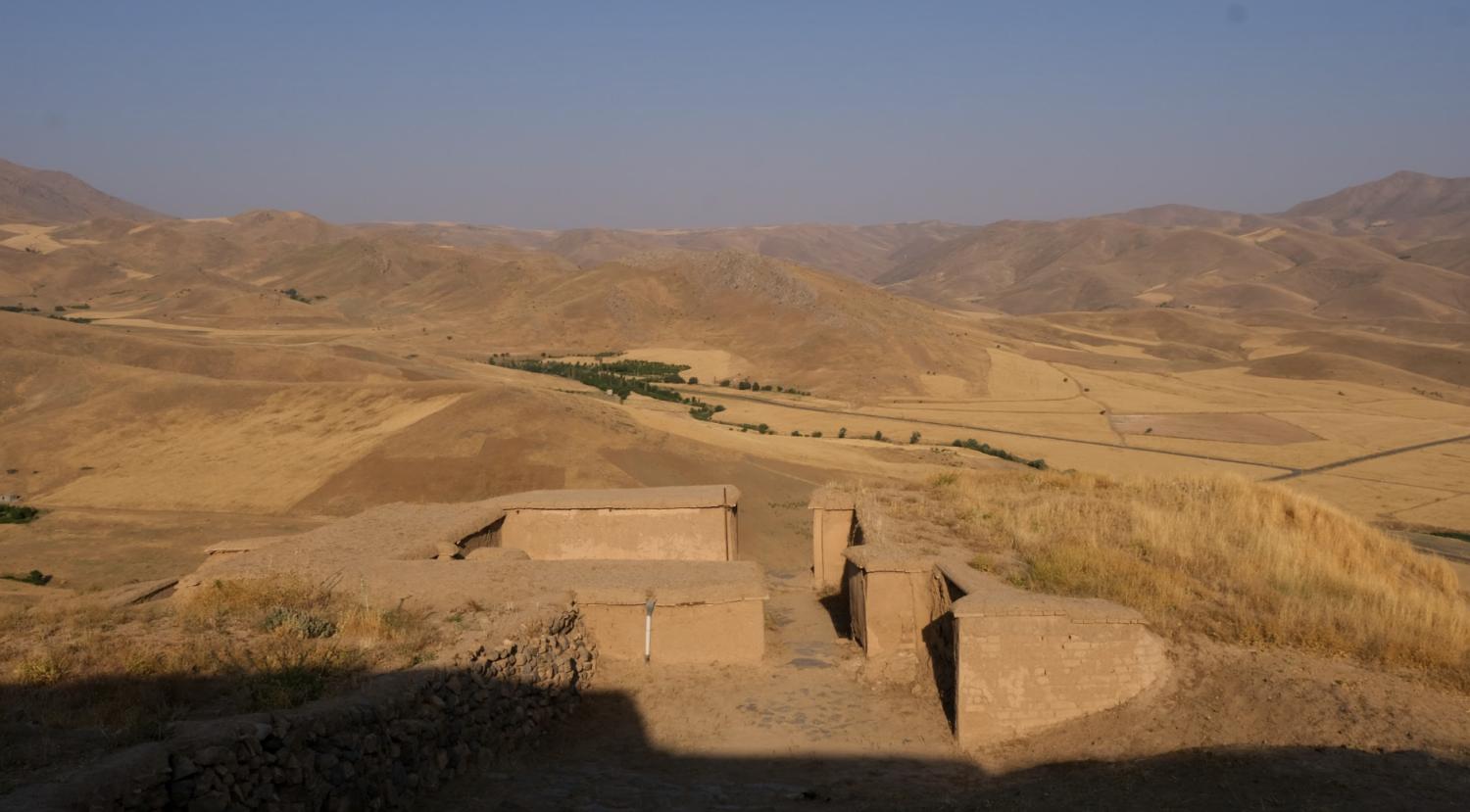
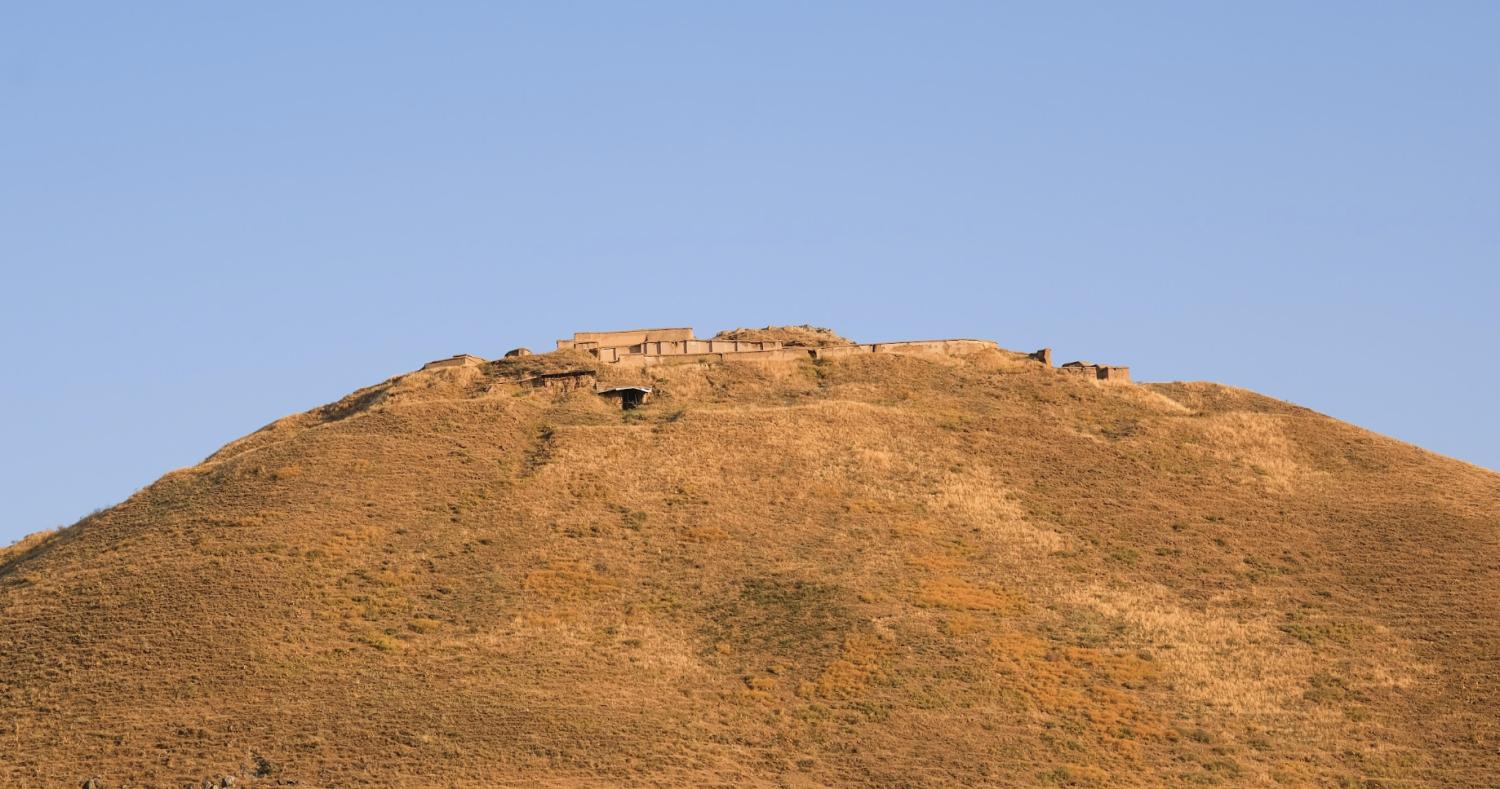
The Ziwiye hoard was discovered approximately 55 kilometers east of the city of Saqqez in Eastern Kurdistan, atop a hill that once served as a vital stronghold and a cultural crossroads in the ancient Middle East. Situated at a commanding elevation of 1,835 meters, the story of the ruins of Ziwiye Castle is one of ancient artistry, but also archaeological plunder.
Dating to the 9th century BCE, Ziwiye Castle is believed to have served as the capital of the Mannaean kingdom. The Mannaeans were a group of livestock breeders who united to survive the fierce conflict between two neighboring superpowers of the era: the Assyrian and Urartu empires.
Many experts believe that the unique synthesis of artistic styles and culture seen in Ziwiye was the result of its strategic position. Scholars like Roman Ghirshman and Andre Godrad argue that what we know as the Ziwiye hoard today is a fascinating combination of Assyrian and Urartian styles with elements of local Mannaean and Median artistry.
A Marvel of Ancient Engineering
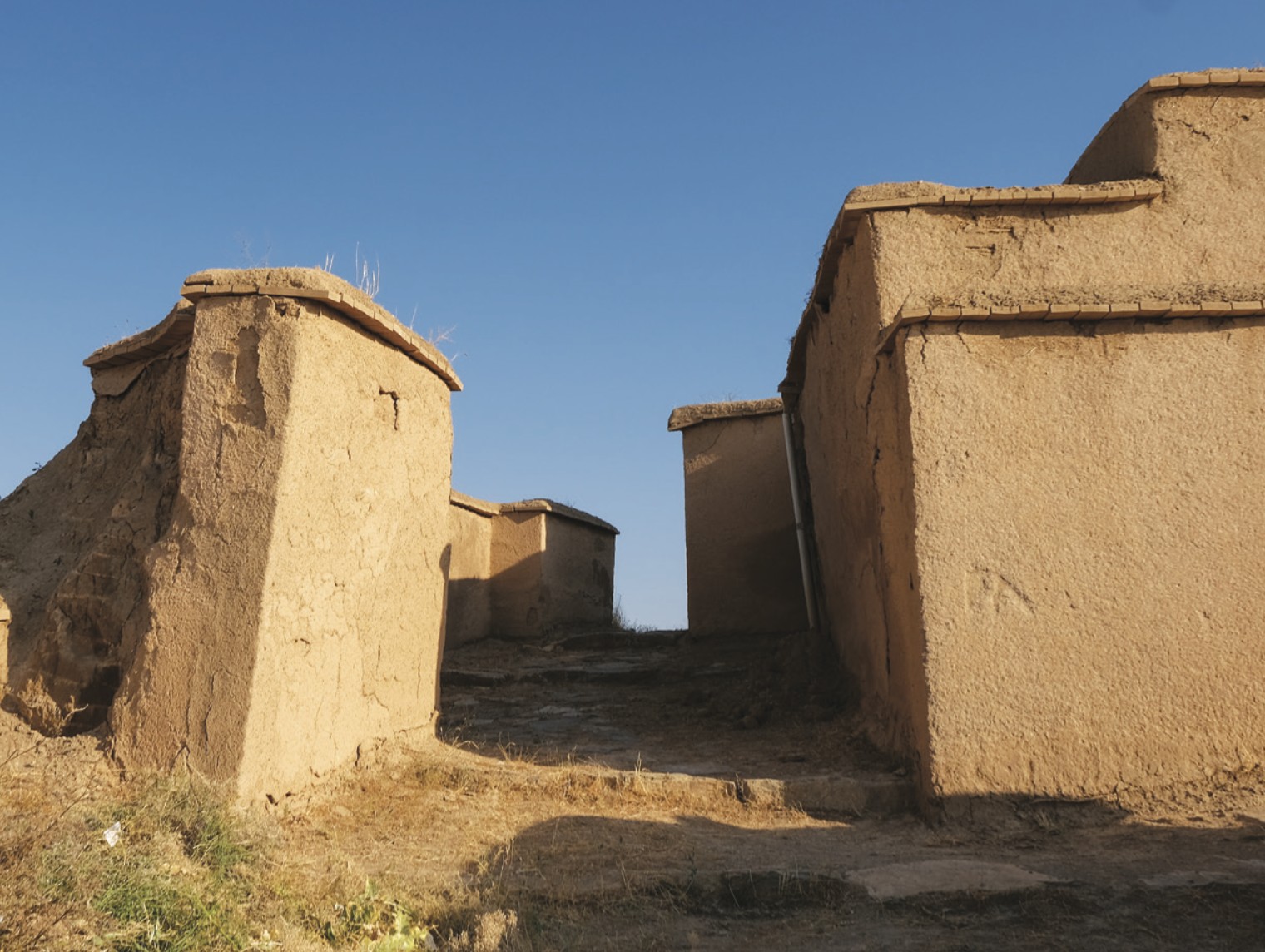
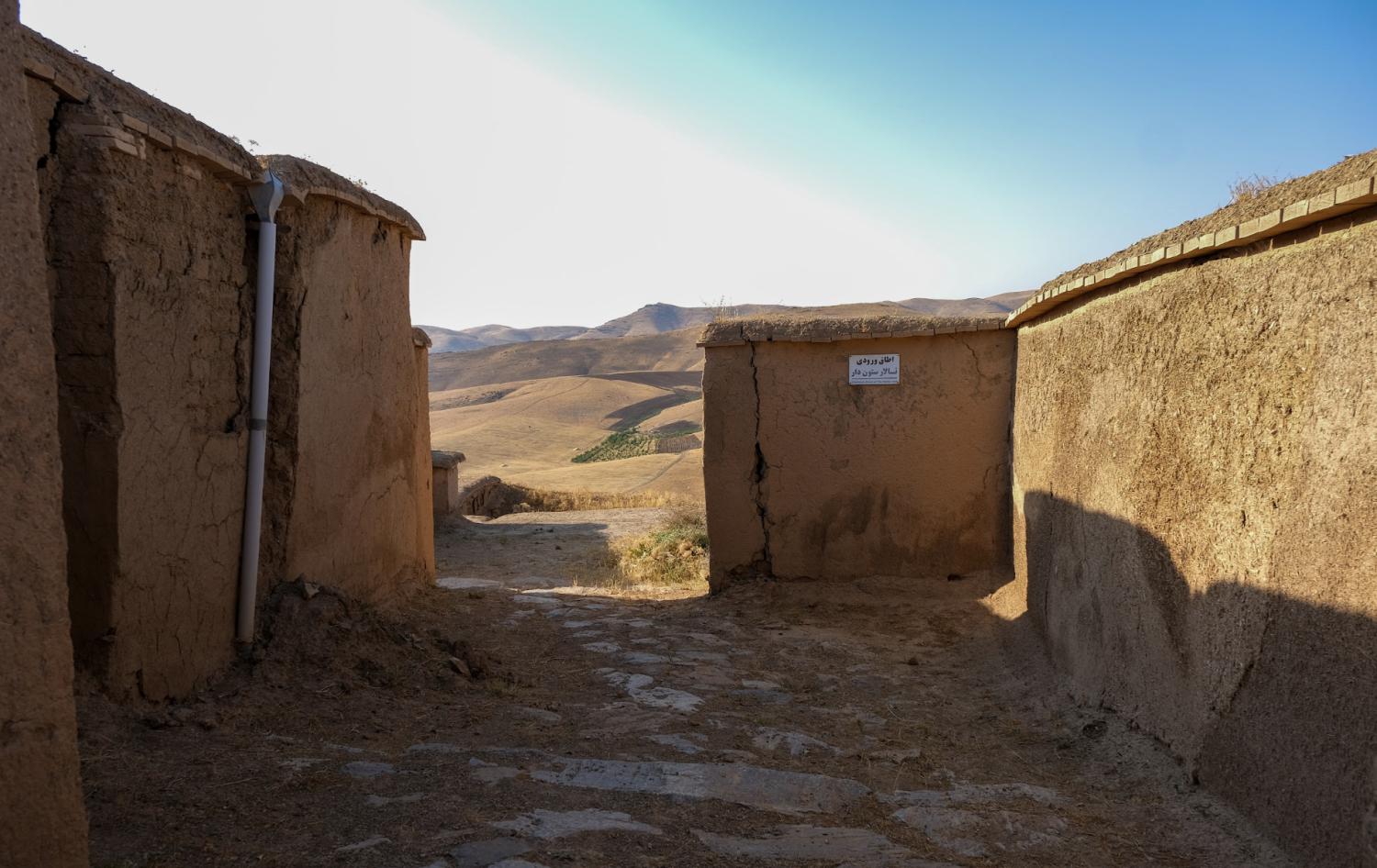
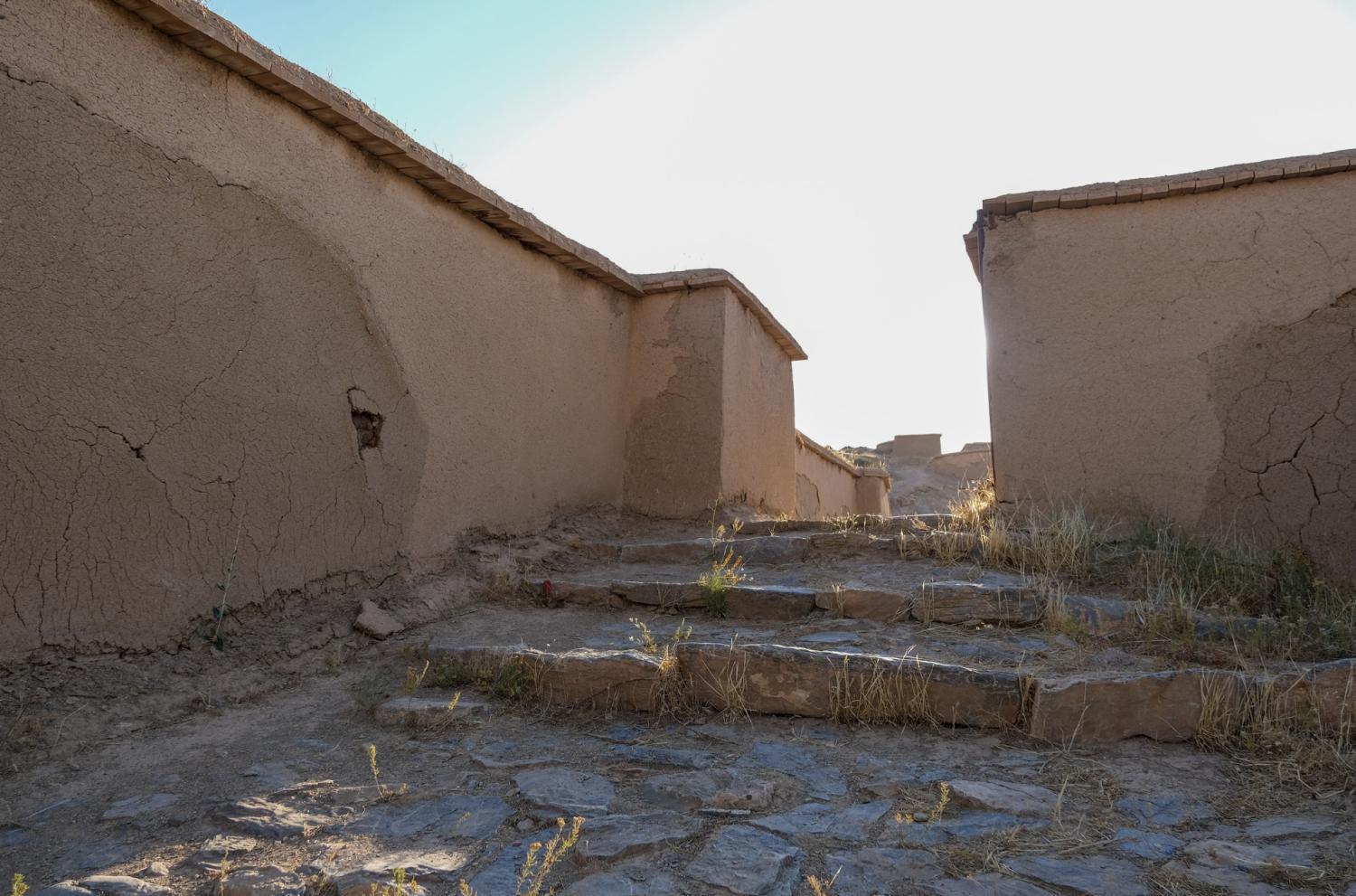
Although the hoard has attracted more attention recently, Ziwiye Castle is remarkable in its own right. More than a military outpost, the castle was a sophisticated complex measuring 450 meters in length and 118 meters in width. It had three distinct levels connected by a network of stone staircases.
The first level is believed to have housed a temple accessible to the general public. The second level provided living quarters for the military garrison, where excavations have discovered archery equipment and bronze arrowheads. Finally, the top level was reserved for the ruler. Archaeologists and historians believe it served as the seat of power during peace and the ultimate refuge during siege. This level is characterized by wide rooms, massive doors, and 12 stone columns. In addition, the top level contained storage space for food in times of war.
For a fortress atop a hill, water supply is always a challenge. Archaeologists believe that a sophisticated network of water pipes was built to draw fresh water from natural springs in the area, while a separate sewage system directed wastewater out of the fortress.
The Pothunter
For thousands of years, the Ziwiye hoard remained intact underground, until a pothunter named Ayoub Rabbani found it in the early 20th century. Having obtained permission from the local tribal leaders and Iranian authorities, Rabbani unearthed a large treasure of gold, silver, and ivory sealed within a bronze casket. He sold some pieces to the Iranian National Museum but smuggled the vast majority of the artifacts out of the country, where they were eventually lost to the black market.
Following the initial looting, more systematic archaeological work sought to set the record straight and scientifically document the history of Ziwiye. In the 1950s, André Godard, a French archaeologist who served as the director of the Iranian Archeological Service for many years, published the first article on Ziwiye. His work laid the groundwork for other archaeologists such as Robert Dyson from the United States and Habibollah Qeddisi, Nosratollah Motamed, and Simin Lakpout from Iran to conduct 12 seasons of excavations and uncover the fortress’ architectural layout.
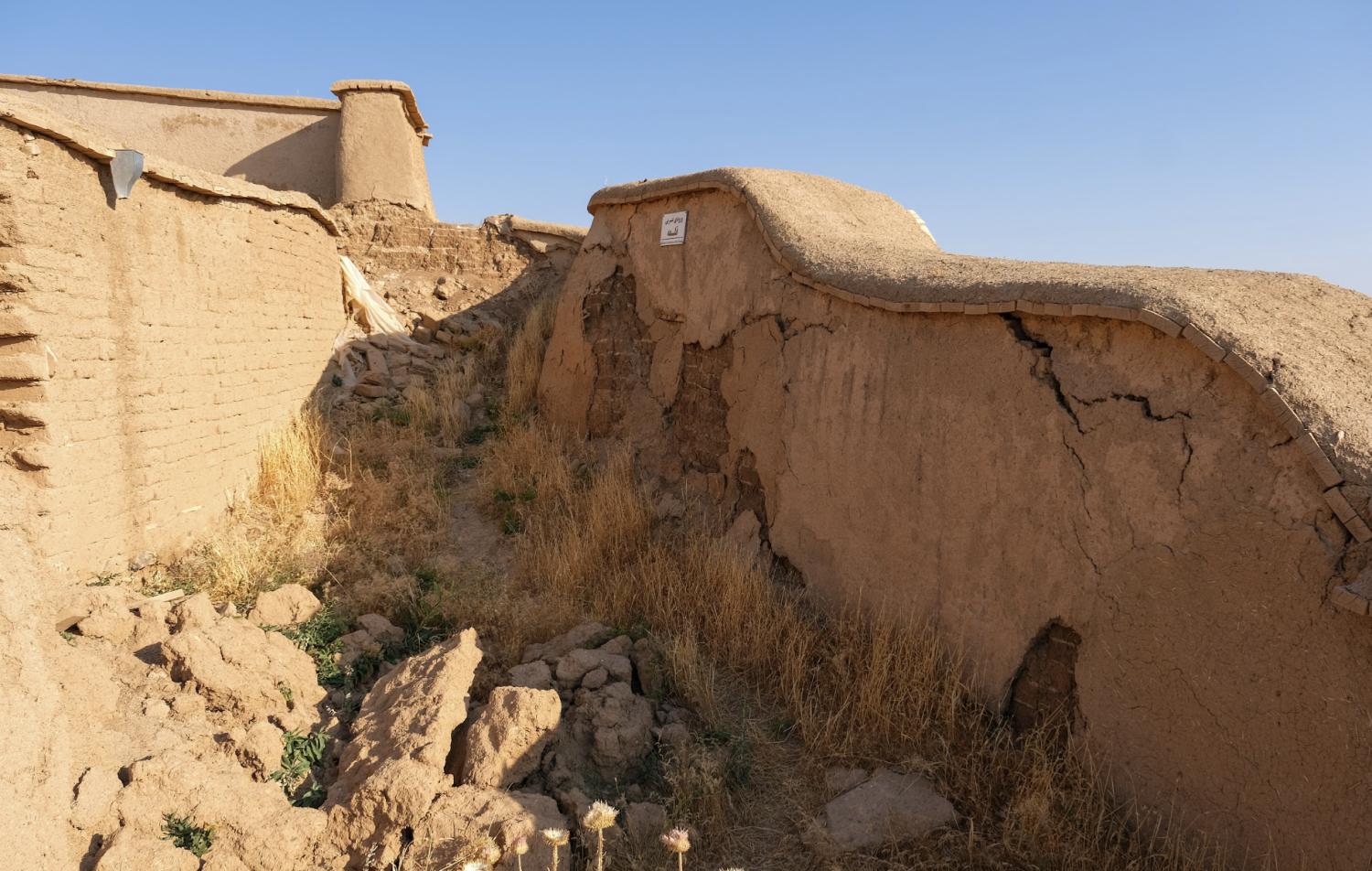
Despite controversies surrounding the original artifacts of the Ziwiye hoard, we know today that many are scattered across museums in different parts of the world. As for the site, extensive digging by early treasure hunters compromised the structural integrity of the ruins, and a later reconstruction of the fortress failed to meet the scientific standards of historical restoration.
Zendaya’s earrings, however, have drawn renewed attention to Ziwiye, a site that deserves greater global recognition both as part of Kurdish heritage and for what it can reveal about the ancient world.
Kurdish journalist and translator besed in Erbil, Kurdistan Region.