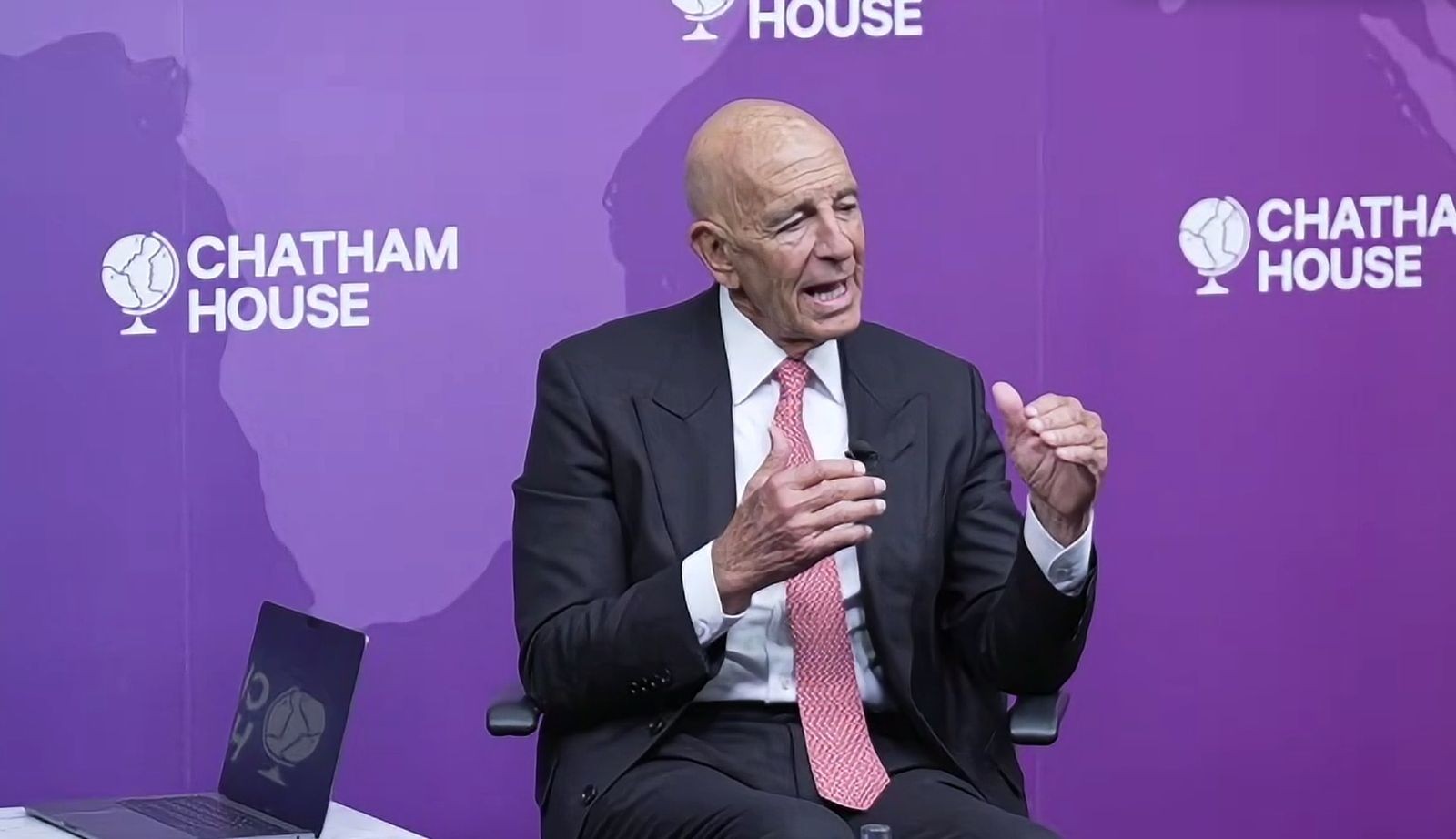
During a Chatham House conference on Iraq held in London on Wednesday, U.S. Special Envoy for Syria and Iraq Ambassador Tom Barrack underlined that the United States wants unity from the Kurdistan Region amid internal disputes.
“We need unity from the [Kurdistan Region]. We need unity not only from the Kurdistan Regional Government (KRG) but with the KRG in Baghdad,” Ambassador Barrack said.
“We’re not going to intervene. There’s no way we can intervene. We can encourage. We can help. We can counsel. We can mediate. But honestly, now is the moment. You have a huge opportunity in front of you.”
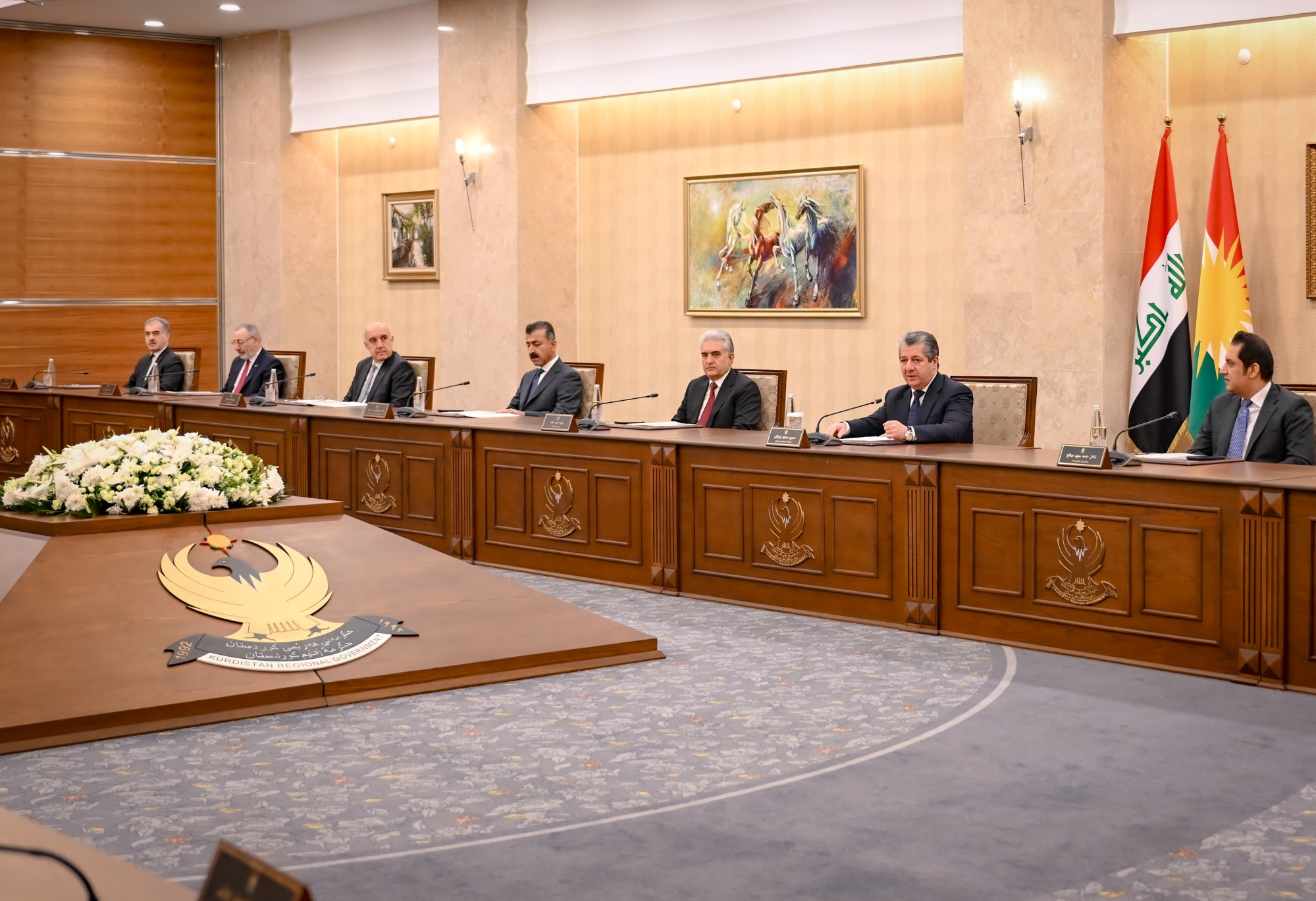
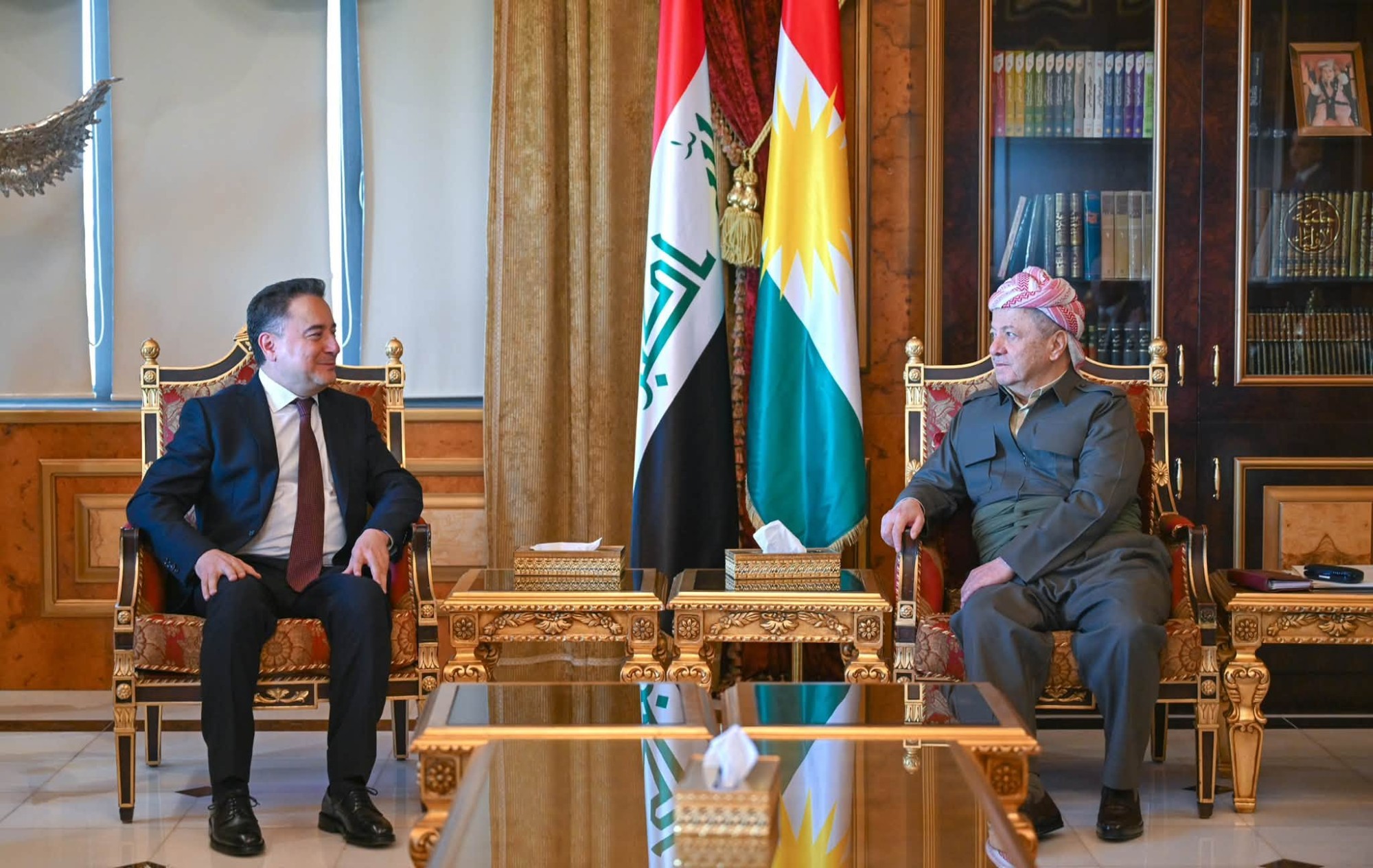
On Monday, President Masoud Barzani called on the Patriotic Union of Kurdistan (PUK) to sit down with the Kurdistan Democratic Party (KDP) to resolve outstanding issues as the main political parties in the Kurdistan Region remain divided over the formation of a new regional government.
The PUK withdrew from the KRG last Thursday after the KDP, joined by lawmakers from several other political factions, reactivated the Kurdistan Region Parliament the previous day.
Read More: KRG, U.S. Agree on Need for Strong, Unified Kurdistan Region: KRG PM
On Tuesday, KRG Prime Minister Masrour Barzani spoke with UAmbassador Barrack, who agreed that the KRG should remain strong and unified.
“The Kurdistan Region, the Barzanis, the Talibanis have always been great friends of America,” Ambassador Barrack said on Wednesday.
“This is an Iraqi issue. This is an Iraqi decision. This is not an American decision. My advice, the president’s advice, is ‘get over it.’ Full stop. I cannot go back to Congress and explain the complexity of the Iraqi Constitution and the federalist delineation of the Kurdistan Region and how it dovetails with Baghdad,” the ambassador said.
“Besides that, we have a series of disputes of families within the Kurdistan Region that are subjecting American and international companies, who are the source of revenues to the entire region, to what’s happening now.”
On November 8, 2026, a suspected drone attack struck the Khor Mor gas field, resulting in the reduction of electricity generation on the Kurdistan Region’s grid by 2,500 to 2,800 MW.
“We all have to attend to that and figure out a way to respond to it,” Ambassador Barrack said about the attack.
“You have a huge opportunity in front of you. We need to get over these tribal disputes. I'm sure you’re exhausted from them. I’m sure the Barzanis and the Talibanis are, and I know Baghdad is. So my sound professional and intellectual advice is ‘get over it.’”
A seasoned reporter and analyst who specializes in Kurdish affairs.