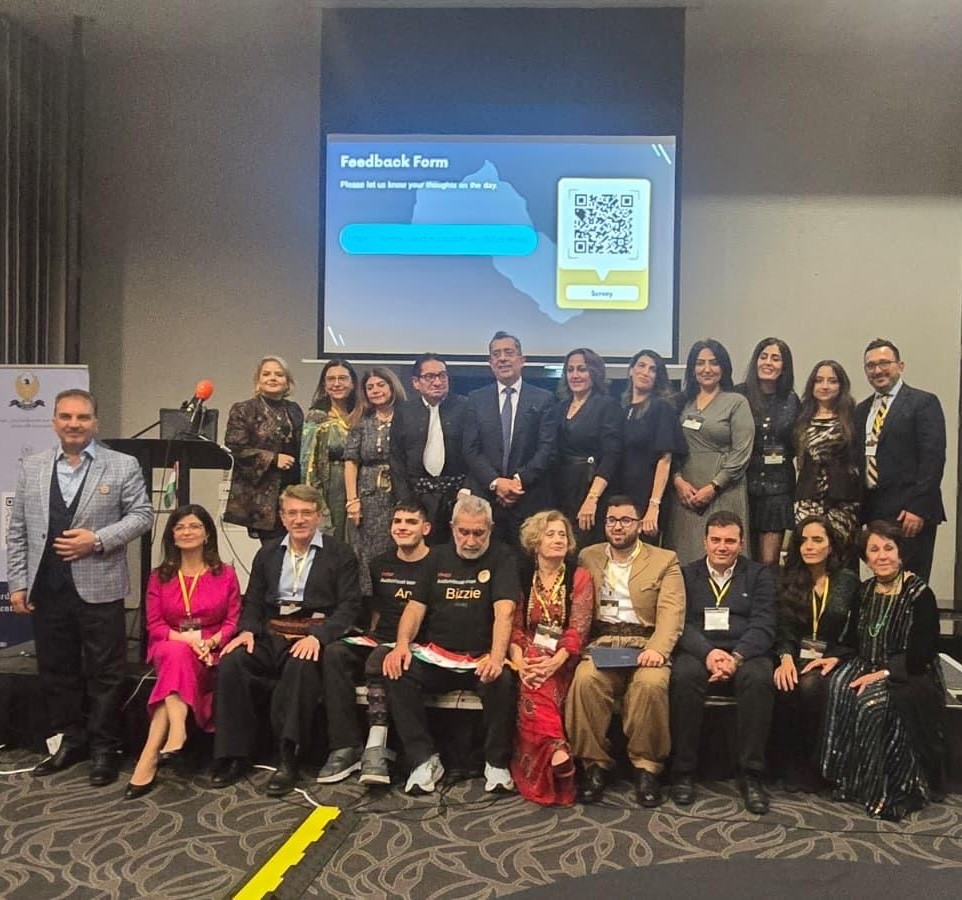
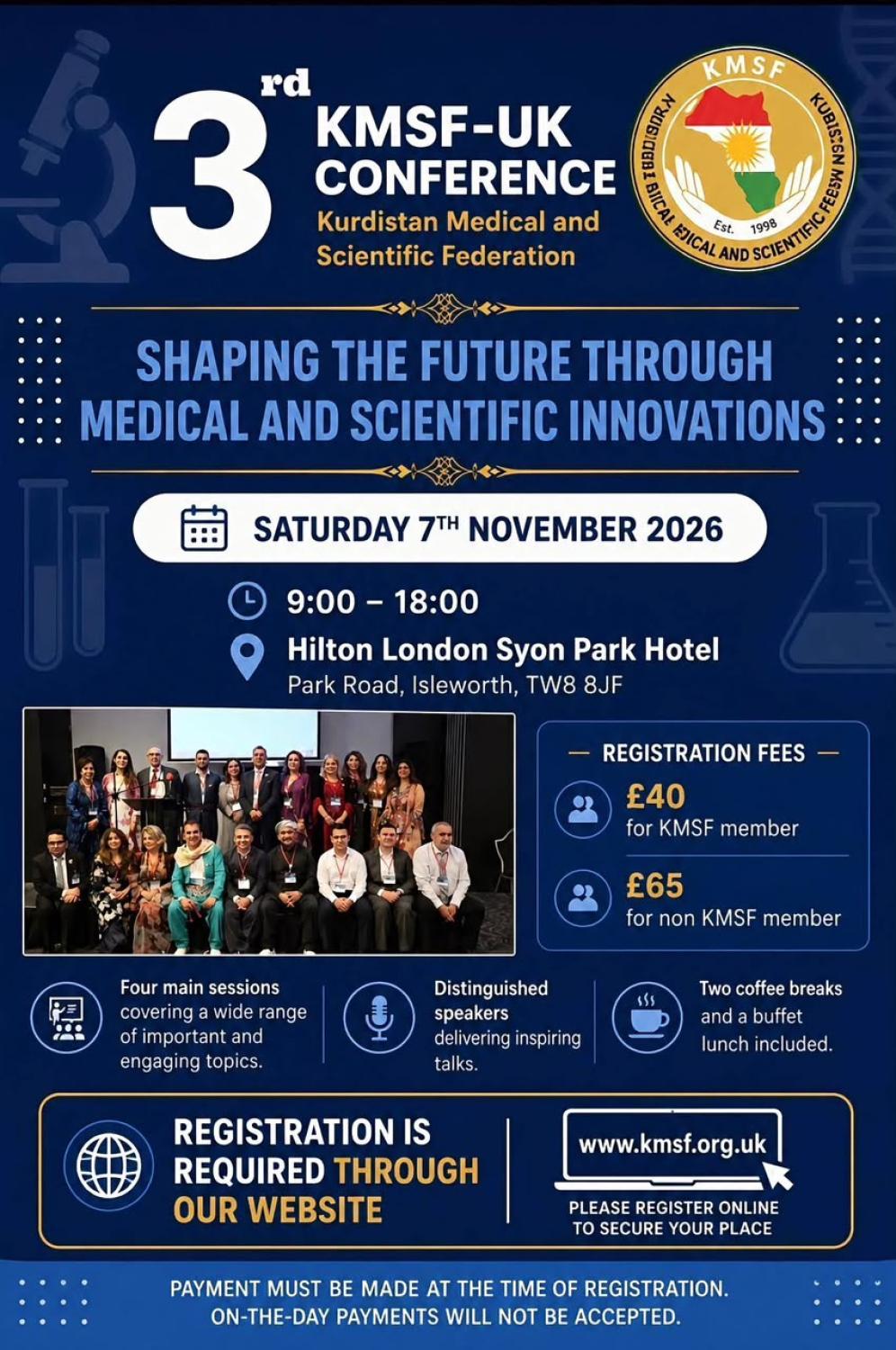
On Saturday, the Kurdistan Medical and Scientific Federation (KMSF) held its third annual conference in London. The event brought together professionals, researchers, scientists, and clinicians to discuss developments in medicine and science.
Under the theme “Shaping the Future Through Medical and Scientific Innovation,” the conference explored how technological and scientific advancements can drive progress in healthcare. Presentations and panel discussions offered participants an opportunity to share knowledge, exchange perspectives, and analyze emerging opportunities across the medical and scientific fields.
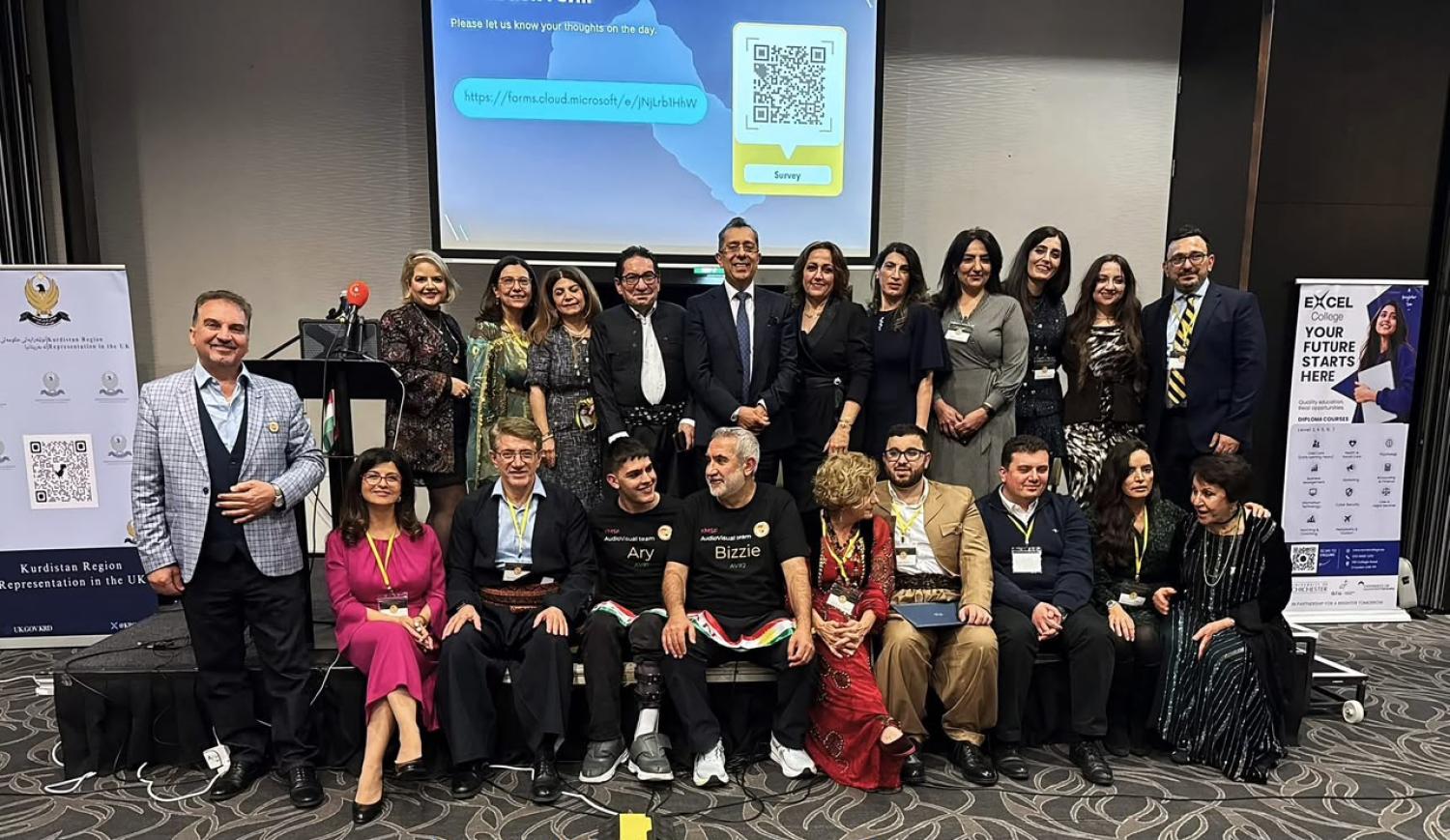
Speaking to Kurdistan Chronicle, KMSF Secretary Tara Tofeq highlighted the event’s reach and scope: “We welcomed approximately 200 attendees and featured 16 esteemed speakers from diverse fields, including medicine, healthcare, and artificial intelligence,” she said. “This gathering reflects our shared dedication to advancing medical knowledge and fostering meaningful discussion.”
Tofeq emphasized the role of international collaboration in inspiring the next generation of healthcare professionals.
“Our primary aim is to build strong, lasting connections between academia and industry,” Tofeq noted. “By sharing expertise across borders, we can turn technological innovation into practical solutions that improve patient care worldwide.”
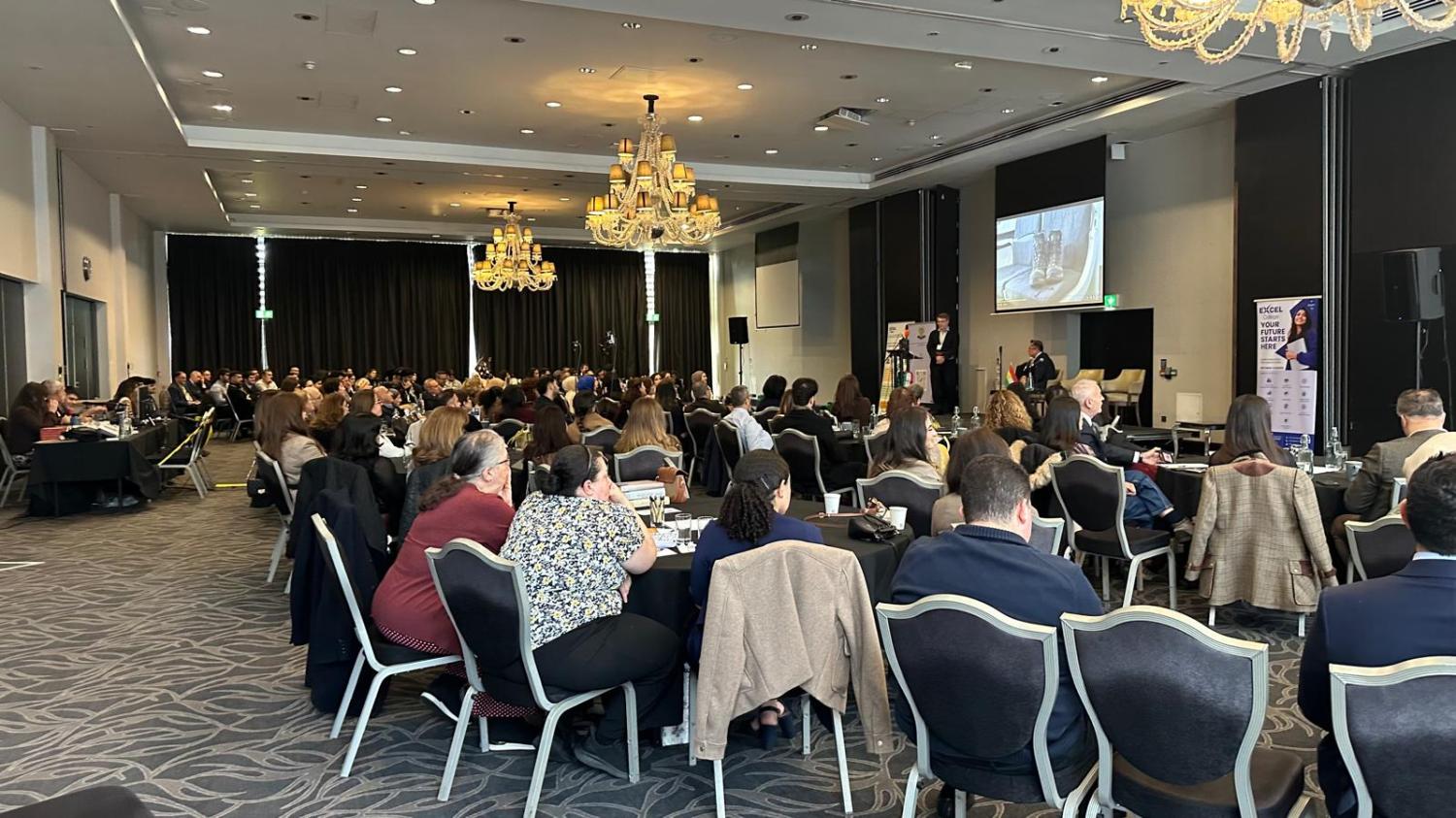
One of the event’s main speakers was Dr. Azad Najjar, a renowned Kurdish cardiologist whose artificial heart received official approval from U.S. health authorities for human implantation in 2025. He traveled from Kurdistan to attend the conference, helping to strengthen professional and academic connections between Kurdistan Region and the wider international medical community.
“A highlight of the event was the presentation of an award of recognition to Dr. Firiad Hiwaizi, a senior member of KMSF,” Tofeq said. “The award acknowledged his dedication to the federation, commitment to medical excellence, and ongoing charitable contributions.”
KMSF serves as the voice for Kurdish doctors, healthcare professionals, academics, scientists, and postgraduate degree holders residing outside of the Kurdistan Region. The conference concluded with a focus on how collaborative networks can shape the future of medicine, support ongoing professional development, and promote innovation in global healthcare practices.
A Kurdish-American journalist overseeing the US Desk at Kurdistan Chronicle.