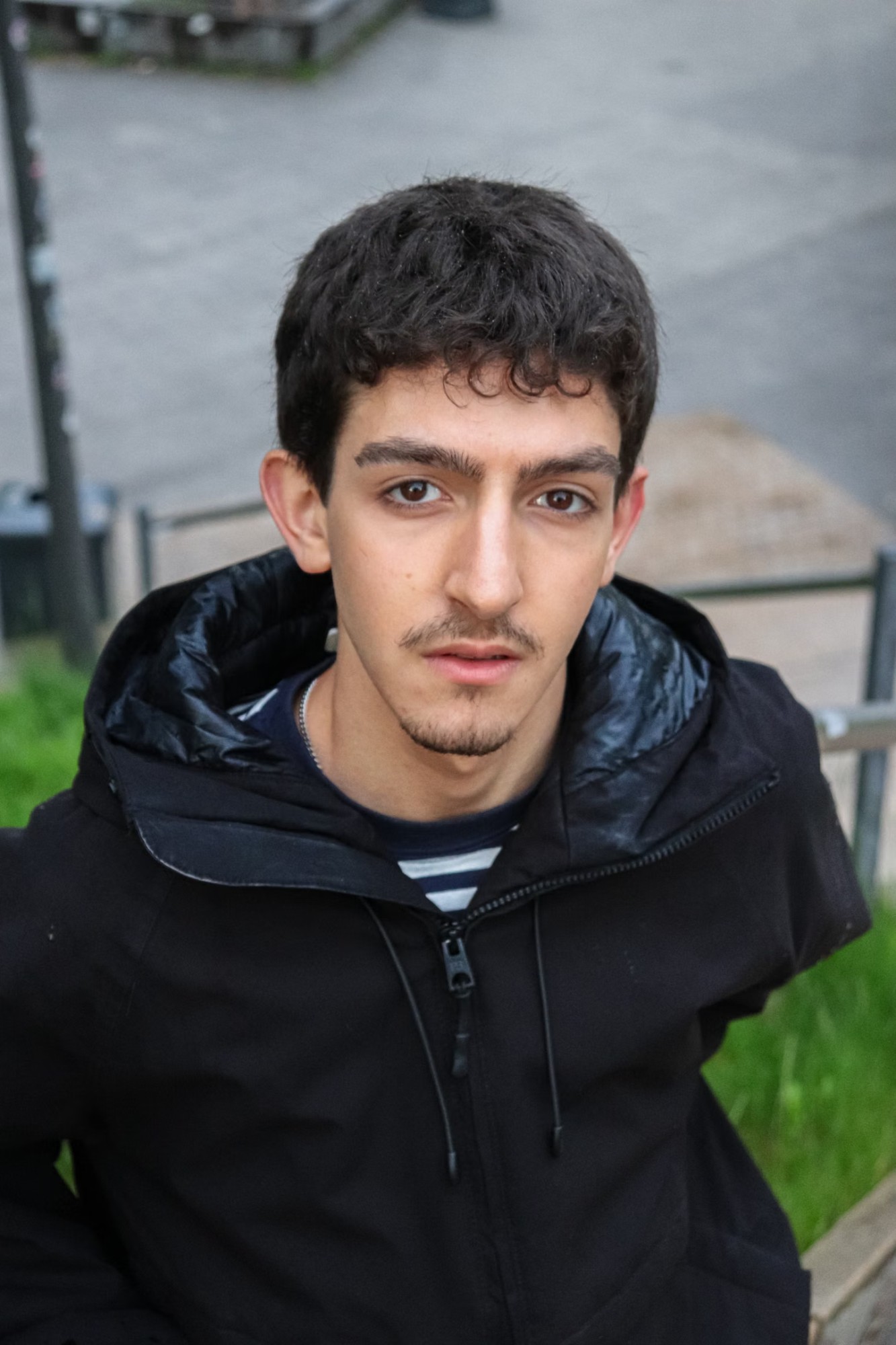
From playing theater games in his family’s living room to stepping on set in Spain for the filming of The Hunger Games: Sunrise on the Reaping, 19-year-old Kurdish-German actor Deyar Alkalash has charted a rapid ascent in the global film industry.
Born in Damascus with family roots in Al-Dirbasiyah in Western Kurdistan (northern Syria), known as Rojava, Alkalash’s journey to the silver screen began far from red carpets. In 2013, his family fled the war in Syria, spending two years in Türkiye — where he had no access to formal schooling — before resettling in Hamburg, Germany, in 2015.
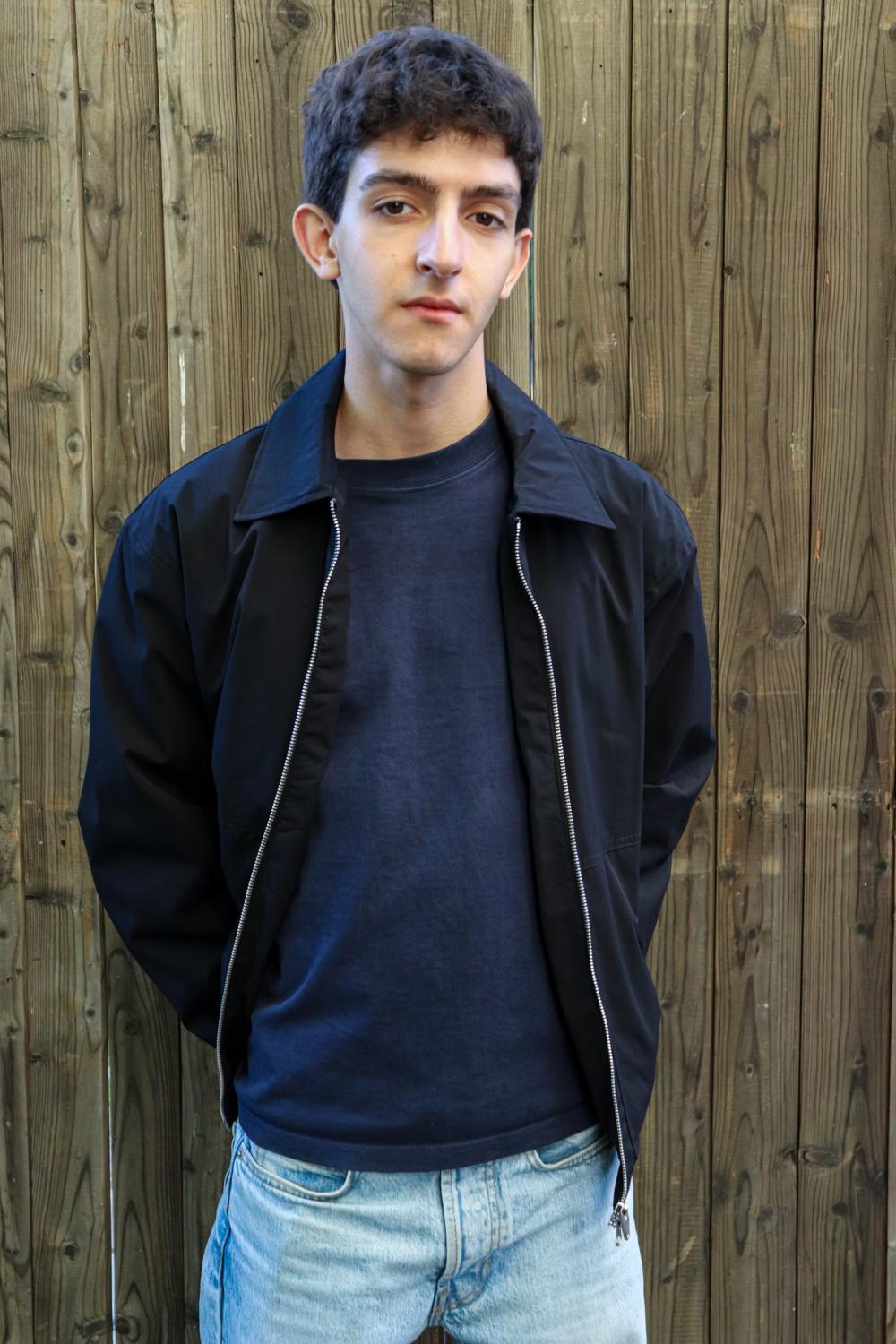
Sitting in a German classroom for the first time at age eight, Alkalash learned the language while watching local children’s television, sparking an early ambition to appear on screen. Once he received his first laptop and joined school theater classes, he began researching online how to break into the industry.
A pivotal push came from his schoolteacher. “Mrs. Atug, who’s a Kurd as well, knew about my interests in acting,” Alkalash relates in an interview with Kurdistan Chronicle. “She recommended I join an extracurricular theater project.”
That initial step led him to Hamburg’s prestigious Youth Acting House (Junges SchauSpielHaus) and connected him with a network of young performers, including his best friend — a fellow Kurdish actor who introduced him to a talent agency.
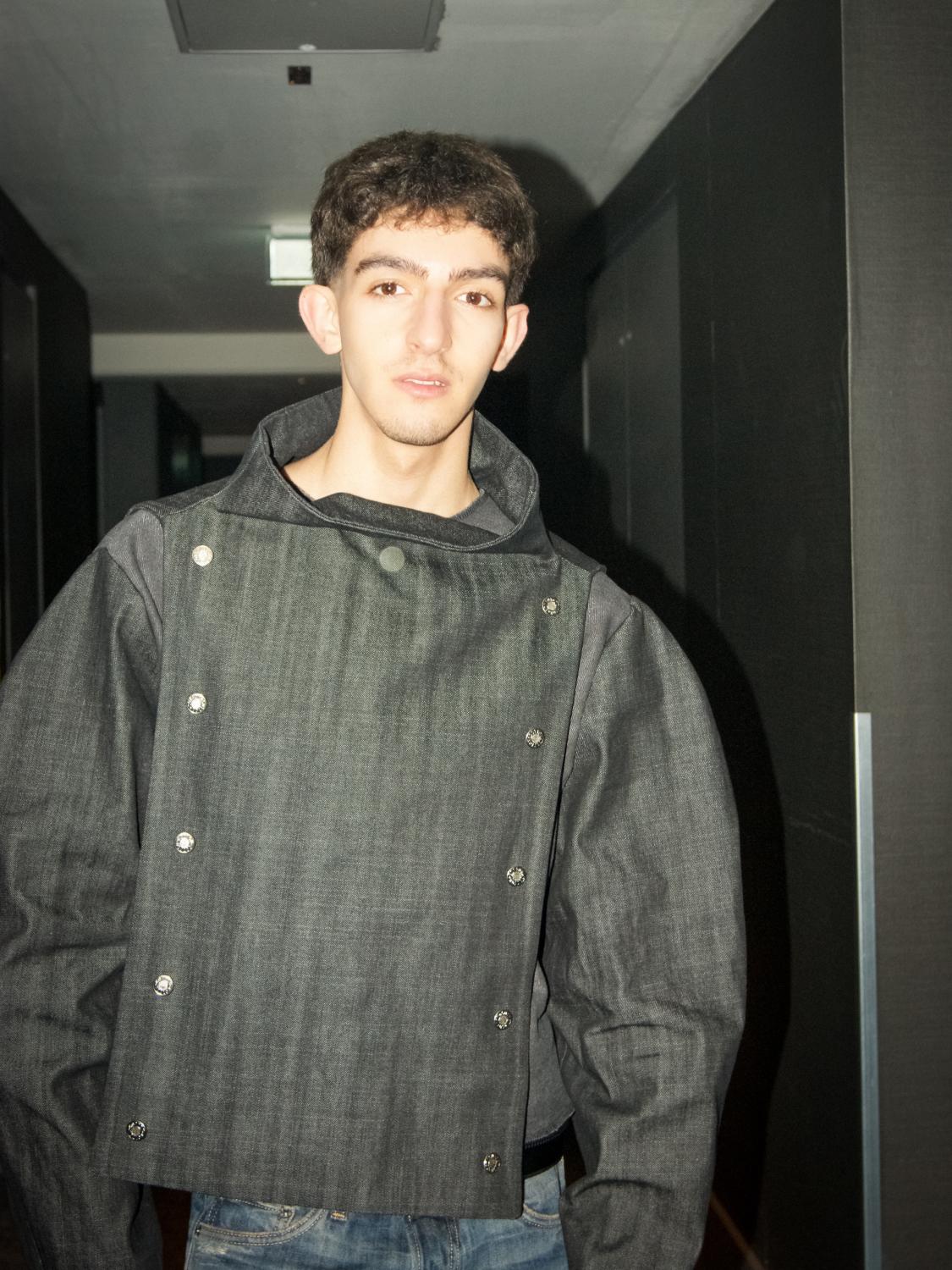
After submitting a single theater clip, Alkalash signed with the agency and began recording self-taped auditions alone in his bedroom. Within months, he had landed a supporting role in a commercial, followed closely by a major breakthrough: advancing through three casting rounds and a final producers’ meeting to secure a role in a Netflix documentary.
Immediately after wrapping the Netflix shoot, Alkalash was cast as Atread in The Hunger Games: Sunrise on the Reaping. Preparing for the role required rigorous stunt and endurance training ahead of filming in Spain.
“We rehearsed the bloodbath scene a lot before shooting in Spain,” Alkalash recalls. “On the first day of the shoot, when we arrived on set, we saw the Cornucopia and the sunrise behind it, and the weather was really foggy that morning, which was really breathtaking.”
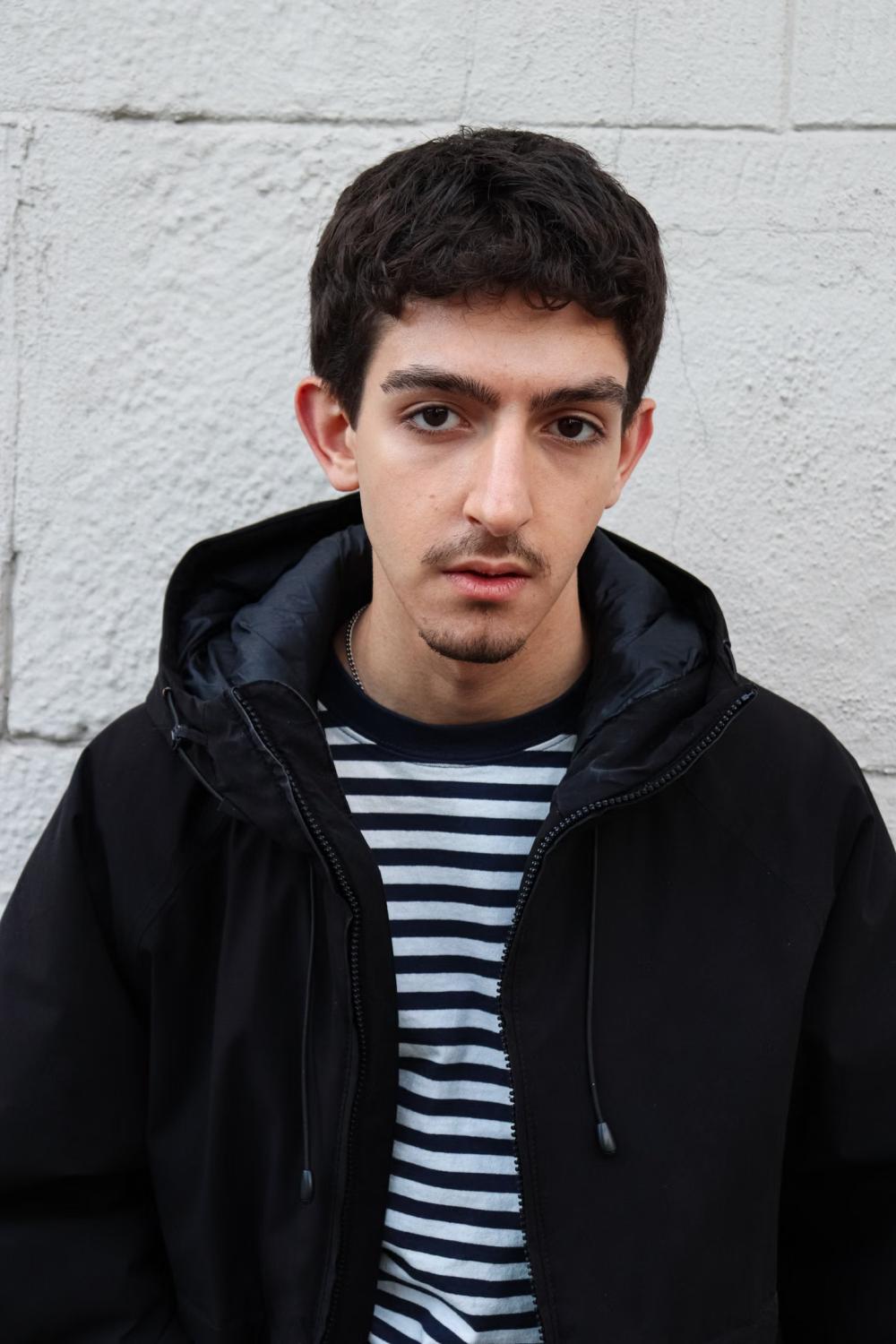
Despite the scale of the Hollywood production, Alkalash praised the camaraderie on set and the opportunity to learn directly from veteran actors and crew members whose work he had admired for years. Following Sunrise on the Reaping, he took on a lead role in a 27-minute independent drama currently in post-production, portraying one of three friends navigating guilt, fear, and restlessness over a summer in the small German town of Brake.
When asked whether he identifies as Kurdish, Alkalash immediately replies: “Of course I identify as Kurdish. I was born into a Kurdish family.” Though raised largely in Germany — where he juggles German, English, Spanish, and Arabic alongside his native tongue — Alkalash credits his Kurdish upbringing for grounding his identity and sharpening his empathy as a performer.
“Every time I come back to my house, I enter home — where I speak my mother tongue,” he says, noting that he still leans on his parents and older siblings to expand his Kurdish vocabulary. “I love exploring and experiencing different cultures and having conversations with different people, because I think that is something really valuable for my job as an actor.”
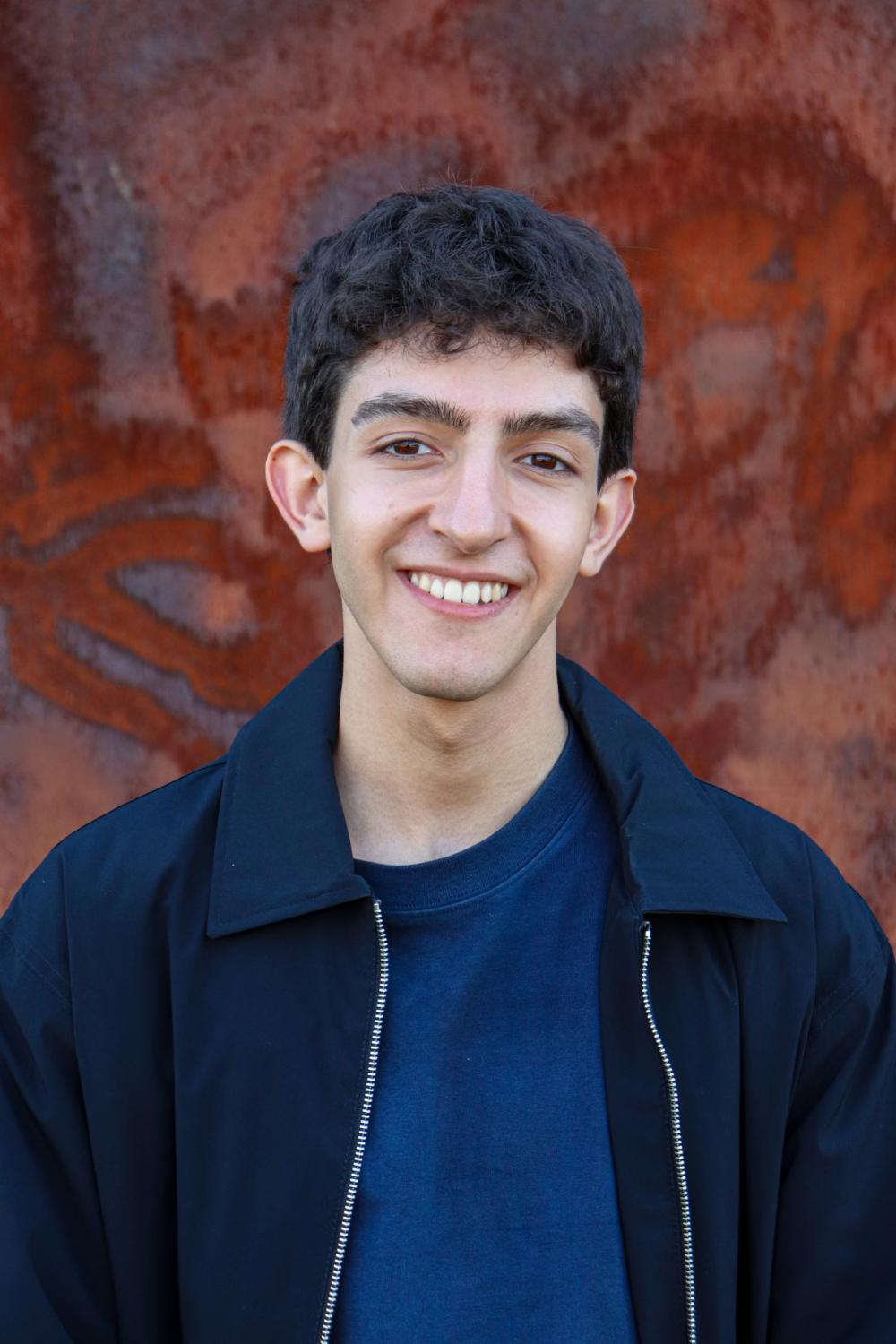
As his international profile grows, Alkalash hopes to engage with Kurdish cinema, calling on Kurdish directors and producers to collaborate and bring more authentic Kurdish stories to global audiences.
“I love to see Kurdish people being creative in our own ways and wanting to create and achieve beautiful things,” Alkalash says. “I want us to work together as well, so this is my offer and kind request to the Kurdish film industry.”
Despite his strong ties to his heritage, Alkalash has never visited the Kurdistan Region — something he calls one of his biggest dreams. Having seen its landscapes on social media and in family photos, he feels sad not to have experienced his homeland up close yet, adding that he can easily see himself building a future there later in life.
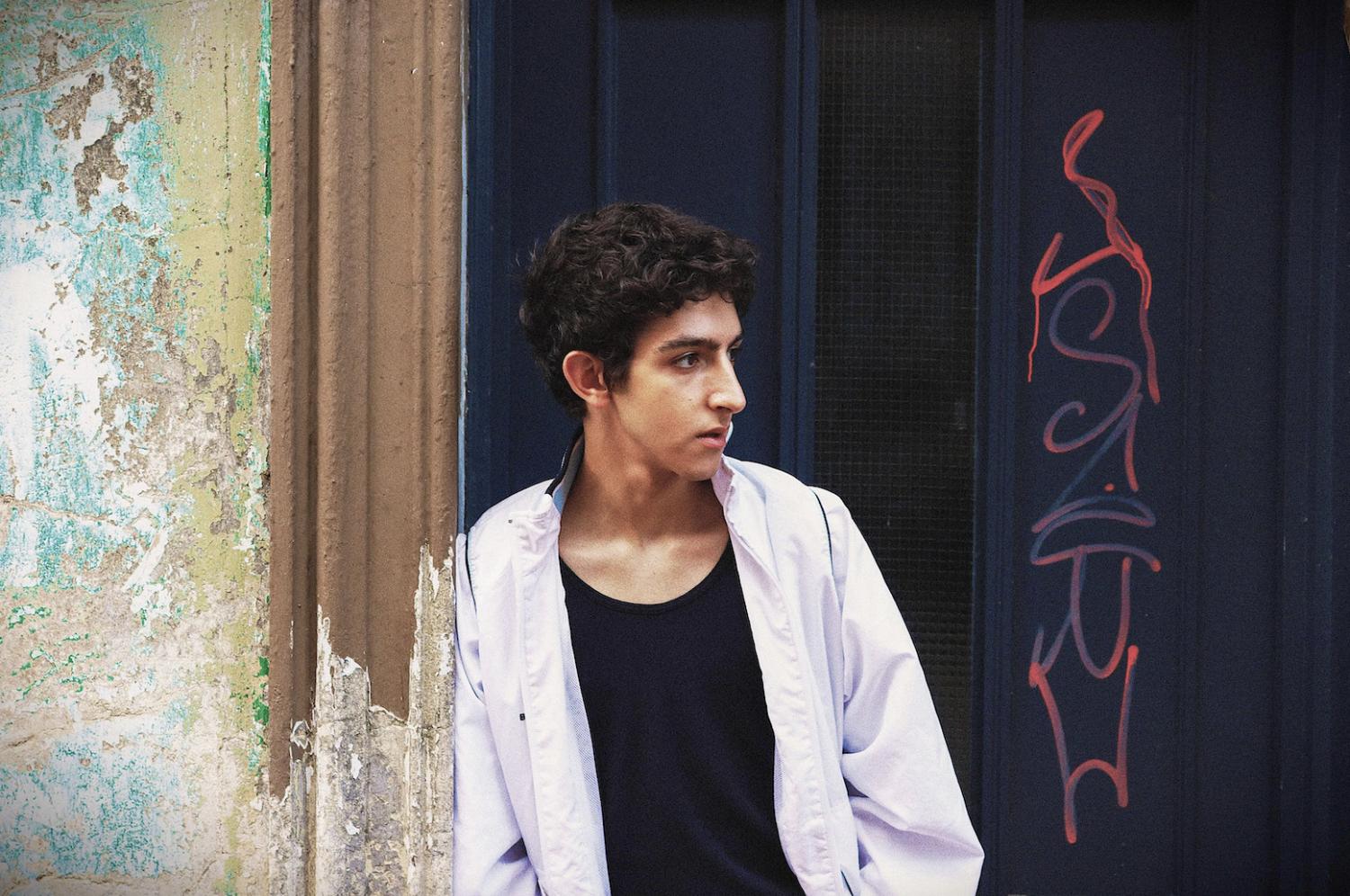
“I like the mountains and nature. We don’t have any mountains here in Hamburg, but whenever I go to southern Germany for work, I really feel comforted when I see the mountains,” Alkalash says. “I can’t imagine how I will feel when I see the mountains in Kurdistan. I hope someday I get to work in Kurdistan, too.”
Alkalash underlined the huge impact his family has had on his career. “With my uncle working as a Director of Photography, my dad as an editor, and my other uncle as an audio engineer, I got early glimpses into the film industry,” he says. Growing up, family gatherings — full of living-room theater, games, and humor — shaped both his creative outlook and his path forward. “I’m really grateful to my family for that, though it’s sad that some of them couldn’t continue their own careers due to migration,” he adds.
Looking across the wider film landscape, Alkalash praised Kurdish indie films from around the world, noting that Kurdish storytellers — producers, writers, directors, and actors alike — often have to work harder, overcome more challenges, and earn trust repeatedly just to sit in the same rooms and receive the same opportunities as others.
“That is why I want to share my story,” Alkalash concludes. “When I get to work internationally, it is not about saying, ‘Hey, look! I’m one of them!’ It is about saying, ‘Hey, look, I am in the same room as them — finally getting the same opportunities as them, as a Kurd.’”
A Kurdish-American journalist overseeing the US Desk at Kurdistan Chronicle.