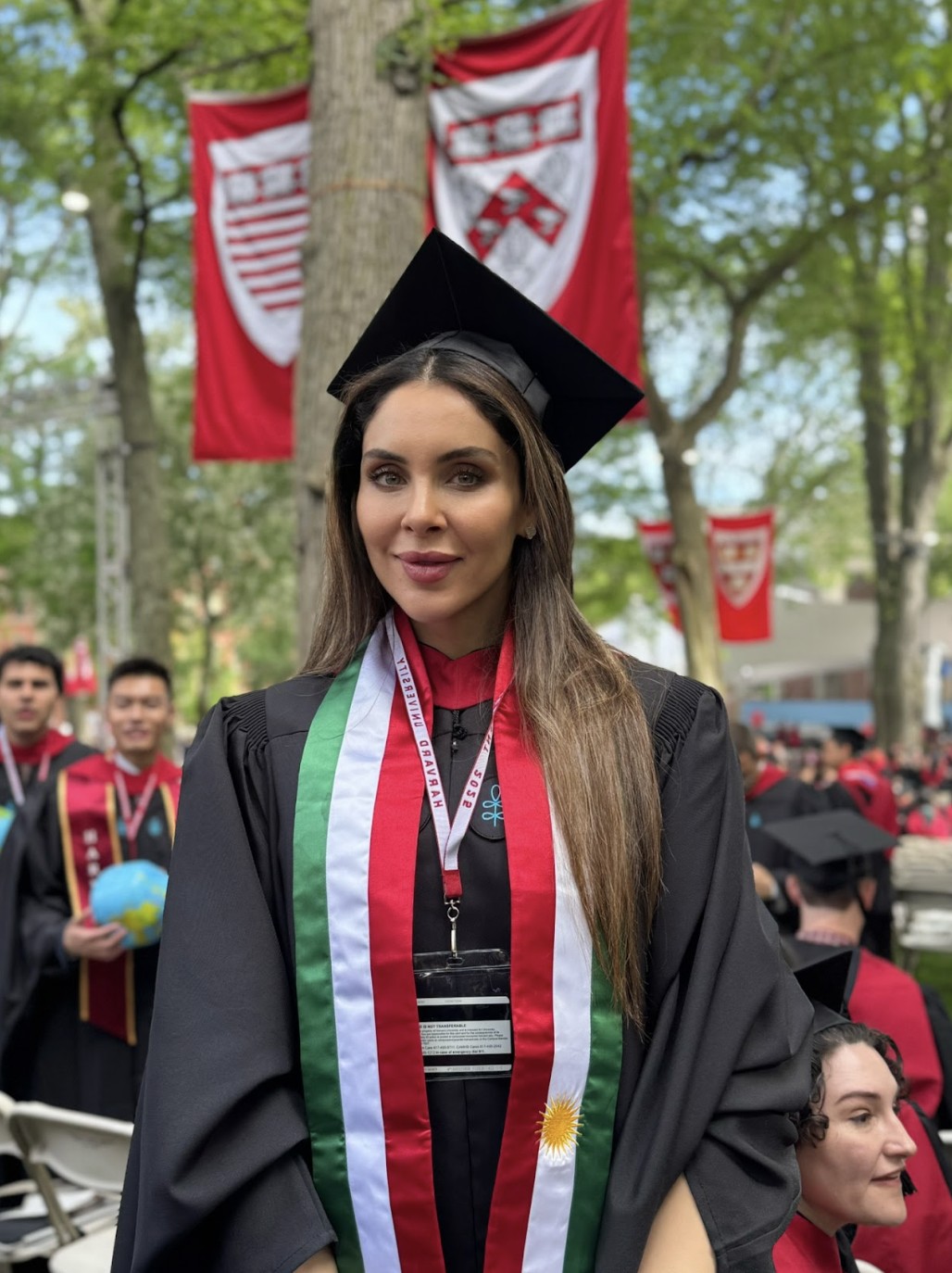
Back in the 1990s and the early 2000s, it was rare to hear of Kurdish students attending Harvard or other Ivy League universities. However, times have changed. Nowadays, not only are there Kurdish students at these institutions, but some universities, including Harvard, offer Kurdish language courses. Sara Mustafa is one notable Kurdish figure who recently graduated with a master’s degree from Kennedy School at Harvard, becoming the first Kurdish recipient of the Middle East-North Africa Fellowship.
In 2006, with the establishment of the University of Kurdistan Hewler (UKH), the first English-language university in Iraq, Sara enrolled in the political science and international studies programs. Later, she taught peace and conflict studies at UKH for four years while also publishing articles on Kurdistan’s foreign relations and participating in programs with the U.S. Department of State and France’s Ministry of Foreign Affairs.
I have known Sara and her family for a long time, as we both hail from Balakayati in the Kurdistan Region – known as the capital of the Kurdish Revolution for its key role in the struggle led by the godfather of the Kurdish people, General Mustafa Barzani.
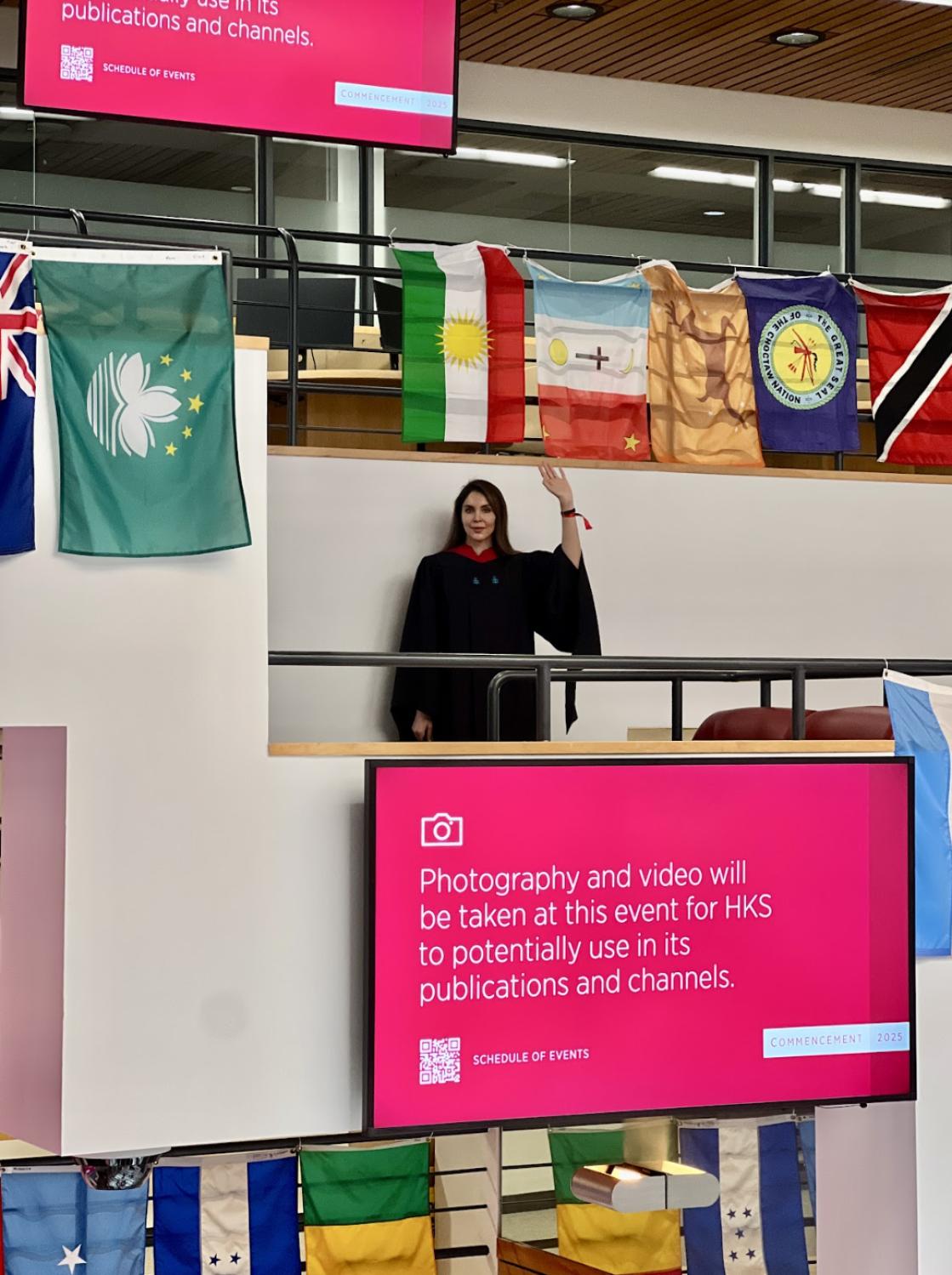
A symbol of Kurdish identity and pride
Balakayati, located in the mountainous northeast of the Kurdistan Region, about 150 km from the capital city of Erbil, is renowned for its natural beauty and long history of resilience. Sara was born into a revolutionary Kurdish family shaped by both tradition and sacrifice, with a deep-rooted history of fighting to protect Kurdistan’s land and identity. “My great-grandfather, Sheikh Ubeidullah, represented the Kurdistan Region of Iraq in the Three-Border Agreement in 1944, which laid the foundation for the establishment of the Hope Party, the first Kurdish political party. My grandfather, Sheikh Mustafa, was a leading figure in the Kurdish revolutions and uprisings of the late 1980s and early 1990s,” Sara shared, pausing for a moment as tears filled her eyes. “My father, Sheikh Salahaddin, was a Peshmerga who lost his life during the civil war in 1997.”
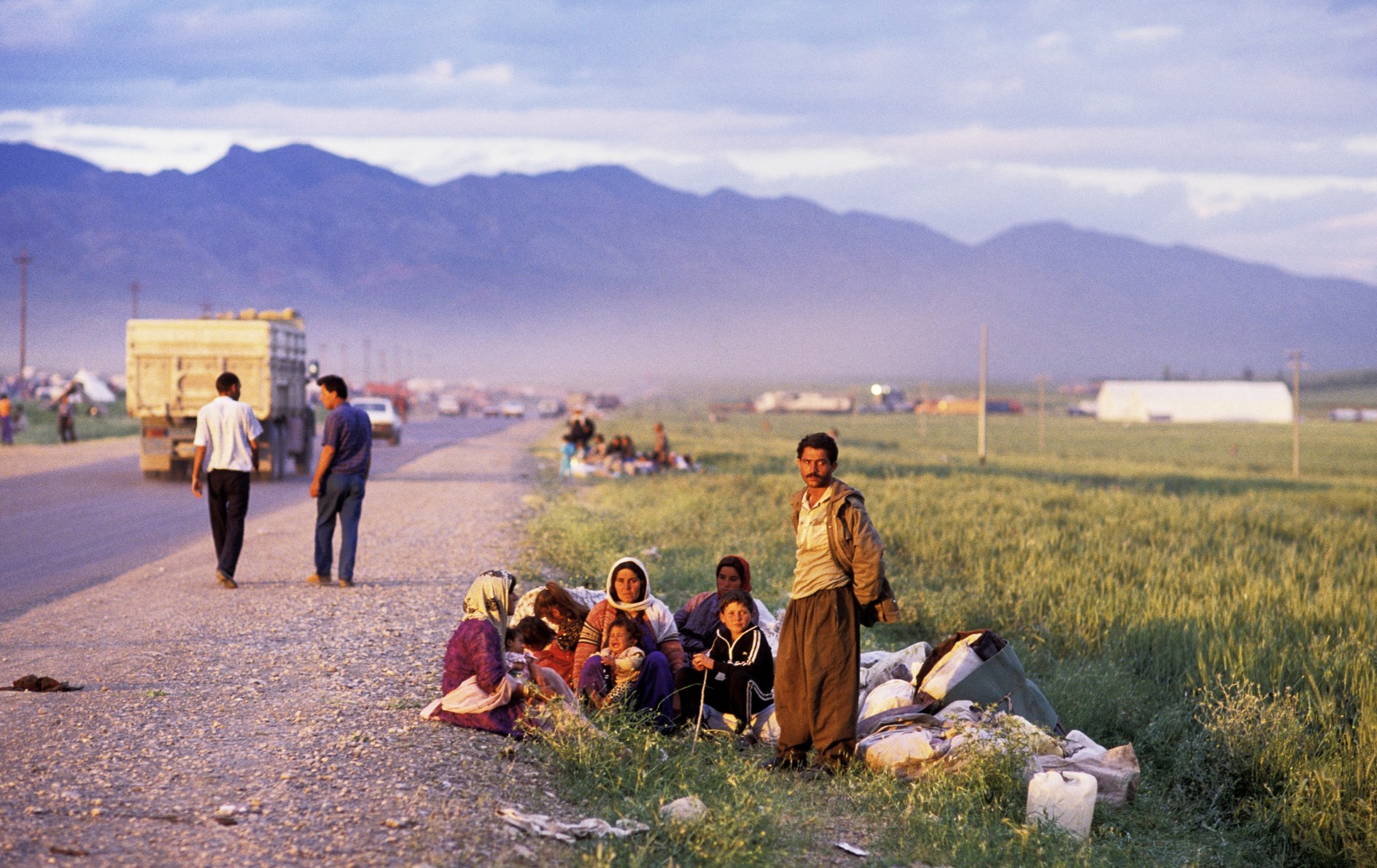
At just six months old, Sara crossed the mountains in her mother’s arms, fleeing Saddam Hussein’s chemical bombardments. This journey led them to spend eight years as refugees in Iran. During that time, she attended school in a new country and studied a new language, as there were no special classes for refugee children. “Those years taught me early what it means to adapt and persevere. After my father’s death, my mother raised four children on her own. Her courage and determination showed me that strength is not the absence of hardship and difficulty, but the ability to keep going despite it,” she said.
As I mentioned, every history book about the Kurdish cause highlights the Balakayati area due to its significant geographical importance, surrounded by mountains where Peshmerga fighters led by General Barzani bravely battled the Ba’ath regime with limited weapons. I asked Sara how it feels to be perhaps the first person from Balakayati to graduate from Harvard.
“Balakayati is more than just my place of origin; it is a living symbol of Kurdish resistance and pride. It is where revolutions were born, where people endured wars, displacement, and harsh winters, yet never let go of their determination to preserve Kurdish identity and their hunger to learn,” she began.
Then she spoke about how families sacrificed what little they had so their children could attend school, believing that education itself was a form of resistance. From those mountains emerged poets, scholars, and teachers who gave voice and vision to their culture. “Balakayati became known not only for its high literacy rates but also as one of the first regions in Kurdistan to send girls to school.”
The people of Balakayati are known for their warmth and hospitality, a characteristic that Sara also highlighted. You can taste it in the food and local products, feel it in the strength of its women and the resilience of its men, remember it in the stories of its brave martyrs, and witness it in the passion of its youth.
“For me, as the daughter of a martyred Peshmerga, walking the halls of Harvard while carrying the name ‘Kurd’ was sometimes overwhelming,” Sara shared.
Each time she spoke about identity, war, justice, and morality, it felt as though she was carrying generations of unfulfilled dreams on her shoulders, a weight made up of both pride and pain: pride in the strength and sacrifices that shaped her; and pain for the many voices silenced before they had the chance to be heard, along with the dreams buried with their untold stories. Honor and loss have also become inseparable from who she is.
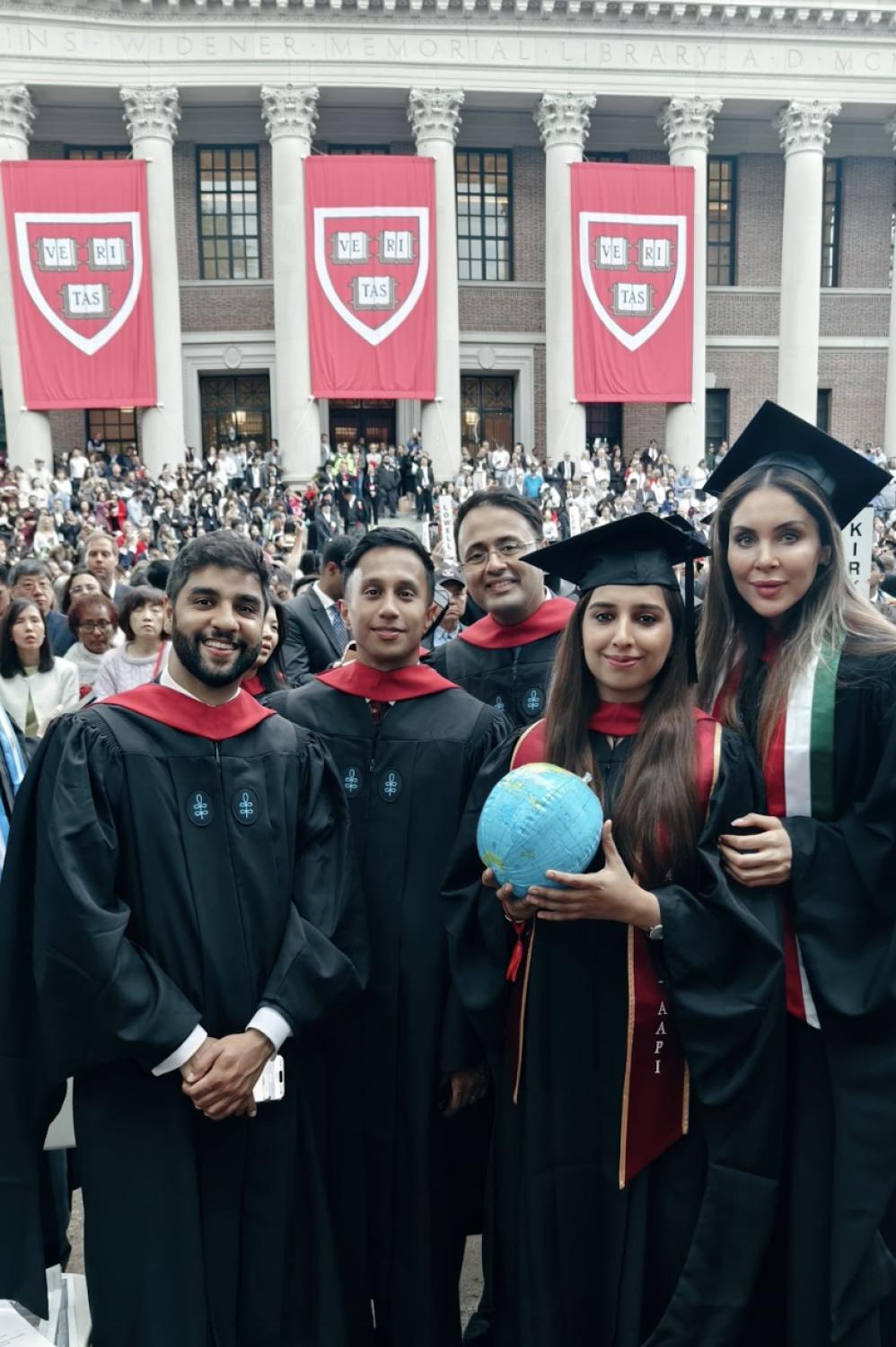
Education as a key to success
Upon returning to the Kurdistan Region from Iran, Sara began secondary school for the first time, this time in the Kurdish language, and went on to graduate from university.
Sara’s career began in political science and peace studies at the UKH, where she began to realize her passion for education. “In 2018, my path shifted. I led the establishment of Vision Education, an institution founded by Idris Nechirvan Barzani designed for a purpose – to lead change through education,” she said. For the first time in Iraq, private education revenues were reinvested in the public sector, especially in rural areas. “It was a unique model, which redefined the private education sector and contributed to the development of the public sector,” she added.
I had the pleasure of meeting Sara several times in Boston, each encounter brimming with energy and inspiration. One particularly memorable occasion was when Barham Salih, the former president of Iraq, invited a group of Kurds to celebrate Newroz in March 2025. During dinner, Sara and I found ourselves engrossed in a lively discussion about education, and her passion radiating through every word. With a fierce belief that education is the cornerstone of progress, she spoke with conviction about her mission to transform our country and empower a new generation. As the leader of Vision Education, Sara saw firsthand how education can make the difference between stagnation and transformation.
“I’ve witnessed the stark divide between private and public schools and the way inequality in classrooms breeds a broader inequality in society,” she shared, her eyes sparkling with determination. This insight has reshaped her understanding of education’s role in society.
“If we aspire to build a prosperous country with a thriving society, we must invest in our education infrastructure,” she asserted. “Education should not only prepare young people for jobs, but also instill in them the values, skills, and character they need to uplift their communities. For me, the classroom is where the foundations of justice, equality, and social and economic development are laid.”
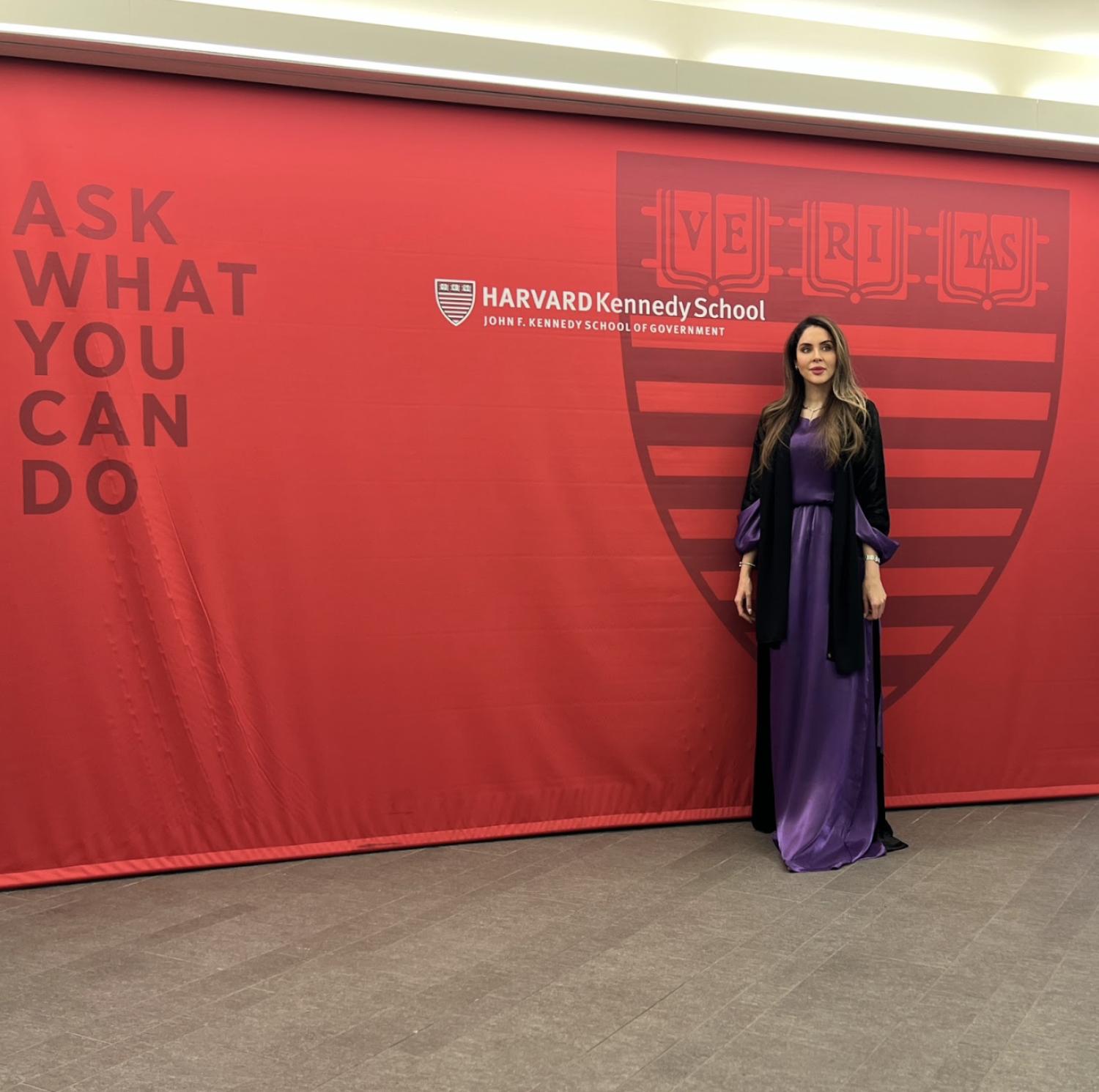
Convening with remarkable individuals and future leaders
As a stateless Kurd, Sara vividly recalls taking the legendary Marshall Ganz’s course on Public Narrative at Harvard. Each lecture challenged her to connect her personal stories to the broader struggles of her community. “In those moments, I often thought of the child I once was, the baby carried across the Qandil Mountains in her mother’s arms, fleeing chemical attacks,” she reflected.
That child became a woman who sat in lecture halls with esteemed professors shaping global policy, engaging in profound conversations about leading with moral purpose, the evolution of societies, and how leaders navigate through challenging realities for the sake of their people. It was a transformative experience that deepened her understanding of the world and her place within it.
“For me, Harvard was not just an academic achievement; it was about carrying my story into spaces where remarkable individuals and future leaders convene,” she emphasized. “I was bringing with me the sacrifices of my family and my people, engaging in discussions about my origins and identity.”
As Sara shared her experiences, she reflected on how many of her classmates had only encountered Kurdistan through the headlines of war. Some even confused it with Pakistan or Afghanistan, while others expressed doubt and confusion when asking about life in Iraq during the Ba’ath regime. For Sara, sharing the story of the Kurds was not merely about correcting misconceptions; it was about illuminating the passion that stems from their history. “Our future ambitions are rooted in our struggles, and each of us at Harvard carries a story that brought us here,” she explained.
Sara emphasized that education is also about cultural exchange, transforming identity into a bridge rather than a barrier. “I came to appreciate not only the beauty of our diverse stories, but also the lessons behind our suffering and the incredible power of people to transform and see beyond barriers,” she noted. The personal stories of her classmates, hailing from over 60 countries and representing a myriad of backgrounds, came together to form a vibrant community united by a shared desire to make the world a better place.
One of Sara’s proudest moments was adding Kurdistan’s flag to the display of flags at the John F. Kennedy Forum, the most symbolic space at the world’s leading school of government, where presidents, prime ministers, and global leaders gather. “To see the flag of a stateless nation among the symbols of recognized states was, for me, a testament to the Kennedy School’s respect for diversity and inclusion,” she said, her pride evident in her voice.
Sara expresses gratitude for the way her Kurdish identity shapes her worldview. “For me, being a Kurd means growing up amid echoes of displacement, marginalization, and a constant struggle to preserve my identity and culture. This background continually compels me to question notions of justice, equity, and dignity,” she stated.
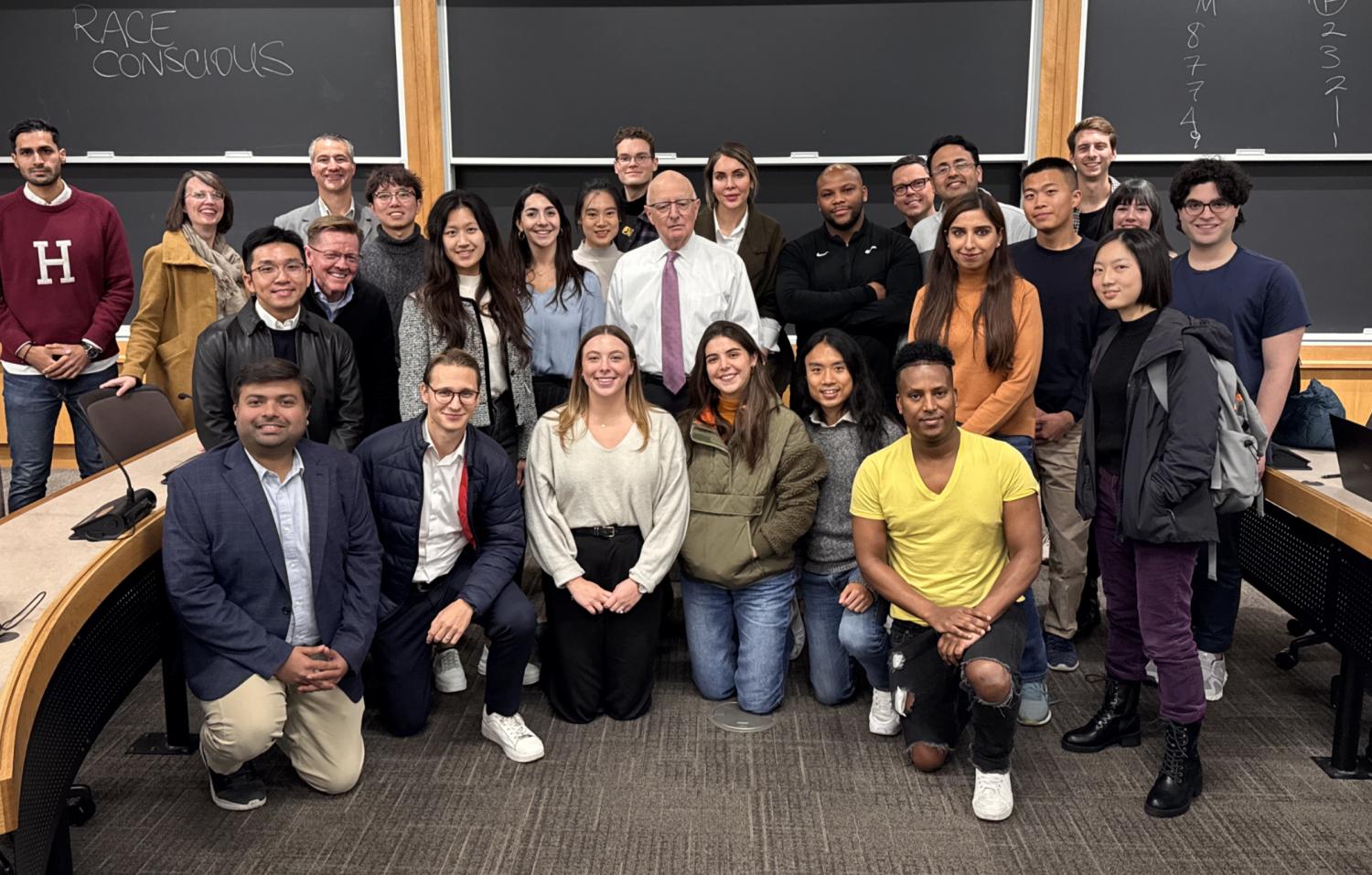
Reforming the education sector
Sara views education not just as a pathway to knowledge, but as a powerful force that creates equal opportunities, free from discrimination based on race, ethnicity, religion, or political beliefs. “I believe the essence of education lies in knowing oneself and others, learning how to engage with each other, accepting differences, respecting diverse identities, and finding common ground to address shared challenges. We must preserve our identities rather than abandon them; true education teaches us that our differences are sources of strength, not challenges.”
Every time I speak with Sara, she shares her vision for reforming the education sector in the Kurdistan Region. She firmly believes that education is rapidly evolving in the age of artificial intelligence (AI). As governments worldwide integrate AI into their operations, systems are changing at an unprecedented pace. “Kurdistan cannot afford to fall behind. I hope to help our educators and learners develop the skills to utilize these new technologies effectively,” she emphasizes.
In the Middle East, countries like the UAE, Saudi Arabia, and Qatar are leading the AI revolution. Sara is concerned that Kurdistan and Iraq must seize this opportunity to modernize their education systems, improve learning outcomes, and prepare students for an unpredictable future. “This mission is deeply personal to me. Kurdistan’s K-12 students often study in overcrowded schools with limited infrastructure. The curriculum has significant gaps, our teachers lack training in modern pedagogical practices, and their salaries are low,” she explains.
These challenges, as Sara elaborated, have created an environment where personalization, innovation, and human skills development are severely restricted. “I am currently studying the gaps in our system, analyzing structures inherited from the centralized Iraqi education system, which offers very little flexibility.”
The power of women
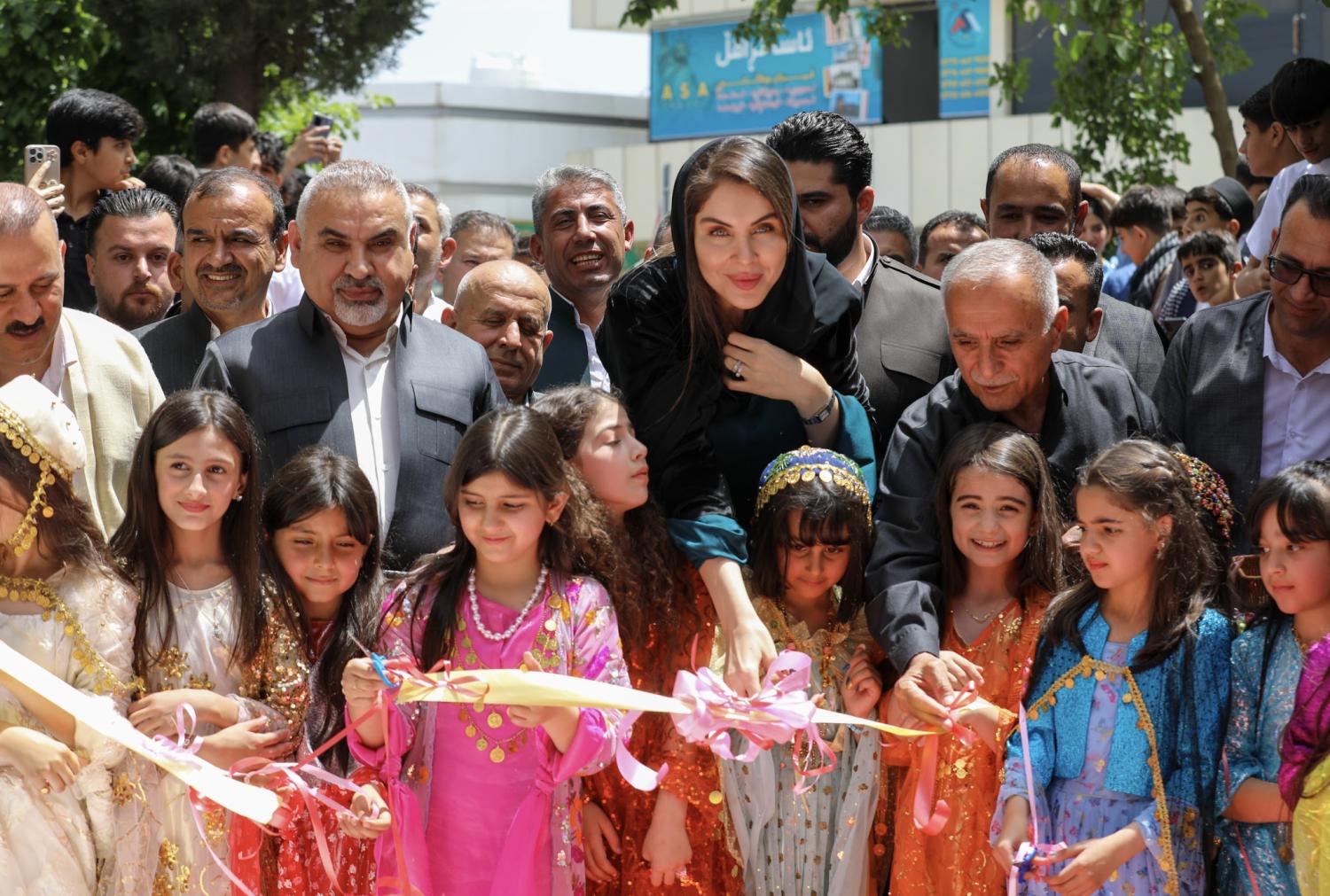
After an insightful discussion about education, childhood memories, displacement, and the impact of war, we shifted our focus to the role of women in the Kurdistan Region today. Kurdish women are known for their extraordinary strength, and history demonstrates their significant contributions as politicians, leaders, authors, and educators. Sara, coming from a conservative family, broke barriers as the first woman in her family to work, study abroad, and attend college, a journey that was far from easy.
“Today, we see women serving as ministers, judges, parliamentarians, leaders of nongovernmental organizations, and governors,” she reflects. “Kurdish women have shown the world the power we hold, the potential we embody, and what true courage looks like in the face of adversity.”
These women are not only brave Peshmerga fighters combating terrorism, but also nurturing mothers who play a pivotal role in protecting our land and leading the most essential institution in society: the family. They have preserved our culture and thrived beyond expectations. “We are breaking glass ceilings, but more importantly, we are building new foundations. The future of Kurdistan hinges on women’s full participation in all aspects of society. When women lead, families thrive, societies progress, and nations grow stronger.”
Sara is now launching a new venture through which she will pioneer K-12 AI literacy in Iraq and the broader Middle East, with the aim of contributing to regional education reform “My measure of success is not defined by titles or personal achievements, but by whether this work leaves people in the Middle East better equipped with the skills and knowledge they need to navigate an unpredictable future.”
When I asked her what advice she would give to the youth of Kurdistan, Sara responded without hesitation: “I would tell them that, have the courage to build a meaningful life for yourself and for people around you. Move forward, face challenges, and don’t be afraid to fail, every failure has a lesson, every loss makes you stronger. Hold on to your values, don’t compromise them, stay true to what you genuinely care about, and be ambitious without losing your honesty.”
A Kurdish-American journalist overseeing the US Desk at Kurdistan Chronicle.