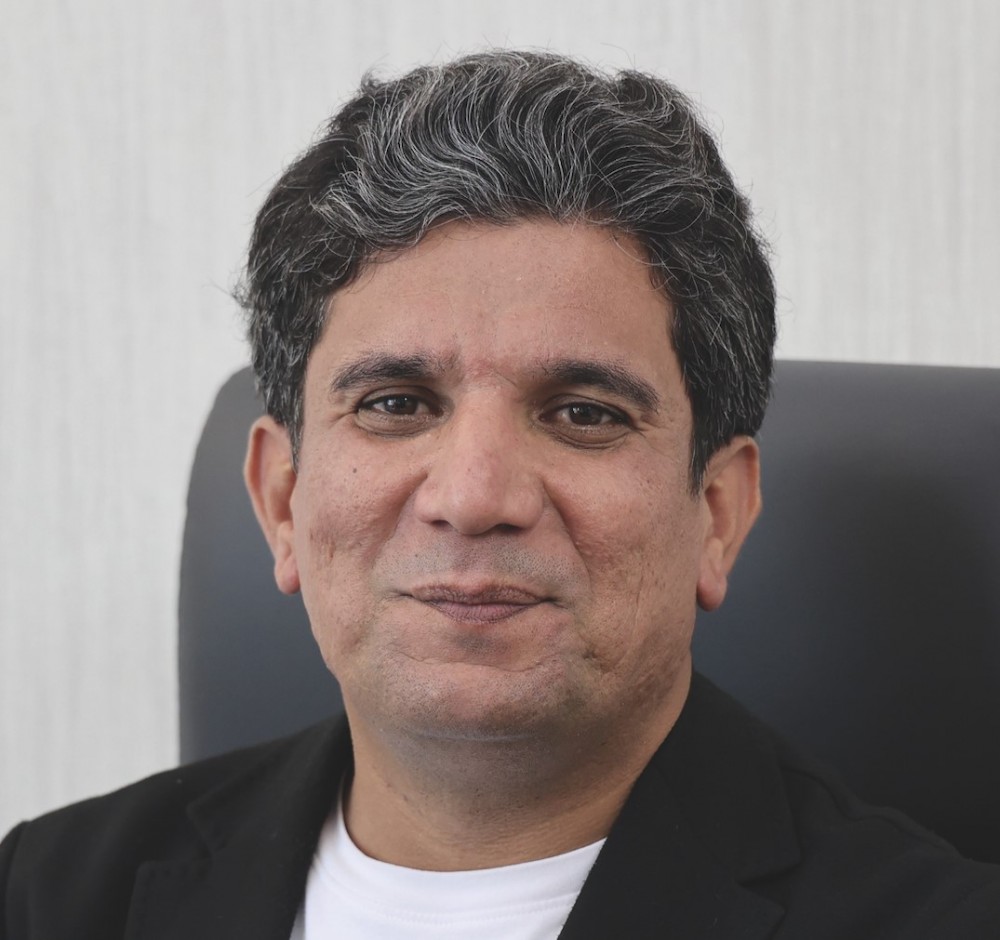
After two years as Head of the EU Liaison Office in Erbil, Radu Butum reflects on Europe’s evolving priorities, regional change, and the people he will remember.
A relationship at a turning point
Kurdistan Chronicle (KC): You are coming to the end of your mission as Head of the EU Liaison Office in Erbil. Looking back, what has changed most in the relationship between the EU and the Kurdistan Region, and what remains unfinished?
Radu Butum (RB): The relationship between the EU and the Kurdistan Region of Iraq (KRI) is, I would say, a shared journey.
When I arrived in the fall of 2024, anticipation was high for the November Kurdistan Region parliamentary elections, a process the EU had long advocated as critical to democratic legitimacy, institutional strength, and Iraq’s broader stability. Over the past two years, the geopolitical landscape has changed significantly: the fall of Assad’s regime in Syria, the armed conflicts involving Iran in 2025–26, and the encouraging strides for peace and integration in Türkiye have all reshaped the Kurdistan Region’s security, political, and economic realities.
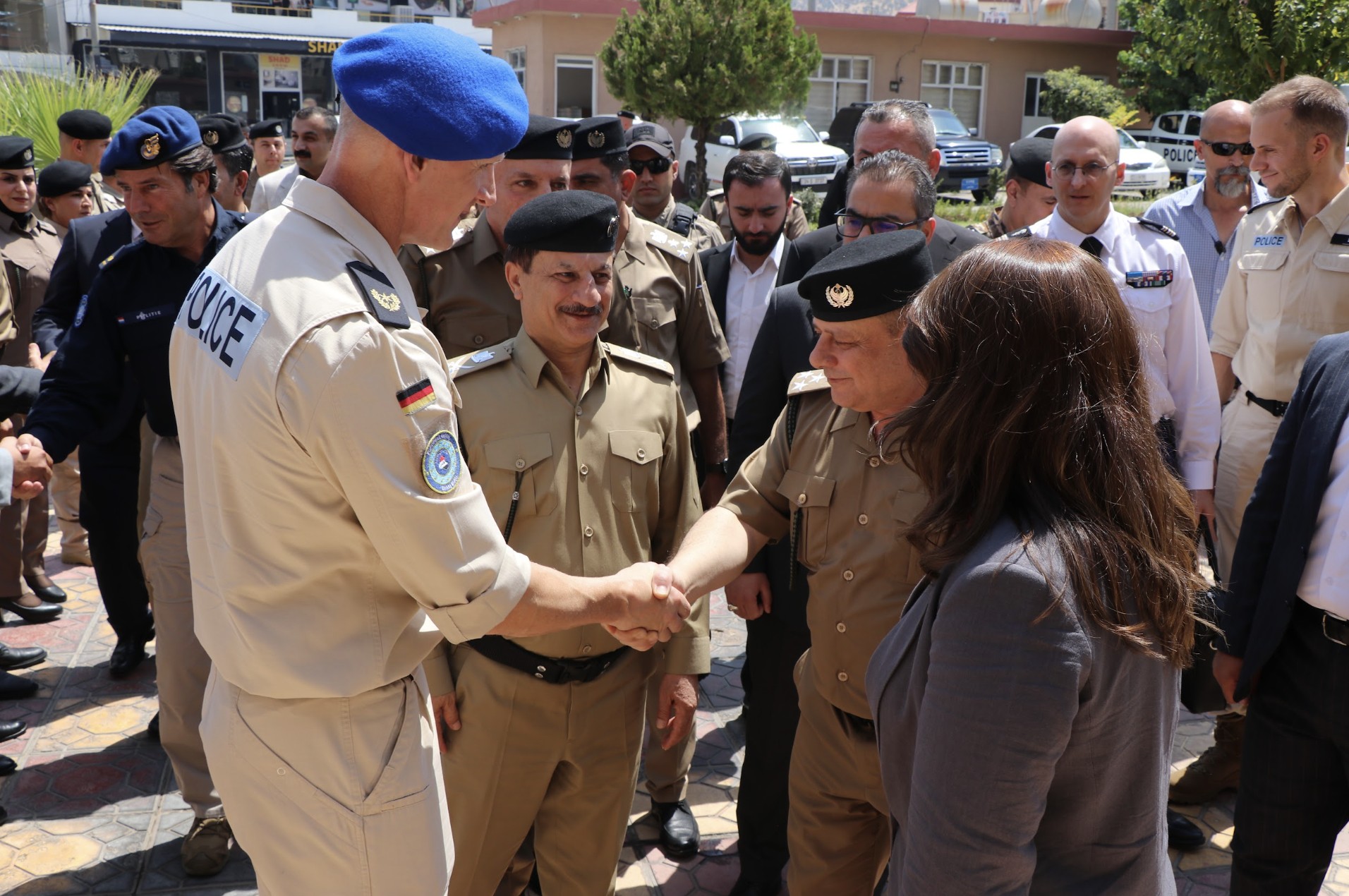
The EU adapts its engagement accordingly. While the KRI remains a like-minded partner and a stabilizing actor in the region, our focus is evolving. Beyond stabilization or security sector reform — which we continue to pursue both through various projects and through the work of the EU Advisory Mission and the Humanitarian Aid Office — we now see Iraq and the KRI as important emerging economic actors. The EU is keen to deepen this dimension of our partnership, building on the region’s potential for growth, trade, and investment.
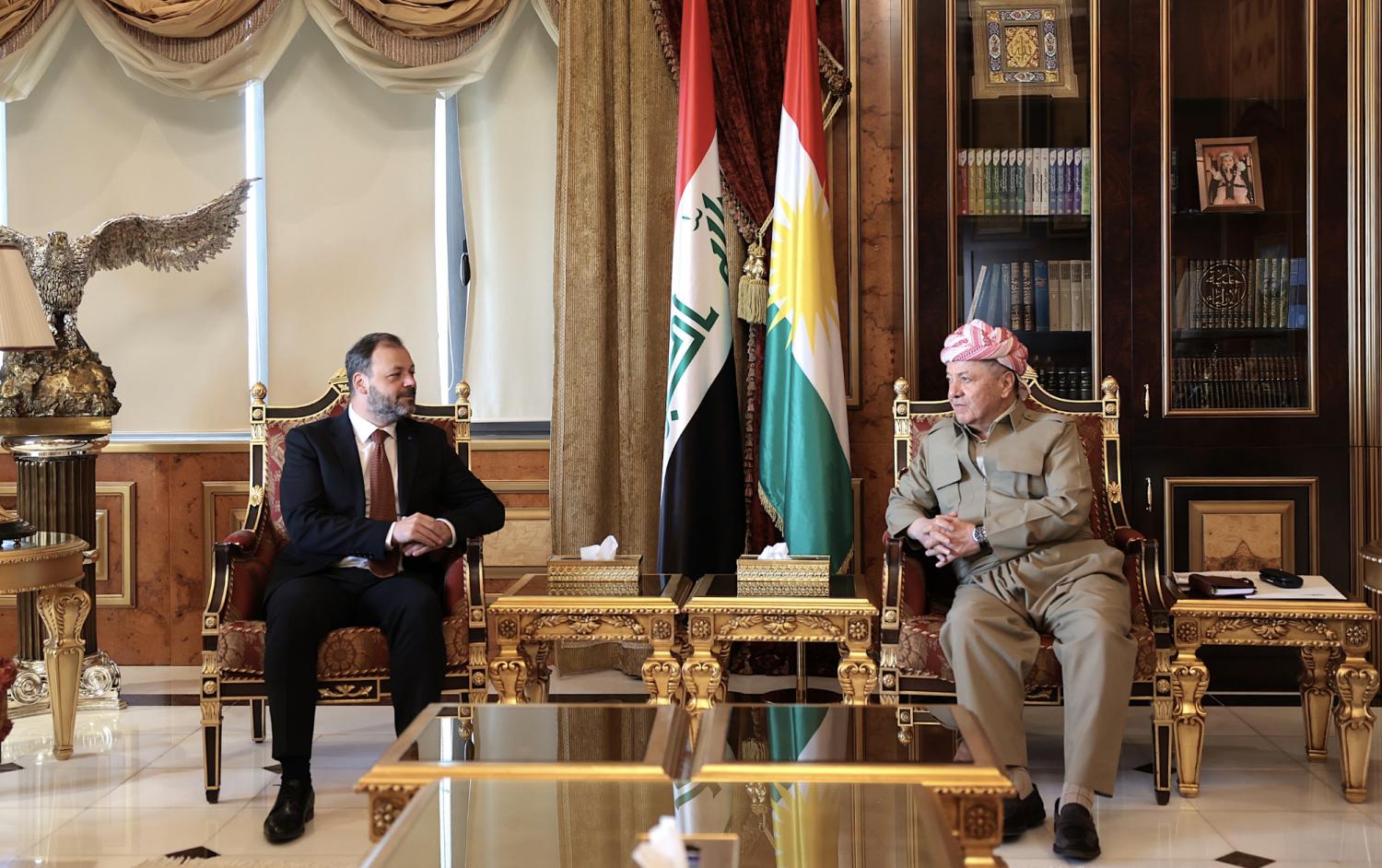
Strengthening institutional resilience, rule of law, and economic diversification will be key to ensuring the KRI’s long-term prosperity, areas where the EU stands ready to continue its support.
“The EU is keen to deepen this dimension of our partnership, building on the region’s potential for growth, trade, and investment.”
From stabilization to investment
KC: The EU is moving its focus from post-conflict stabilization toward economic development, investment, and job creation. What do you think the Kurdistan Region needs to change if it wants to attract more European investment and create meaningful opportunities for its young people?
RB: Enduring security concerns are certainly affecting economic growth and investment. But the converse is not necessarily true — a completely safe environment is not, by itself, a guarantee for capital inflows and steady economic prospects.
Investors — European or otherwise — seek predictability, legal certainty, and a conducive business environment. And the good news is that it is entirely within the competence of a government to ensure these conditions are met. The EU already contributes to this objective through targeted projects and programs. I will highlight just a few examples — there are several others.
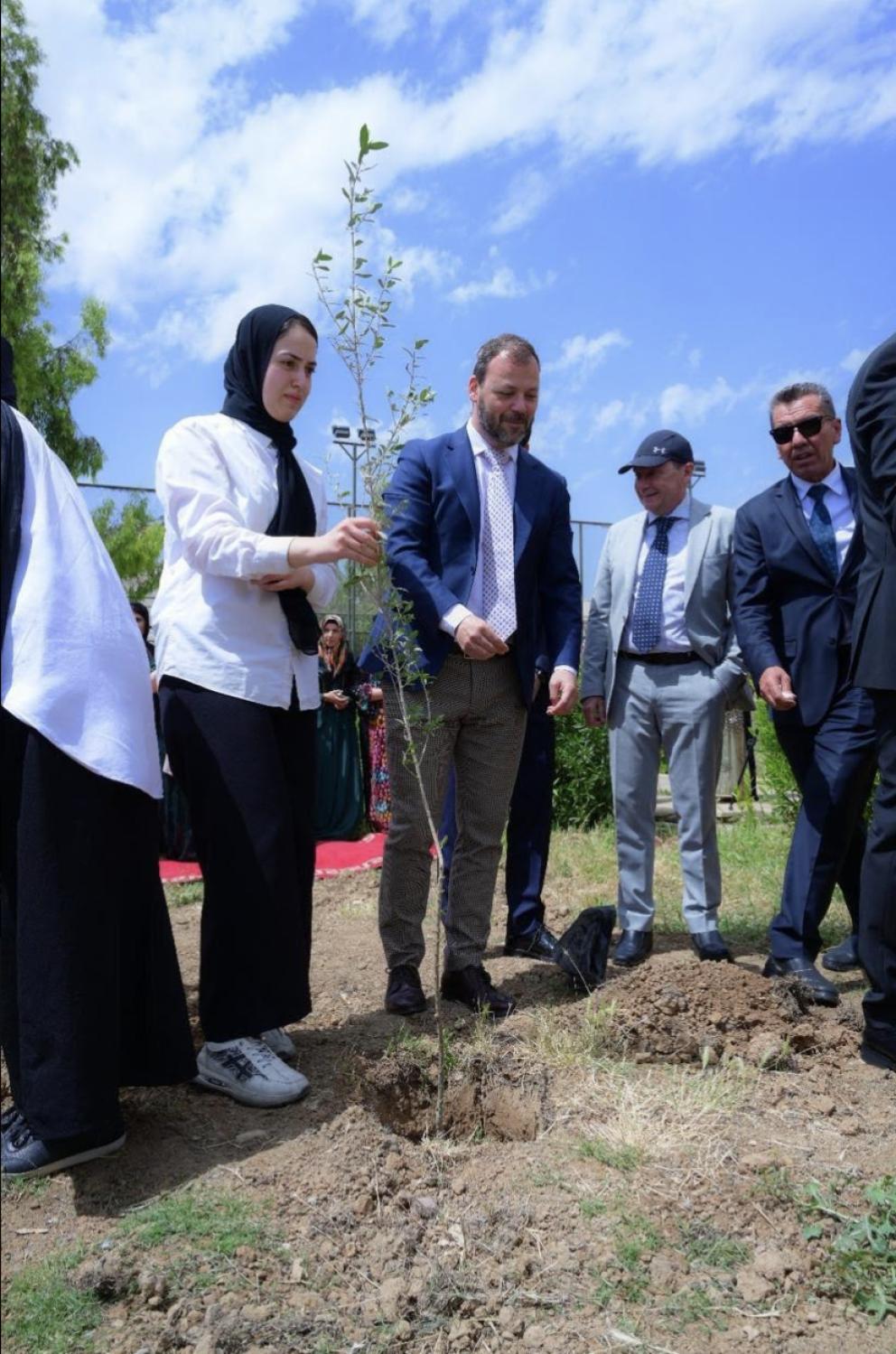
Jobs and entrepreneurship opportunities that support sustainable, inclusive development are funded through a €15 million project across Iraq that will run until 2029. And we also support technical and vocational education, in particular through the development of green and digital skills for young people to enhance their employability. In fact, the EU has consistently focused on young adults and their prospects, as they are the most valuable resource that the KRI and Iraq have.
We are also looking at key economic areas, like agriculture, where we support the strengthening of value chains, which will also improve trade opportunities. Equally important is the social protection program that the EU has in Iraq. This is a program with a €55 million budget that runs from 2021 to 2027 and has contributed, among other things, to the development of a social protection strategy for the KRI. But structural reforms are equally important: streamlining bureaucracy, combating corruption, and aligning regulations with international standards would signal to investors that the KRI is open for business. The EU remains open for dialogue and partnership in these efforts.
“Investors — European or otherwise — seek predictability, legal certainty, and a conducive business environment.”
Kurdistan in a changing Middle East
KC: Europe and the Middle East are entering a period of major geopolitical uncertainty. What role do you see for the Kurdistan Region in the EU’s broader strategy for Iraq and the region, and how important will the relationship between Erbil and Baghdad be in that strategy?
RB: In times of geopolitical uncertainty, internal stability and cohesion are essential. The KRI has long been an island of relative stability in a volatile region, thanks to its power-sharing model and economic resilience. Now more than ever, these strategic assets should be preserved and strengthened.
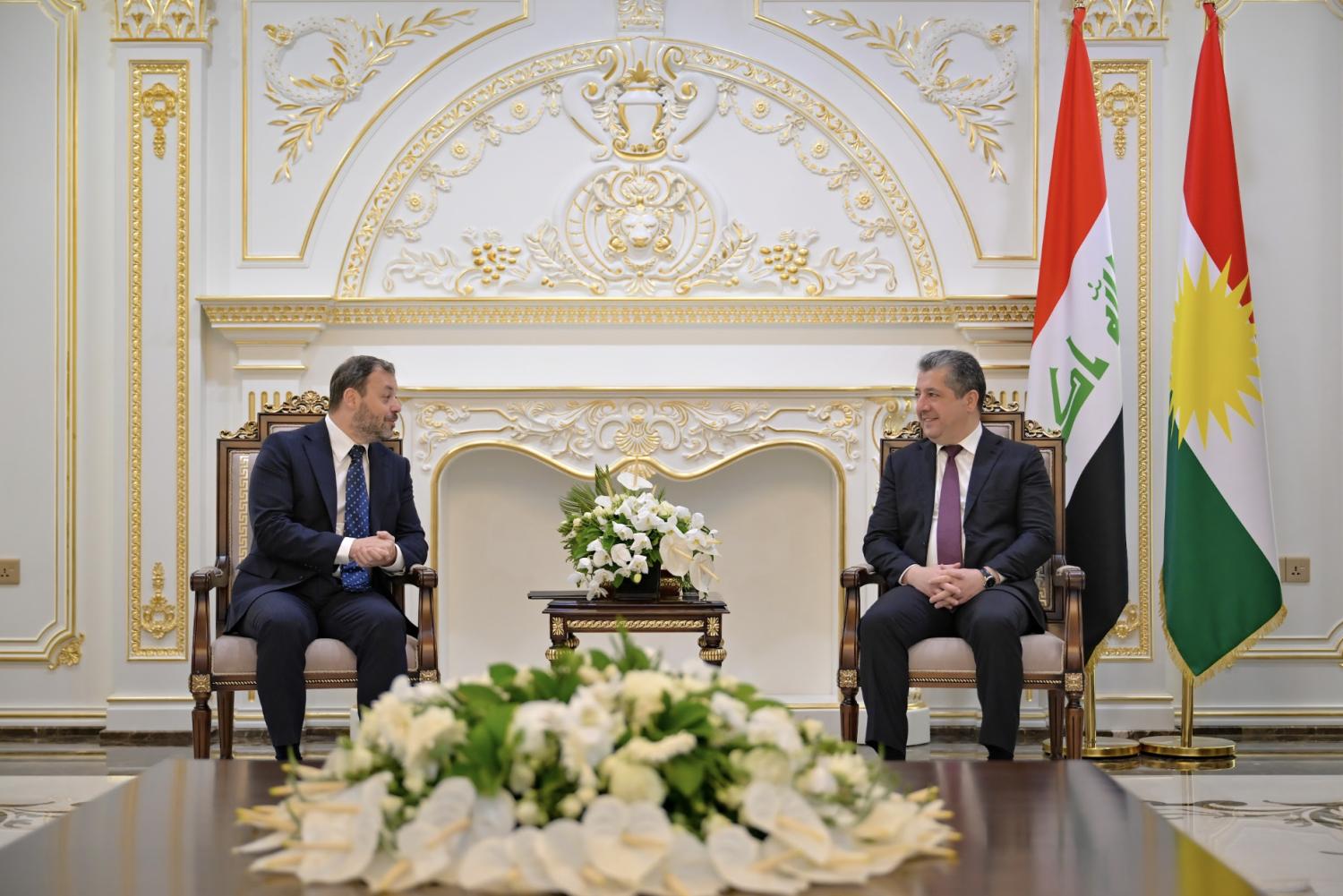
For the EU, a predictable, stable KRI is a valuable partner. We will continue supporting efforts to reaffirm democratic values, human rights, and institutional balance, both within the KRI and in its relationship with Baghdad. A cohesive Iraq, with Erbil and Baghdad working in tandem, is essential for regional security and economic integration.
Moreover, the KRI’s geostrategic position makes it a key interlocutor for the EU. The conflicts at our borders are interconnected, often fueled by disruptive actors with shared agendas. The EU values the KRI’s insights and cooperation in navigating these challenges because no country can address them alone.
“A cohesive Iraq, with Erbil and Baghdad working in tandem, is essential for regional security and economic integration.”
What Europe gets wrong about Kurdistan
KC: You have spent several years working closely with people and institutions in the Kurdistan Region. As you leave Erbil, what is one thing you think Europeans still misunderstand about Kurdistan, and one thing you think people here misunderstand about the EU?
RB: In Europe, Iraq’s and, by extension, the KRI’s image is perhaps still associated with tragic wars, armed conflicts, and authoritarianism. This is unfortunate, as it overlooks the region’s remarkable progress. Its cities offer both traditional delights and state-of-the-art facilities and spaces, while its people are warm, welcoming, and very attached to many of the same values as Europeans. The Kurdish diaspora plays a crucial role here: their contributions abroad can help reshape narratives and showcase the real Kurdistan.
As far as the misunderstandings about the EU go, I would say Kurds understand the Europeans quite well — far better than many may assume! If there is a gap, it’s in grasping the EU’s institutional complexity, but this is a challenge even we Europeans face. The EU is not a monolith; it’s a union of diverse voices, sometimes slow but ultimately stronger for its debates. Another point: some here worry about the EU’s future amid multiple crises. Yet history shows that Europe emerges wiser from each trial. Our strength lies in adaptability and in ensuring that every voice counts.
One last memory
KC: After your time in Erbil, is there a particular person, conversation, or moment that will stay with you — and perhaps change the way you remember the Kurdistan Region?
RB: Certainly! I am grateful to have met several wonderful people from whom I have learned a lot, not only about the region, but also about the EU and about myself.
One evening stands out: a mellow spring sunset by Gomaspan Lake, sharing strong Kurdish tea with locals. Two former Peshmerga fighters, one from Sulaymaniyah, the other from Erbil, now close friends, recounted to me some of their past struggles, some of their current concerns, and their hopes for Kurdistan’s future. Their resilience, warmth, and quiet optimism are what I’ll remember most about this region.
A Kurdish journalist with 15 years of experience in media development in Iraq. He has contributed to both local and international media outlets.