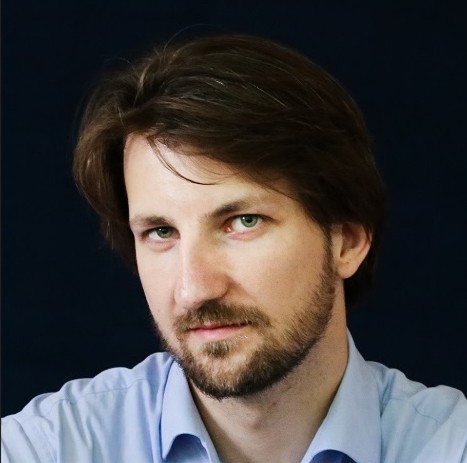
The five-year strategy targets police stations, training, leadership, and personnel management across the Kurdistan Region.
The Kurdistan Regional Government (KRG) is moving ahead with a five-year reform strategy aimed at modernizing police stations, reorganizing directorates, improving police training and leadership, and optimizing personnel deployment across the Kurdistan Region.
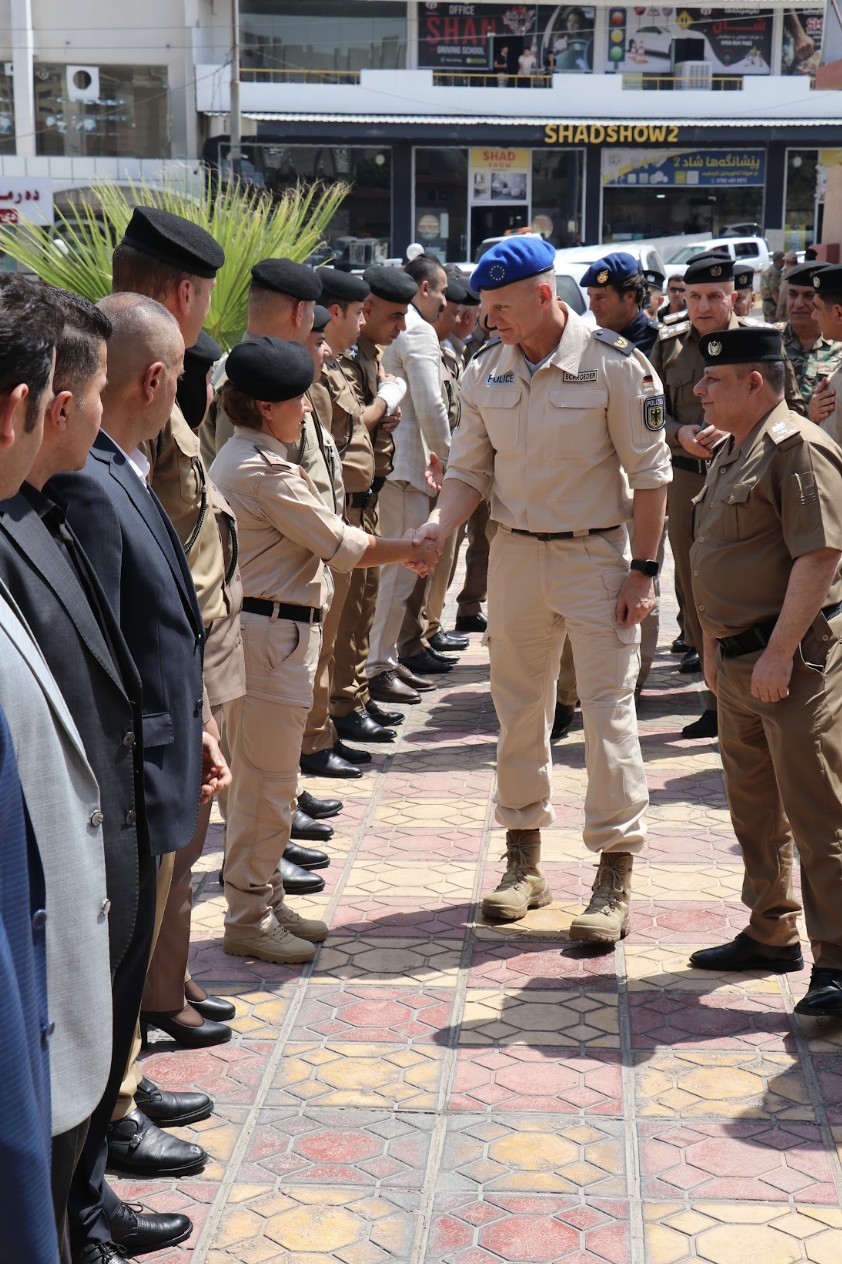
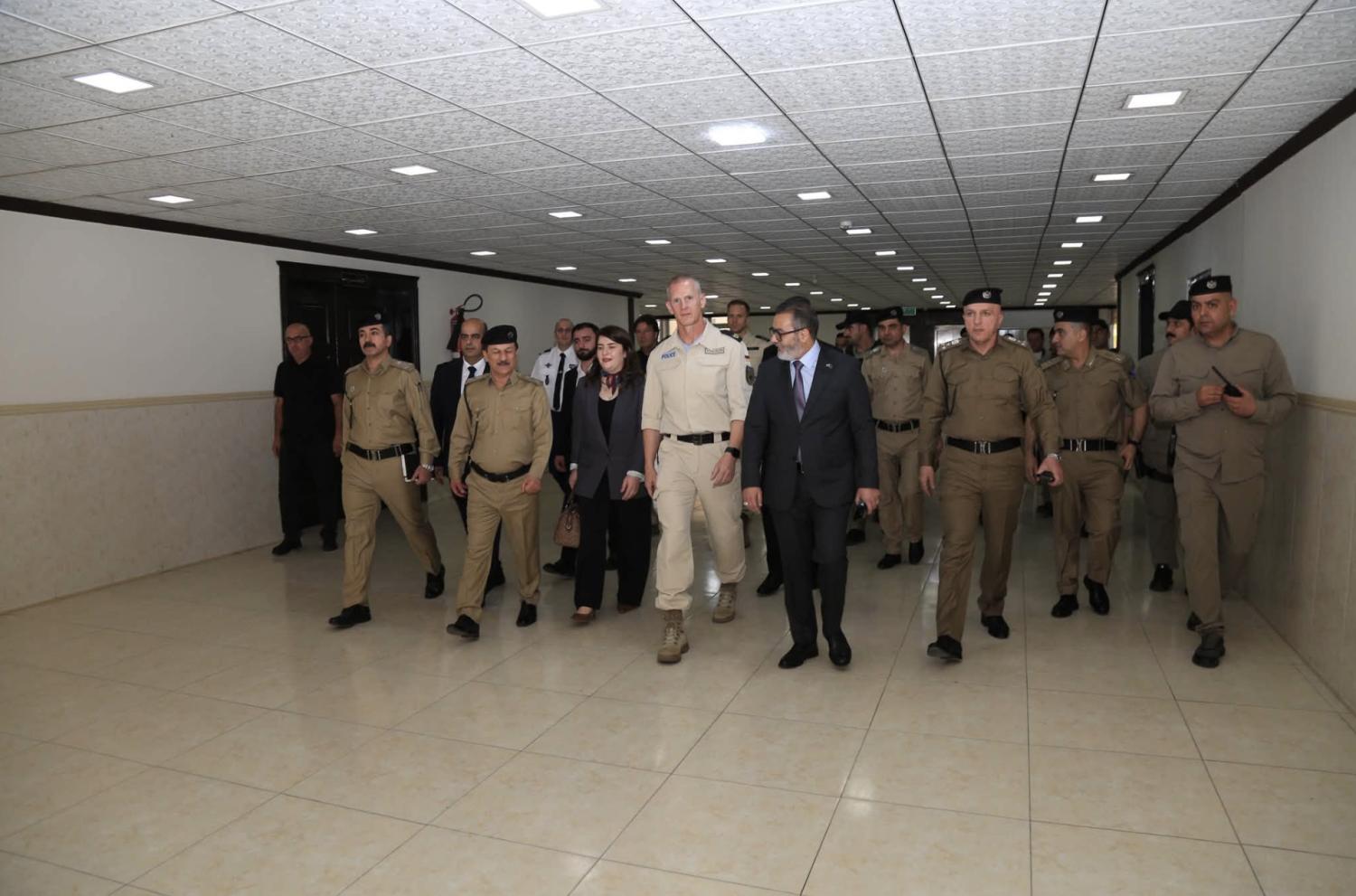
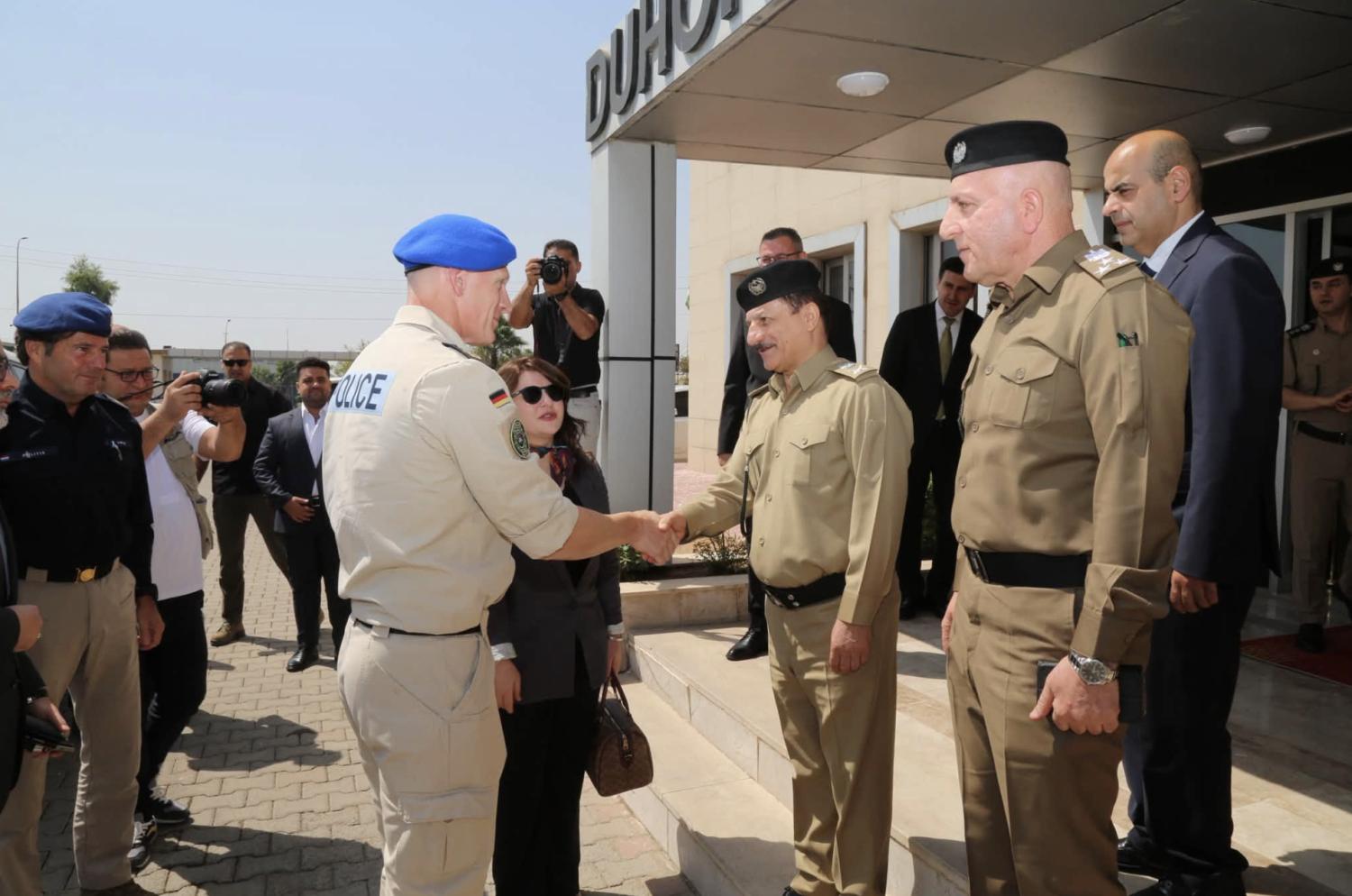
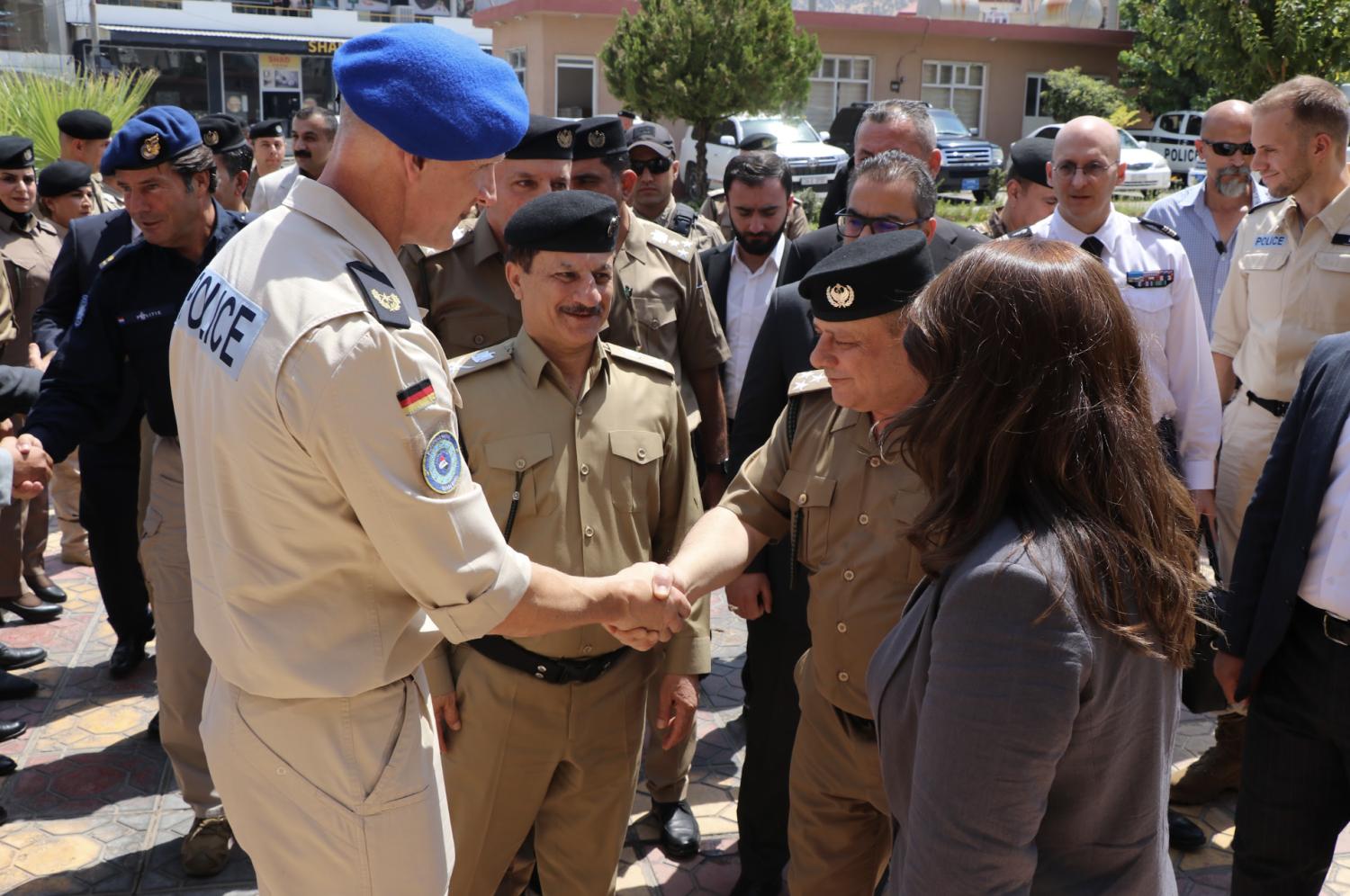
The Kurdistan Police Reform Strategy 2026–2030 is being implemented with support from the EU Advisory Mission in Iraq (EUAM Iraq). At a three-day workshop in Erbil that concluded on September 1, senior police leaders from Erbil, Sulaymaniyah, Halabja, and Duhok met with European advisors to determine the reforms they will prioritize during the strategy’s first year.
European Expertise, Regional Solutions
Saman Hassan, a police commissioner from the Netherlands who traveled to Erbil to participate in the workshop, said the reform process began by identifying 20 areas across the KRG Ministry of Interior that could be improved.
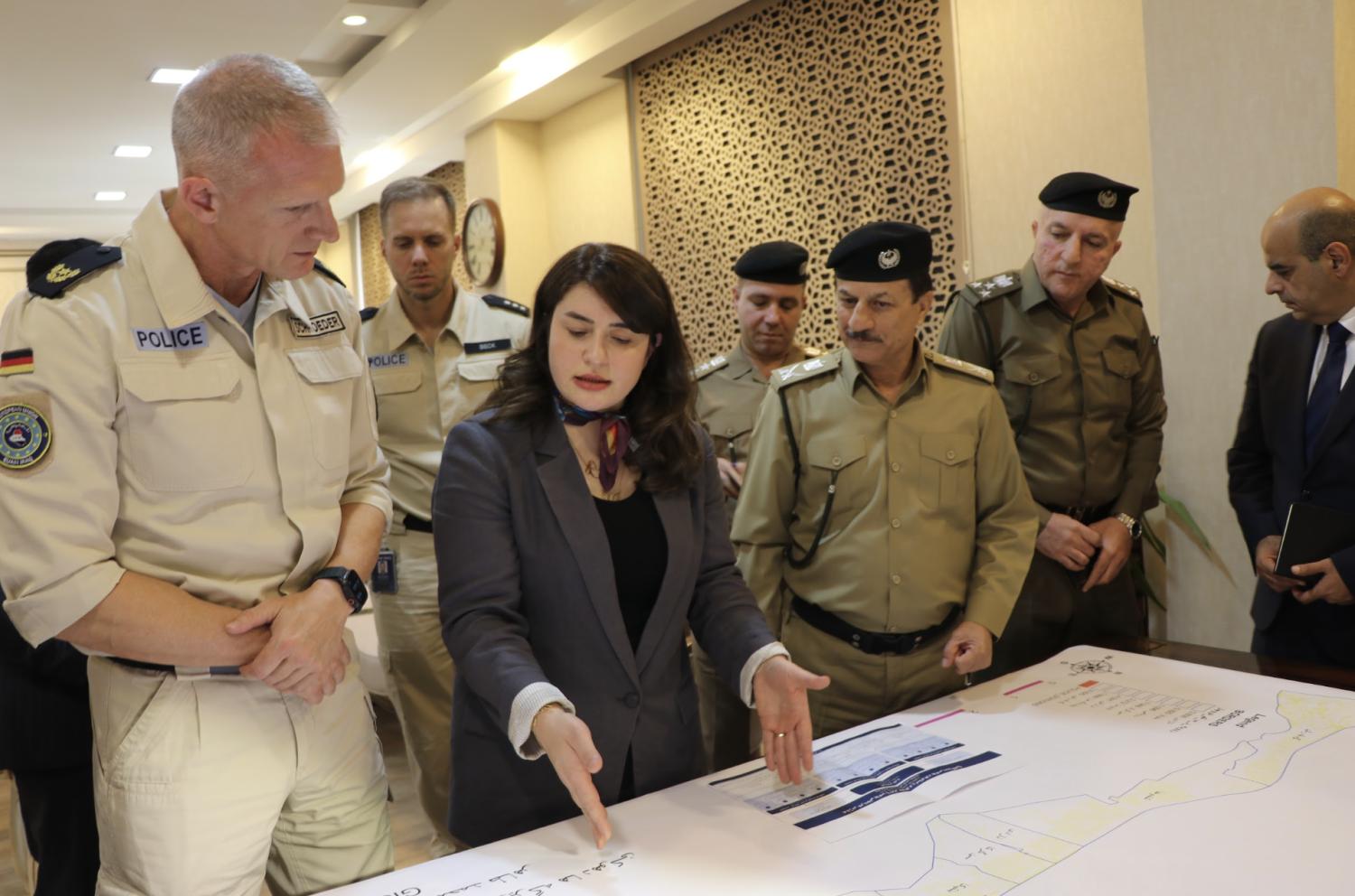
“The first and second days involved a lot of discussion and an exchange of knowledge from the Netherlands, the EU, and various other perspectives,” Hassan told Kurdistan Chronicle. “On the third day, we gave them the opportunity to independently choose five priorities out of the 20, through discussion and presentations. With the help of our European colleagues, we will shape this process over the next five years.”
“Europeans are more developed and have more experience, so of course there are things that can be useful for us,” Major General Tariq Ahmed Ibrahim, General Director of Kurdistan Police and Head of the Kurdistan Police Reform Committee, told Kurdistan Chronicle. “We are different societies, and some things may not work here, but there are also many good practices that we can apply. They have more experience, particularly in leadership, so it will of course be useful for us.”
Jaring Kloosterman, EUAM Iraq Senior Strategic Advisor on Police Reform and a Dutch police officer, said the meeting marked the first time since EUAM Iraq began its mission in 2017 that senior leaders from across the Kurdistan Region had gathered in one place to discuss the way forward. The five priorities selected at the workshop will form the initial focus of the strategy, with police leaders responsible for determining how they can be implemented during the first year.
Five Priorities
Ibrahim outlined the five priorities selected by the police leaders: modernizing police stations, redefining the role of police academies, reorganizing and integrating directorates, establishing a police leadership program, and overhauling the system of government protection units.
Ibrahim described existing police stations as “outdated and traditional,” saying they need to be consolidated and modernized. Under the proposed model, services currently divided among units such as the Forest Police, Community Police, Anti-Crime Units, Emergency Response, Traffic Police, and Electricity Police would be brought together in centralized facilities.
The strategy also calls for transforming the College of Police into a police academy and updating its curriculum. “We want to change the curriculum and redefine the role of the college,” Ibrahim said. “If it becomes an academy, it will be for everyone, not only officers, but traffic police and other police employees as well.”
Another priority is reorganizing police directorates, including the Forest Police, Electricity Police, domestic violence units, Community Police, and emergency rescue services, under a more unified police structure. Ibrahim said the aim is to reduce overlap, create a clearer command structure, improve efficiency, and address personnel shortages.
Those shortages are also behind plans to overhaul the system of guards assigned to government officials, political parties, and other offices. “Some offices do not need guards, and the situation in the Kurdistan Region is safe,” Ibrahim said. “We can use those guards for other duties and work. In some police stations, we do not have enough police officers, so we can use these personnel to help fill those gaps.”
Women in Police Leadership
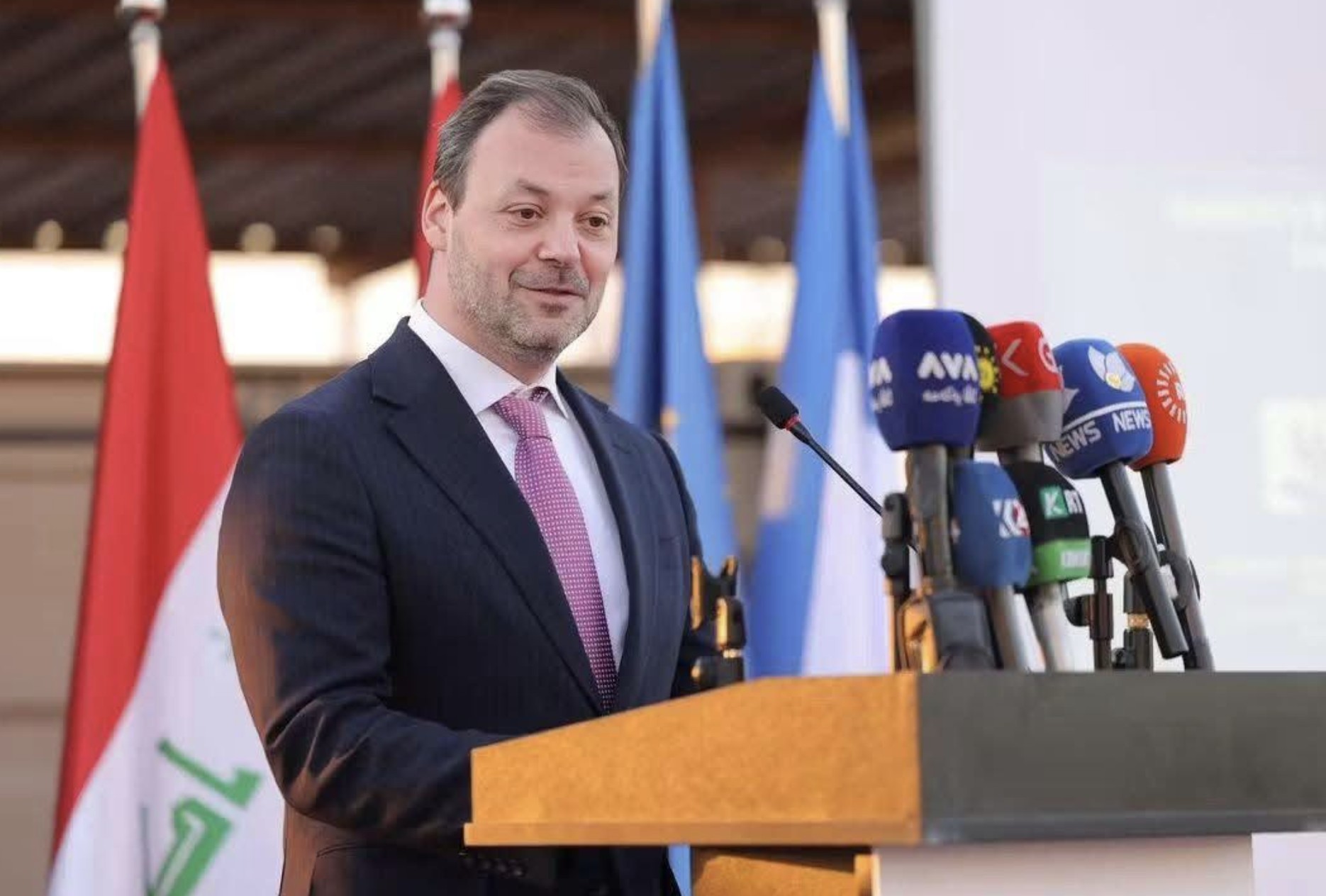
The reform strategy also aims to increase the role of women in police leadership. During the workshop on September 1, KRG Minister of Interior Reber Ahmed said the government wants women “to be at the forefront and to be decision-makers.”
“We are not sugar-coating it — they are all powerful, capable women,” Ahmed said. “We have women leading directorates, including passports and IDs, as well as serving as deputy governors, and we have the first female governor in Kurdistan, the governor of Halabja, in this cabinet.”
Ibrahim said women already hold prominent positions within the Ministry of Interior and that the reform process would seek to expand their role further. “Undoubtedly, this reform project will place even greater emphasis on female officers and personnel within the ranks of the Kurdistan Region Police,” he said.
Challenges to Reform
Despite the plans, Ibrahim said there are several challenges to police reform.
“The first and biggest is the budget. Advancing the police force requires logistics, equipment, and new buildings, so we need to ensure there are sufficient funds,” he said.
“The second challenge is legal. Dissolving directorates or merging institutions requires amendments to the Ministry of Interior law, which can take time and effort.”
The third challenge is political. “The Kurdistan Region has a multi-party democratic system, and differences between political parties can sometimes make certain reforms more difficult to implement,” Ibrahim said.
Those constraints influenced the decision to focus initially on five priorities. Ibrahim said they were selected because they are “easier to implement compared to others, as they require no legislative changes or funding, and present fewer challenges.”Adapting to Security Challenges
Some elements of the reform process are underway. On August 20, KRG Minister of Interior Ahmed awarded proficiency badges to 35 police officers who had completed specialized training as part of the police reform program. At the ceremony, he emphasized that police reform would need to be a continuous process, adapting to evolving security challenges and public expectations.
At the September 1 workshop, Ahmed charged the Kurdistan Region’s police leadership with implementing that reform, emphasizing the central role the police play in citizens’ everyday security.
“These are issues that concern people and make the police an important institution in society,” Ahmed said. “Don’t look to other ministries. You are the implementers of public policy in the Kurdistan Region and the protectors of people’s lives and property. That is a very big responsibility, and you have to act accordingly.”
A seasoned reporter and analyst who specializes in Kurdish affairs.