Kurdish business leaders gathered in Cizre to discuss their vision for reviving the millennia-old trade routes of the Tigris-Euphrates basin.
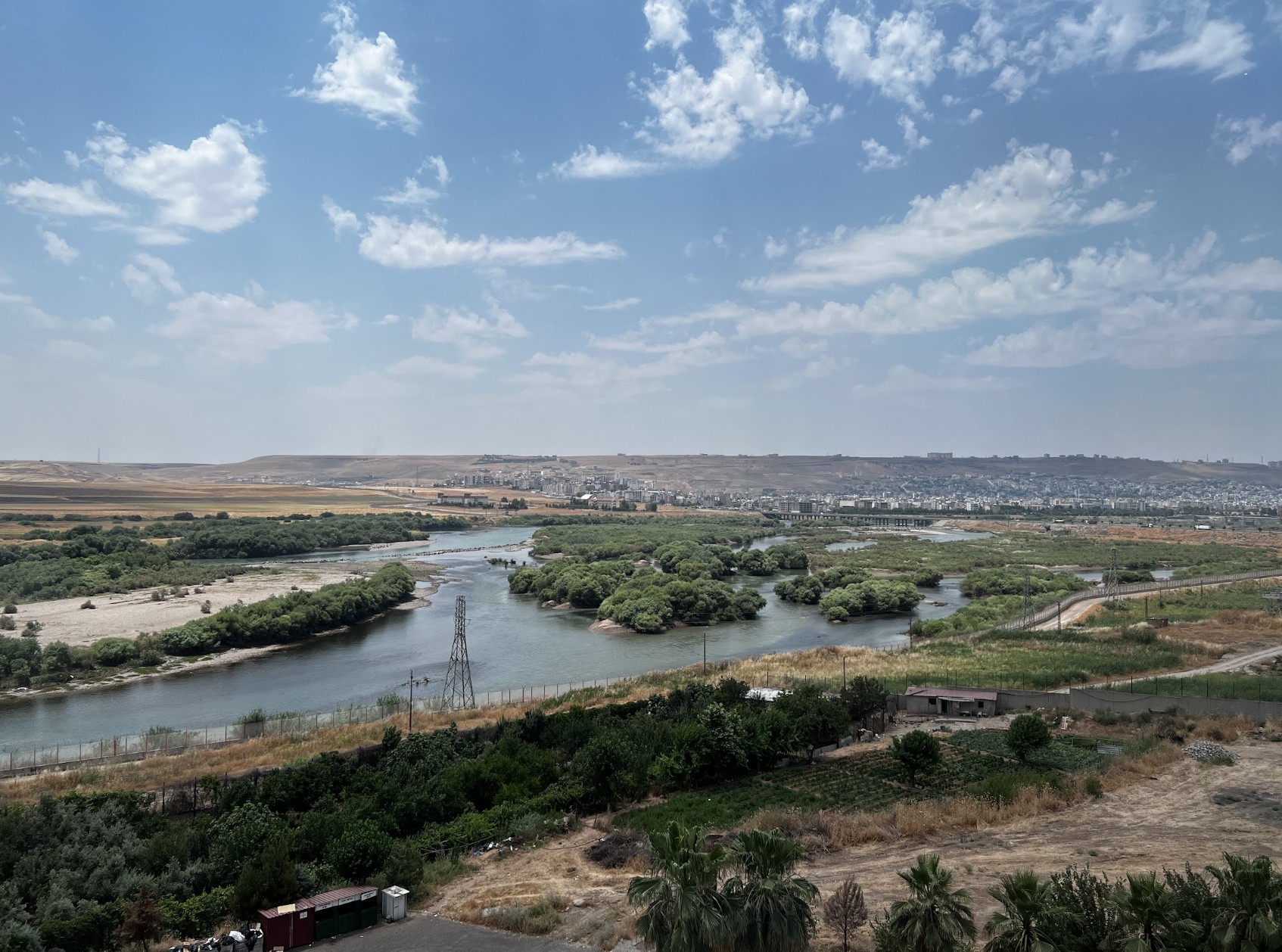
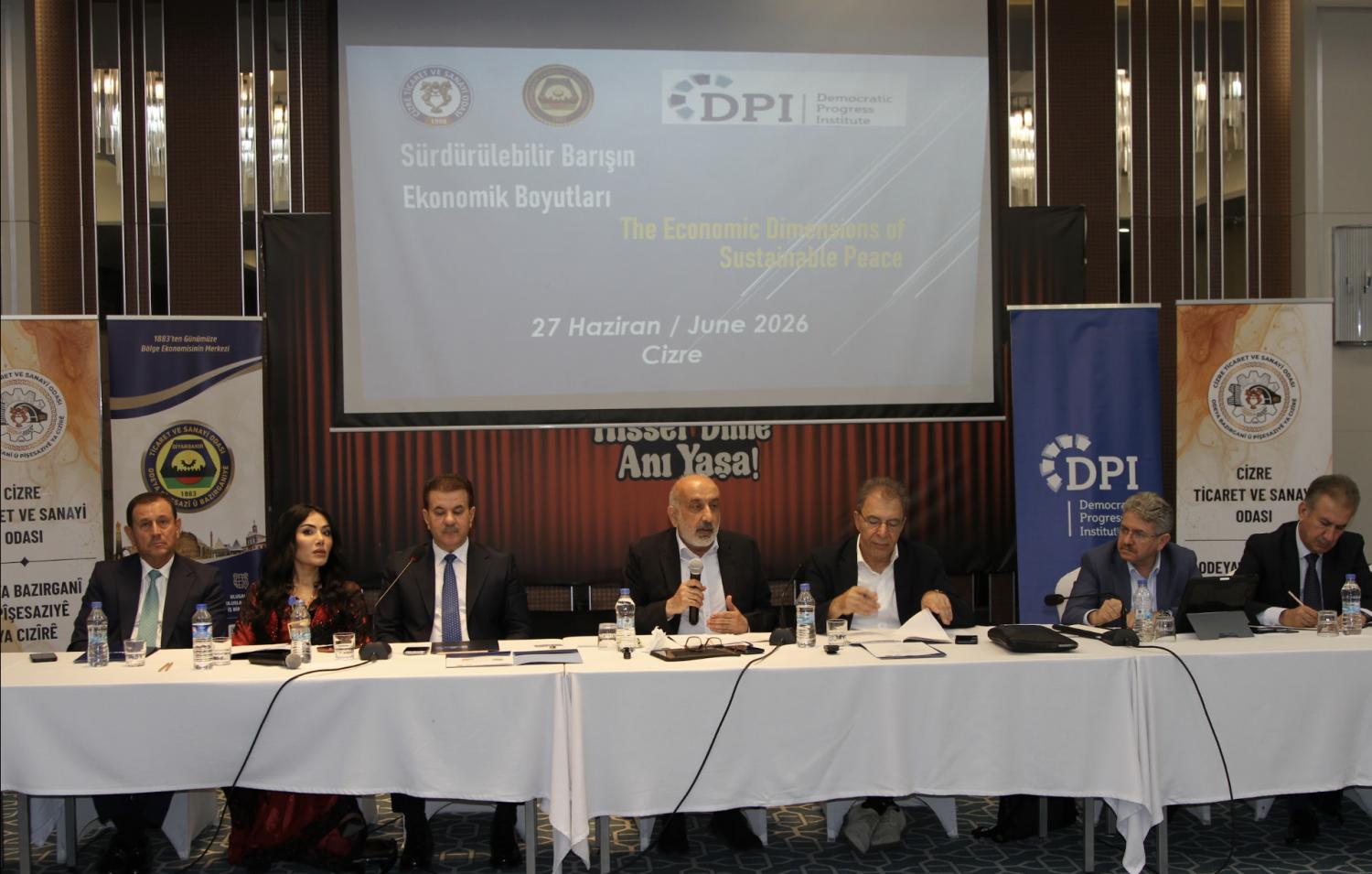
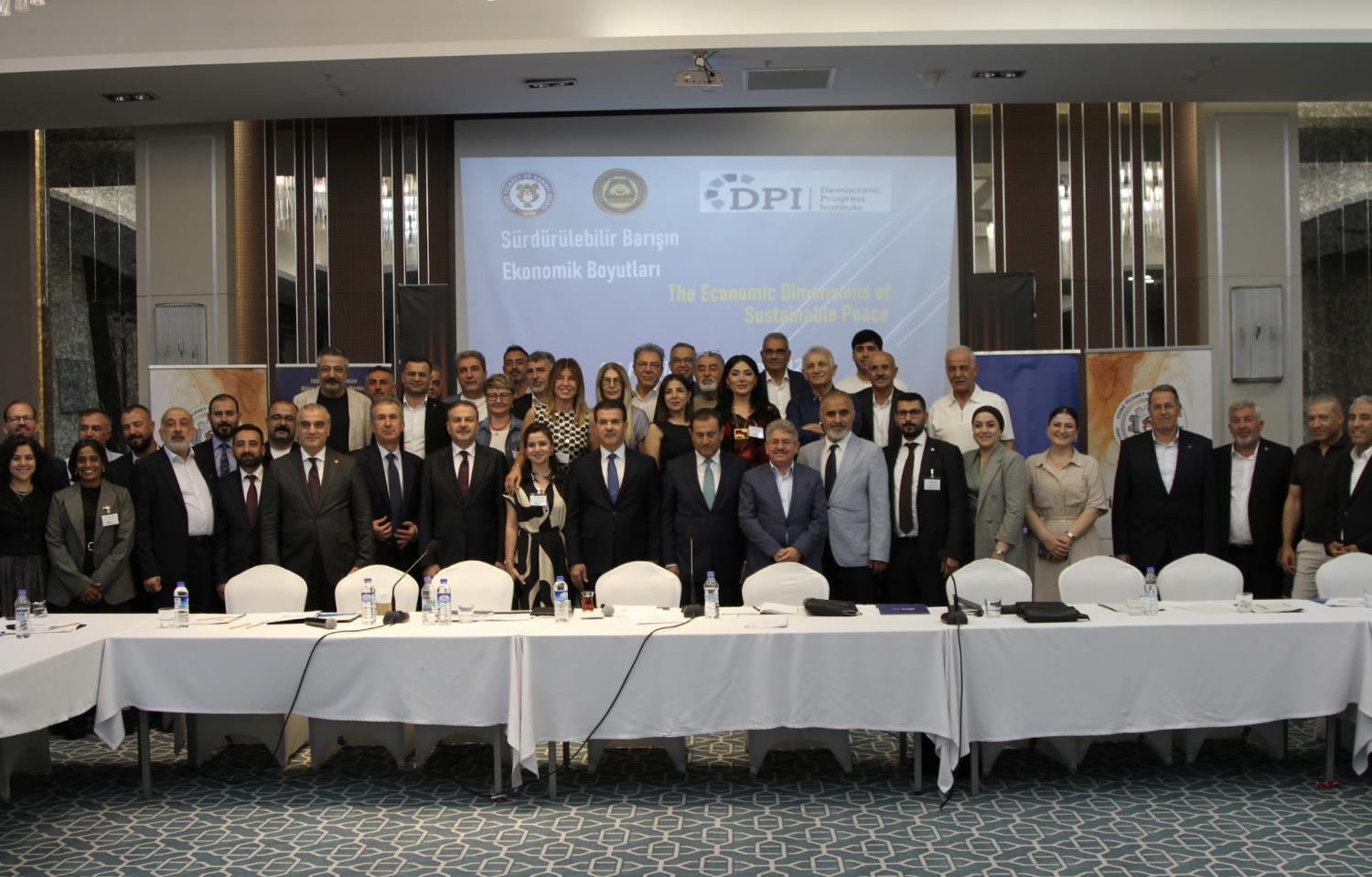
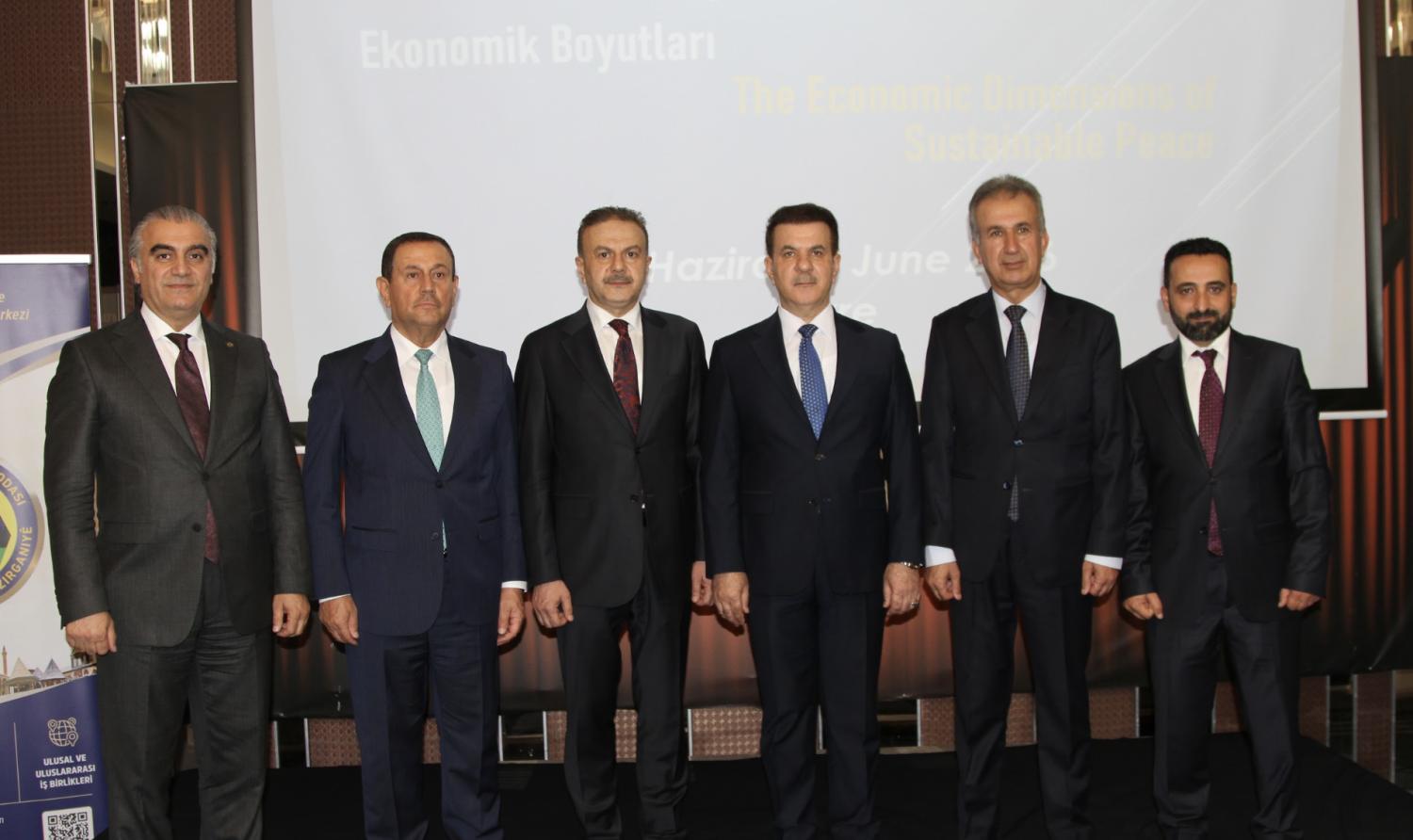
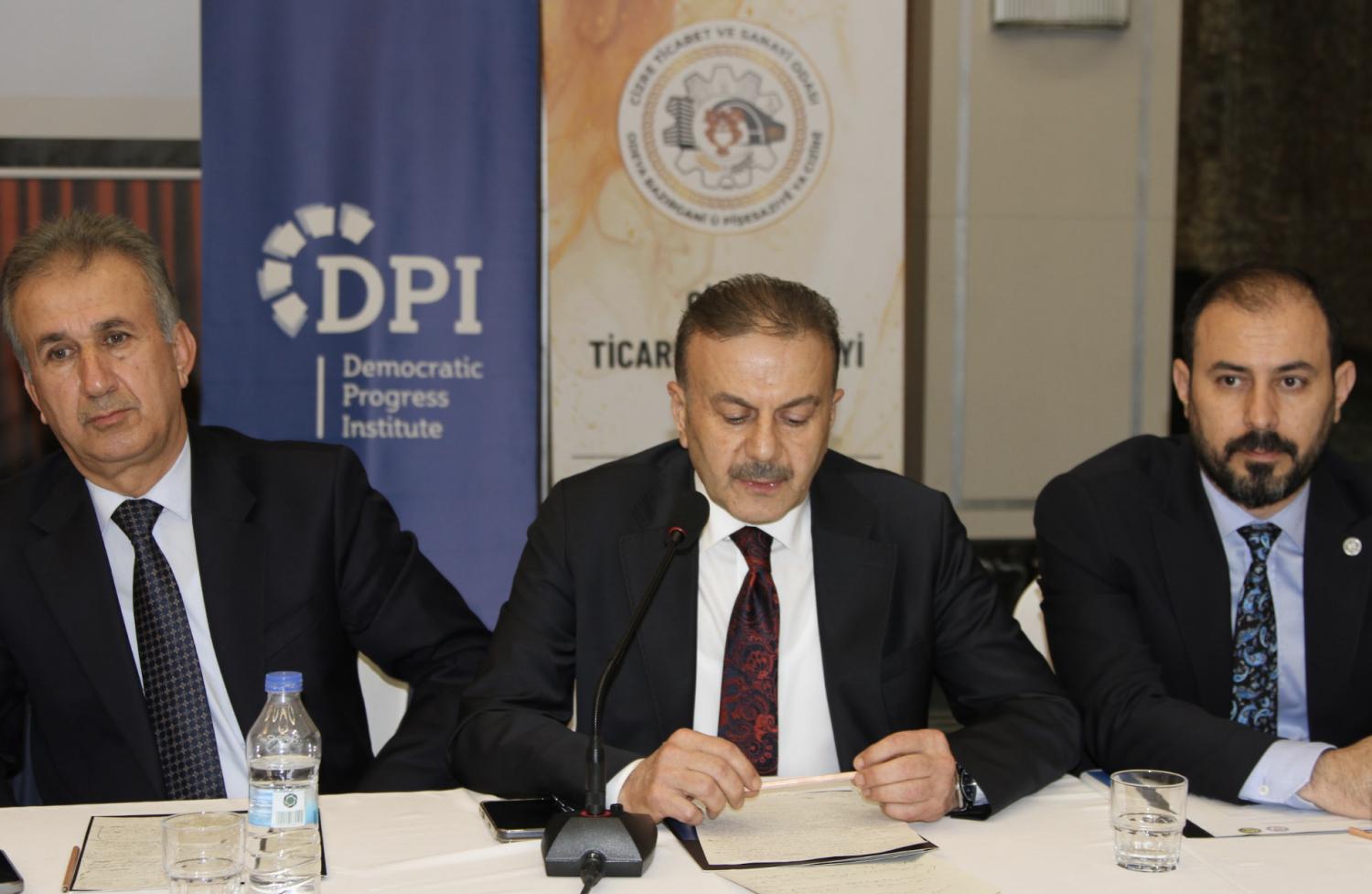
In late June 2026, the historic city of Cizre — situated at a sharp bend in the Tigris River where the borders of Türkiye, Syria, and Iraq converge — hosted a conference whose implications extended well beyond economics. Organized under the leadership of the Democratic Progress Institute (DPI), the Diyarbakır Chamber of Commerce and Industry (DTSO), and the Cizre Chamber of Commerce and Industry, the “Economic Dimensions of Sustainable Peace” conference was less an academic gathering than a summit of the region’s leading business institutions. Chamber presidents from Erbil, Sulaymaniyah, Duhok, and Halabja all sat at the same table with their counterparts from Türkiye’s Kurdish provinces and UN-affiliated economic advisors.
The gathering took place one year after the Kurdistan Workers’ Party (PKK) announced its dissolution and laid down its arms in July 2025. Since then, discussions on resolving Türkiye’s Kurdish issue have continued. According to DTSO President Mehmet Kaya, who delivered the opening remarks, the 50-year conflict has cost the regional economy trillions of dollars; the focus should now shift from the cost of conflict to the dividends of peace.
This process is not confined to Türkiye’s borders. The conflict between the PKK and Türkiye, which has been ongoing for nearly 50 years, has also deeply affected the Kurdistan Region of Iraq. Operations along the mountainous border have shaped the Kurdistan Region’s security budget, border trade, and international investor sentiment for years. Today, the process of disarmament and normalization enjoys broad support across the region, regardless of political affiliation. Key political figures in the region, including President Masoud Barzani, Kurdistan Regional Government (KRG) Prime Minister Masrour Barzani, Kurdistan Region President Nechirvan Barzani, and Patriotic Union of Kurdistan Chairman Bafel Talabani, have repeatedly emphasized its importance for regional stability and expressed consistent support for peace. The Cizre conference represented the economic expression of that political consensus.
According to another speaker, Shukri Jameel Noori, President of the Duhok Chamber of Commerce and Industry, the Chambers of Commerce of Türkiye and the Kurdistan Region will establish a new umbrella organization aimed at advancing economic integration. Shukri Jameel stated that economic development can make peace sustainable, and that peace, in turn, paves the way for economic development.
Invisible Potential
To outside observers, the Kurdistan Region has long been described in just a few words: genocide, oil, security. But the reality is that when a region is known only for its struggle for survival, it is unsurprising that it has struggled to attract global investors. The result has been a paradox: while the region’s people strive for a better future every day, the markets have deemed it “not ready” for investment.
So, is there a way out of this? In a 2025 interview with CNN, KRG Prime Minister Barzani described the situation: “Unfortunately, we don’t have much foreign investment outside the oil sector. That’s why we’re making our investment laws much more attractive to foreign investors. The development of the Kurdistan Region is in the interest of all of Iraq.”
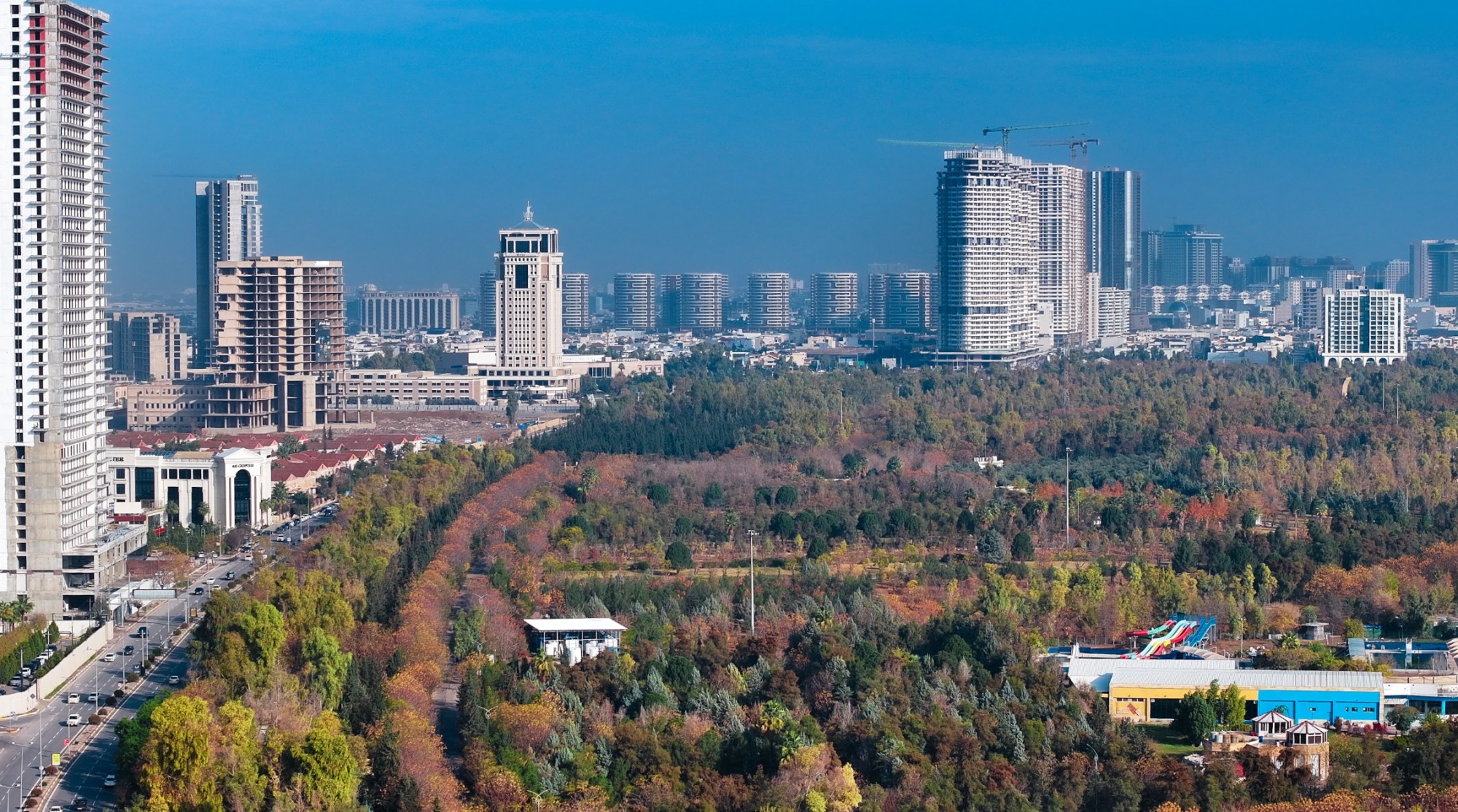
This vision highlights not the region’s conventional wealth — that is, its underground oil — but rather its above-ground assets. The Tigris-Euphrates basin was home to some of the most prosperous agricultural and trade networks in history; Cizre, one of the key junctions of the Silk Road, served as the main port through which lumber, wheat, and fruit from the Anatolian mountains were transported by rafts known as kelek to Mosul, Baghdad, and the Gulf. The nation-state borders of the 20th century divided this deep-rooted market into isolated border regions, fragmenting what had once been an integrated commercial region.
Gailan Haji Saeed, President of the Erbil Chamber of Commerce and the Union of Kurdistan Chambers of Commerce, outlined a strategy for reversing this trend: “Our development plans are based on increasing investment, encouraging local production, and reducing dependence on imports. Our goal is for foreign investors to produce in sectors that meet the needs of the domestic market and have high export potential.”
As for the economic cost of the stalemate, DTSO President Mehmet Kaya noted that Türkiye was Iraq’s largest source of imports during the 2013-2015 peace process (peaking in 2014), but this ranking has steadily declined since. Today, Türkiye has fallen to third place, while the UAE holds the top spot, followed by China.
Why is the Economy a Different Arena for Negotiation?
Discussions on the economics of conflict, developed by organizations such as the World Bank and the Multilateral Investment Guarantee Agency, place levels of prosperity, employment, human development, and the active promotion of investment at the center of the peacebuilding process, rather than viewing it solely through the lens of military budgets.
Dirk Jan Omtzigt, an international economic advisor who presented at the summit, explains why the economy differs from ordinary political bargaining in peace negotiations as follows:
“Negotiations over territory are zero-sum. When one side wins, the other loses. But the economy is unique; it is the only arena that can break this mindset. If you collaborate, the pie grows, and both sides win.”
The process runs through two principal mechanisms. First is the signal effect: when a major international investor enters a previously unstable market, it signals to other investors that the risks are changing. Second is cost-sharing: investments that create jobs give both investors and local communities a shared interest in preserving stability, raising the cost of renewed conflict.
“Sometimes the private sector opens doors that politicians cannot enter,” Omtzigt added. “A businessperson who calculates that opening a specific road would reduce transport costs by 90% can advocate for the opening of that road at the negotiating table like a de facto mediator.”
Lessons from Belfast: The Collective Power of the Business Community
The DPI’s 2017 study, “The Role of the Business Community in the Northern Ireland Peace Process,” shows how the private sector transformed from a passive observer into an active agent of peace. Following three decades of the “Troubles,” rising security costs and a tarnished international image spurred the business community into action. In 1994, the Northern Ireland branch of the Confederation of British Industry published a landmark report addressing the investments that peace would bring. When the process stalled, seven major trade organizations united under the G7 platform to conduct impartial, collective negotiations with political parties and drafted a guide for employers to prevent sectarianism.
As a result, between 1994 and 2000, U.S. companies invested approximately $1.5 billion in Northern Ireland, accounting for roughly 10% of employment in the country. Peace translated into jobs, investment, and higher living standards.
"Flexible Investment": Adapting the Model to the Middle East
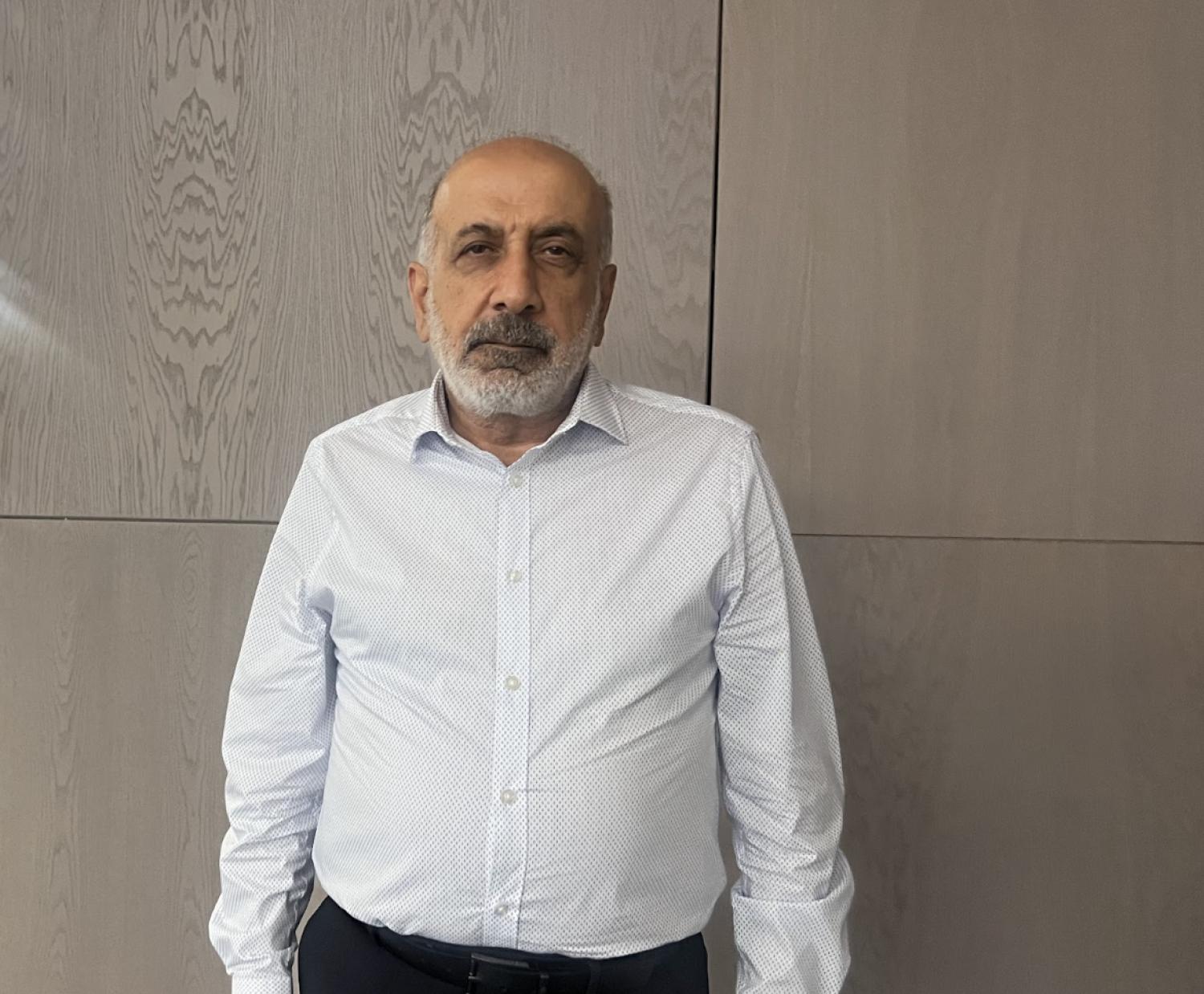
DTSO President Mehmet Kaya explains how the Northern Ireland model should be adapted to the realities of the Middle East. He highlights how regional conflicts have paralyzed global trade routes, pointing out that many factories at the Jebel Ali hub in Dubai have come to a standstill due to the wars in the region. This creates an opportunity for a new production and logistics hub in the Türkiye-Iraq-Syria triangle.
However, Kaya acknowledges that confidence in long-term stability in the Middle East has not yet taken hold:
“Confidence that stability in the Middle East will be long-lasting is weak. It is beneficial for those wishing to invest in this region to develop flexible local partnerships that minimize risk. You need a local partner who can immediately devise a new approach when changes occur and be able to adapt quickly.”
Kaya also emphasizes that investment itself can serve as a lever for peace: the prospect of investors redirecting capital to neighboring countries can pressure central governments to reform their policies.
A New Chapter for the Fertile Crescent
Business leaders cannot build peace on their own, but they can help make it durable by creating jobs, commercial ties, and shared interests that raise the cost of renewed conflict. The representatives gathered in Cizre offered a vision of the Kurdistan Region and neighboring Kurdish areas that goes beyond security, aiming to create an integrated economic corridor linking Türkiye, Iraq, and Syria. Reviving that corridor will require political progress, flexible local partnerships, and investment in production and trade, but the commercial foundations already exist.
is a journalist and a graduate of Istanbul University. She focuses particularly on the Kurdish issue, peace processes, Middle Eastern politics, human rights, and diplomacy.