Torn between literature and revolution, discover how Nûredîn Zaza defied a lifetime of exile to serve his nation.
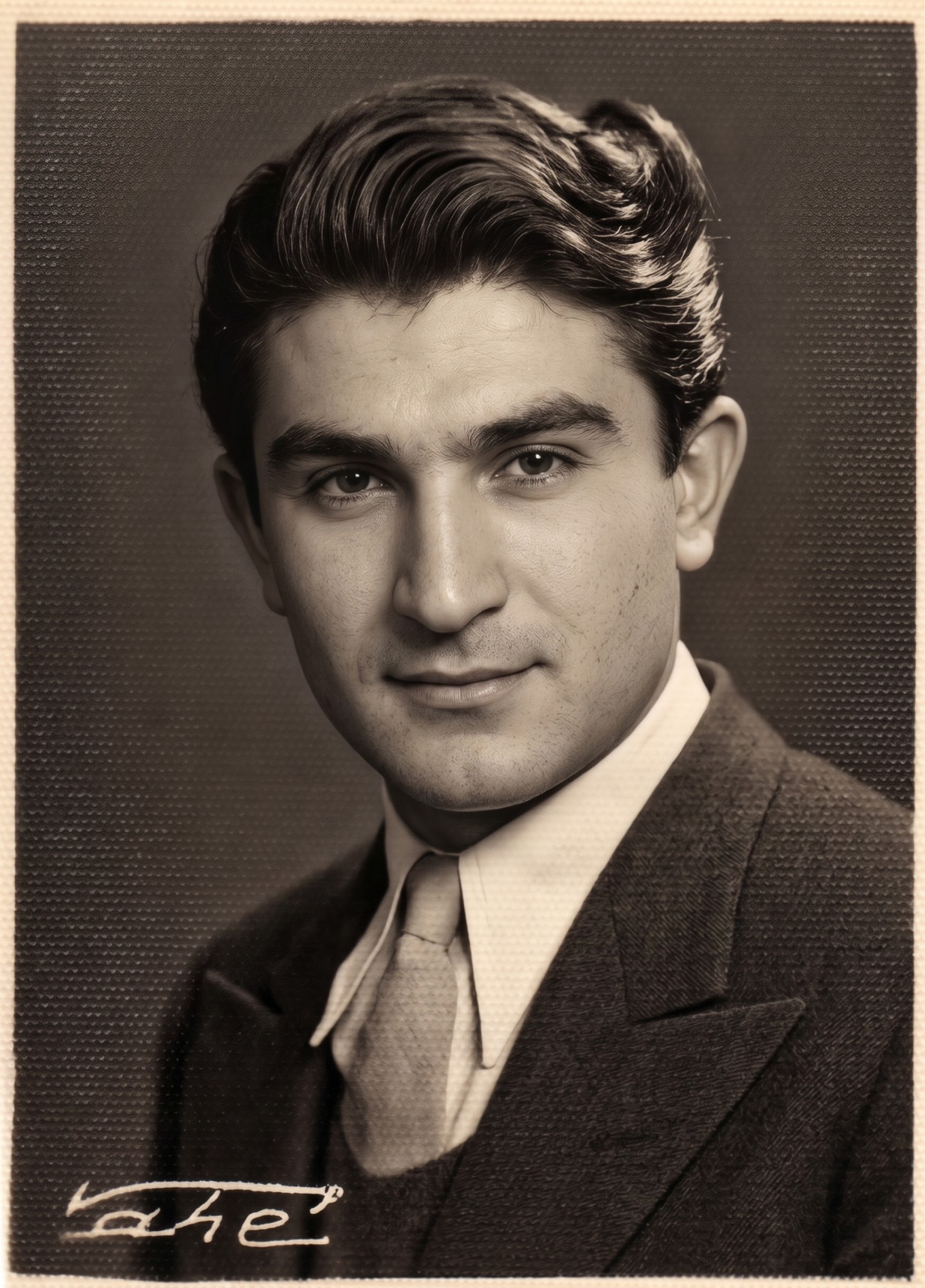
Some lives transcend the boundaries of biography. They come to embody the defeats of a people, their exiles, hopes, and attempts to rise again. Nûredîn Zaza’s life was such a life. His childhood was marked by political upheaval; as a young man, he wrote stories for the influential Kurdish journal Hawar. Later, literature gave way to political struggle as Zaza became an early organizer of Kurdish political and cultural activity in Europe.
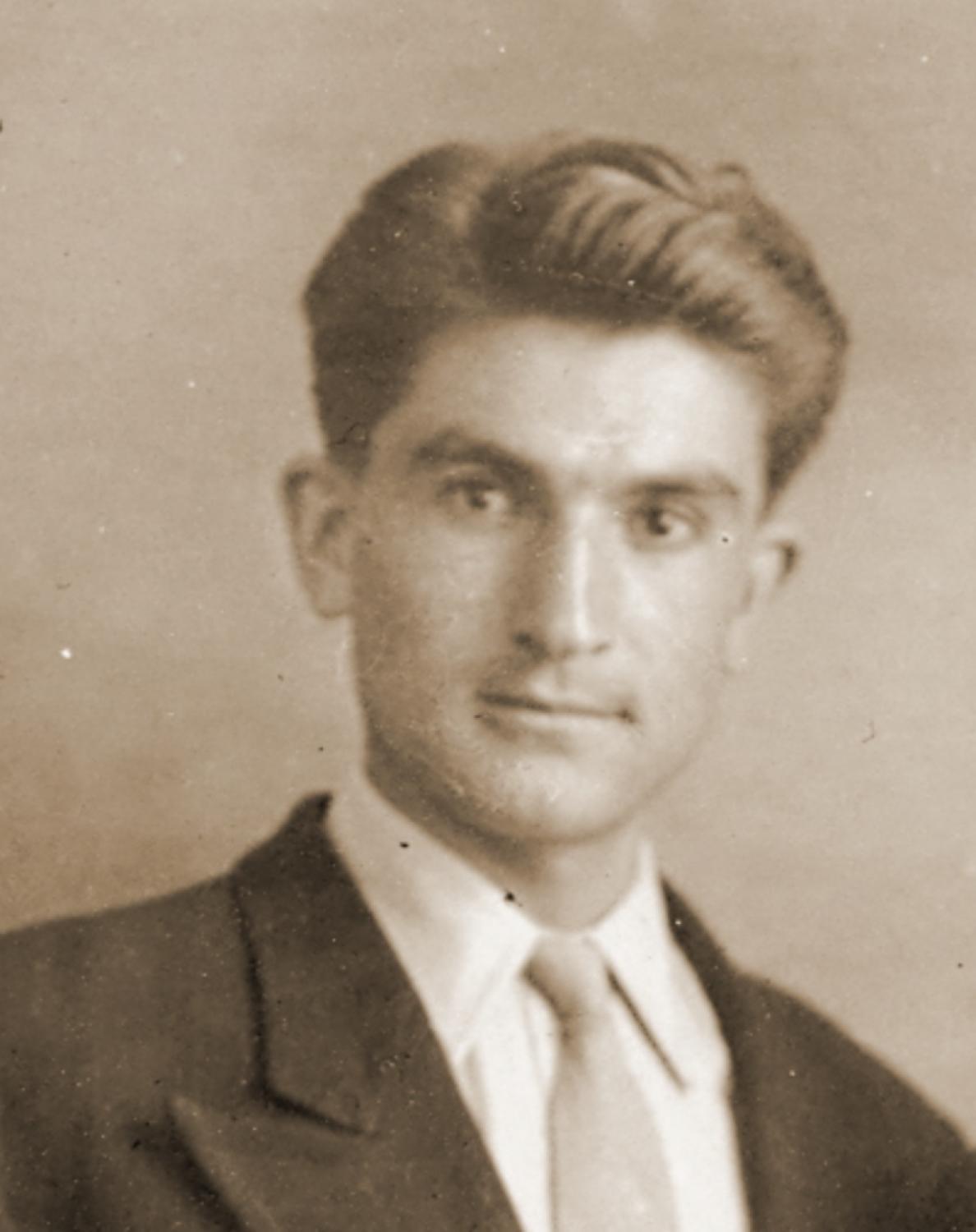
Zaza was born in 1919 in Maden, near Elazığ, Türkiye, into an educated family. His father read the classics, painted, and cared deeply about his children’s education. The family home, where books and art occupied a central place, was Zaza’s first school. But the troubled history of the Kurds soon arrived at its door.
He was only six when the Sheikh Said rebellion erupted in 1925. Executions, arrests, and deportations convulsed the region. The Zaza family was scattered; some relatives were killed and others arrested. The contradiction that would accompany him throughout his life was apparent then: on one side, the world he discovered in books; on the other, his own world breaking apart before his eyes.
The Young Storyteller of Hawar
Exile took him to Syria. Damascus had become a meeting place for Kurdish intellectuals and political figures driven from their homeland following the uprising of the 1920s and 1930s. There Zaza met Celadet Bedirxan, Cegerxwîn, Osman Sebrî, and Qedrîcan. Their circle became his second school.
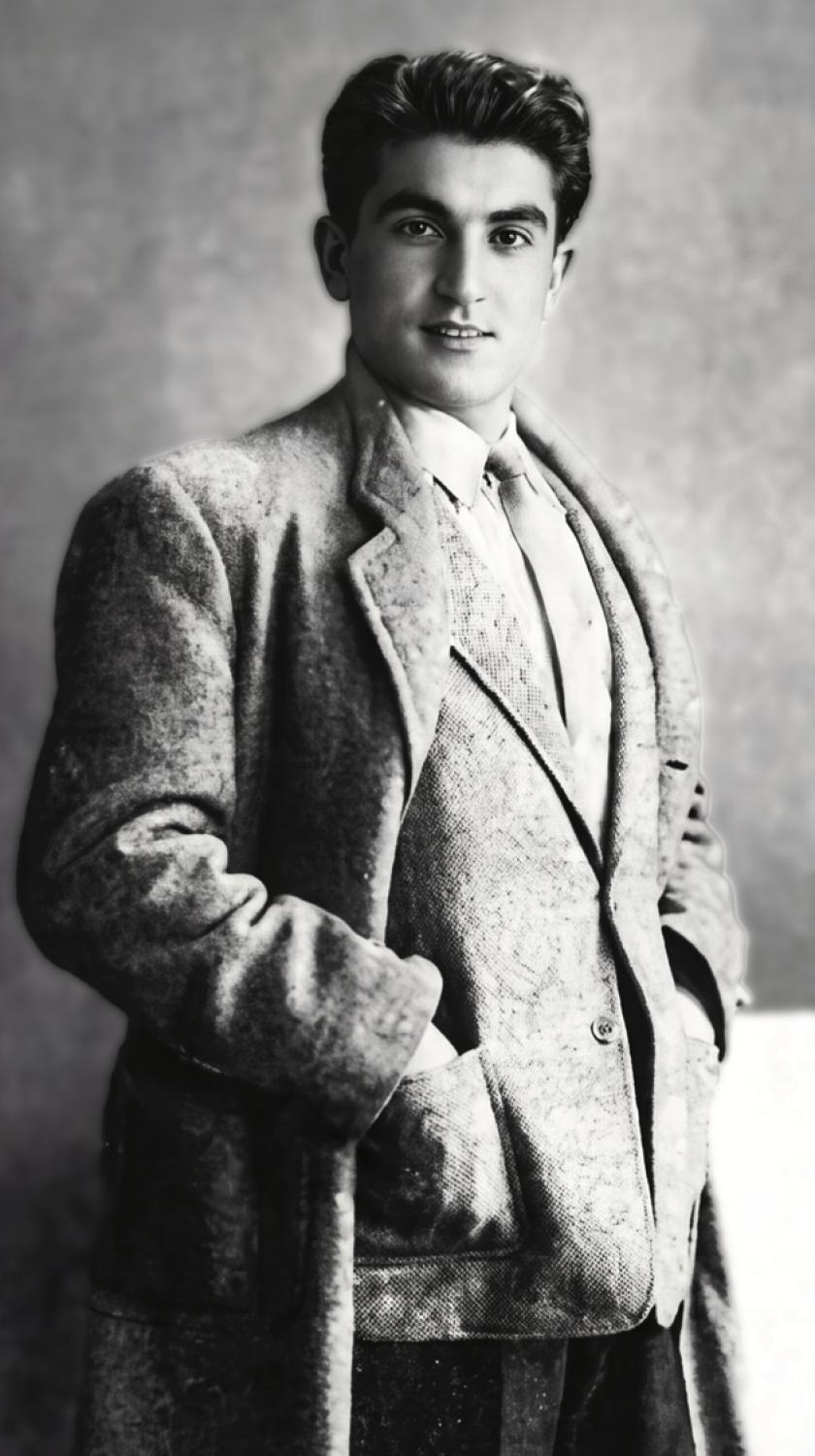
One product of this intellectual community was the journal Hawar, which played a historic role in the modernization of Kurdish. Zaza’s stories and translations appeared in Hawar and Ronahî, while he immersed himself in the French and Russian classics. Struck by the sparseness of Zaza’s prose, his powers of observation, and his ability to find the human condition in ordinary life, Celadet Bedirxan called him “the Chekhov of the Kurds.”
Had his life taken another course, Zaza might now be remembered as a pioneer of the modern Kurdish short story. But Kurdish history once again caught up with literature. In 1937, the Turkish state carried out a military operation against the Kurds in Dersim Province. Bombs and chemical weapons were used against rebels and civilians alike, villages were emptied, and new columns of exiles took to the roads. Zaza’s pen turned increasingly toward politics. With his friends, he approached foreign diplomatic missions to relate what the Kurds were enduring.
A Kurdish Student in Lausanne
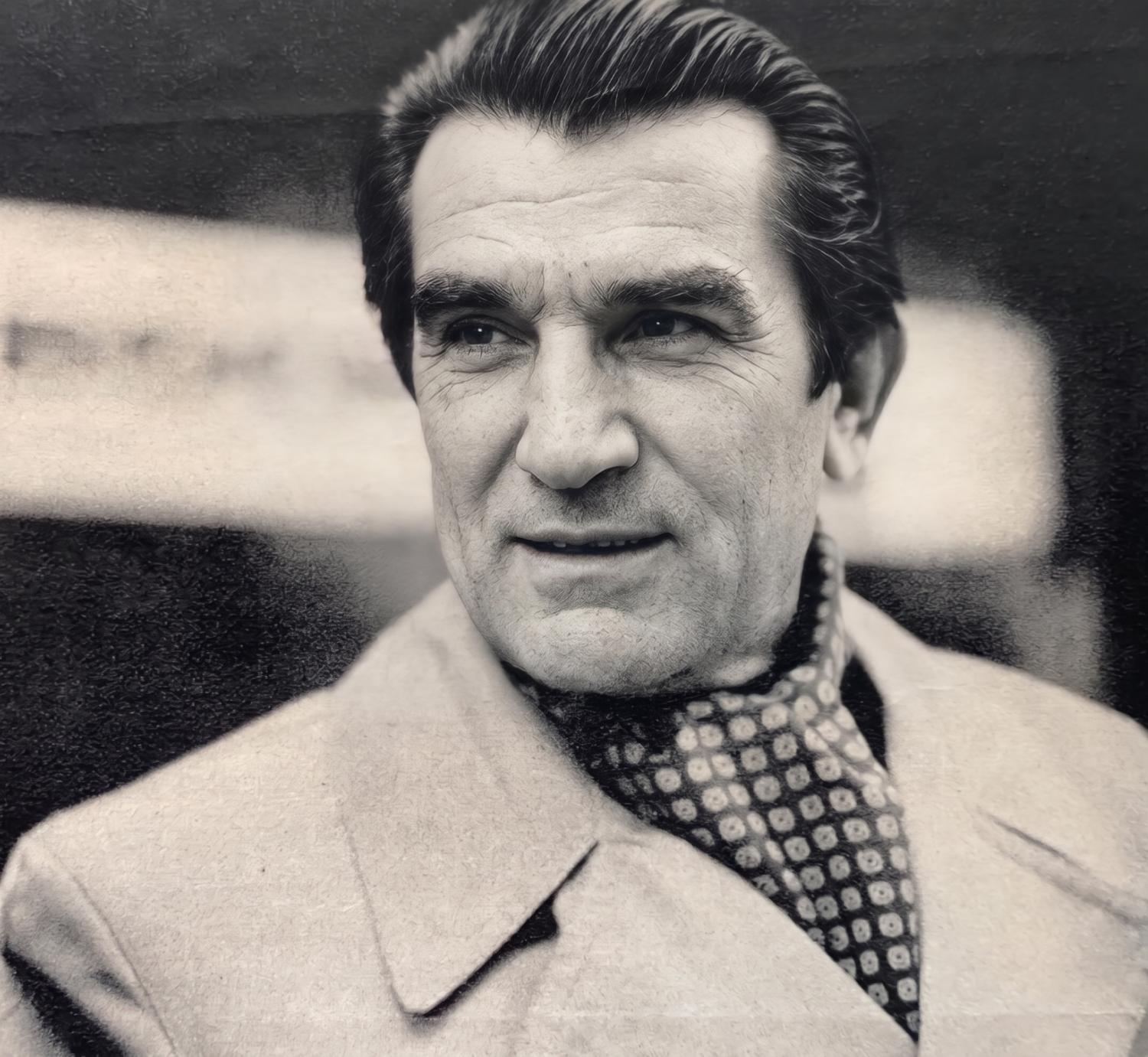
After a year spent in jail in the Kingdom of Iraq and a sojourn in Beirut, Zaza’s road of exile eventually led him to Lausanne, Switzerland, a city inseparable in Kurdish political memory from the treaty signed there in 1923. He continued his studies at the University of Lausanne and, in 1955, completed a doctoral thesis on the French philosopher Emmanuel Mounier’s concept of “engagement.” Mounier asked what responsibility falls to an individual confronting the political and moral crises of his time. For Zaza, struggle could not be confined to political organization. Language, culture, and education were essential to a people’s survival. His preparation of the epic Memê Alan for publication grew from the same conviction. Literature and politics were different expressions of a single struggle: the struggle to exist.
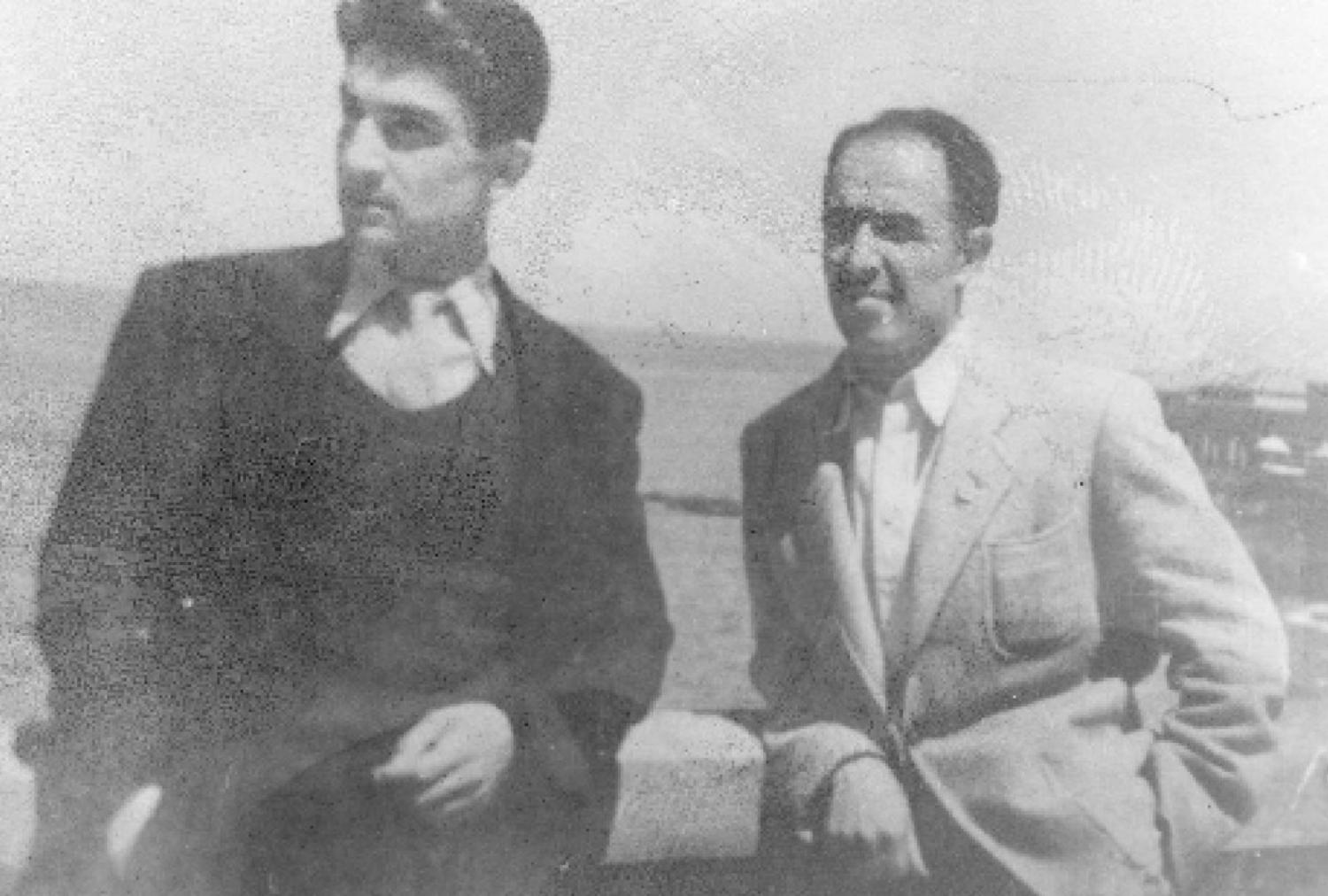
In Lausanne, he met İsmet Şerif Vanlı and other young Kurdish intellectuals. They believed that the Kurdish question had to be explained not only in the Middle East but also in Europe’s universities, parliaments, and press. In 1956, in Wiesbaden, they helped found the Kurdish Students Society in Europe (KSSE), laying the foundations of Kurdish diaspora diplomacy. Knowledge was their capital; words were their weapons. They had discovered a simple fact: Europe knew very little about the Kurds.
The Return to Syria
Rather than remain in Switzerland, Zaza returned to Syria in 1956. The following year, he became one of the founders and the first president of the Kurdistan Democratic Party of Syria. His responsibilities in the KSSE passed to Vanlı.
The governments of Syria, Iraq, and Türkiye had little tolerance for Kurdish political movements. In 1944, while traveling to meet General Mustafa Barzani, Zaza was arrested in Iraq. He was also imprisoned in Jordan. In 1961, when a prosecutor before the Damascus Military Court sought the death penalty against him, his Swiss friend and lawyer Gilbert Baechtold helped mobilize an international campaign. Thousands of signatures were gathered, protests organized, and Zaza was eventually released. The episode left him with an enduring conviction.
“When Syria arrested me and wanted to execute me, I came to believe that even under the most barbaric and irresponsible regimes, public opinion could accomplish a great deal,” he later wrote.
He was later imprisoned in Lebanon in 1966, after which he was sent into forced exile in Jabal al-Druze, where he remained until 1967. Unable to bear the longing for his birthplace, he secretly crossed into Türkiye and made his way to Elazığ. There he encountered a familiar feature in Kurdish political memory: beko, or betrayal from within.
Zaza was denounced by a family member, and the Turkish police and intelligence services began to follow him. The state repression that had shattered his family in childhood confronted him again as an adult. After years of imprisonment, exile, and surveillance, he returned to Switzerland in 1970, not as a student, but as a man seeking refuge.
The Return to the Pen
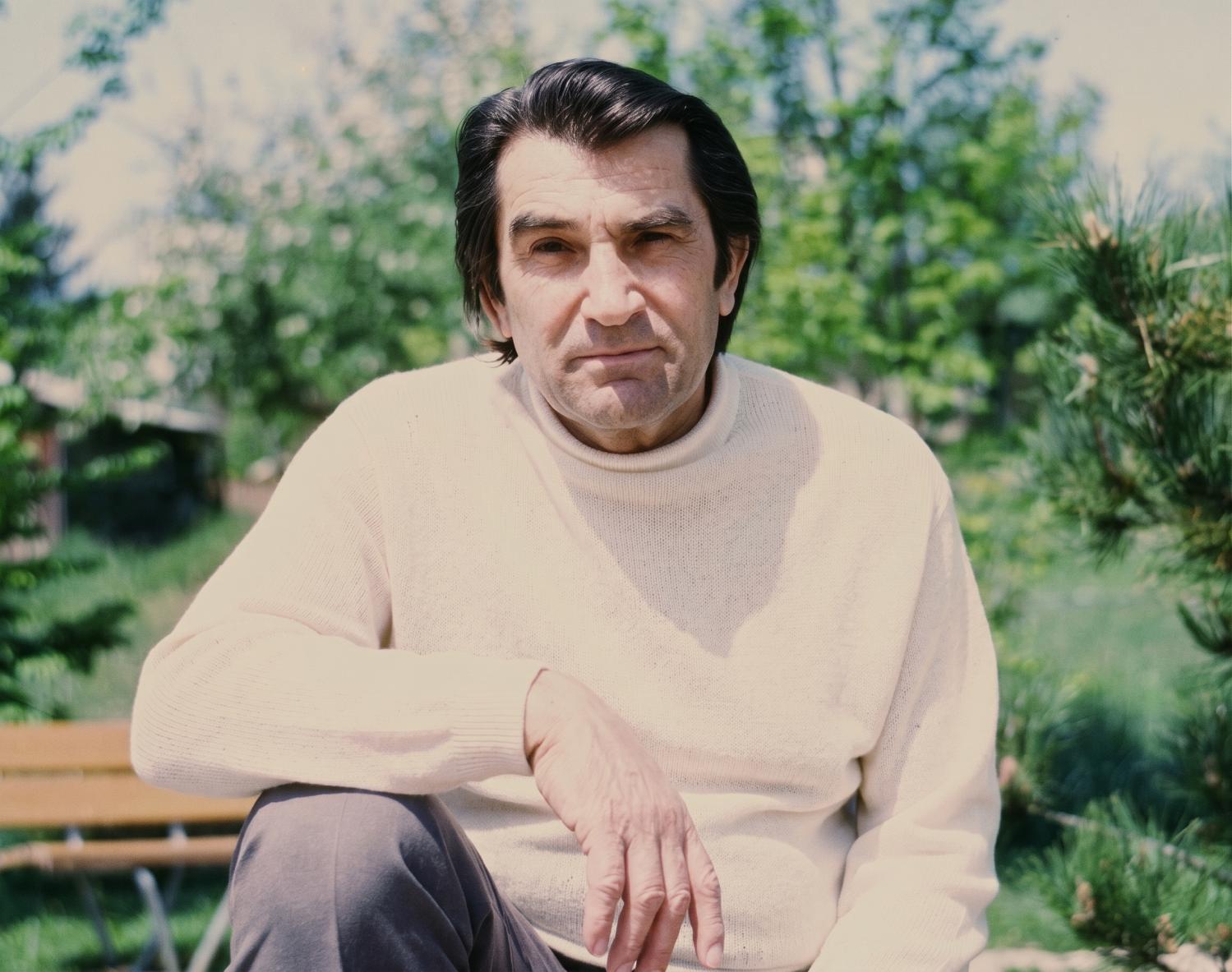
The man who returned to Lausanne was no longer the young student examining Mounier’s idea of engagement. The question he had once asked in his thesis, about the responsibility of the intellectual, had been answered by his own life.
Yet exile did not mean retreat. Nor was Switzerland merely a refuge. Its federal, multilingual, and multicultural structure shaped his political imagination. He believed that Kurdistan, too, a land of intertwined differences, might develop a pluralist model of coexistence.
Literature, once pushed aside by politics, returned to his life. Zaza wrote in Kurdish, French, and Arabic. He prepared Memê Alan for publication, translated Erebê Şemo’s Şivanê Kurmanca, and brought Kurdish oral culture to French-speaking readers with Contes et légendes du Kurdistan. His 1982 autobiography, Ma vie de Kurde, gathered his life into a single volume. His archive, including documents, manuscripts, and books, is preserved in the Swiss Literary Archives in Bern, within the Gilberte Favre collection, section D-8.
Later, with Cegerxwîn, Yılmaz Güney, Vanlı, and Kendal Nezan, he took part in founding the Kurdish Institute of Paris. The work begun around Hawar had acquired an institutional form. This is where Zaza’s role as a pedagogue can best be understood. Education, for him, was not simply knowledge acquired in a classroom. It was the means by which one generation handed its language, history, and memory to the next. His stories, political activism, and cultural work offered different answers to the same question: How does a people survive in exile?
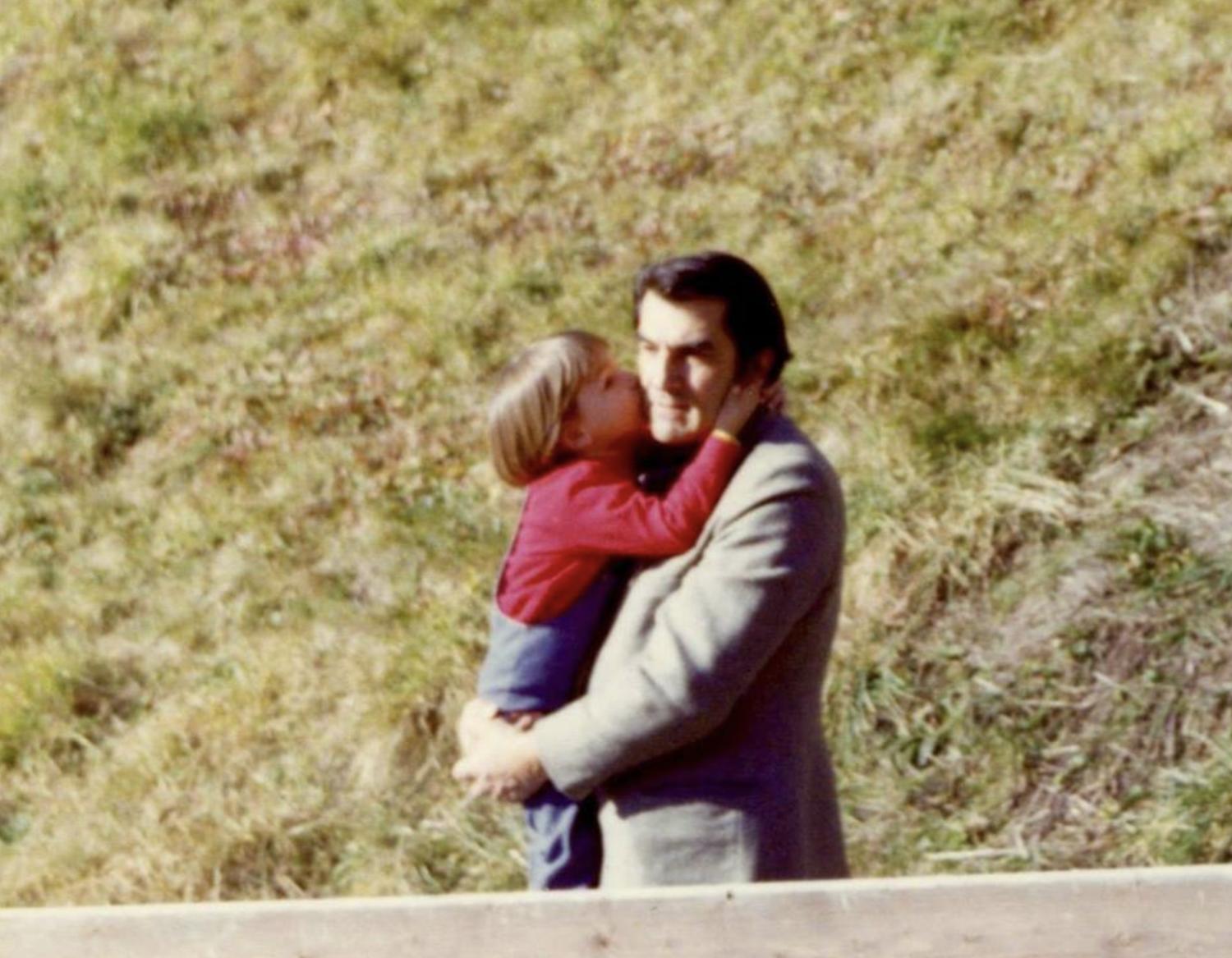
A Story Left on the Shores of Lake Geneva
Nûredîn Zaza died of cancer in Lausanne on October 7, 1988, and was buried in Bois-de-Vaux Cemetery. Years later, Vanlı would be buried there as well. Two former exiles who had come to Lausanne as young men — to study, organize, and explain the Kurdish cause to Europe — thus ended their journeys in the same city.
A child driven onto the roads after 1925; a young storyteller writing for Hawar; a student in Lausanne; an organizer in Wiesbaden; a political thinker who returned home; a prisoner; an exile; and, finally, a writer once more. Of all these identities, perhaps the most enduring was the storyteller. Organizations change, regimes collapse, borders are redrawn. But as long as a people’s stories survive, so does its memory.
Zaza’s life showed that one of exile’s deepest forms of resistance is to refuse forgetting, to pass memory on, and to keep telling the story. And some people, even after death, never truly return to their homeland. Instead, they carry it in their pocket, a pen filled with memories instead of ink.
is a journalist and sociologist. He is a Member of the Executive Board of the city of Prilly, Switzerland, and President of AFKIV.