When Ba'athist soldiers demanded they remove the red jamana, Bidyal’s Christians chose their Barzani identity over their own lives.
Iraq’s Ba’ath regime (1968–2003) committed systemic atrocities against the people of Kurdistan. During the Anfal campaign, a systematic genocidal series of attacks against the Kurds throughout 1980s, Muslim and Christian civilians alike became victims of the regime. Amid the violence, the small Christian village of Bidyal — the only Christian village in the Barzan area of the Kurdistan Region — and the traditional Kurdish headgear known as a jamana came to symbolize a remarkable story of shared identity, solidarity, and sacrifice.
Legacy of Sheikh Ahmed of Barzan
Nestled at the foot of Mount Shirin, Bidyal was a peaceful village where the ringing of church bells blended each morning with the call to prayer from the neighboring Muslim villages of Biye and Kanibot, a quiet reflection of the coexistence that had defined the region for generations.
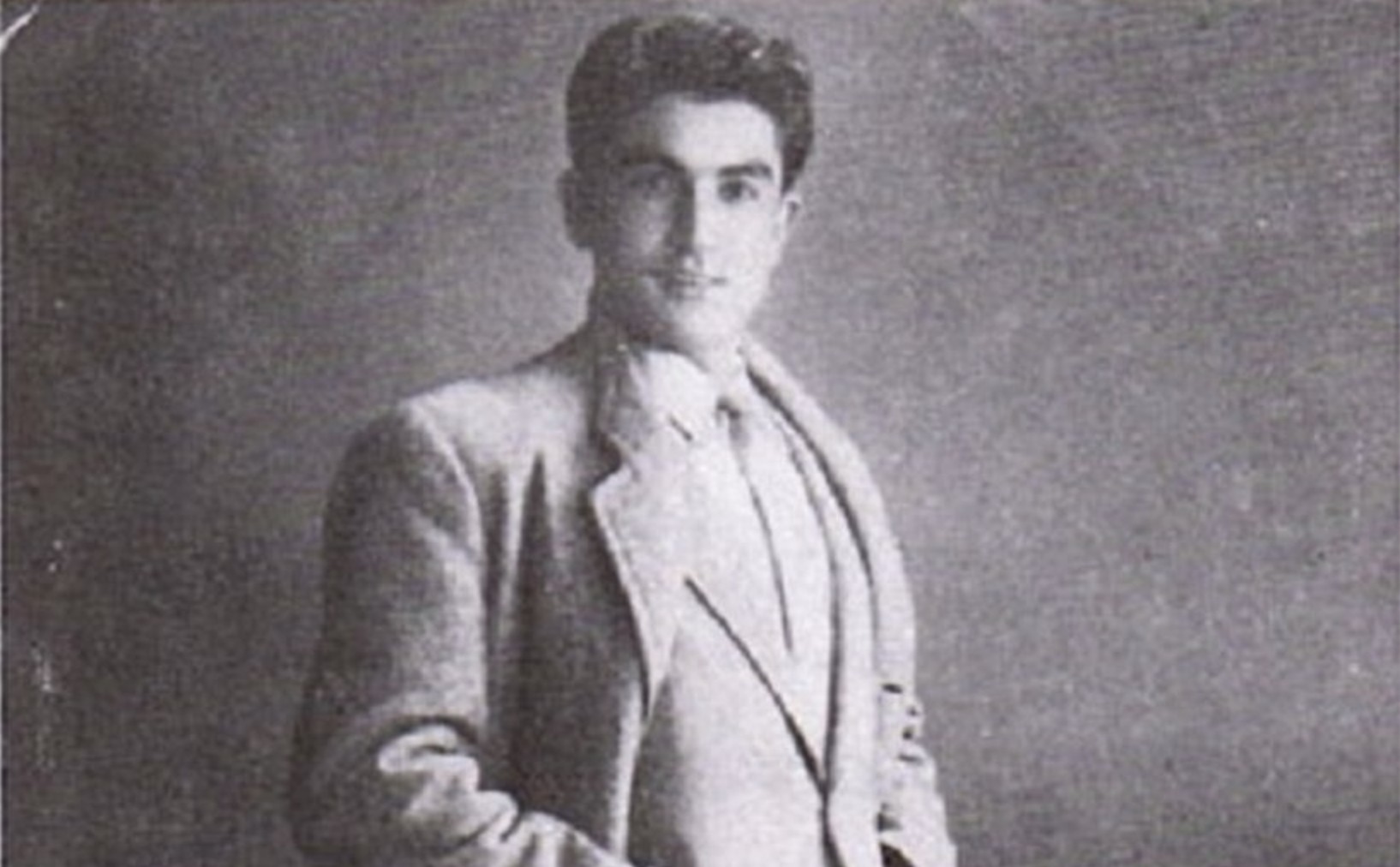
That relationship was shaped by the Sheikhs of Barzan, whose leadership emphasized equality, justice, and freedom. Foremost among them was Sheikh Ahmed of Barzan (1896-1969), the prominent Kurdish nationalist leader, who left a lasting message to his followers: “You must value the Christians of Bidyal at the highest level ... so that they never feel they are different from us.”
His words became a way of life. Glyana Khoshaba, son of genocide victim Khoshaba Yukhana Hormiz, recalled to Kurdistan Chronicle that his community never saw itself as separate from the Barzanis: “The people of our village never considered ourselves apart from the people of Barzan. We stood with them in every movement and uprising. My family took part in all the revolutions. Together with the people of Barzan, we went to the Republic of Kurdistan in Mahabad. One of my uncles was martyred there.”
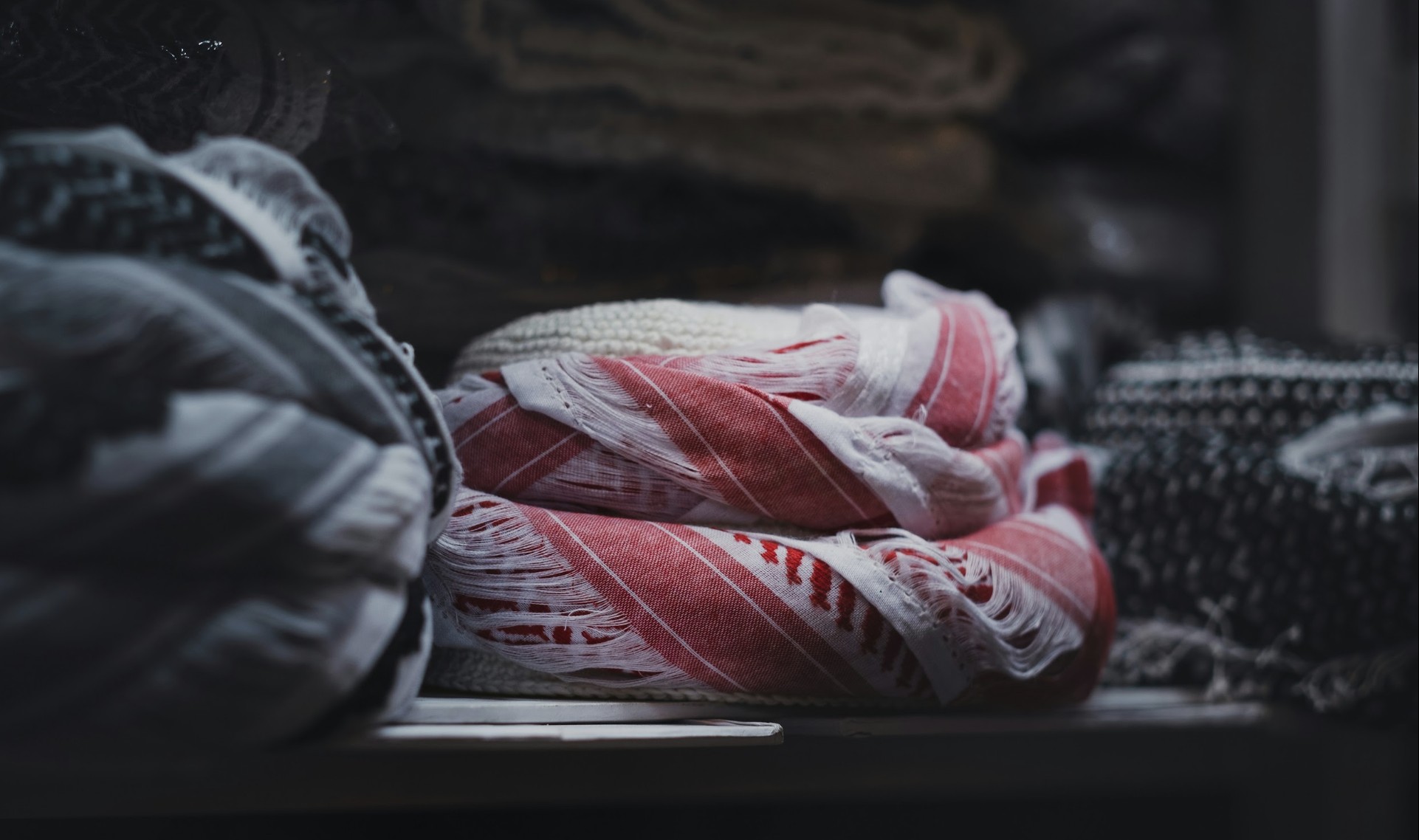
The bond was expressed visibly through the red jamana, the traditional Barzani headscarf. For Bidyal’s Christians, wearing it declared that their fate was inseparable from that of their Muslim neighbors, a choice that ultimately made them targets of the Ba’athist regime.
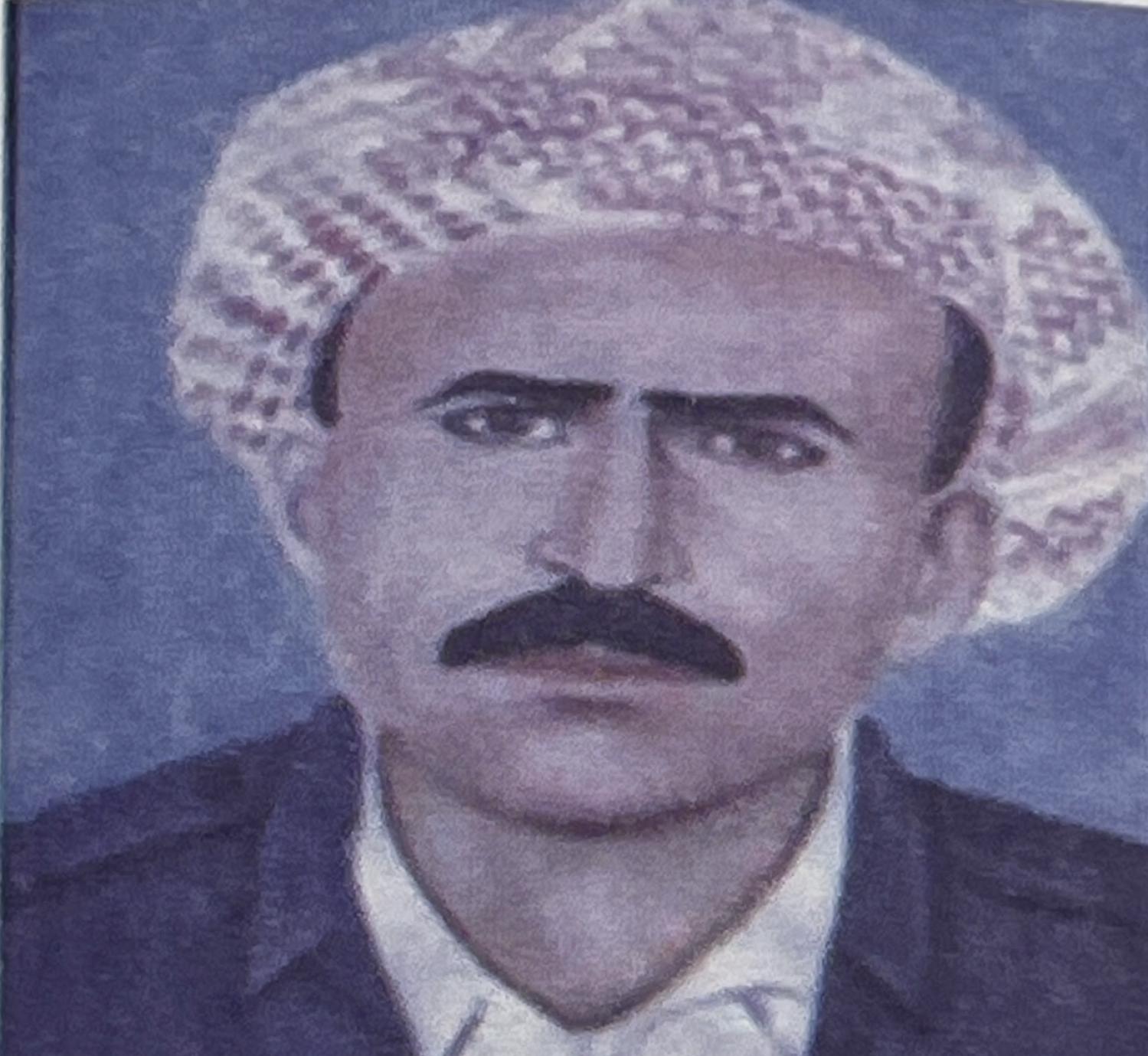
A Shared Identity
That bond endured through decades of upheaval. Hasko, from the nearby village of Zirara, recalled that Bidyal’s Christians joined the 1945 campaign of General Mustafa Barzani in supporting the Kurdish freedom movement in Iranian Kurdistan. “Bidyal Christians have always been part of the people of Barzan.”
When told they could remain behind and avoid the dangers facing the Barzanis, they refused. “When they were told by the Sheikhs that they could remain and that they would be spared, their response was crystal clear: they would also join the campaigns.”
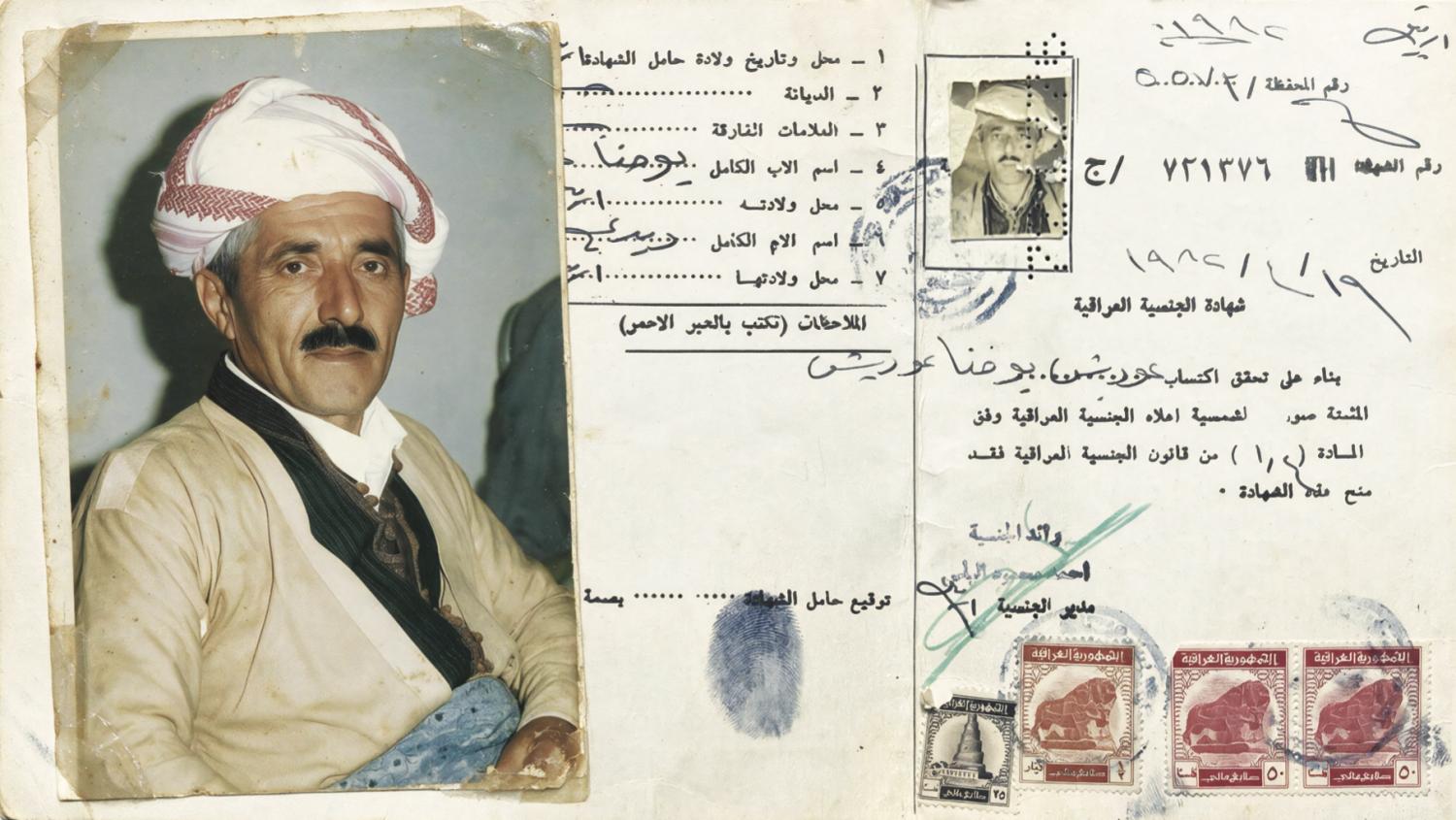
This same spirit was evident during the Kurdish rebellion that began in 1974 and ended a year later, when Christians from towns like Diana came to the aid of their fellow Barzanis. Sabrya Oudisho, daughter of genocide victim Oudisho Yokhena, related how her father rejected any attempt to separate the two peoples from each other. She also recalled her father telling Iraqi soldiers: “‘Bidyal people were and are Barzanis, and we will remain Barzani … Even if you kill us, I won’t change who I am.’ Our father was Barzani and would not abandon his red jamana.”
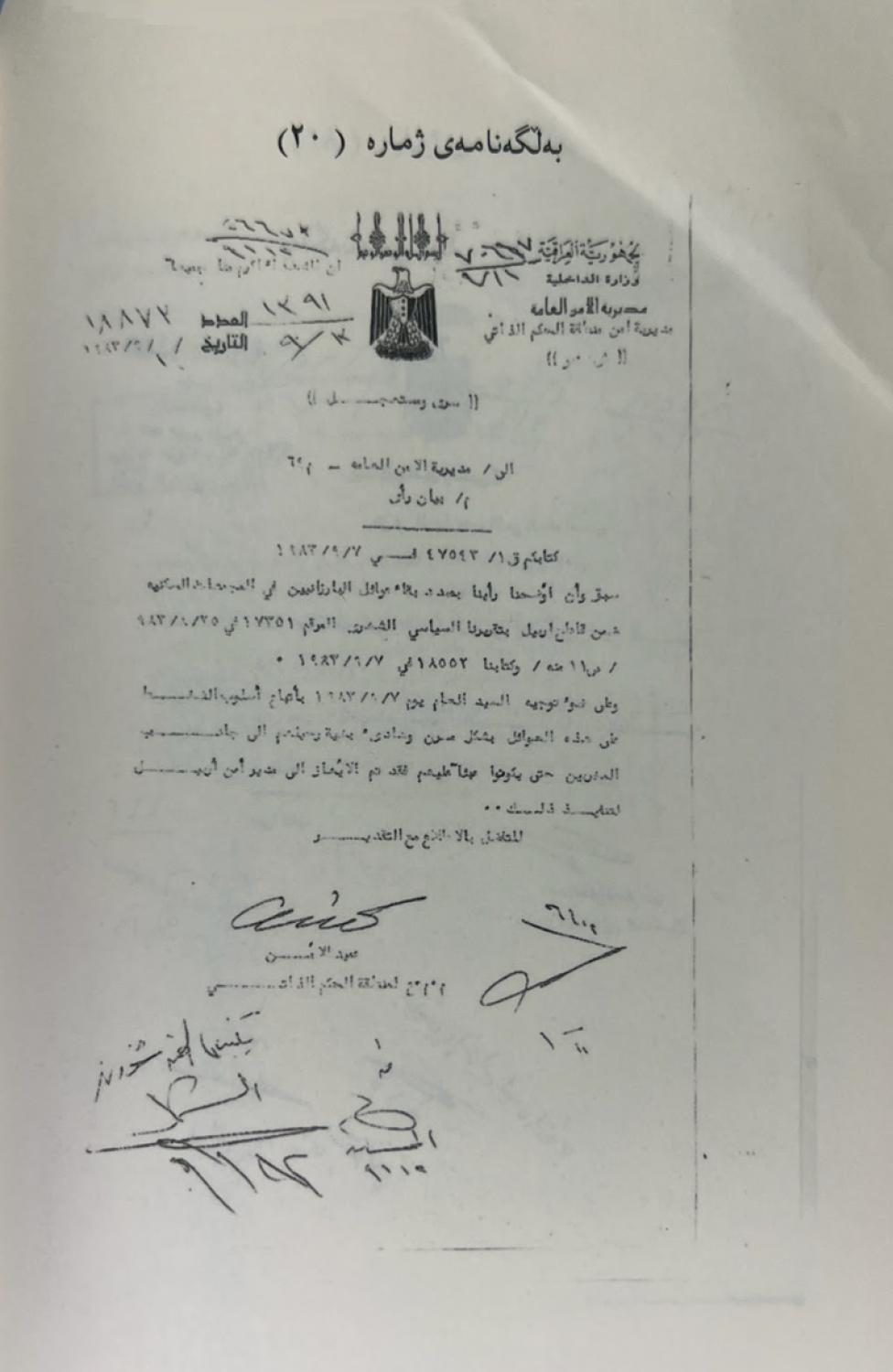
From the Mountains of Barzan to the Desert of Al-Muthanna
Decades of atrocities committed by the Ba’athist regime against the people of Kurdistan resulted not only in civilian casualties, but also in the destruction of hundreds of villages, and forced displacement of a large number of civilians. In July 1983, thousands of Kurds were forcibly taken away on a journey from which they would never return.
Before dawn, Iraqi soldiers surrounded the Diana displacement camp. As the July heat rose, they rounded up men wearing Kurdish clothes and the distinctive red jamana. That same headscarf that had long symbolized belonging would become the final mark of identity on a one-way journey south into the desert.
Glyana Khoshaba was only 10 years old when soldiers burst into his family’s home. “The soldiers surrounded the complex; the men were not yet awake. They stormed our house and took our men out. My father wore traditional clothes and the red jamana.”
When the soldiers realized they were Christians, they offered them a chance to stay behind if they removed their jamana. They refused.
Before leaving, Khoshaba Yukhana Hormiz instructed his youngest son to return home and care for his sisters. It was the last time Glyana saw his father. The surviving families were left to rebuild their lives without their fathers, many growing up as orphans.
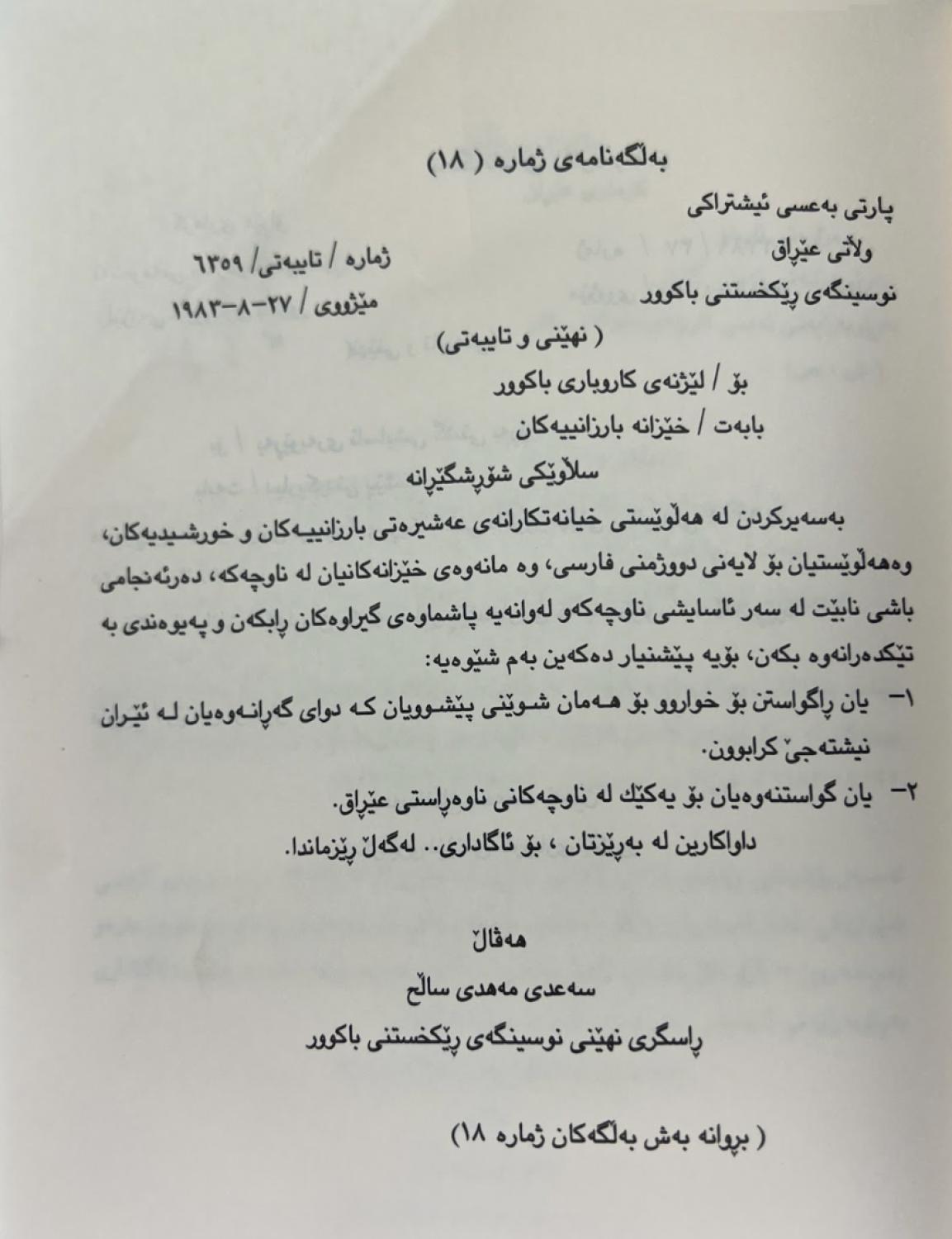
When Identity Was Stronger Than Fear
Another Bidyal family experienced the same tragedy. Sabriya was just six years old when soldiers came to her home before sunrise. “My father opened the door. He put on his clothes, wrapped the red jamana around his head, put his identity card in his pocket, and was taken away.”
She remembers running after him for one final embrace. “I ran after my father, but a soldier kicked me before I could reach him.”
The red jamana had become far more than traditional dress. It represented an identity neither intimidation nor promises of safety could erase. For the Christians of Bidyal, removing it would have meant denying a lifetime of shared history with the people of Barzan.
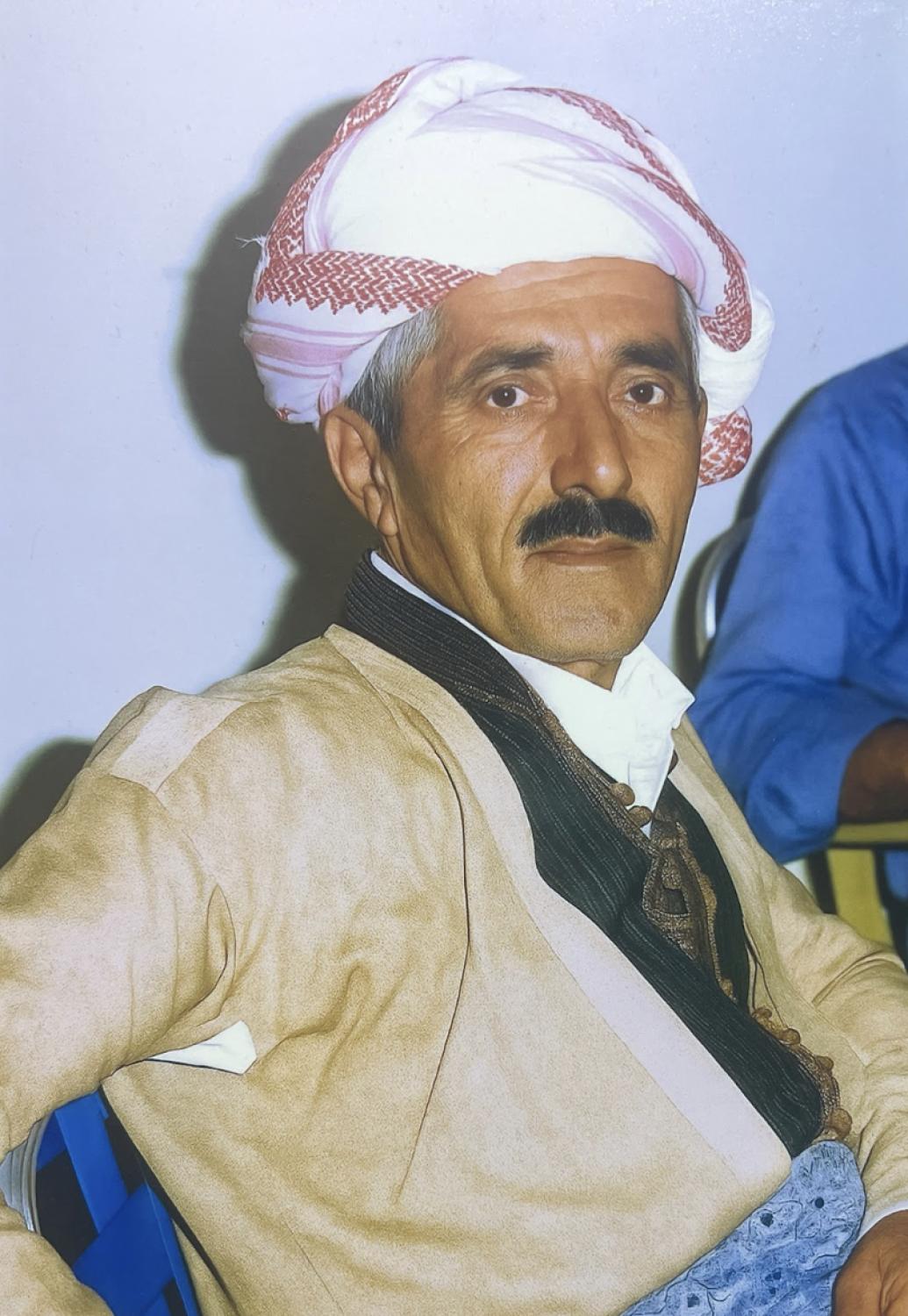
Remembering the Victims
Years later, the story of Bidyal’s Christians reached the Iraqi High Tribunal. Hasko appeared as an eyewitness and recalled the court’s initial disbelief when he identified two Christian Anfal victims, Oudisho and Khoshaba, as Barzanis targeted alongside their Muslim neighbors. “When I mentioned Oudisho and Khoshaba, two martyrs of the Anfal campaign, the judge did not believe me.”
Although the court questioned how Christians could have been arrested during the Barzani campaign, Hasko explained that they had been taken because they wore the red jamana. A committee was eventually dispatched to Diana to verify the testimony.
The Anfal campaign sought to destroy not only lives but also the bonds that united communities across religious lines. Instead, the red jamana endured as a symbol of solidarity—one that transformed a simple piece of cloth into a lasting testament to shared identity, courage, and sacrifice.
is Kurdish journalist and university professor.