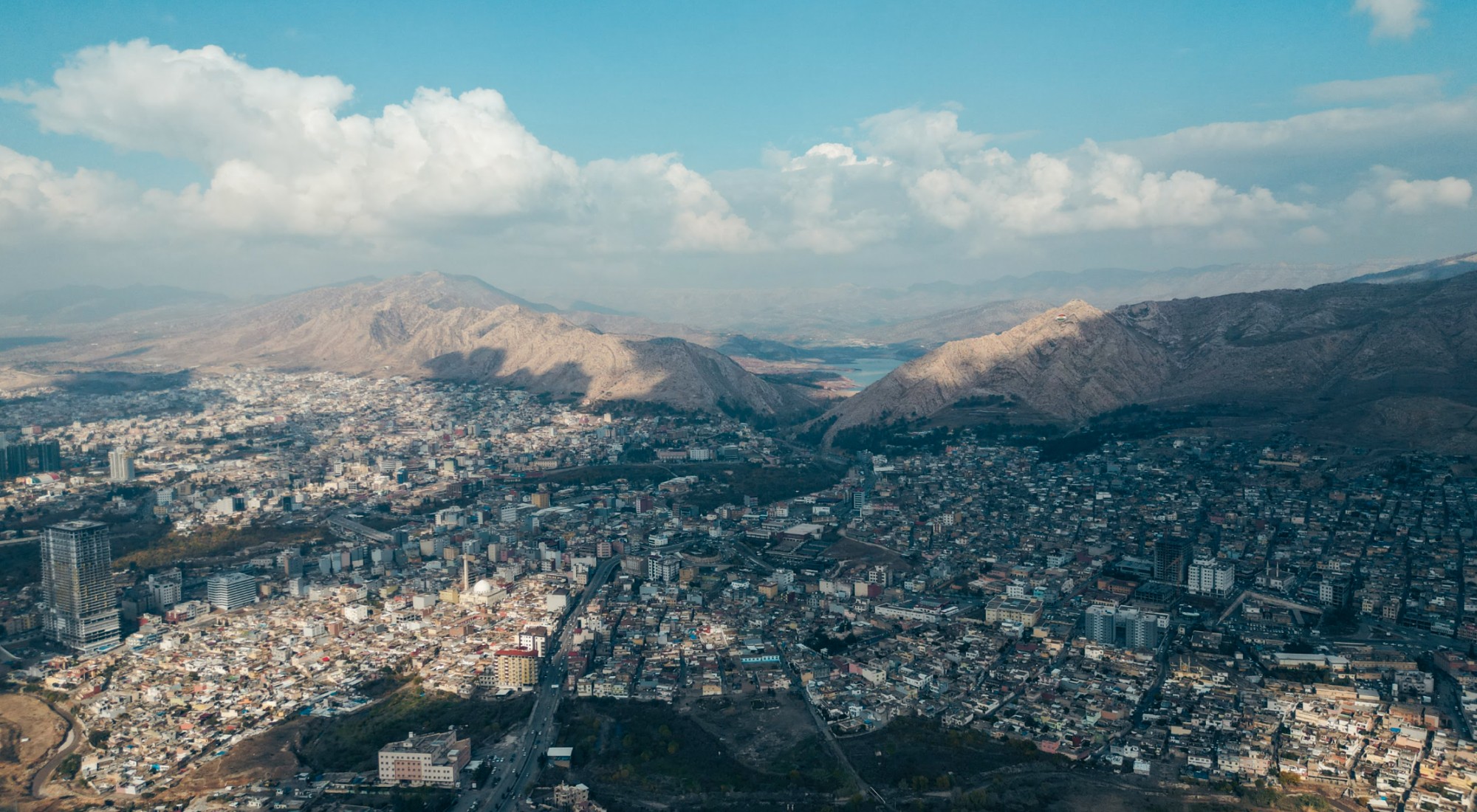
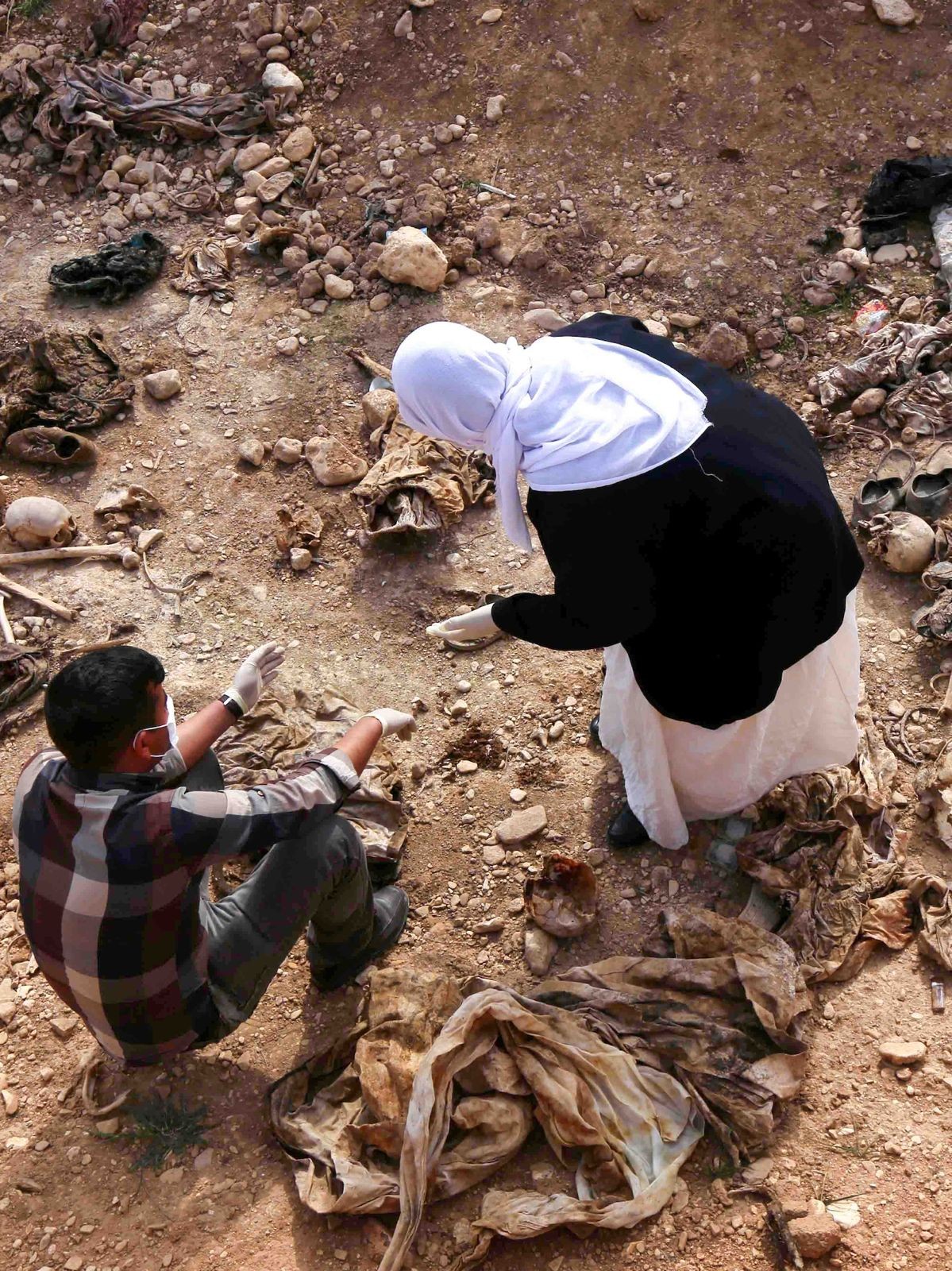
Twelve years have passed since 3 August 2014, when one of the gravest crimes against humanity in recent history was committed in full view of the world. On that day, the so-called Islamic State (ISIS) launched a brutal assault on the Yazidi Kurdish community in Sinjar (Shingal), massacring around 5,000 Yazidis, including women, children, and the elderly. According to available figures, 3,595 captives were later freed, many after ransom payments, while the fate of 2,526 people remains unknown. Despite the passage of more than a decade, many survivors continue to live with the devastating consequences of the genocide. The reconstruction of Sinjar and ensuring that displaced residents can safely return to their homeland remain among the region's greatest challenges.
A memorial ceremony marking the 12th anniversary of the Sinjar Genocide was held at the Kalkar Yazidi House (Mala Ezdiyan) in Germany. The event brought together numerous German politicians, representatives of the Kurdish community, and invited guests to honor the victims of the genocide. Speakers focused on the current situation in Sinjar, the reconstruction of the region, and the challenges faced by the Yazidi community living in Germany.
The commemoration began with a special musical performance by Kurdish artist Bedil Brahim, dedicated to the victims of the genocide. Opening remarks were delivered by Pir Brahim Sharo, President of Mala Ezdiyan Kalkar, and Cahit Başar, Secretary General of the Kurdish Community in Germany. Both speakers stressed that the genocide must never be forgotten, emphasized the importance of standing in solidarity with the survivors, and described the protection of the Yazidi community as a shared international responsibility.
Cahit Başar: Remembrance alone is not enough
In his speech, Cahit Başar described the Sinjar Genocide as the continuation of centuries of persecution and attempts to eradicate followers of the Yazidi faith. He praised the courageous resistance shown by Kurdish and Yazidi self-defense forces against ISIS, while emphasizing that remembrance alone is not enough. According to Başar, recognizing the genocide also carries political responsibilities, including protecting the Yazidis, rebuilding Sinjar, and combating Islamist extremism with determination. He also expressed gratitude to Germany for accepting many genocide survivors and supporting the international fight against ISIS.
Other politicians and speakers also recalled the crimes against humanity committed in Sinjar twelve years ago, stressing that neither the genocide nor the suffering endured by its victims should ever be forgotten. Among those addressing the gathering were Kalkar District Administrator Christoph Gerwers, North Rhine-Westphalia Greens parliamentary leader Wibke Brems, CDU state parliament executive board member Dr. Günther Bergmann, CDU integration policy spokesperson Peter Blumenrath, and journalist Tobias Huch. They highlighted Germany's and the international community's responsibility to protect the Yazidi people.
Speakers also called for permanent residency rights for genocide survivors living in Germany, greater international support for the reconstruction of Sinjar, and continued efforts to ensure a safe future for the people of the region. They further emphasized the need for a determined fight against radical Islamist terrorism and all forms of religious extremism.
As Kalkar Mayor Dr. Alexandra Schacky was unable to attend in person, she was represented by a member of the Kalkar Municipal Council. The event concluded with the screening of a documentary depicting the atrocities committed by ISIS against the Yazidis, as well as the experiences of survivors. The film also served as a reminder of the importance of international solidarity and the necessity of ensuring that the genocide is never forgotten.
Pir Brahim Sharo: "The Genocide Did Not End in Sinjar"
Speaking on behalf of Mala Ezdiyan, Pir Brahim Sharo said that the 74th Ferman—the massacre carried out against the Yazidi Kurds in Sinjar on 3 August 2014—was not the final campaign of persecution targeting Yazidis and Kurds. He argued that the persecution and displacement of Kurdish and Yazidi communities in Afrin continues before the eyes of the international community. Sharo said the purpose of the commemoration was to keep these issues on the international agenda, strengthen cooperation with Germany's political institutions, and increase awareness of the ongoing threats facing the Yazidi people.
Wibke Brems: "Recognition Alone Is Not Enough"
Wibke Brems, parliamentary leader of the Greens in North Rhine-Westphalia, stressed that official recognition of the Sinjar Genocide is of great importance. However, she argued that today's realities must also be confronted honestly.
"The current situation is far from satisfactory," she said. "The Yazidi community still requires a strong protection framework. At the same time, far-right political parties in Germany are campaigning for the deportation of people who clearly continue to need protection. We firmly reject such positions."
Mehmet Tanrıverdi: "Justice Is a Shared Responsibility"
Mehmet Tanrıverdi, Deputy Chairman of the Kurdish Community in Germany, said the memorial had been jointly organized by the Kurdish Community in Germany and Mala Ezdiyan Kalkar.
"Our Yazidi people should know that seeking justice for this massacre is not a burden they must carry alone—it is a responsibility shared by all of us," he said.
Tanrıverdi noted that commemorations were taking place throughout Kurdistan and across the Kurdish diaspora. He expressed hope that displaced Yazidis would eventually be able to return safely to their ancestral homeland after security is restored.
He also expressed the view that all armed militia groups, including the Popular Mobilization Forces (Hashd al-Shaabi) and PKK-affiliated forces, should withdraw from Sinjar so that the region can be rebuilt under the administration and economic support of the Kurdistan Region.
Tobias Huch: "The Threat Must Remain Visible"
German journalist Tobias Huch said he first became acquainted with Kurdish Yazidis during the genocide and worked as a journalist to raise international awareness of the atrocities.
Following the massacre, he also participated in efforts to establish the Yazidi House in Kalkar.
"The threat posed by radical Islamist terrorism to the Yazidi community must remain visible," he said. "The people of Sinjar should be able to return safely from refugee camps, supported by economic and social development projects. In particular, greater attention must be given to the education of young Yazidis."
Survivor Recalls Meeting with Masoud Barzani
Cemal Ismail Xelil, a survivor from Khanasor in Sinjar, recounted meeting Kurdish leader Masoud Barzani together with Baba Sheikh shortly after the ISIS attack.
"When the massacre began, we asked President Barzani for help," he recalled. "Baba Sheikh embraced him in tears and said, 'The Yazidi faith is finished.' President Barzani replied, 'As long as Kurdistan exists, the Yazidi faith will survive. Even if I have to sell the clothes on my back, I will do everything possible to rescue our Yazidi daughters from ISIS. If I had an aircraft today, I would personally fly to Sinjar immediately. Until Sinjar is liberated, I will not return home. I will stand on the front lines together with the Peshmerga.'"
Xelil said Barzani fulfilled his promise, helping secure the release of approximately 3,000 Yazidi girls held by ISIS through ransom efforts. He criticized the Iraqi government for failing to contribute financially to rescue operations despite its resources, while thanking Germany for taking the Yazidi genocide seriously. He also noted that 23 countries have officially recognized the genocide, with the Kurdistan Region being the first to do so, while Iraq has yet to grant formal recognition.
Xunav Haco: "The Threat of Genocide Continues"
Xunav Haco, President of the Ronahi Association in Bochum, said the Kurdish people have not left the era of genocide behind.
"Genocidal policies continue in different parts of Kurdistan," she said. "Since the first days of the Sinjar tragedy, we have worked with political actors across Germany and Europe to raise awareness and gain support. Kurds and the Yazidi community have stood shoulder to shoulder throughout this struggle."
Haco added that while the vision of an independent and united Kurdistan may still be distant, Kurdish communities are moving closer to greater self-governance.
"We are not a people who seek war or conflict," she said. "We seek peace and the right to live freely on our own land."
Sheikh Zedo Baadri: "The Kurdish People Stood with Us"
Sheikh Zedo Baadri, Adviser for Yazidi Affairs in the Kurdistan Parliament, said he served as a Peshmerga fighter throughout the four-year war against ISIS.
"We did everything we could to defend our faith and protect Sinjar," he said.
Recalling the events of August 2014, Baadri described how ISIS militants, dressed in black and carrying black flags, subjected Yazidis to brutal violence. Thousands of women, children, elderly people, and men were captured and forced to convert to Islam at sword point. Those who refused were executed, while many others suffered inhumane torture.
Baadri argued that those responsible followed the legacy of Saddam Hussein and sought to divide the Yazidi and Kurdish communities. However, he said they failed because Kurds across the Kurdistan Region—in Duhok, Erbil, Sulaymaniyah, Kirkuk, Barzan, Garmiyan, Zakho, and many other cities—opened their homes to displaced Yazidis.
"That solidarity gave us strength," he concluded. "It was with that strength that we resisted."