Prime Minister Barzani’s visit to Baghdad underscores Erbil’s
commitment to resolving its long-standing disputes with the federal
government
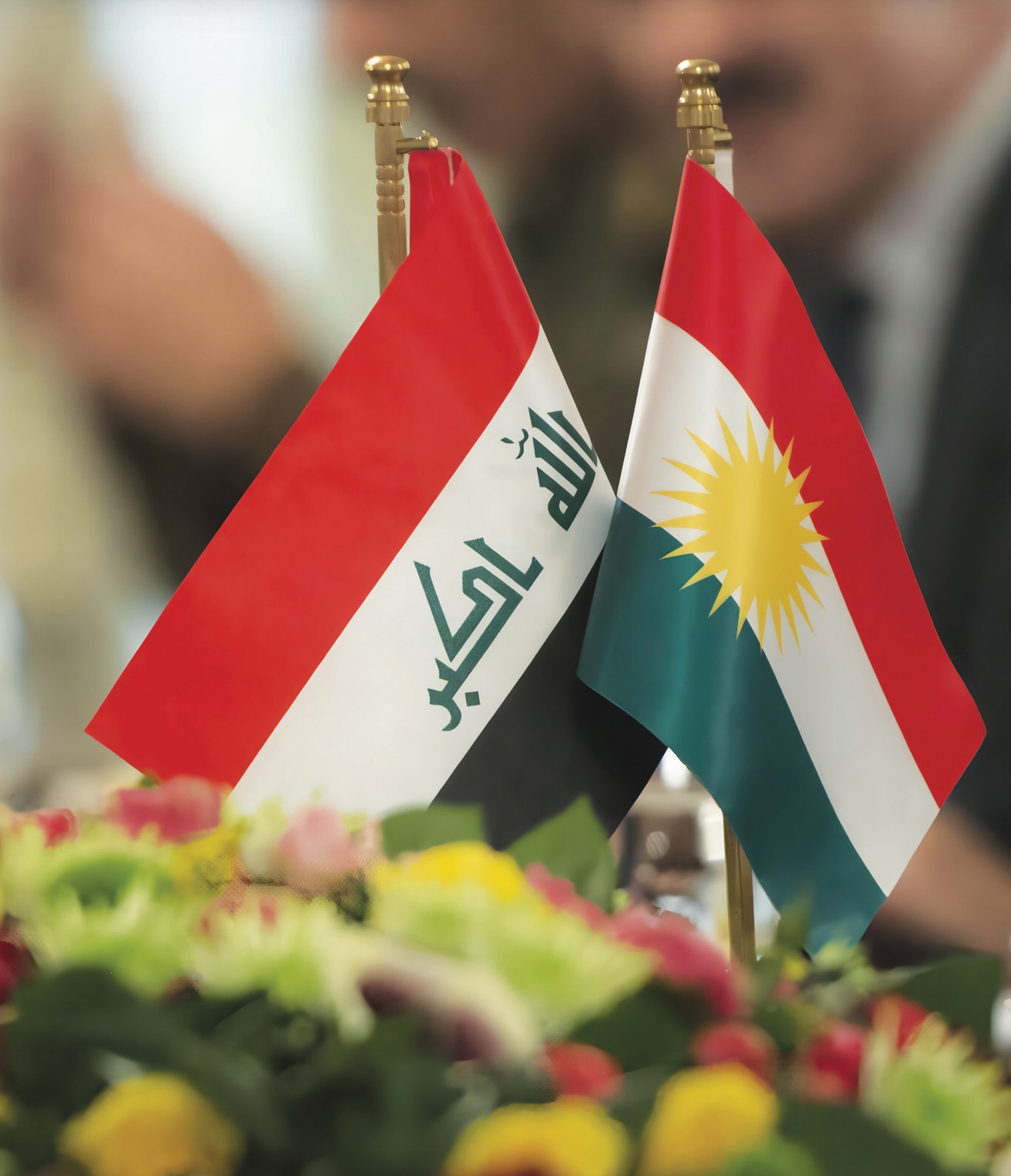
Since the fall of Saddam Hussein in 2003 during Operation Iraqi Freedom, relations between Erbil and Baghdad have been defined by recurring disputes over power, resources, and the meaning of federalism. While Kurdish leaders have sought greater implementation of Iraq’s constitutional framework, successive governments in Baghdad have often favored a more centralized approach.
Nearly every new cabinet formation in Baghdad has reopened the same unresolved questions: budget transfers, public-sector salaries, energy policy, disputed territories, and the balance of authority between the federal government and the Kurdistan Region. Kurdish leaders have consistently argued that these disputes should be resolved through Iraq’s constitutional and federal framework.
The Latest Round of Talks
Most recently, Kurdistan Region President Nechirvan Barzani attended the appointment ceremony for Iraqi Prime Minister Ali al-Zaidi. Then, a few days later, Kurdistan Regional Government (KRG) Prime Minister Masrour Barzani led a delegation to Baghdad and held meetings with key leaders on May 23 and 24. The visits renewed hopes that the two sides might finally make progress on a familiar list of disputes, including Article 140, public-sector salaries, energy legislation, budget allocations, and border management.
In a joint statement, Iraqi Prime Minister Ali al-Zaidi stated that “we are all partners in this country and it is our duty to resolve the issues and reach an agreement to serve all citizens and components equally.“ KRG Prime Minister Barzani, meanwhile, reiterated the need to resolve outstanding disputes, stating that “the resolution of the issues between the KRG and the Federal Government must be fundamental and based on the constitution as well as respect for the federal framework of the Kurdistan Region.“
Prime Minister Barzani also met with Haibat al-Halbousi, Speaker of the Iraqi Council of Representatives. The two emphasized adherence to the constitution and the need for legislation that protects the rights of Iraq's ethnic and religious communities while benefiting all citizens.
In a separate meeting with Faiq Zidan, President of the Iraqi Supreme Judicial Council, discussions focused on constitutional implementation, the federal system, and legal mechanisms for resolving outstanding disputes between Erbil and Baghdad. According to the council's statement, the two also discussed addressing public needs through constitutional and legal institutions.
Pressing the Opposition
During Prime Minister Barzani’s stay in Baghdad, Iraqi and Kurdish media fully covered each development. He also met with political figures who have traditionally opposed Kurdish constitutional demands, using the visit to press for dialogue across Iraq’s political spectrum.
Toward the end of his visit, Prime Minister Barzani held a press conference to reiterate the constitutional rights of the Kurdistan Region. Since 2014, disputes between Erbil and Baghdad have repeatedly delayed payments to KRG employees and members of the Peshmerga, making it one of the most politically sensitive aspects of the relationship. He expressed his hope that salary payments would not again fall victim to political deadlock.
“We have discussed strategic matters with Iraqi officials, emphasizing that the Kurdistan Region must be given the constitutional opportunity to increase petroleum and non-petroleum revenues, so that it can have a better role in fulfilling its share in the federal government,” Prime Minister Barzani said. “Our current full concentration is on finding a workable mechanism between the KRG and the federal government; we are looking toward the future, not the past.”
A Symbol of Brotherhood
To conclude his visit, several Iraqi tribal leaders visited KRG Prime Minister Barzani in a special welcoming ceremony and gifted him a 100-year-old Brno rifle. A prestigious traditional gift, the Bren Gun signifies respect, trust, and unity among the Arab community in Iraq. The Arab sheikhs also reiterated their support for the demands and rights of the Kurdish people.
“Kurdistan will always be your home as it has always been; its door is always open to you in times of both joy and hardship,” Prime Minister Barzani told the Arab sheikhs. “From the time of Mullah Mustafa Barzani to today, we have worked to preserve this friendship and brotherhood. In the future we will likewise act in the interest of all Iraq and the progress of all its components alike.”
Yet the visit demonstrated Erbil's continued effort to pursue its goals through constitutional and political channels, while underscoring how many of the core disputes between Erbil and Baghdad remain unresolved more than two decades after the fall of Saddam Hussein.
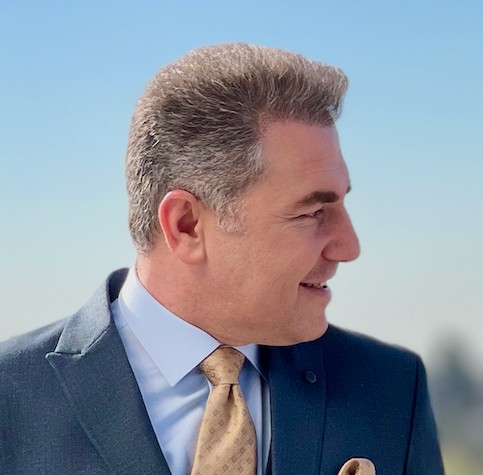
is a journalist with 20 years of experience in the field. He has held a number of prestigious positions, including news director at Kurdistan 24 and the editor-in-chief of BasNews.