Kurdistan’s experience offers valuable lessons for regional stability
and development
After more than a century shaped by war, ideological conflict, and rentier political systems, the Middle East is entering a period of profound transformation. It is not a choice, but rather the result of strong pressures and the clear failure of past systems of governance. The rentier economic structures that relied on hydrocarbons and sustained many states in the region are becoming increasingly difficult to maintain. At the same time, the global system can no longer sustain the cost of long-term instability in the region. Under these conditions, Middle Eastern states face mounting pressure to reform or risk gradual marginalization.
At this point, the main question is no longer whether reform will happen, but who will lead it and how it will be carried out. If development continues through authoritarian systems, rentier economic structures, or simply copying from other contexts, it will not create lasting stability. It will only compound old problems.
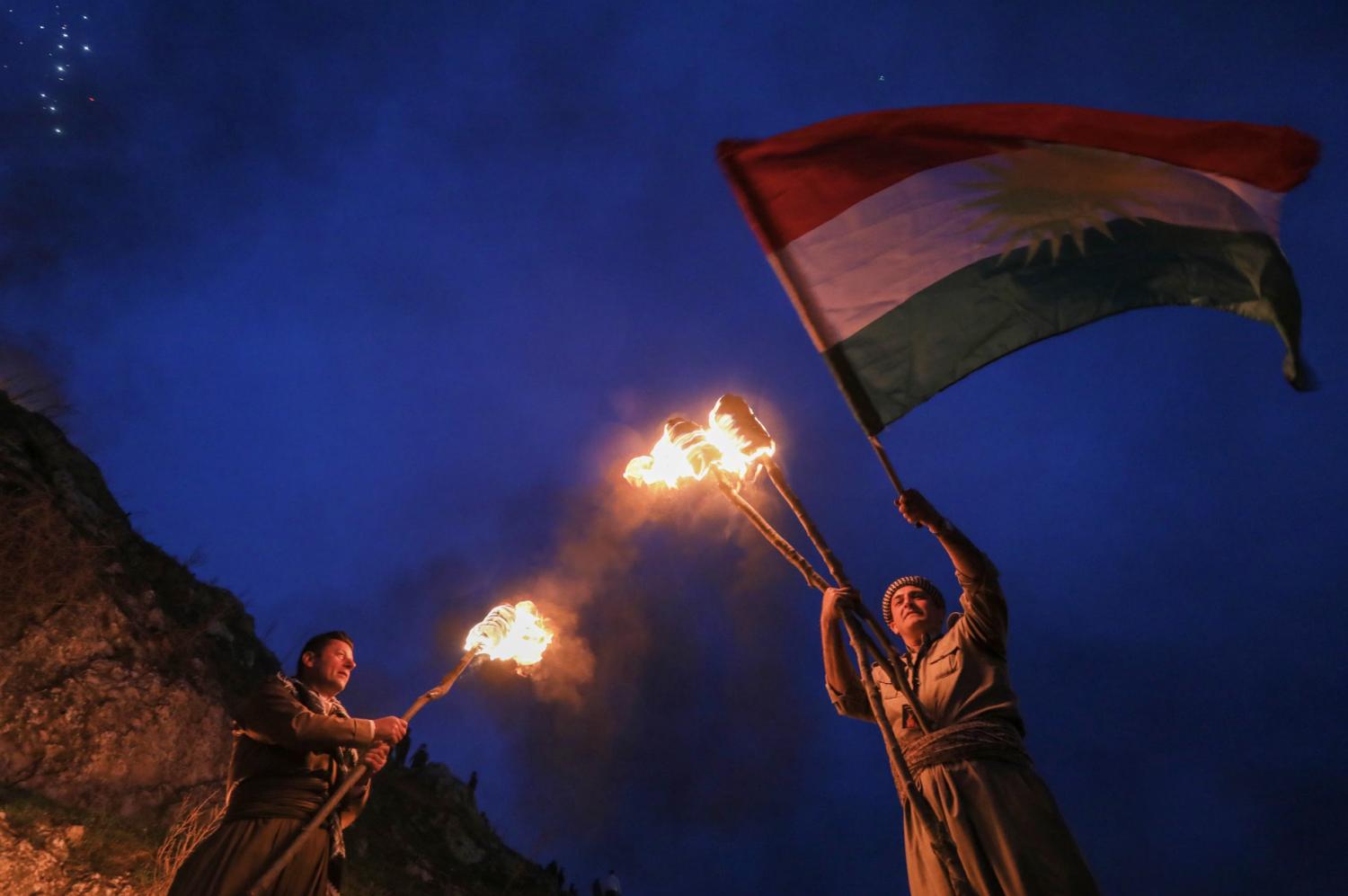
Kurdistan’s Unexpected Strengths
Lasting development requires new actors, new institutional thinking, and new forms of governance. In this context, the Kurdistan Region has a real historical opportunity to help shape part of this transformation. Its potential has increasingly attracted the attention of outside powers, particularly Europe and the United States.
Kurdistan is a land shaped by the crises of the Middle East, bearing in its collective memory a century of instability, political division, and social resistance. Yet the same conditions that were once seen as weaknesses may now become a foundation for overcoming these challenges.
Maintaining connections across borders, managing relations with multiple power centers, and protecting coexistence have quietly built real strength. Adaptability and resilience forged through struggle may become strategic advantages in a region searching for more sustainable political and economic models. The future Middle East will favor those able to turn experiences of crisis into new models of stability, reform, and cooperation.
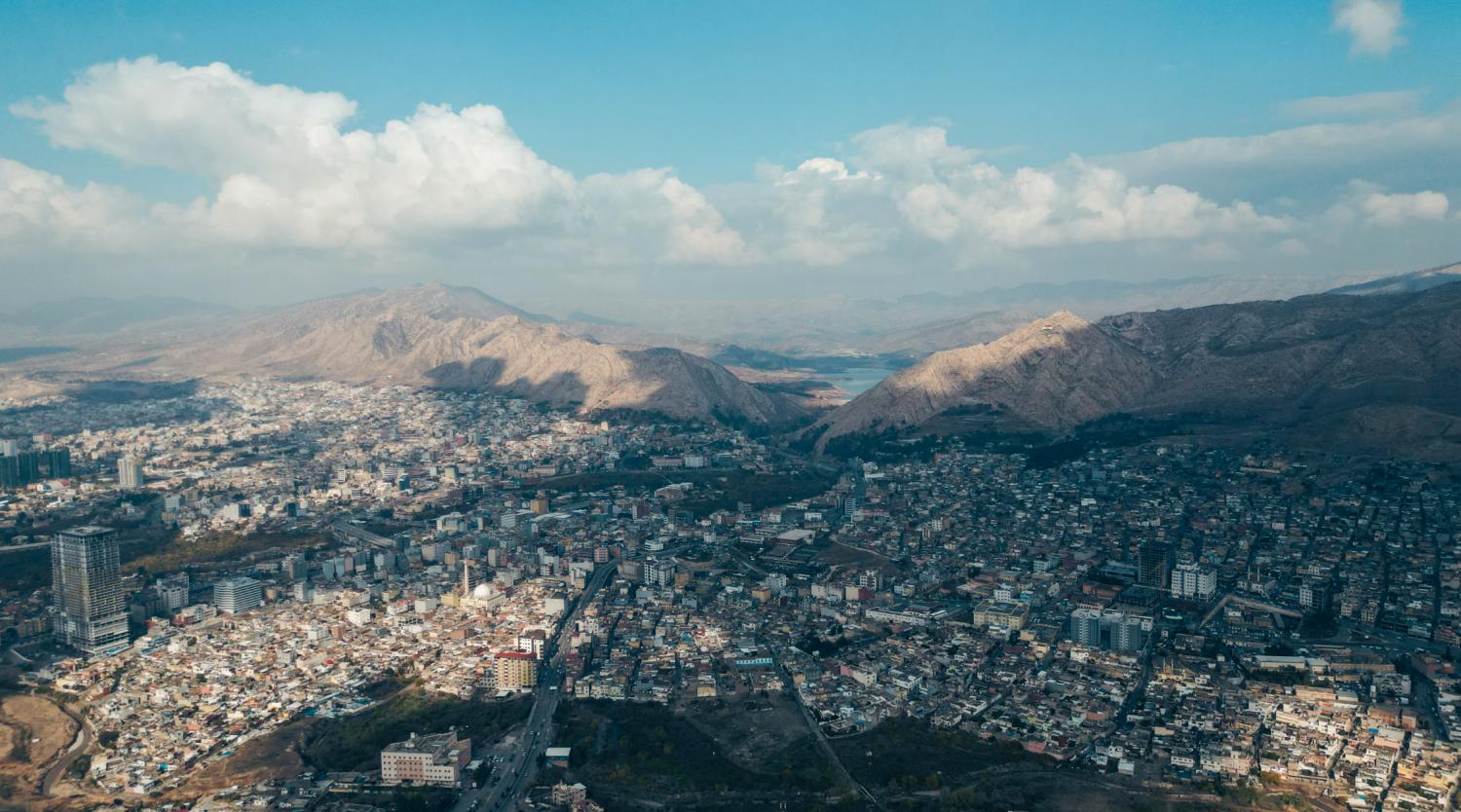
A New Kind of Power
The Middle East is slowly entering an era where power is being redefined. Political influence increasingly rests on economic productivity, while economic success depends on innovation, knowledge, and adaptability. Influence in this emerging order will depend less on military power or ideology than on the ability to address problems such as water shortages, energy transition, urban growth, youth employment, improving education, reducing violence, democratic progress, and connection to global networks.
The Kurdistan Region can become one of the few places that not only understands these challenges, but also has real experience in dealing with them.
In the 21st-century Middle East, any actor capable of building networks of trust, exchange, and cooperation will play a key role in building the future. In this context, Kurdistan can act as a bridge between markets, a conduit for knowledge exchange, a link between cultures, and a space for peaceful and democratic coexistence. In this way, Kurdistan does not need to compete with regional powers but can support cooperation between them.
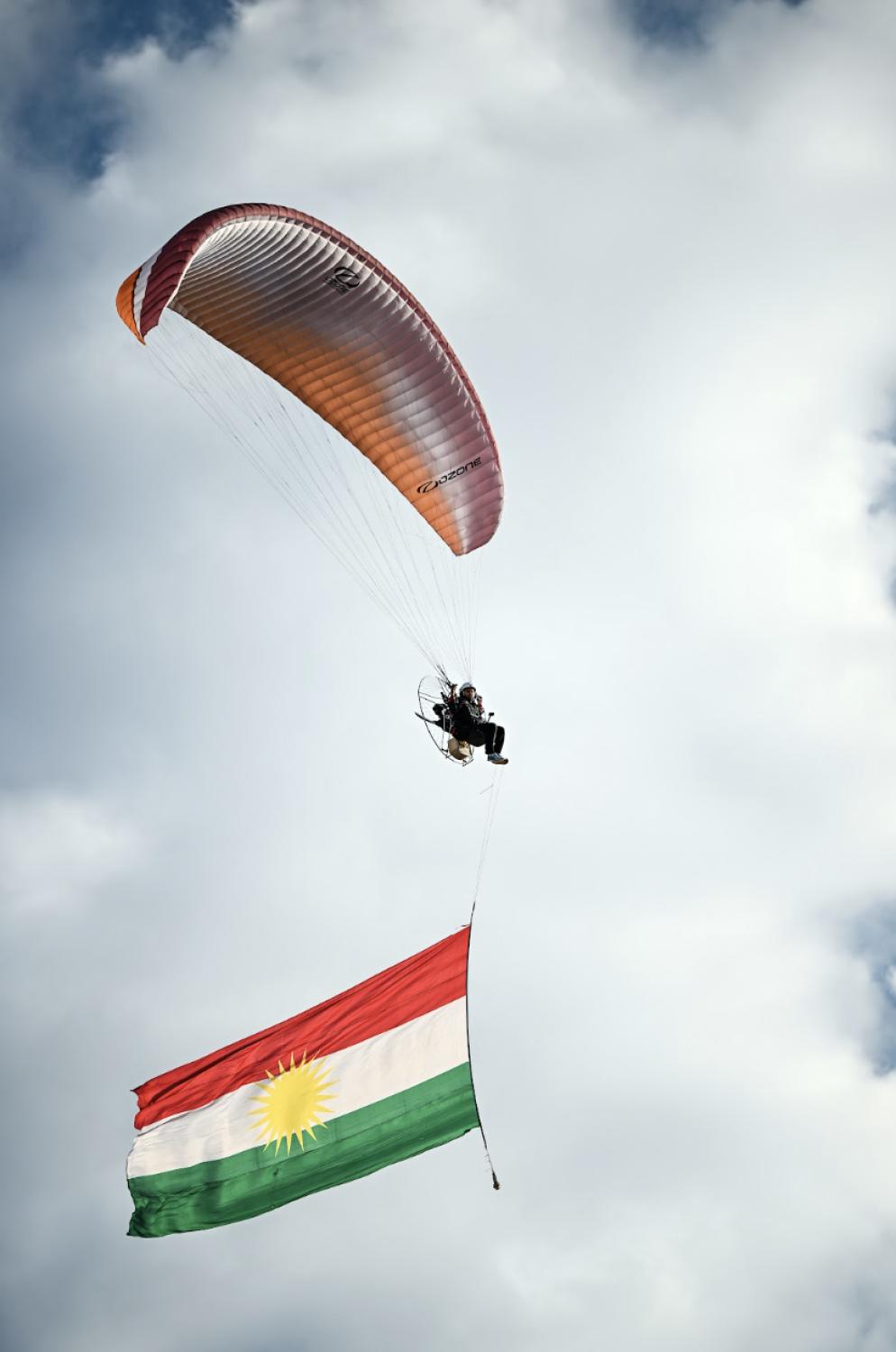
This role does not require full political unity — only the capacity to build and sustain cooperation across Kurdistan’s internal divisions. The future Middle East will be shaped by actors who can adapt. If Kurdistan can transform its experience — both successes and failures — into actionable knowledge, it can become a natural reference for development discussions in the region.
The emerging Middle East also needs a new conception of human dignity grounded not only in resistance, but in the capacity to build a better life, create institutions, and move forward with reform. Kurdistan’s history of suffering gives it moral credibility, while its experience of reconstruction gives it practical relevance. This combination of experience and action can help it take on a formative role in the region today.
A Shared Future
In this view, the relationship between Kurdistan and the Middle East is based on a shared destiny. Kurdistan’s development cannot be separated from that of the region, which will remain incomplete without the participation of actors like the Kurdistan Region. That shared stake can become the foundation of a regional order built on cooperation rather than conflict.
In the end, Kurdistan and the Middle East are on the same path, moving from a century of war to a century of building, from survival politics to future-focused governance, and from closed identities to open and active roles. If Kurdistan can navigate this change with awareness and responsibility, it can shape its own future and contribute to broader regional solutions.
This responsibility falls on the current generation. The region’s future will depend on political forces capable of prioritizing institution-building, economic reform, and regional cooperation over ideological rivalry and zero-sum conflict. Kurdistan can be one of them — if it has the courage to choose the future.
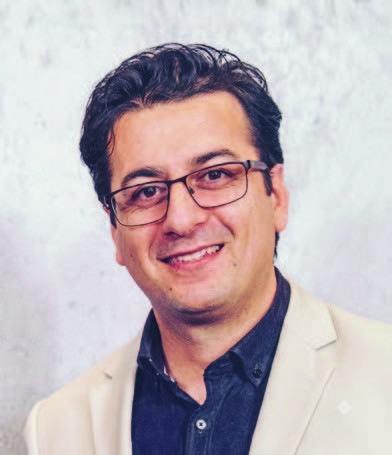
Founder of Kurdistan Development & Futures Institute, Vancouver, Canada