A firm commitment and a clear vision for advancing human rights
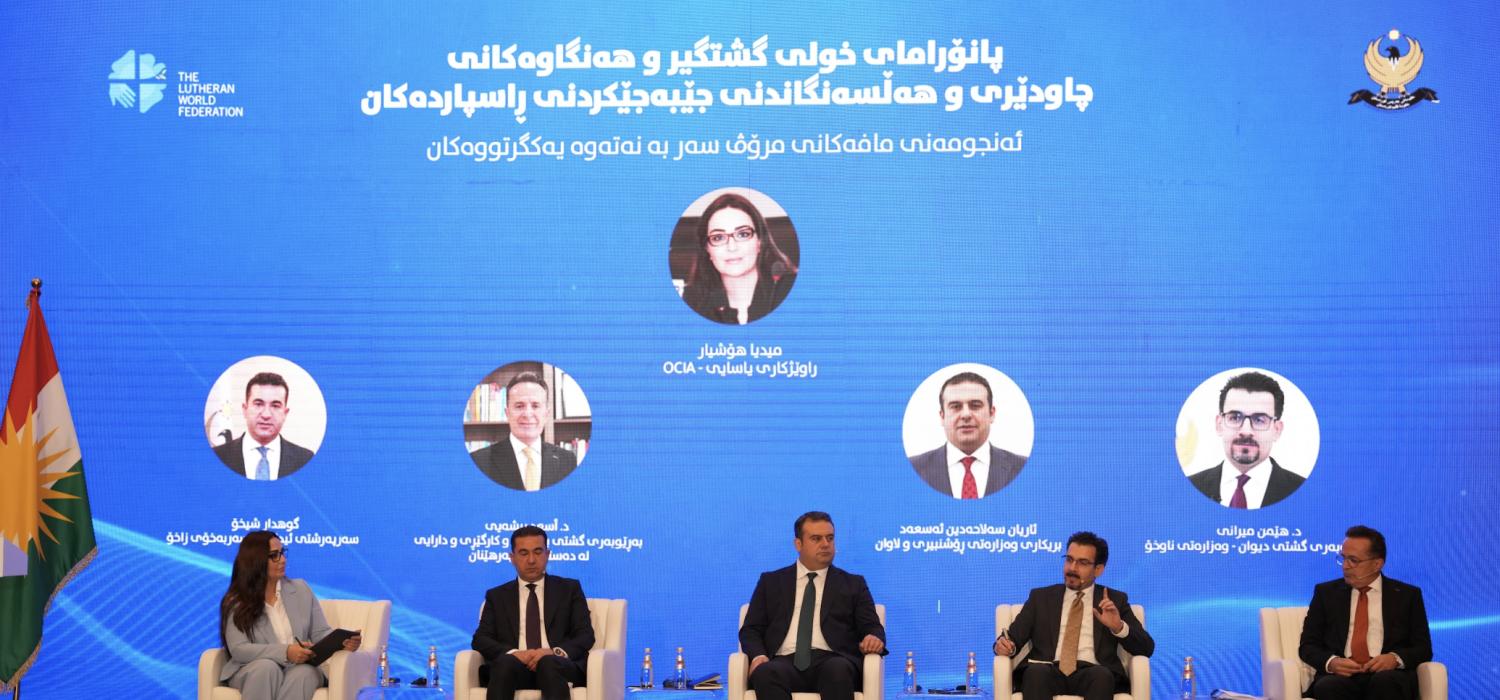
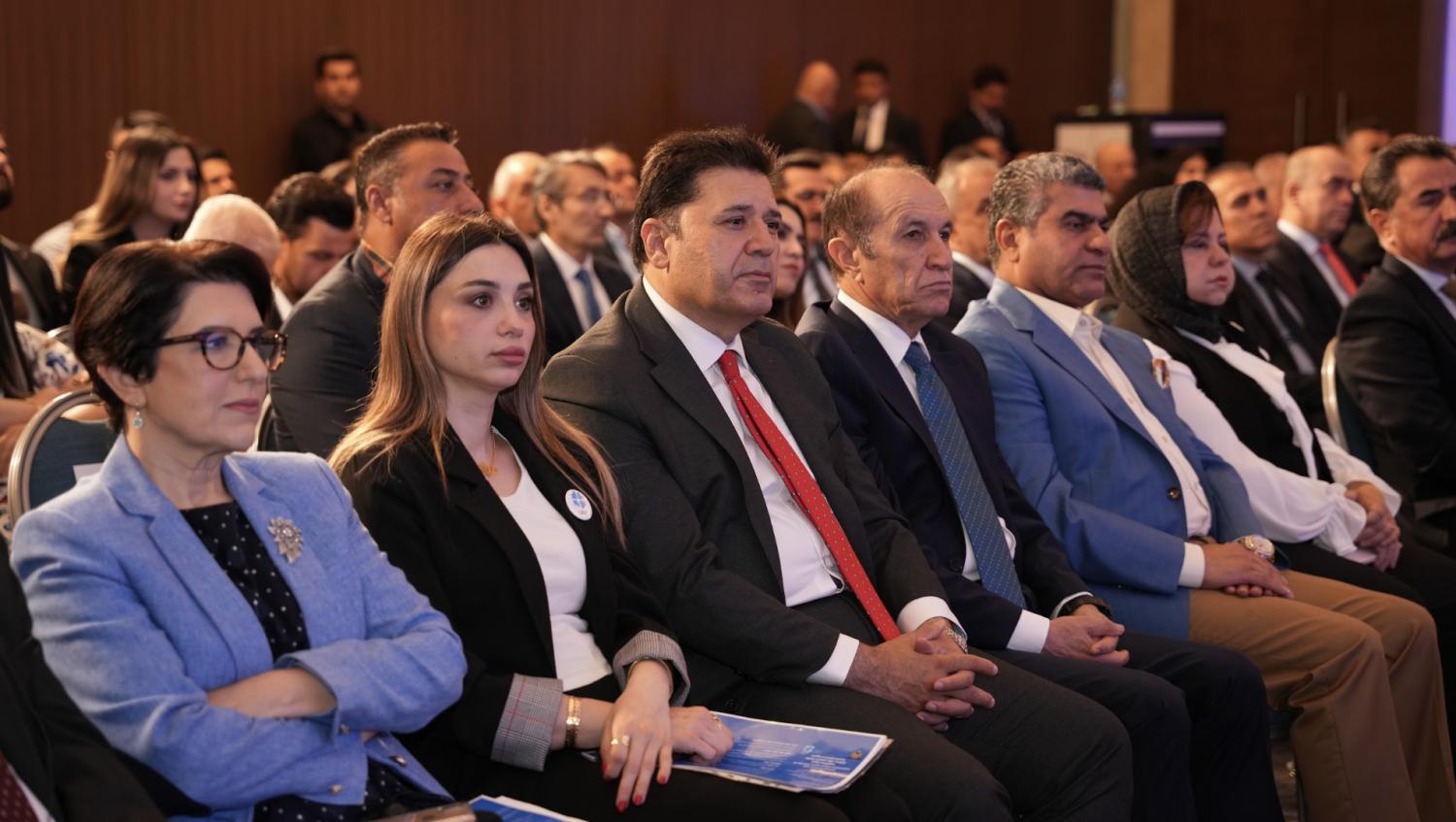
In May 2026, government officials, diplomats, UN representatives, and civil society organizations gathered in Erbil for the first Annual Panorama Conference on the Universal Periodic Review (UPR). More than just a discussion of human rights policy, the conference served as a progress report on the Kurdistan Region’s efforts to implement international recommendations — and a reminder of the challenges that remain.
The gathering came at a pivotal moment. While the Kurdistan Regional Government (KRG) has received recognition for progress in areas such as minority protection, women’s rights, and support for displaced communities, international organizations continue to raise concerns about media freedom, legal reform, and institutional accountability. Throughout the conference, participants returned to a central question: how can human rights commitments be translated into measurable change?
Understanding the UPR
Established by the UN Human Rights Council in 2006, the UPR evaluates the human rights record of every UN member state every four and a half years. Governments present reports on progress and challenges, while UN agencies, civil society organizations, and member states provide additional assessments and recommendations. Iraq has participated in the process since its creation, with the Kurdistan Region contributing as part of the Iraqi delegation since 2010.
Three themes emerged repeatedly throughout the conference: improving coordination between institutions, broadening participation from civil society and international partners, and translating recommendations into measurable reforms.
Progress and Remaining Challenges
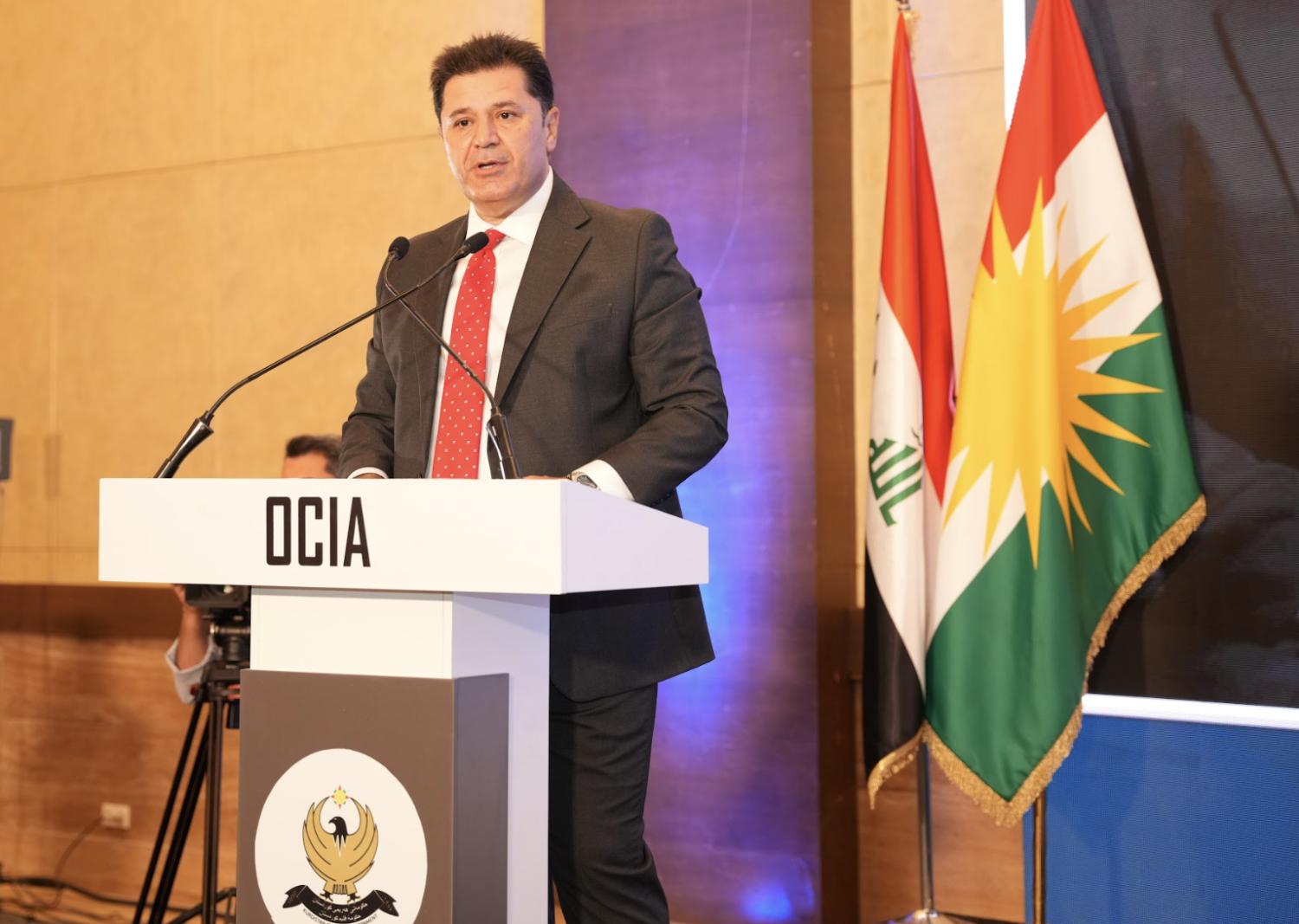
Much of the discussion focused on balancing recognition of recent progress with acknowledgment of unresolved challenges. In his address, KRG Coordinator for International Advocacy Dindar Zebar highlighted the KRG’s reforms related to women’s rights, children’s rights, freedom of expression, and protections for vulnerable groups under the vision of the Ninth Cabinet. He also pointed to international recognition of efforts to suspend the death penalty, support minority communities, and strengthen protections for women and persons with disabilities.
A key metric presented during the conference was the implementation rate of international recommendations, which reached 62.3% by 2025, reflecting significant progress during the previous review cycle.
International partners broadly welcomed the 62.3% figure but stressed that concerns remain, particularly around media freedom, violence against women, and civil society protections. The EU, which has supported programs protecting journalists and human rights defenders in the region, reaffirmed its commitment to democratic development. At the same time, it emphasized that progress on internally displaced persons, religious coexistence, and media pluralism, while genuine, remains incomplete.
UNDP’s deputy resident representative framed the underlying stakes most directly, arguing that the UPR’s value lies not in reporting but in improvements to justice, public services, inclusion, and equal opportunity. The Lutheran World Federation (LWF) underscored the importance of implementation while praising the KRG’s willingness to acknowledge both achievements and remaining shortcomings. For LWF representatives, open dialogue between government institutions, civil society, and international partners remains essential to advancing human rights protections.
Several participants stressed that no single institution can implement human rights reforms alone and called for deeper cooperation between government agencies, civil society groups, and international partners.
Human Rights in Practice
Panel discussions examined the practical obstacles to implementing human rights recommendations. Participants discussed the relationship between governance, security, economic development, and institutional reform, contending that sustainable human rights progress depends on effective public institutions and long-term stability.
Speakers also highlighted the practical dimensions of reform, including protections for foreign workers, media freedoms, investment promotion, and regional stability. Several participants argued that sustainable economic growth and human rights progress are mutually reinforcing, not competing, objectives.
Discussions also highlighted the Kurdistan Region’s continued role in hosting refugees and internally displaced persons. Representatives from UNICEF, UNODC, Islamic Relief Worldwide, and other organizations discussed refugee protection, disability inclusion, women’s and children’s rights, and the need for stronger institutional capacity.
Obstacles to Reform
Despite signs of progress, participants identified several structural obstacles that continue to impede implementation. Coordination gaps between federal and regional authorities remain a persistent challenge, particularly where responsibilities overlap. Delays in legislative reform and inconsistencies between domestic laws and international standards also continue to complicate implementation efforts.
Participants further noted that financial constraints, limited technical resources, and weaknesses in monitoring and evaluation systems have made sustained progress more difficult. Several speakers argued that institutional capacity, rather than political commitment alone, may be the defining challenge of the current UPR cycle.
Many participants argued that the next phase of the UPR process will be defined less by new commitments than by the ability of institutions to implement existing ones. Priorities identified for the 2025–2029 cycle included judicial reform, stronger protections for women and minorities, environmental governance, improved accountability mechanisms, and closer coordination between Baghdad and Erbil.
Conclusion
The significance of the first Panorama Conference lay not in the number of recommendations discussed, but in the growing recognition that implementation is now the central challenge. The question now is whether institutions possess the resources, coordination, and political will necessary to turn commitments into lasting reforms. The conference underscored a simple reality: human rights progress is no longer being measured by promises alone, but by results.
is a Kurdish journalist based in Erbil, the Kurdistan Region